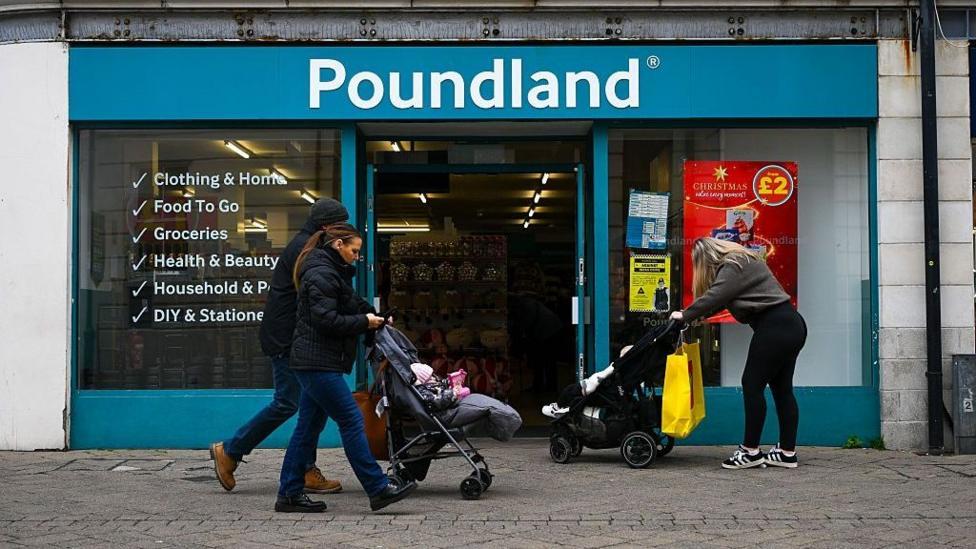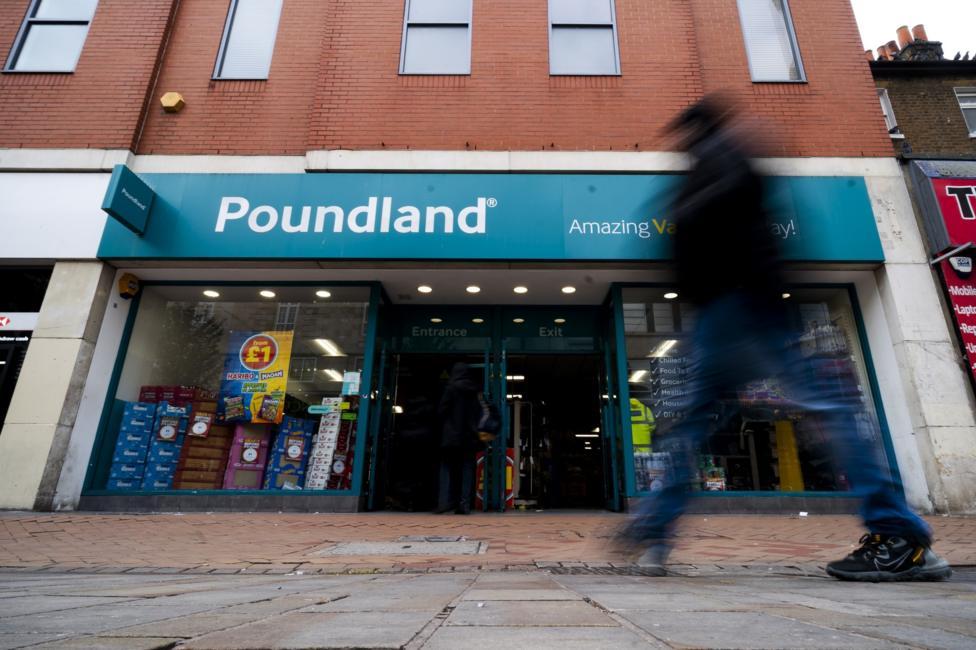
Poundland has entered administration, putting approximately 11,000 jobs at risk across its roughly 600 stores in the UK and Ireland, where its outlets trade as Dealz. The discount retailer's demise has triggered intense scrutiny of US-based Gordon Brothers, which acquired the business for a nominal €1 in June 2025 and now faces accusations of prioritising debt repayment over the company's survival. According to BBC News, the joint administrators appointed are Clare Kennedy, Daniel Imison and Kevin Wall of AlixPartners UK LLP, who will continue trading while exploring options to sell the business or its assets in whole or in part.
The collapse has reignited debate about private equity ownership of struggling retailers. Gordon Brothers extracted nearly £20m from Poundland since taking control, with a further £22.5m owed to the firm as its share of a £30m loan—a debt that administrators must prioritise when distributing proceeds from any asset sale. Management at Poundland has blamed the owners for restricting access to the company's own cash, preventing adequate restocking before the critical Christmas trading period. However, Sky News reported that Poundland had launched a £21m Christmas restocking operation in November, distributing more than 16 million grocery products to stores, suggesting some operational momentum remained.
The chain's difficulties intensified after rescue talks with multiple bidders faltered in late November. Martin Property Group offered £5m upfront with deferred payments, while Xyra Holdings proposed £12.5m upfront but was considered unable to deliver the full amount. Potential buyers balked at the requirement to repay Gordon Brothers' £22.5m loan in full, a debt the US firm had inherited without cost when acquiring the business.
Why did Gordon Brothers' debt become a dealbreaker?
Gordon Brothers' insistence on recovering most of its £22.5m loan emerged as the central obstacle preventing a sale. Prospective purchasers viewed this demand as unreasonable given that the firm had acquired the debt at no cost and stood to profit substantially regardless of outcome. The company's accumulated losses meant that any buyer would inherit a struggling operation while simultaneously servicing a large debt to the previous owner—a combination that deterred serious bidders.
What is Gordon Brothers' version of events?
The US firm disputes characterisations of its conduct as asset-stripping or predatory. Gordon Brothers argues it injected £85m into Poundland over 17 months to prevent an earlier collapse that would have occurred in June 2025. The £20m extracted since then, the company contends, represents mostly interest on that loan rather than profit-taking. Gordon Brothers maintains that Poundland's underlying trading performance deteriorated significantly, with sales forecast to be £115m lower than predicted at the time of acquisition—a shortfall that more than offset a £100m cost-reduction programme. The firm attributes this decline to sector-wide pressures including rising labour costs, employment taxes and business rates, factors affecting all retailers.
According to Gordon Brothers, none of the potential buyers demonstrated sufficient financial capacity or retail expertise to operate the business successfully under any realistic terms. The company argues that without its intervention, Poundland would have collapsed far earlier, extending employment for thousands of workers by 17 months.
What do MPs and retail experts say?
Members of the Business Committee have accused Gordon Brothers of "predatory capitalism" and "asset stripping," with the committee chair demanding that the US firm and Poundland management return to provide testimony. The committee seeks to establish whether Gordon Brothers deliberately avoided securing a buyer, instead profiting from a controlled collapse. Julie Palmer, an insolvency specialist at Begbies Traynor, told the BBC that while a whole-business sale would represent the best outcome, a breakup of assets appears more likely. She noted that individual stores will likely find new owners, though this offers little comfort to workers facing redundancy weeks before Christmas when they would normally be at peak demand.
How does this compare to previous retail collapses?
Poundland's administration echoes earlier high-street failures including Woolworths, BHS and Wilko. Like those cases, many Poundland stores are expected to be acquired by rival retailers, with B&M, Tesco and Lidl named as potential interested parties. However, the transition will require experienced local staff to maintain operations, and the timing—just before Christmas—compounds the disruption for employees and supply chains.
Why didn't the previous owners pursue this strategy?
A critical question underpins the debate: if Gordon Brothers' strategy of profiting from a distressed company was so straightforward, why did the previous owners PepCo not employ the same approach? The answer reveals the structural difference between the two ownership models. PepCo operates multiple businesses that could have become entangled in Poundland's administration, creating broader corporate liability. Gordon Brothers, by contrast, specialises in situations of commercial distress and structures deals to ensure profitability even in worst-case scenarios. For Gordon Brothers, the worst outcome still yields £22.5m in debt repayment, interest on secured loans and miscellaneous fees—a guaranteed return regardless of whether the business survives.
What happens next?
Administrators will continue operating Poundland's stores while pursuing sales options. Although a buyer could theoretically emerge to acquire the entire business, industry observers consider this unlikely. More probable is a gradual asset sale, with individual stores and inventory dispersed among competing retailers. The process will unfold over coming weeks, with the administrators balancing the need to preserve value against the urgency of resolving the situation before further deterioration. Prime Minister Andy Burnham has urged Poundland's executives to work with the Government to find solutions that preserve shops and jobs, signalling political engagement with the crisis.
Key Facts
- Gordon Brothers acquired Poundland for €1 in June 2025 and has extracted nearly £20m while injecting £85m to keep the business operating for 17 months.
- The firm is owed £22.5m as its share of a £30m loan, which administrators must prioritise in any asset sale, deterring potential buyers.
- Poundland operates approximately 600 stores across the UK and Ireland, employing around 11,000 people, with Irish outlets trading as Dealz.
- Multiple rescue bids failed after buyers refused to meet Gordon Brothers' full debt repayment demands, with Martin Property Group offering £5m upfront and Xyra Holdings proposing £12.5m.
- The Business Committee has demanded testimony from Gordon Brothers and Poundland management to investigate whether the US firm deliberately avoided securing a buyer.