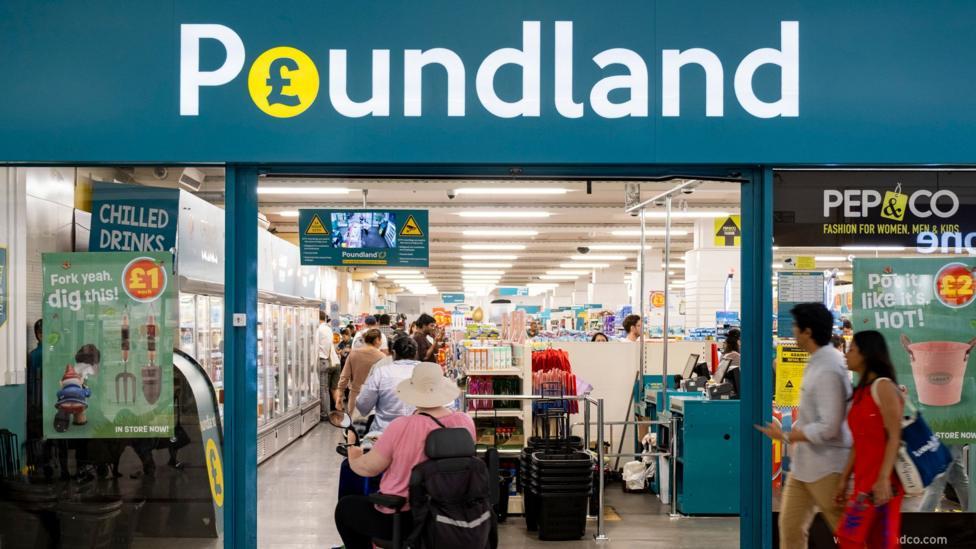
Poundland faces a critical juncture as its American owner, Gordon Brothers, has rejected multiple rescue offers despite the discount retailer showing signs of trading recovery. The chain, which operates 600 stores across the UK and Ireland under the Dealz brand in Ireland, risks collapse into administration if no buyer is found, threatening the livelihoods of 11,000 employees and potentially thousands more in its supply chain. According to BBC News, Gordon Brothers placed Poundland up for sale in September but has since turned away multiple bids aimed at keeping the business operating as a going concern.
The situation represents what insolvency specialists describe as a funding and ownership crisis rather than a fundamental collapse in customer demand. Earlier reporting documented how Gordon Brothers rejected a solvent rescue bid from Martin Property Group, a move that has drawn intense political scrutiny and raised questions about the investment firm's true intentions for the retailer.
Why is customer demand not the problem?
Poundland's trading performance has improved markedly over the past year, contradicting any narrative of consumer abandonment. The business swung from a £68m loss when acquired by Gordon Brothers for £1 from Pepco to an £18.1m profit before interest, tax and certain accounting charges in the year to September. In the first quarter leading into the crucial Christmas trading period, like-for-like sales rose 7%, while operational profits climbed £1.2m year-on-year to £1.9m.
Halloween sales provided a particularly encouraging signal, reaching 11.4% higher than the previous year—a metric that retail analysts regard as a reliable predictor of Christmas performance. Julie Palmer, managing partner at insolvency specialist Begbies Traynor, stated:
This isn't a story about shoppers abandoning Poundland. The tills are busier than they were a year ago.She added:
On the face of it, a turnaround seems well under way.
Yet this operational improvement masks a severe liquidity crisis engineered by the owner. Gordon Brothers froze approximately £50m in funds that Poundland needed to restock shelves and cover day-to-day operating expenses. The restriction created a paradox: a retailer with growing customer footfall lacked the working capital to meet demand. Gordon Brothers subsequently released around £21m over two weeks, providing temporary relief, though Poundland launched a £21m Christmas restocking operation, sending more than 16 million grocery products to stores to address the shortage.
What is driving the ownership crisis?
The fundamental tension stems from Gordon Brothers' dual role as both owner and principal creditor. The investment firm is owed multiple loans, including a £22.5m shareholder loan it inherited when acquiring the business. As the main creditor, Gordon Brothers would be first in line to recover its money if Poundland enters administration—a position that creates conflicting incentives.
Gordon Brothers has also extracted approximately £18m through a combination of debt interest payments and other fees and charges since taking control. Beyond this, Gordon Brothers has reportedly provided an £85m asset-based loan to support Poundland, separate from the £22.5m shareholder loan, further entrenching its financial leverage over the company.
Palmer explained the structural problem:
When the owner is also the main lender, its first priority is recovering [loans]. Sometimes the route that best protects the lender is different from the one that saves the most jobs, and that tension is why this has become such a political story.
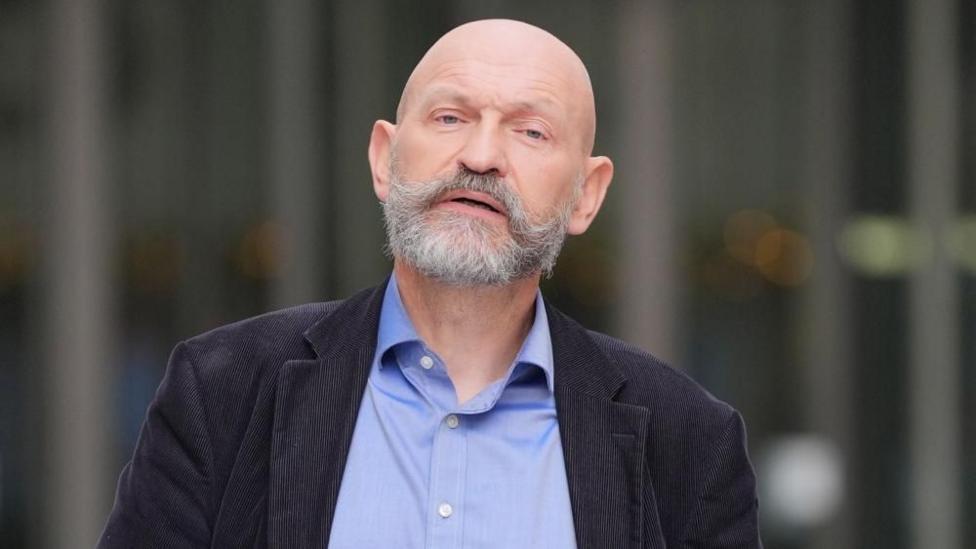
Poundland's management, led by Barry Williams, has publicly stated the business is making a
strong recovery, but Gordon Brothers has presented a starkly different assessment, characterising the chain as remaining
challenged and vulnerable to any potential downturn in future trading. The investment firm has claimed it has provided significant funding to support the company's ability to trade since acquisition.
What rescue options remain on the table?
Multiple bidders have emerged seeking to acquire Poundland as a going concern. Irish property firm Martin Property Group has tabled an offer, though the bid reportedly stalled over how little it would repay on Gordon Brothers' £22.5m loan. London-based holding company Xyra Group has also submitted a rescue proposal, though significant doubts persist about the credibility of its offer. A German investment firm, Zachert Private Equity, is understood to have made a late indicative offer, alongside reported interest from a Dubai-based investor linked to Premier Quality Foods.
Gordon Brothers has simultaneously been evaluating options to break Poundland into separate components rather than sell it intact. The company's stated rationale is that dismantling the retailer would provide greater long-term job security, as any purchasers of individual store estates would be contractually obligated to retain existing staff.
Critics within the industry have alleged that Gordon Brothers is deliberately driving Poundland toward insolvency to maximise profits through the administration process, potentially selling stores and inventory piecemeal at higher returns than a solvent sale would yield. Gordon Brothers has denied these allegations, emphasising its specialisation in acquiring and restructuring distressed companies.
What is the timeline for a decision?
Poundland has secured temporary protection from immediate collapse after a creditor-protection deadline was extended by 10 days to allow time for rescue negotiations. The latest creditor-protection period is reported to expire on 26 November, with a second extension facing a "very high bar," according to sources. Advisers were expected to scrutinise competing bids over the weekend and early week, with a preferred offer targeted by Wednesday.
The Christmas trading period represents the critical make-or-break moment. Palmer emphasised:
The immediate make-or-break issue is Christmas: a value retailer that can't get stock on its shelves in November and December is in serious trouble, whatever its full-year results say.A retailer dependent on seasonal demand cannot afford to enter the peak selling period without adequate inventory.
If no solvent rescue is agreed before the deadline, administration is expected to follow. AlixPartners is understood to be lined up to oversee the administration process should negotiations fail. Poundland is reportedly preparing contingency plans to close hundreds of stores if a rescue deal collapses, though no closures have been formally announced.
What political pressure has been applied?
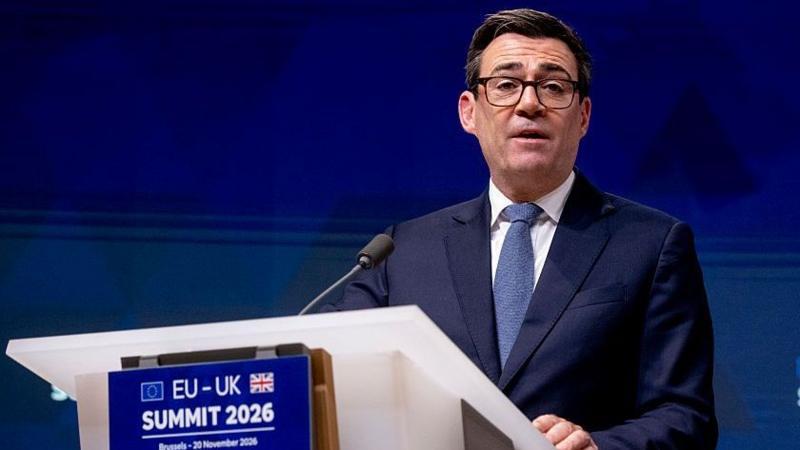
The Poundland crisis has attracted intense scrutiny from UK government figures. Prime Minister Andy Burnham and Business Secretary Jonathan Reynolds have both called for answers regarding Gordon Brothers' rejection of the Martin Property Group offer, which would have preserved jobs. A committee of MPs questioned Gordon Brothers representatives last week, adding further pressure on the investment firm.
Retail analyst Catherine Shuttleworth of Savvy Marketing noted that Gordon Brothers appears
unmovedby the arguments advanced by the UK government, suggesting that political intervention may have limited influence over the American firm's decision-making.
What is at stake beyond Poundland itself?
The potential collapse extends far beyond the 11,000 Poundland employees directly affected. Suppliers to the retailer face significant exposure, with major suppliers warning they would lose millions if the chain fails. Smaller competitors in the supply chain risk insolvency, with the broader crisis potentially threatening approximately 30,000 jobs across the supply network. The retail sector has watched closely as the situation unfolds, viewing it as a test case for how distressed retail assets are managed in the current economic environment.