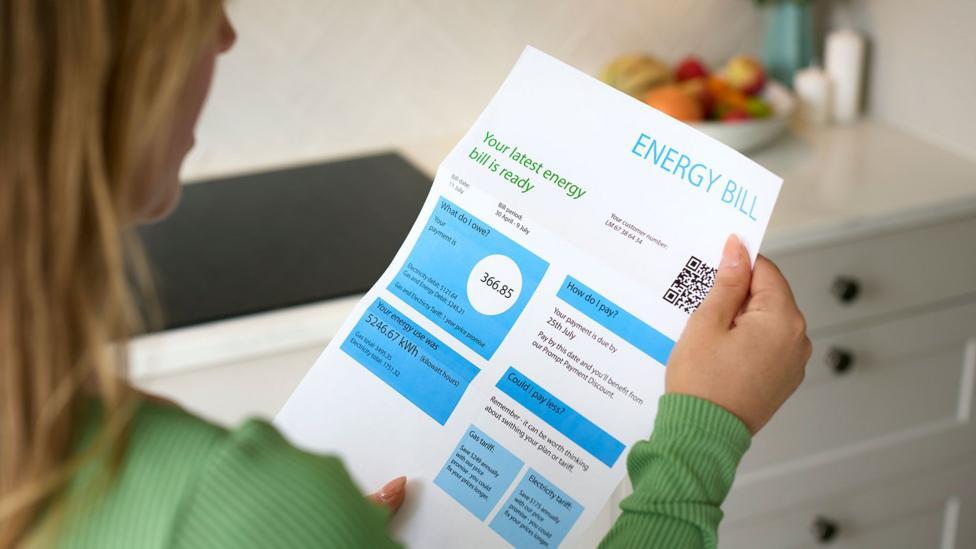
Household energy bills across England, Scotland and Wales will increase by 26% from 1 January 2027 under BBC News's reporting on the regulator Ofgem's latest price cap announcement. According to Ofgem, the typical annualised bill for a direct-debit household will reach £2,166, an increase of £443 from the previous cap level of £1,723. The rise affects approximately 20 million households on standard variable tariffs and applies from 1 January to 31 March 2027.
With household budgets already stretched, many people are adopting practical strategies to manage their energy consumption and reduce costs. Three households have shared their approaches to tackling the rising expense of gas and electricity.
How can households shift their energy use to cheaper times?
Kelly Anne Harvey, a 44-year-old building surveyor from Cleveleys near Blackpool, has restructured her family's energy consumption around peak and off-peak pricing. She lives with her husband and five-year-old son on a combined household income of £60,000. Currently paying approximately £154 monthly for gas and electricity on a standard variable rate with Octopus, she is seeking a fixed-rate deal to protect against further increases.
The family previously fell into arrears on energy bills and has since implemented several cost-control measures. They pay by direct debit, which typically saves £138 annually compared to paying on receipt of a bill. To reduce reliance on central heating, they use electric blankets and portable oil radiators in specific rooms.

Kelly Anne's household participates in Octopus's energy saving scheme, which rewards customers who reduce electricity consumption during peak times—such as early evenings—by offering a free hour of energy at weekends.
On Sunday we'll turn on the dishwasher, tumble drier, washing machine and maybe even charge our electric cars,Kelly explains, concentrating her highest-consumption activities into the discounted weekend period.
What heating adjustments can reduce energy bills?
Stacey, a 40-year-old single mother from Bristol with daughters aged 10 and 12, describes managing rising energy costs as a
battleand expresses concern about affordability in 2027. Working as an office administrator, she is on a fixed-term tracker tariff with E.On Next, which sets rates below the quarterly Ofgem price cap. She expects to pay £1,800 for energy this year, representing a £400 increase from the previous year.
Stacey participates in the Changing Realities project at Glasgow University, which documents living standards for people on low incomes. She has implemented multiple strategies to control energy expenditure. Her central heating has been reduced from 22°C to 19.5°C, and the household has purchased electric blankets. Like Kelly Anne, she pays bills by direct debit.

Additional measures include keeping curtains closed throughout the day to retain warmth and encouraging her daughters to wear thermal clothing when indoor temperatures drop. The family has also reduced hot water usage.
I've got girls and they're growing up and they want to spend loads of time in the shower [but] it's just not possible,Stacey notes, highlighting the difficult trade-offs families face.
How can heating oil users manage costs?
Bradley Knowles, a 32-year-old finance worker, lives in a barn conversion in rural Lincolnshire with his husband, mother and sister. Unlike households connected to mains gas, approximately 1.5 million UK households depend on heating oil for warmth and hot water, making them vulnerable to volatile global oil markets.
Bradley has witnessed significant price fluctuations in recent years.
When I first moved here two years ago you could get a litre of heating oil for 50-60p,he recalls.
At the height of the Iran war it went up to £1.20 or £1.30 and now it's stabilised at around £1.To minimise costs, he orders oil in bulk—typically 1,000 to 1,500 litres—preferring to purchase during summer months when prices are lower. He also places orders several weeks in advance to avoid expensive next-day delivery charges.

Bradley uses comparison websites to identify the cheapest local suppliers and sets aside money monthly to ensure he can afford his orders. While oil-powered boilers require time to reach operating temperature, he advises against leaving them running continuously, as this incurs substantial expenses. Instead, he uses an electric tank to store heated water and supplements heating in certain areas with electric radiators, optimising efficiency across his property.
What are the new price cap rates?
From 1 January 2027, Ofgem's updated rates set average direct-debit charges at 32.69p per kilowatt-hour for electricity and 10.96p per kilowatt-hour for gas. Daily standing charges are 54.77p for electricity and 29.65p for gas. The cap applies different increases depending on payment method: 25% for standard credit customers, raising bills to £2,328 annualised, and 26% for prepayment meter users, reaching £2,108. Ofgem emphasises that the price cap limits unit rates and standing charges rather than total household bills; actual costs depend on individual consumption patterns.
When will the next price cap be announced?
Ofgem is scheduled to announce the energy price cap for 1 April to 30 June 2027 on 23 February 2027, providing households with advance notice of any further changes to their bills.
Key Facts
- The January 2027 price cap increase of 26% raises the typical direct-debit bill from £1,723 to £2,166 annually, affecting around 20 million households
- Households can reduce costs through demand-shifting to off-peak hours, lowering heating temperatures, using electric blankets and radiators, and paying by direct debit rather than on receipt of bills
- Oil-heated homes face particular pressure, with heating oil prices ranging from 50-60p per litre two years ago to around £1 currently, making bulk purchasing and advance ordering essential strategies
- Payment method affects the size of the increase, with standard credit customers facing a 25% rise and prepayment meter users experiencing a 26% increase