The US Federal Reserve is widely anticipated to increase interest rates for the first time since 2023, as persistently elevated inflation continues to challenge the central bank's dual mandate of price stability and labour market support. The decision comes amid mounting political pressure from President Donald Trump, who has repeatedly called for rate cuts despite ongoing inflationary pressures stemming from energy market disruptions.
At its September 15–16 meeting, the Federal Reserve's policy committee is expected to approve a quarter-percentage-point increase, moving the benchmark federal funds rate to a target range of 3.75% to 4.00%, according to market expectations tracked by trading desks. This would represent the first rate rise since the central bank concluded its pandemic-era monetary accommodation in 2023.
The labour market has demonstrated resilience, with employment gains continuing through the summer months. However, energy price volatility has intensified inflationary pressures. Americans have spent more than $100 billion in additional gasoline and diesel costs during the ongoing conflict with Iran compared with a scenario without the geopolitical tensions, according to estimates from an economics research centre at Brown University.
Inflation has remained stubbornly above the Federal Reserve's 2% target for more than five years. The central bank's previous meeting, held on July 29, resulted in a decision to maintain rates at their existing level of 3.5% to 3.75%, a position the committee had maintained since the start of the year.
What is driving the rate increase decision?
Energy market disruptions tied to US-Iran tensions have exacerbated inflationary pressures that the Fed has struggled to contain. In March, the Federal Reserve held rates steady amid rising oil prices and economic uncertainty caused by the conflict, signalling that rate cuts would be delayed until later in the year. More recently, central banks across the US, UK and Japan have faced rate decisions as surging oil prices and Middle East tensions fuel inflation concerns.

The Fed's June 2026 projections had already suggested that some policymakers anticipated higher rates later in the year, with a median federal funds rate estimate of 3.8 percent included in the committee's economic forecasts.
What political pressure is the Fed facing?
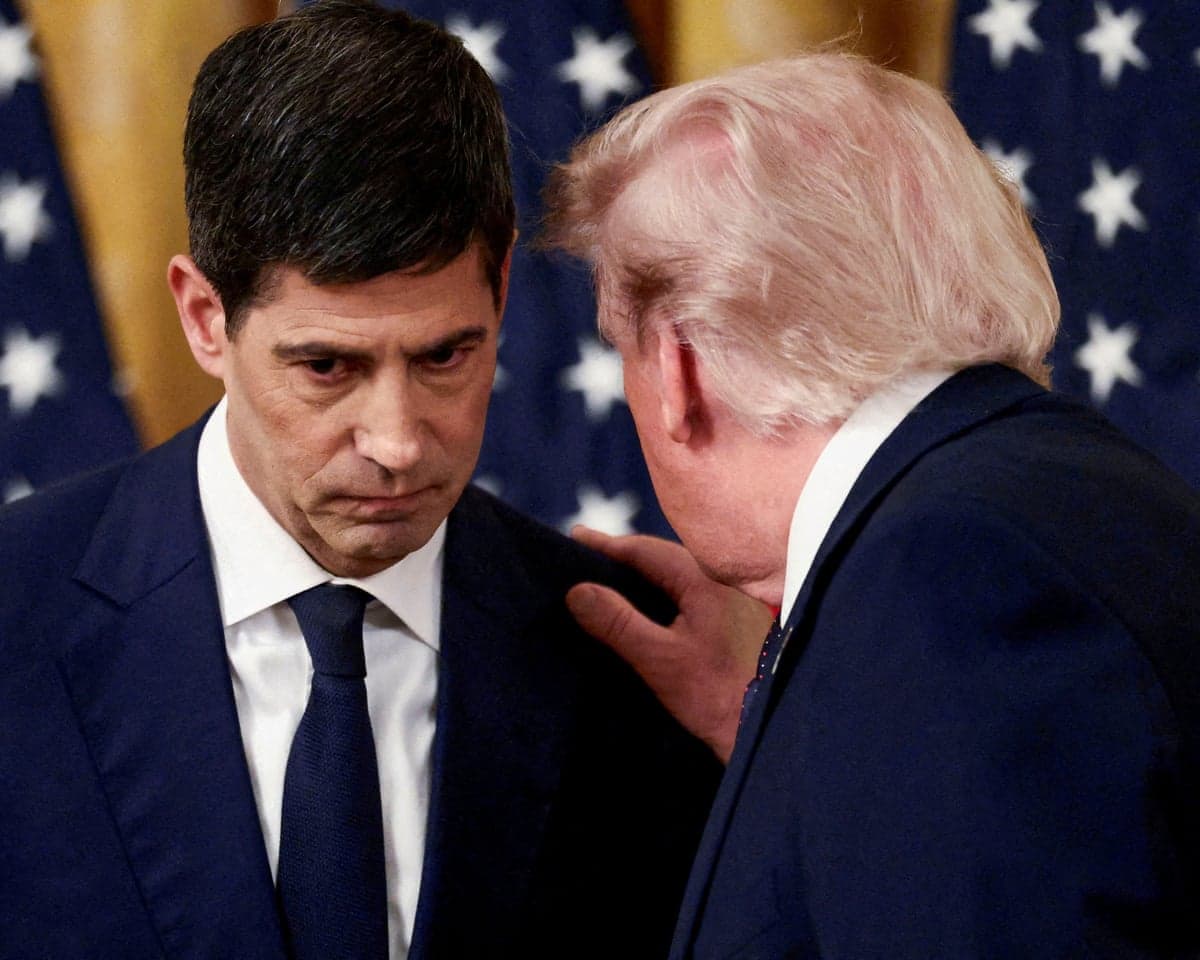
President Trump has intensified his demands for interest rate cuts, creating significant pressure on Federal Reserve Chair Kevin Warsh, whom Trump appointed earlier in the year. The president has stated that the United States should maintain
the lowest interest rate in the worldregardless of economic conditions. In early September, Trump threatened to halt trade with countries unless the Federal Reserve cut rates, citing strong August employment data as justification for monetary easing.
Trump has expressed frustration with the Fed's approach and previously criticised former Chair Jerome Powell. While initially more supportive of Warsh's appointment, the president has become increasingly vocal in recent weeks about his expectations for rate policy. If Warsh proceeds with the anticipated rate increase, the decision is likely to provoke a strong reaction from the White House.
When will the Fed announce its decision?
The Federal Reserve's policy committee will release its decision on September 16, 2026, at 2:00 pm Eastern Time, according to the Fed's official monetary policy calendar. Chair Warsh will hold a press conference at 2:30 pm ET to discuss the committee's reasoning and answer questions from journalists.
What is the political context?
The Fed's decision arrives just weeks before November's midterm elections, which will determine whether Trump's Republican party retains control of Congress. Affordability and the cost-of-living crisis have emerged as the dominant issues for voters, placing the central bank's rate decisions under heightened political scrutiny. The timing of the rate increase, coming so close to the election, underscores the tension between the Fed's mandate for price stability and the political environment in which it operates.
Key Facts
- The Federal Reserve is expected to raise its benchmark interest rate by 25 basis points to 3.75%–4.00% at its September 15–16 meeting, the first increase since 2023.
- Inflation has remained above the Fed's 2% target for more than five years, driven partly by energy price spikes linked to US-Iran tensions.
- President Trump has repeatedly demanded rate cuts and threatened trade action if the Fed does not comply, creating political pressure on Chair Kevin Warsh.
- The rate decision will be announced on September 16 at 2:00 pm ET, followed by a press conference at 2:30 pm ET.
- The decision comes weeks before November's midterm elections, when cost-of-living concerns are dominating voter priorities.