Whitehall departments have revealed spending of at least £2.4m engaging social media influencers to promote government campaigns since July 2024, according to parliamentary disclosures. The figures encompass work with content creators on topics ranging from career development and benefits access to recruitment drives for teachers and prison officers.
The Department for Education has been the largest spender, allocating more than £700,000 to influencer partnerships, with Her Majesty's Revenue and Customs (HMRC) following at nearly £600,000, though this figure excludes agency fees. According to separate departmental disclosures, the Cabinet Office has spent £365,331 on influencer marketing by February 2026, engaging 22 creators to raise awareness of government schemes and promote the UK internationally.
Government officials have justified the spending by arguing that influencers enable departments to reach audiences who may not engage with traditional advertising channels. They emphasised that content creators receive fair compensation for their work and expertise, and that all paid marketing initiatives undergo assessment to confirm they represent value for taxpayers' money.
Why is the government using influencers?
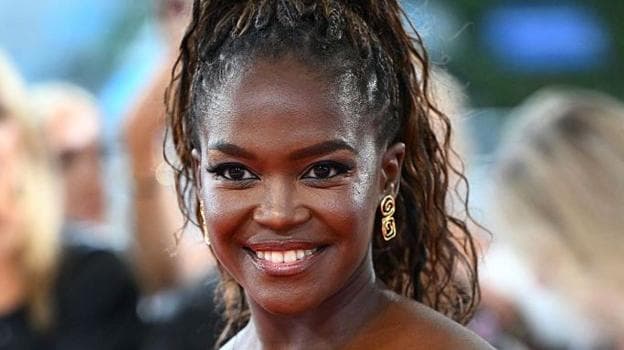
Departments argue that influencer partnerships allow them to communicate with demographics increasingly disconnected from conventional media. The Department for Education's campaigns in 2025/26 involved 57 social media creators working on initiatives supporting career progression for young people, offering parents childcare guidance, and promoting teacher recruitment. The department engaged celebrities including Strictly Come Dancing's Oti Mabuse and reality television personality Billie Shepherd for its Best Start in Life childcare initiative.
HMRC has collaborated with 44 different influencers across multiple campaigns, using what the tax authority describes as "authentic and trusted voices" to deliver accessible information and counter misleading tax guidance circulating on social platforms. The Department for Work and Pensions, which has allocated more than £200,000 since July 2024, has created content helping people transition to Universal Credit and access career support services.
Prof Andrew Chadwick, a political communication specialist at Loughborough University, observed that influencer engagement "chimes with the change of direction since Burnham took over", referring to Prime Minister Andy Burnham's use of his personal following on TikTok and Instagram to communicate directly with voters. Chadwick argued that influencer partnerships can effectively convey information about tax filing or counter health misinformation on social media platforms.
He noted that as younger audiences increasingly abandon traditional media outlets, influencers can function as credible information sources.
"It's taken a while to get to this stage, but I'm surprised in a sense at how little has been spent by these departments,"Chadwick said. However, he cautioned that government collaborations carry risks, as departments exercise less control over adjacent content, potentially damaging credibility.
"The comments are there, they're underneath the post, and you'll get these kind of backlash moments. That undermines the purpose of the original campaign."
How much has each department spent?
The Department for Education's expenditure breaks down as £119,300 in 2024/25, £589,671 in 2025/26, and £10,000 in the current financial year to date. The Department for Transport has spent £302,873.83, the Department for Work and Pensions £212,425, and according to departmental records, the Ministry of Justice £206,140. The Department for Energy Security and Net Zero allocated £176,100, while the Ministry of Housing, Communities and Local Government spent £114,831.95. The Department for Business, Innovation, Science and Trade allocated £39,700.

The Treasury and the Department for Environment, Food and Rural Affairs reported no spending on social media influencers during the period. The Home Office and Foreign Office indicated they do not maintain centralised records of influencer payments.
According to broader analysis of government influencer use, the government has engaged 215 influencers since the start of 2024, with 126 of those partnerships occurring in 2025 alone, demonstrating the accelerating pace of this marketing approach.
What has been the political response?
Conservative shadow Cabinet Office minister Mike Wood criticised the expenditure, stating:
"The government is spending hundreds of thousands of pounds of taxpayers' money on influencers in a feeble attempt to cover for its failures. It is becoming increasingly clear that if Labour want praise, they must pay for it."
The figures, primarily covering the period when Sir Keir Starmer served as prime minister, emerged from parliamentary questions submitted by the Conservatives and were initially reported by the Politics At Sam And Anne's podcast. However, Prime Minister Andy Burnham has continued and expanded the strategy since taking office, posting videos on TikTok of himself running with distance runner Sir Mo Farah and appearing on influencer Max Klymenko's "career ladder" podcast on his first day in the role.
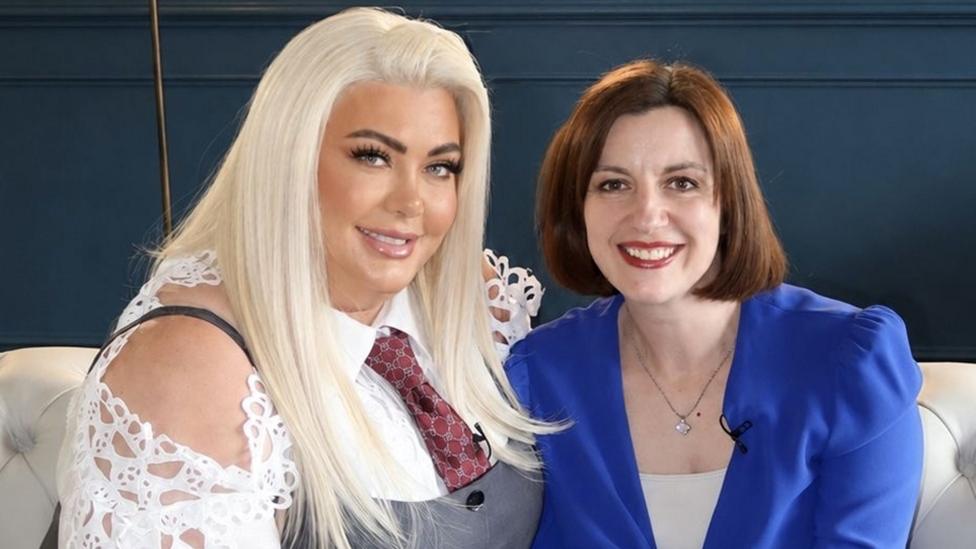
The Department for Education faced significant backlash over its partnership with reality television personality Gemma Collins to promote post-16 education. The department clarified that Collins was not paid for the content. When defending the campaign, then-education secretary Bridget Phillipson argued that Collins could reach audiences politicians could not, suggesting some criticism stemmed from "snobbery".
What safeguards exist for influencer campaigns?
Government guidelines governing influencer marketing have been in place since 2023. Under the government's influencer due diligence policy, departments must evaluate the size and demographic composition of an influencer's audience and assess whether they have previously posted about political matters that could undermine campaign effectiveness. The Department for Education has defended its influencer spending of more than £700,000 over two years by noting that its total marketing budget was approximately £51m in 2024/25, placing influencer work within a broader communications strategy.
Historical context
Previous Conservative administrations have also employed influencers—a category encompassing celebrities, podcasters, bloggers, and social media creators—in government campaigns. Under Prime Minister Rishi Sunak, the Home Office engaged TikTok influencers to discourage people from crossing the English Channel in small boats. Earlier reporting indicated that the government had already spent more than £500,000 on influencers by January 2026, demonstrating that spending levels had been rising before the disclosure of the £2.4m total.
What happens next
Parliamentary written answers from June 2026 indicate that departmental influencer spending figures continue to be finalised and updated. The Department for Education's 2025/26 influencer expenditure was confirmed at £589,671 through parliamentary disclosure, suggesting that additional departmental answers are likely to emerge whenever ministers respond to further written questions on the subject. The Cabinet Office's influencer-marketing spend was reported as £280,068.11 from 4 July 2024 to present, with specific campaign allocations including Warm Homes at £24,000 and the GREAT Campaign's "Greater Together" initiative at £111,216.75.