Central bankers in the United States, United Kingdom and Japan face critical decisions this week as elevated inflation and surging energy costs reshape expectations for monetary policy across three of the world's largest economies.
Policymakers will announce their rate decisions between Wednesday and Friday against a backdrop of renewed geopolitical tensions in the Middle East and volatile global bond markets. The decisions carry particular weight given the divergent pressures each central bank confronts—from political demands for lower rates in Washington to persistent inflation above target in London and deflationary concerns in Tokyo.
Will the Federal Reserve raise rates despite political pressure?
The US Federal Reserve will announce its decision on Wednesday, with particular scrutiny falling on newly appointed chair Kevin Warsh's ability to resist calls from President Donald Trump for rate cuts. Trump has repeatedly demanded lower borrowing costs, posting on Truth Social this month that the United States should have the "LOWEST RATE of any country in the World" and urging Fed governors to "BE PATRIOTS for a change."
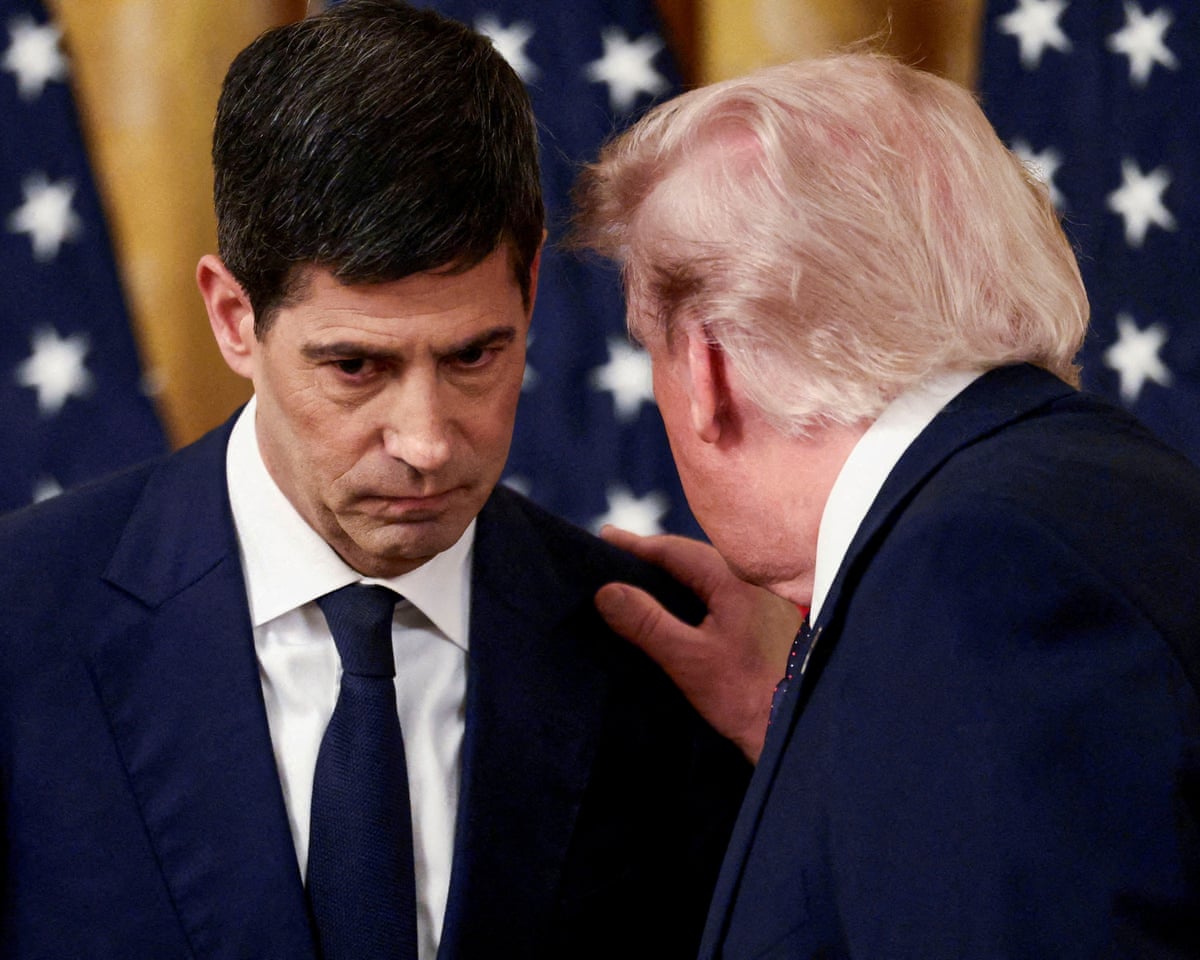
Warsh has previously signalled openness to Trump's demands for monetary easing. However, the Fed's board of governors must weigh these political considerations against mounting inflationary pressures driven by energy markets. Oil prices have climbed sharply following escalating military tensions in the Middle East, with Brent crude surging above $100 a barrel on 10 September as shipping attacks deepened supply concerns. The cost of crude reached $107.63 per barrel, while US crude climbed to $102.48, marking the highest levels since July when regional hostilities had temporarily subsided.
The Strait of Hormuz, a critical chokepoint for global oil supplies, has remained largely closed to tanker traffic as Houthi forces advanced along the Red Sea coast, threatening to disrupt Saudi oil shipments. According to energy analysts, flows through the Strait of Hormuz averaged approximately 4.3 million barrels per day in August, rising to nearly 5 million barrels per day in the first six days of September.
Higher energy costs are expected to push US inflation upward, a concern given that inflation has remained above the Fed's 2% target for more than five years. Data released on Friday showed annual US inflation holding steady at 3.4%. In a recent speech, Warsh stated that without continued progress toward the inflation target, Fed policymakers would have "work to do."
What will the Bank of England decide on rates?
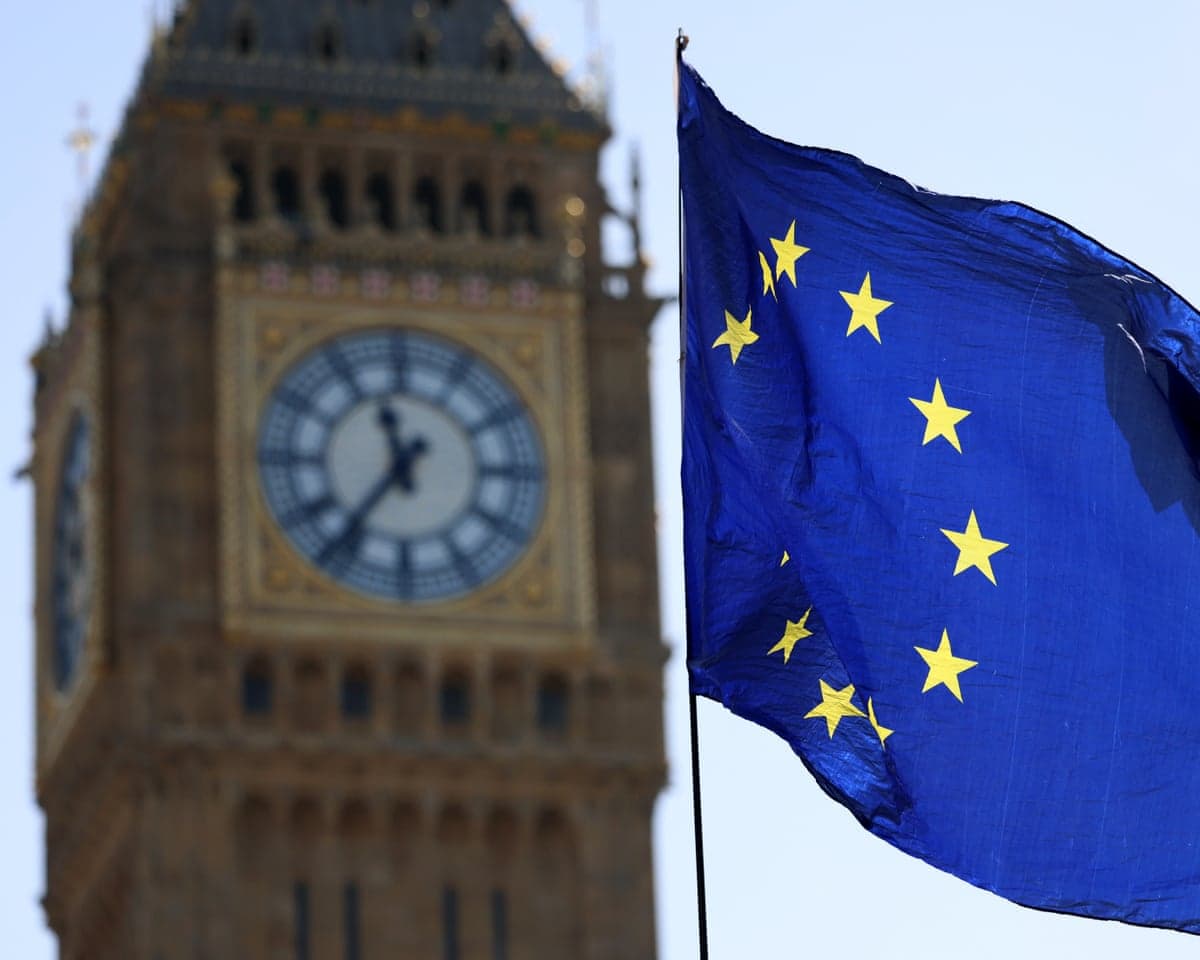
The Bank of England will announce its decision on Thursday, 17 September. Markets and economists are predicting the central bank will hold its benchmark rate at 3.75%, a view supported by polling of 65 economists who all expect no change.
Governor Andrew Bailey has adopted a measured tone regarding above-target inflation in the UK, noting that elevated mortgage rates have already performed some of the work that a rate increase would accomplish without requiring central bank action. However, the decision faces complications from mixed signals within the Bank's monetary policy committee. Three of the nine MPC members voted for a rate rise at the previous meeting, and fresh data on energy prices could intensify inflation concerns.

Thomas Pugh, chief economist at RSM, a consultancy firm, observed that the latest surge in energy prices has "materially increased the chance that the MPC will eventually follow other major central banks and raise rates." Pugh predicted a "hawkish hold" from the Bank when the MPC convenes—a decision to leave rates unchanged while published minutes signal potential future increases.
Financial markets are now pricing in four UK rate rises over the next 12 months, up from three before the recent oil price spike. This shift reflects growing expectations that inflation pressures will eventually force the Bank's hand. Notably, the Bank of England's own survey data showed some improvement in inflation expectations, with year-ahead inflation expectations falling to 3.2% from 4.0%, while two-year expectations dropped to 2.9% from 3.5%. However, the Bank changed its survey provider, complicating interpretation of the decline.
Is the Bank of Japan ready to raise rates?
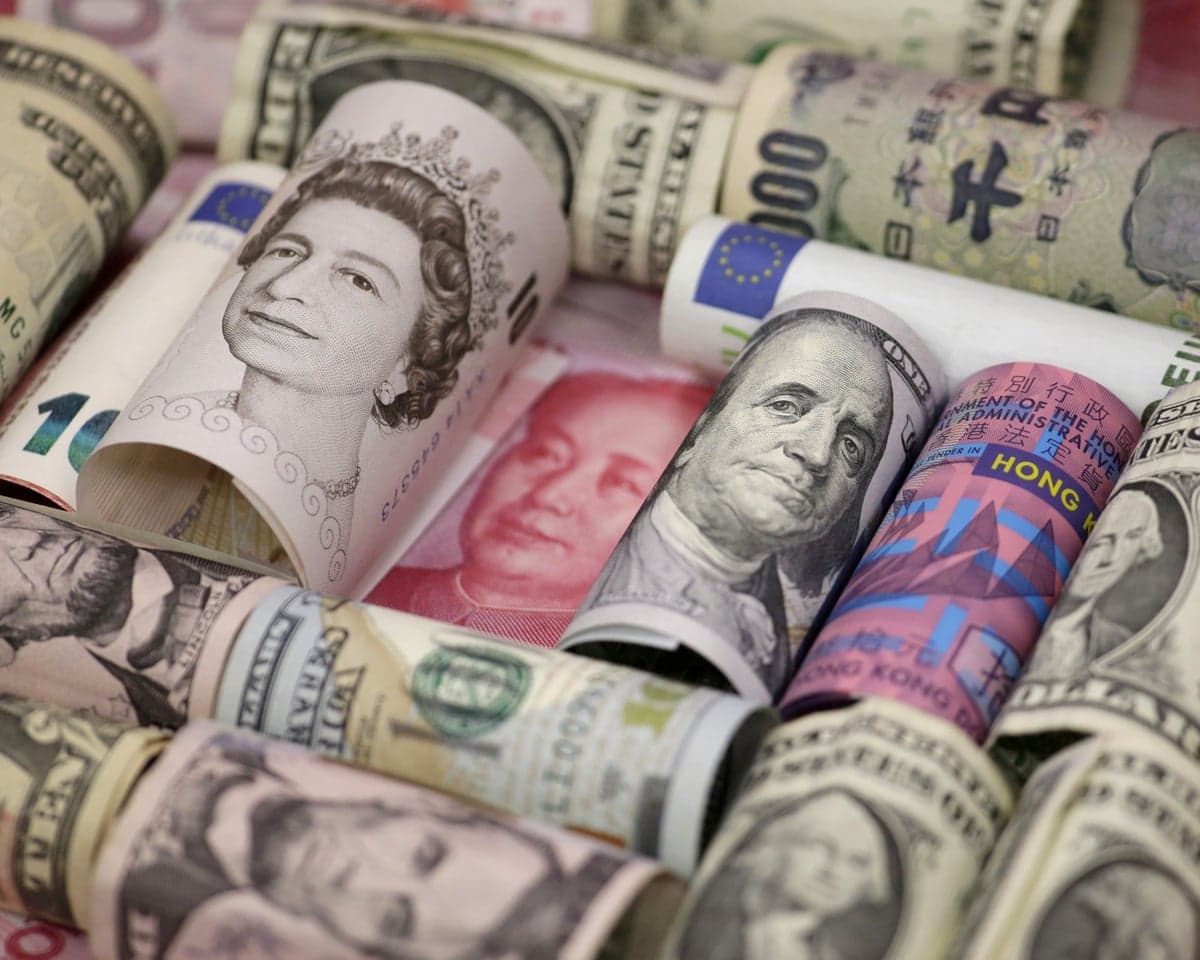
The Bank of Japan will announce its decision on 17-18 September and is widely expected to raise interest rates, a move that would validate the recent recovery of the yen on foreign exchange markets. A quarter-point increase in the BoJ's policy rate to 1.25% would mark the highest level in more than 30 years, since Japan began its long struggle against deflation and falling prices.
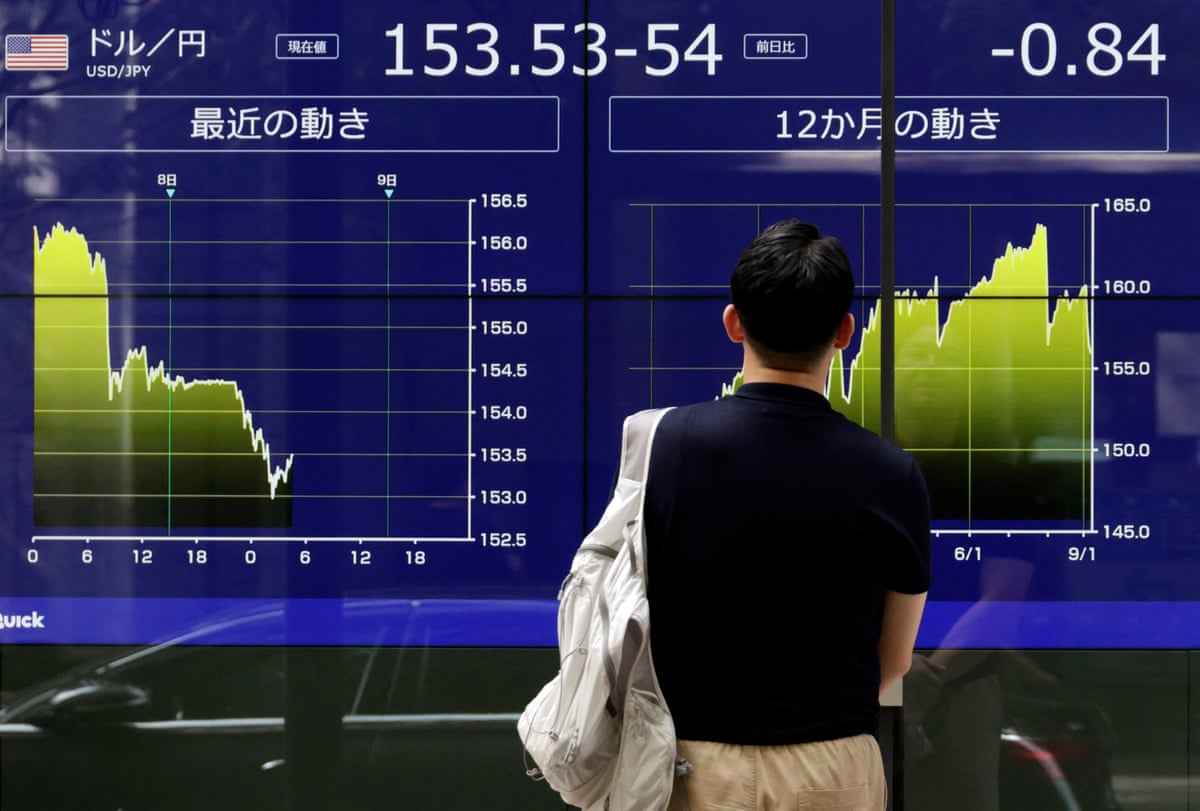
The BoJ has been signalling tighter monetary policy in recent weeks. According to reports, Governor Kazuo Ueda said last week the board would debate a September hike as inflation risks heighten, with rate expectations shifting to 1.25% on 17-18 September and analysts polled to see 1.5% by end-March 2027 and 1.75% in the second quarter of 2027.
The US Treasury and Japanese authorities have already coordinated on currency intervention in July, signalling alignment on monetary tightening. Treasury Secretary Scott Bessent made clear his expectations for BoJ rate increases at an event at Southern Methodist University in Texas on Tuesday, stating:
When we intervene with the Japanese yen, I have pretty good insight into what the Bank of Japan is going to do, what Japanese policymakers are going to do. I have asymmetric information. I am the house now. You can bet against me if you want.
How do geopolitical tensions complicate the picture?
The Middle East conflict has emerged as a central factor shaping rate decisions across all three economies. Oil price volatility driven by regional instability threatens to keep inflation elevated, complicating the path toward central bank targets. The European Central Bank, which does not meet this week, has already flagged these concerns. Its president stated:
The conflict in the Middle East continues to generate inflation pressures, and inflation is set to remain well above target for an extended period.
This assessment underscores the challenge facing policymakers globally: energy-driven inflation may prove sticky and difficult to control through interest rate policy alone, yet allowing inflation expectations to become unanchored could require more aggressive tightening than current market pricing suggests.
What happens next?
The Federal Reserve will announce its decision on Wednesday, followed by the Bank of England on Thursday, 17 September, and the Bank of Japan on 17-18 September. The BoJ is expected to provide few clues about its longer-term rate path when it meets, leaving markets to interpret future policy direction from economic data and official communications in the weeks ahead.
The decisions this week will set the tone for monetary policy through the remainder of 2026 and into 2027, with particular attention to whether central banks can navigate the competing pressures of inflation control, political pressure, and financial stability in an environment of elevated geopolitical risk.