An old adage attributed to Geoffrey Chaucer holds that "there is nothing new under the sun" – a principle that rings particularly true in the wine world, where established viticultural methods regularly resurface as trendy innovations for contemporary consumers. Orange wine, wine sold in kegs, and chilled red varieties have all experienced recent revivals. In 2026, cloudy wine has joined this list, marked by the arrival of Marks & Spencer's organic rosé Trouble, a peachy-opaque offering whose name carries a playful double meaning in French.
Trouble represents a significant milestone: it is the first cloudy still wine to be stocked by a major British supermarket. According to reporting on the launch, demand for the wine has been so strong that supplies have struggled to keep pace, with an M&S wine buyer indicating the product might return to shelves the following week. The 2025 vintage is made in France from 80% Syrah and 20% Grenache, delivering 12.5% alcohol by volume.
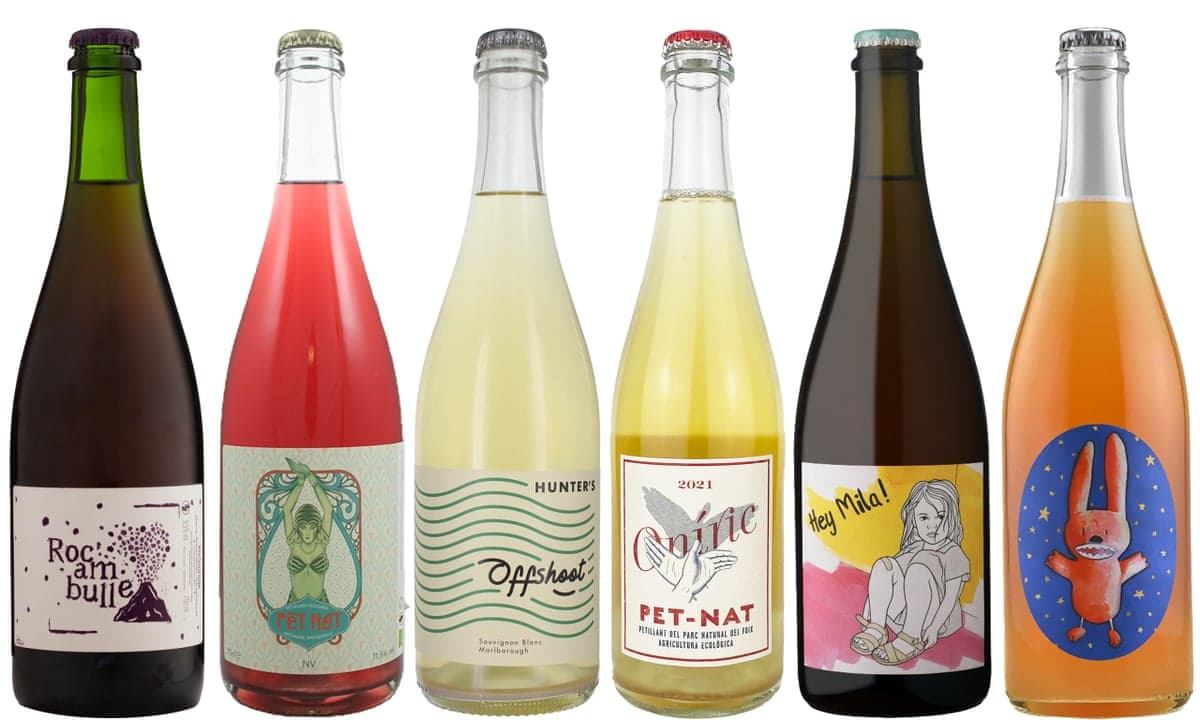
The rise of cloudy wines has followed naturally from the earlier surge in popularity of pétillant naturel – commonly abbreviated as pét nat – a sparkling wine made using an ancestral method that involves bottling before fermentation is complete. Pét nats typically remain undisgorged, meaning the dead yeast cells left behind by fermentation are not removed, creating their characteristic hazy appearance. These wines tend to be fresh and tangy, making them ideal for warm weather consumption, though their bright acidity and lack of prosecco's sometimes divisive sweetness make them equally suited to casual autumn gatherings like pizza takeaways. A related style worth exploring is col fondo, a rustic, undisgorged bottle-fermented prosecco that offers a hazy, lively and bracing alternative to the nation's most popular sparkling wine.
Retailers have quickly capitalised on this trend. M&S has expanded its offering beyond Trouble to include an exclusive Pét-Nat Brut launched on 14 May 2026, made from four grape varieties grown at Heppington Vineyard near the Kent Downs. Tesco stocks a pét nat chardonnay from Argentina's Alma 4 Phos range. Meanwhile, Waitrose carries several unfiltered wines from major producers, though it does not currently feature any explicitly marketed as cloudy.
What is the difference between cloudy and unfiltered wine?
In conventional winemaking, the term "clarification" encompasses several processes designed to achieve crystal-clear wines. Fining involves adding an agent that binds haze-forming particles – such as proteins and tannins – causing them to clump together and settle to the bottom of the vessel. Filtration, by contrast, physically removes suspended particles from the liquid. However, clarity and filtration are not synonymous: wines can be clarified through methods like racking or settling, which involve neither fining nor filtering. Trouble appears to have been clarified through settling, as it contains no visible sediment. Conversely, an unfiltered wine can still be perfectly clear if the winemaker has allowed sufficient time for particles to settle naturally. This distinction means that "cloudy" and "unfiltered" are not interchangeable terms, though they often overlap in practice.
Why are winemakers choosing to leave wines cloudy?
Proponents of cloudy and unfiltered wines argue they offer sensory qualities absent from heavily processed alternatives. Zainab Majerikova, head of wine for the Ottolenghi group – where all three house wines are unfiltered and cloudy natural varieties – describes the appeal in textural terms. "There's texture, there's fleshiness, there's rounded fruit," she explains. "We think this makes them more moreish and a better fit for food with big, complex flavours."
Extended contact with lees – the dead yeast cells that settle during fermentation – appears to contribute a distinctive quality to these wines. Many drinkers report a subtle crunchiness or food-like character that emerges from prolonged lees contact, lending the wine greater weight and presence on the palate. To experience the full effect of a cloudy wine's flavours, Majerikova recommends shaking the bottle before opening to redistribute the sediment throughout the liquid. Regardless of whether sediment is mixed in, she contends that cloudiness "brings soul, vibrancy and complexity" to wine, restoring an element of old-fashioned authenticity to the drinking experience.
Who is behind the cloudy wine movement?
The Trouble rosé is produced by Gérard Bertrand, a winemaker with an unusual background: he was a professional rugby player before transitioning to winemaking. His entry into the British supermarket market with a cloudy wine signals the growing mainstream acceptance of styles that were once confined to natural wine specialists and independent retailers.
Four cloudy wines worth trying
Trouble Cloudy Organic Rosé (12.5% ABV). A slightly savoury, highly drinkable interpretation of a southern French rosé – ideal for an Indian summer or casual entertaining.
Alma 4 Phos Pét Nat (12.5% ABV). This food-versatile Argentinian chardonnay from the Uco Valley is lightly sparkling and textural, pairing well with a wide range of dishes.
Alella "La Rumbera" 2022 (11% ABV). A serious unfined and unfiltered skin-contact wine from a celebrated Catalonian winemaker, offering depth and complexity.
Ottolenghi House Red (10% ABV). This subtly cloudy pinot blend serves as Ottolenghi's signature house red – a wine with an almost crunchy texture that rewards food pairing.
Key Facts
- Trouble is the first cloudy still wine stocked by a major British supermarket, made from 80% Syrah and 20% Grenache in the 2025 vintage
- Pétillant naturel (pét nat) wines are made using an ancestral sparkling method that leaves them undisgorged and naturally hazy
- Cloudiness and lack of filtration are distinct from one another – a wine can be cloudy yet clarified, or unfiltered yet clear
- Extended contact with lees (dead yeast cells) contributes texture, fleshiness and complexity that appeals to food-focused drinkers
- Major retailers including M&S, Tesco and Waitrose now stock cloudy or unfiltered wines as consumer interest in natural and minimal-intervention styles grows