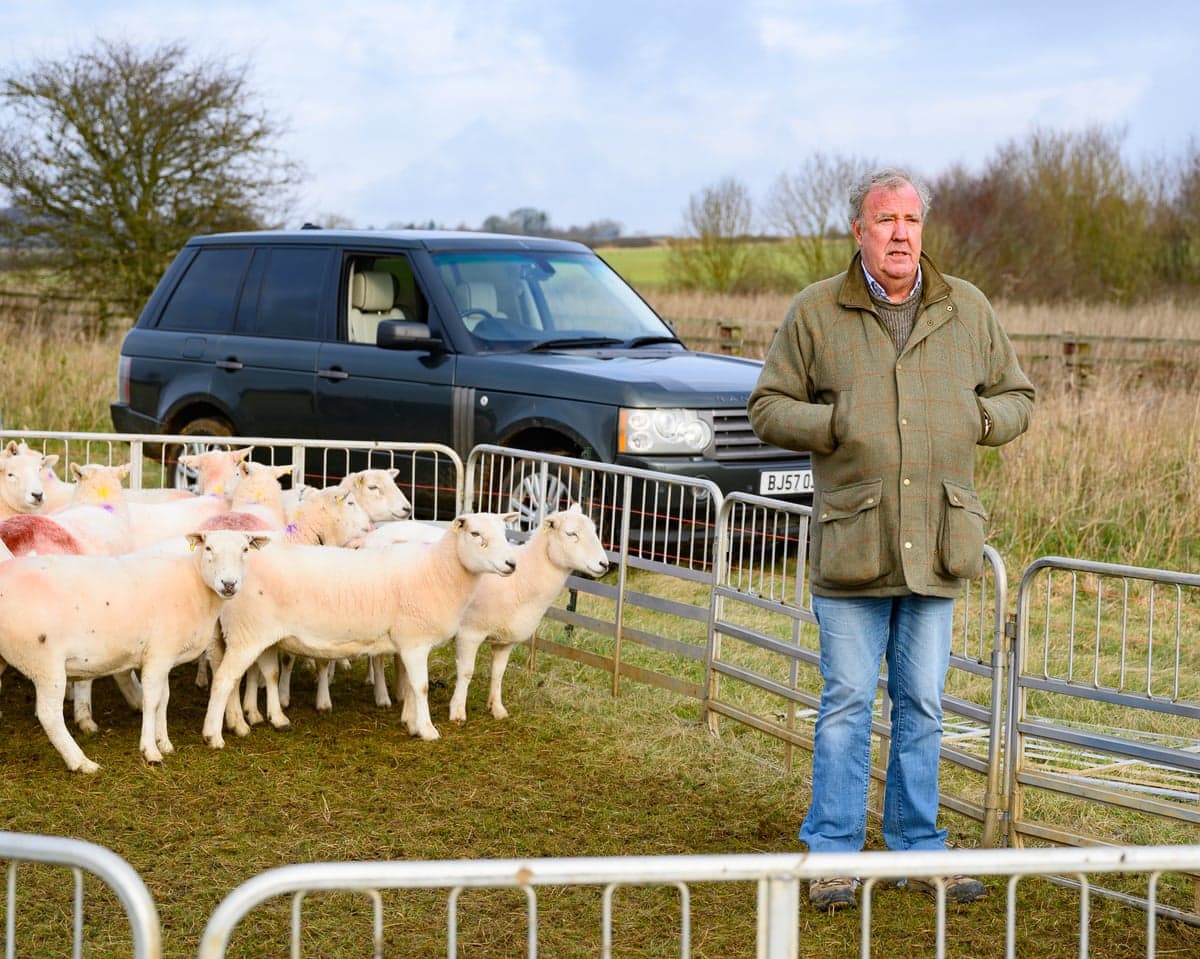
Jeremy Clarkson has urged Britain's major broadcasters to unite into a consolidated streaming service he calls "Britflix" to withstand mounting pressure from global streaming giants and digital platforms. The 66-year-old television presenter made the case during an appearance at the RTS London convention, warning that the fragmented state of the UK broadcasting industry leaves it vulnerable to competition and unable to retain top creative talent.
Speaking after wrapping production on the sixth season of his Amazon Prime series Clarkson's Farm, Clarkson described a sector in crisis. He highlighted the plight of crew members and producers struggling to find employment as traditional broadcasters reduce output and budgets shrink.
"There's 35, 40 people on the [Clarkson's Farm] crew who are now sitting at home thinking, 'how are we going to pay our mortgage?' There's very little work for producers and crew out there,"he said.
Clarkson outlined an ambitious vision for industry consolidation that would bring together the BBC, ITV, Sky, and Channel 5 under a single banner.
"I actually think that television in this country can only survive – and should do this – [if] the whole lot merge,"he explained.
"If we had one great big Britflix, let's call it, where you could all come together and actually make properly good … but bigger, fewer, better programmes."
The proposal reflects broader anxieties within the television industry about its long-term viability. Britain's public service broadcasters face an existential crisis as US streaming giants and tech companies drain advertising revenue and audience share, forcing deep job cuts and fundamental restructuring across the sector.
What consolidation has already happened?
The industry has already begun moving in the direction Clarkson advocates. Sky's takeover of ITV ended 70 years of independence, creating the UK's biggest commercial broadcaster through a £1.6bn deal completed earlier this year. In the United States, a proposed $81bn merger between two major media companies signals similar consolidation trends globally.
At the same RTS convention where Clarkson spoke, Sony Pictures Television executive Wayne Garvie argued that should become the BBC's commercial arm, saying it was difficult to see how could survive in its current form. This reflects growing consensus among industry figures that the current structure is unsustainable.
Why are broadcasters rejecting mergers?
Despite the mounting case for consolidation, both the BBC and have repeatedly rejected formal merger proposals. However, their positions appear to be softening. 's chief executive Priya Dogra indicated openness to closer cooperation, particularly regarding content distribution.
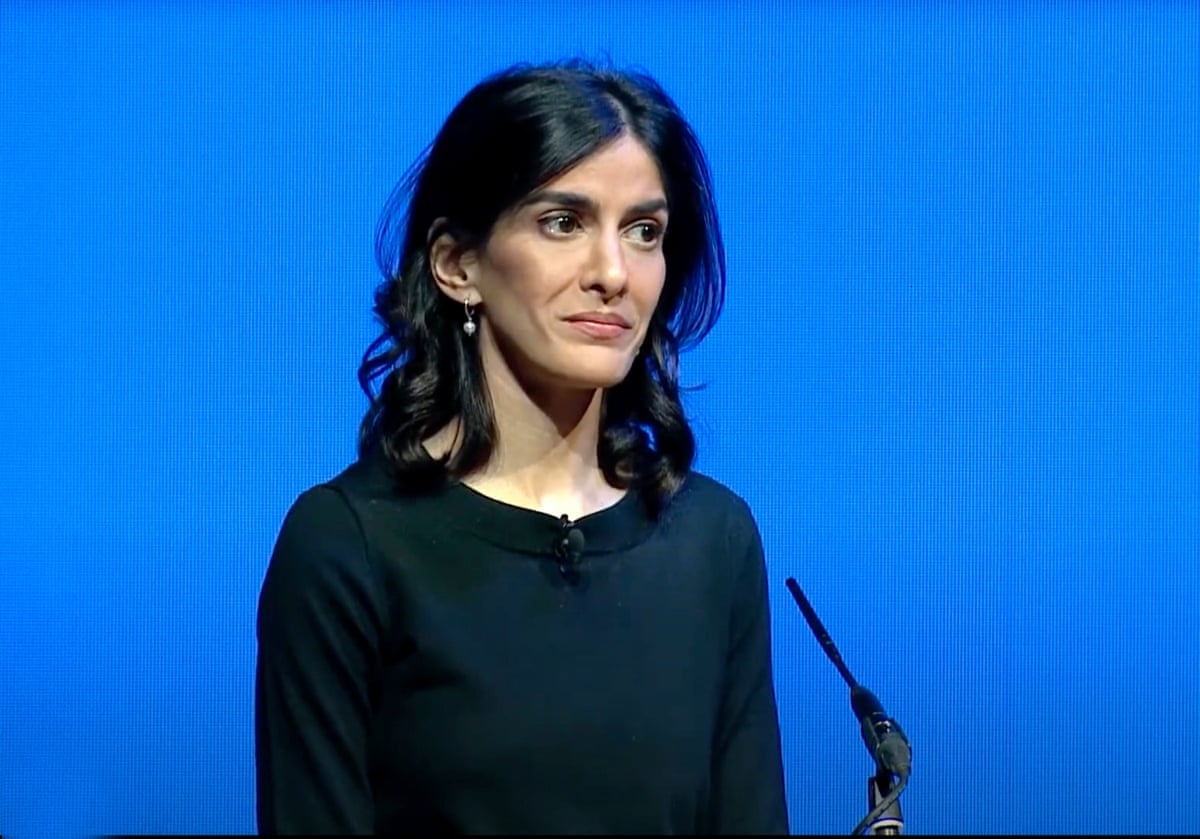
When asked about moving content onto the BBC's platform, Dogra responded positively.
"I don't see why not,"she said, before outlining practical considerations.
"There's lots of considerations because content is monetised by advertising, so has to accommodate that. But the idea of having a platform that's British-owned, that showcases public service broadcasting content, particularly content that's made without profit motive, I think is important."

This development suggests that while formal mergers remain politically contentious, operational integration between broadcasters may proceed incrementally. has announced significant cost-cutting measures, reducing its workforce by more than a quarter, making partnership arrangements increasingly attractive.
What does Clarkson propose for news and current affairs?
Clarkson's consolidation proposal includes a significant caveat: he believes should remain separate and continue to be funded through the television licence fee. This reflects the unique role of news as a public service distinct from entertainment programming, and acknowledges the political sensitivity surrounding news funding in Britain.
What comes after Clarkson's Farm?
Clarkson indicated that his next project remains at the conceptual stage. Clarkson's next project was still at the ideas stage; he gave no specifics about the "unbelievably ambitious" show he hopes could follow Clarkson's Farm. He acknowledged the challenge facing any new television venture in an increasingly crowded media landscape.
"We're currently thinking about what we do after Clarkson's Farm, and it's going to have to be something bigger to stand out, to protect us from this onslaught from [social media content] underneath,"he said.
"It has to be unbelievably ambitious. It's very difficult to make a television show work unless you're cooking on the moon or doing something incredible, and that's where I think television has to get bigger."
Despite his work with Amazon, one of the world's largest streaming platforms, Clarkson suggested that even major streamers must continually escalate production ambition to compete with the endless supply of content from social media creators and smaller digital platforms. This reflects a fundamental shift in how audiences consume entertainment, with traditional television increasingly competing for attention against fragmented digital alternatives.
What is the broader context for this debate?
Clarkson's intervention comes as the broadcasting industry confronts multiple pressures simultaneously. BBC director general Matt Brittin has warned that financial pressures and changing audience habits may force closures of television channels and radio stations as the corporation pursues £500m in savings and redirects resources to on-demand services.
The RTS London convention, themed "United in Change: If Not Now, When?", provided a platform for industry figures to debate consolidation openly. RTS leadership has pointed to recent deals—including the Banijay–All3Media merger, the Sky–ITV transaction, and a roughly £300m –Five advertising agreement—as evidence that structural change is already underway, even if formal mergers remain politically difficult.
When will Clarkson's Farm season six arrive?
Clarkson confirmed that filming on season six wrapped the previous day, with the season expected to arrive on Prime Video in summer 2027. The future of the series beyond season six remains uncertain, with Clarkson asking rhetorically, "What are we going to do?" but not ruling out a potential renewal.
Key Facts
- Clarkson proposes merging the BBC, ITV, Sky, and Channel 5 into a single "Britflix" platform to compete with global streamers
- Sky's £1.6bn acquisition of ITV earlier this year created the UK's largest commercial broadcaster, signalling industry consolidation is already underway
- 's chief executive indicated openness to hosting content on the BBC's platform, suggesting operational integration may proceed even without formal mergers
- Clarkson warned that senior producers and crew are leaving the industry due to lack of work, as broadcasters reduce output and budgets
- Clarkson's Farm season six is expected on Prime Video in summer 2027, with the future of the series beyond that point uncertain