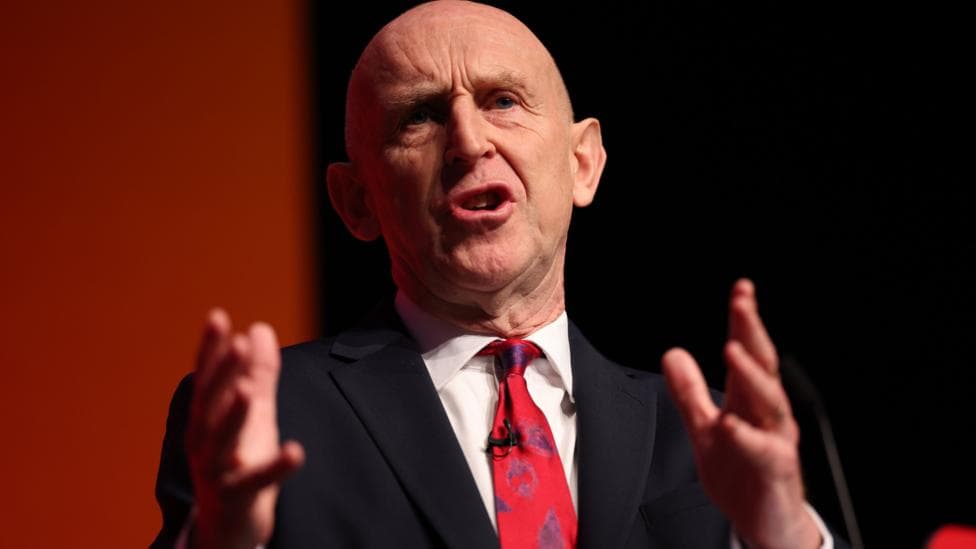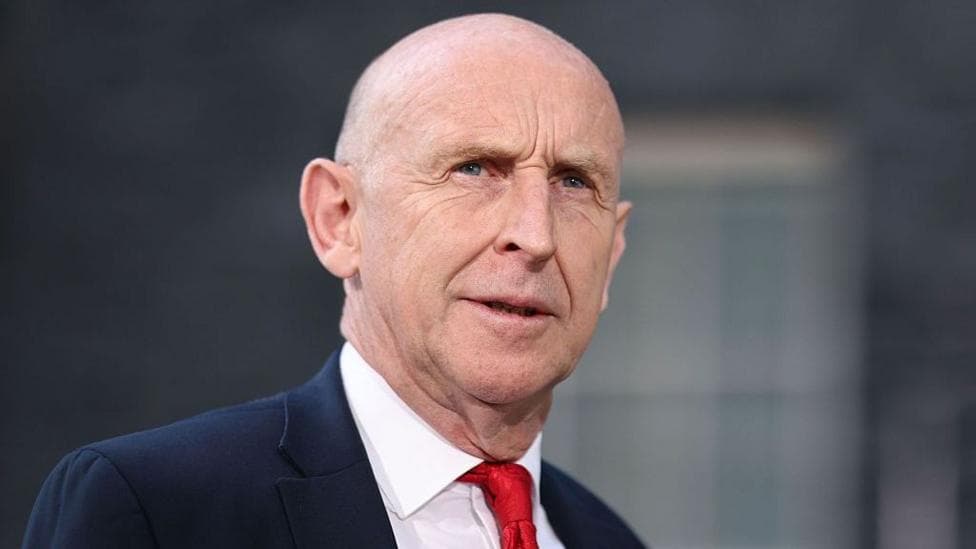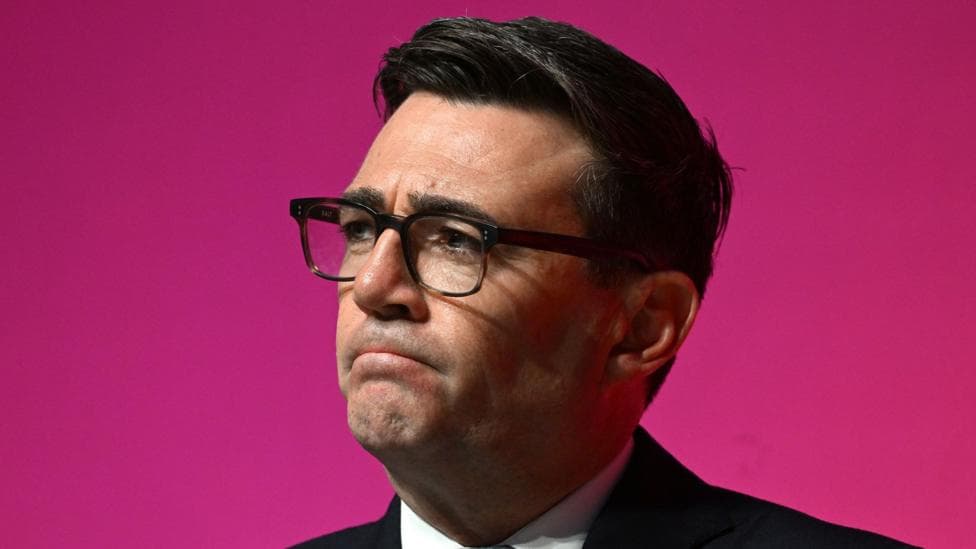
Prime Minister Andy Burnham was set to announce the creation of a new state-owned electricity network company at the Labour Party conference in Liverpool on 28 September 2026. The publicly owned entity, branded Great British Grid, aims to accelerate grid connections and reduce energy costs across Britain by introducing competition into connection projects currently managed by three private companies.
According to , the initiative forms part of a wider strategy to expand government involvement in electricity network infrastructure and renewable energy connections. Burnham positioned the announcement as a cornerstone of his ambition to deliver greater public control of utilities, a theme he emphasised during his campaign for the party leadership over the summer.
The prime minister intended to frame faster grid connections as essential to addressing what he described as a "cost crisis" in energy that has become "crippling for businesses". He planned to set this proposal within a broader ten-year goal to align UK energy prices with those in other European nations, according to reporting.
How will Great British Grid operate?
Great British Grid will function as the first publicly owned player in electricity networks since privatisation, marking a significant structural shift in Britain's energy infrastructure. The body will invest in and compete for transmission connection projects alongside the three existing private network operators that currently own and manage the grid.
Labour indicated that the new company would also simplify the process for firms awaiting grid connections to finance their own connection infrastructure. Great British Grid would support these efforts and potentially co-invest in projects where appropriate, creating a hybrid model combining public and private investment.
Funding for the initiative will be drawn from the existing budget of Great British Energy, the public green investment company established by Labour in 2025 and now based in Aberdeen. According to reporting on the announcement, the body could access a £4 billion allocation already assigned to Great British Energy, though not all of this funding is expected to be deployed immediately.
Why does Britain's grid need investment?
The shift from centralised fossil fuel power stations to distributed renewable energy sources, particularly offshore windfarms located in remote areas, requires substantial upgrades to Britain's ageing transmission infrastructure. Energy regulator Ofgem has determined that £70 billion of investment will be necessary between 2025 and 2031, representing a fourfold increase from current investment levels.
However, the National Audit Office cautioned in a report released earlier in September that the backlog of projects awaiting grid connections has grown substantially, while delays affecting existing projects have also intensified. These bottlenecks threaten to slow the deployment of renewable energy capacity and delay economic benefits to businesses seeking to connect to the network.

What did Burnham say about the plan?
In his conference address, Burnham was expected to declare that Great British Grid would
work with the private sector and network companies to reform a broken energy market. It will increase competition to drive down costs and speed up delivery so businesses can connect faster and grow quicker. This is what more public control can do.
The announcement reflected Burnham's broader reindustrialisation agenda, with the grid body designed to help reduce costs and support industrial expansion across the country.
What else did the speech cover?
Burnham signalled his intention to deliver an "honest conversation" with voters about challenging policy decisions, while maintaining an overarching message of "hope" as the theme of the four-day conference gathering. He indicated that he had initially considered delivering a conventional party conference address but felt that "the patriot in me tells me something very different is needed".
The speech was also scheduled to include detailed proposals for funding a new NHS-style social care system for England, which Burnham had announced the previous weekend. He has stated his intention to present these plans to voters at the next general election, which must legally occur by August 2029 at the latest, with implementation of the new system targeted to begin in 2030.
What about the pension triple lock?
Speculation has mounted that Burnham may use the Budget, scheduled for late October 2026, to signal a willingness to review the "triple lock" uprating mechanism for state pensions. Under this policy, pension payments increase annually by whichever is highest: 2.5 percent, inflation, or average wage growth. The mechanism is projected to add billions to pension costs in future years as Britain's population ages.
On 27 September 2026, Chancellor John Healey declined to guarantee that the triple lock commitment, which has appeared in every Labour manifesto since 2015, would be retained in the party's next election platform. When asked by a broadcaster whether the pledge would feature in the upcoming manifesto, Healey responded:
The manifesto will be the manifesto at the time, I'm not going to do that now.
The chancellor's non-committal stance suggested that difficult decisions about pension policy may lie ahead as the government seeks to balance fiscal constraints with its social care ambitions.
What happens next?
Burnham's Labour conference speech on 28 September 2026 was expected to provide the formal launch of Great British Grid and set out the government's detailed approach to accelerating grid connections. The Budget in late October will reveal how the government intends to fund its social care commitments and may signal policy direction on pensions and other welfare spending.

The government has already demonstrated its commitment to public energy investment through Great British Energy, which committed up to £1 billion to local power projects as part of a community energy programme published in September 2026. Support for greater public control of utilities has extended beyond government, with trade unions representing energy workers welcoming the direction of policy.