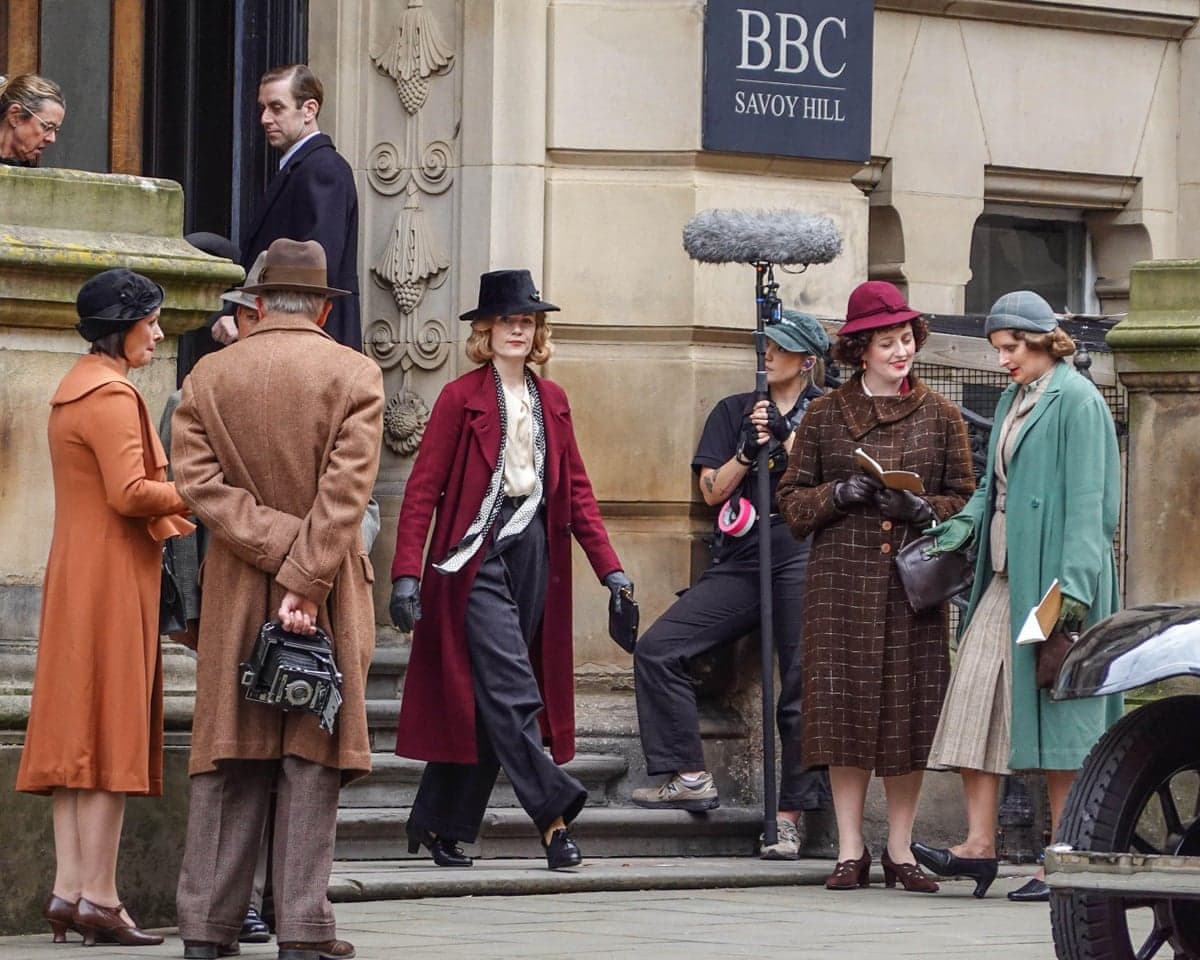
Britain's biggest television networks are fighting for survival as American tech companies and streaming services drain advertising revenue and audience share, forcing deep job cuts and a fundamental rethinking of how public service broadcasting can compete.
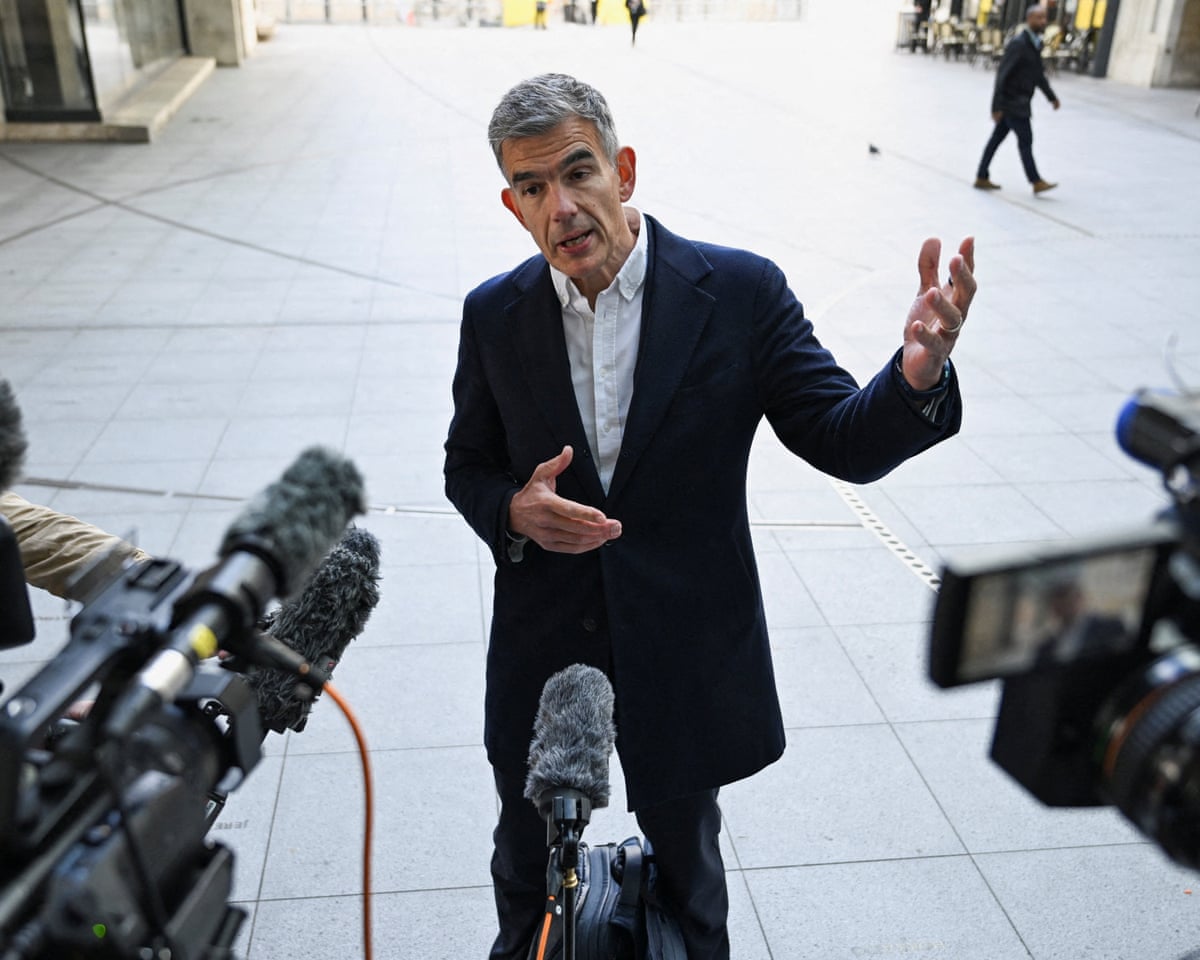
The crisis has intensified dramatically over the summer. announced it will eliminate 340 jobs by the end of 2026, representing roughly 28% of its workforce and the largest redundancy round in the broadcaster's 43-year history. The BBC's new director general Matt Brittin, a former senior Google executive, is negotiating a comprehensive overhaul of the licence fee funding model with government to secure the corporation's long-term future. ITV chief executive Carolyn McCall has acknowledged that consolidation may be the only path to survival against Netflix, Disney+ and Amazon.
One television staff member facing redundancy captured the mood of desperation:
"I wouldn't be surprised if the BBC disappeared. My generation grew up with Netflix and YouTube. Honestly, I feel like it is a losing battle."
The three main public service broadcasters—the BBC, and ITV—are being outgunned by rivals with vastly superior financial firepower. Netflix alone has a content budget of $20 billion this year and commands a larger share of UK television and streaming viewing than ITV, Sky, or Channel 5. YouTube is approaching the BBC as Britain's most popular viewing platform by the same measure.
Sir Peter Bazalgette, former chair of a major cultural institution and board member of the culture department, said the challenge extends far beyond Britain.
"What is happening is not unique to the UK, it is all across Europe and beyond, it relates to 'local' broadcasting operations. I cannot see a future Europe where there are four or five domestic broadcasters in each country with viable financial models."
How are US tech giants reshaping the advertising market?
Silicon Valley companies including Google, Meta and major streaming platforms have deployed billions to dominate digital advertising and viewing. According to eMarketer forecasts, these companies are projected to capture almost $50 billion (£38 billion) in UK advertising revenue by 2028—two-thirds of the $74 billion total market—at which point 90% of all advertising spending will be digital.
This expansion leaves commercial public service broadcasters competing for a shrinking pool of traditional television advertising. WPP Media forecasts that the traditional TV advertising market will shrink to just £2.4 billion by 2031, a decline of 60% from 2015 levels.
Why is the BBC's financial position so precarious?
The BBC's publicly funded model is under severe strain. The corporation's licence fee revenue has fallen 24% in real terms since the start of the current Charter, squeezed by a combination of fee freezes, below-inflation increases and rising non-payment.
The BBC has lost 2.7 million licence fee payers since the start of the decade. Last year alone it lost a further 400,000 contributors, bringing the total to 23.3 million—the lowest level since 1999. The licence fee rose from £174.50 to £180 on 1 April 2026, with another inflation-linked increase scheduled for April 2027.
Brittin has described the current funding model as a
"busted flush"and
"insufficient to sustain a universal public service."According to internal documents, extra funding obligations—including the over-75s concession policy and "top slicing" for other government priorities—have reduced available income by an additional £336 million.
What scale of job losses are planned across the sector?
The redundancies announced this summer represent a watershed moment for British broadcasting. 's 340 job cuts are the most visible, but the BBC is pursuing even deeper restructuring. Press Gazette reports that the BBC has told staff it plans to cut approximately 2,000 jobs—around one in ten employees—as part of a £600 million cost-cutting programme over three years. Staff have rejected a 2.1% pay offer, and Brittin has warned that the corporation's financial position leaves no room for compromise, with the prospect of industrial action looming.
A senior executive at a leading television production company described the emerging landscape:
"If you think about the shrinking money and budgets I feel we are heading toward a two-tier system. It is great that the big US corporates like Netflix, Amazon and Disney have these mega-budgets and do produce great British shows like Adolescence, Black Doves and Slow Horses but they are becoming in a class of their own. My fear is we end up with a system where the UK public service broadcasters will diminish to such an extent, while facing such big budgets wielded by rivals, they will become a bit like a cottage industry."

Can collaboration between British broadcasters offer a solution?
The financial crisis has renewed discussion of whether the UK's public service broadcasters should merge or form deeper partnerships to achieve the scale needed to compete globally. A source at said:
" has always punched above its weight and being a challenger is nothing new. But it was never meant to operate in isolation—it was designed to be part of the creative ecosystem. So partnerships will be a defining feature of the new era. They're a way for the channel to compete on reach and scale while maintaining its independence."
The broadcasters have a mixed history of collaboration. Notable successes include the development of Freeview, but they have failed to create a unified streaming platform as viewing migrates away from traditional linear television. Earlier this year, ITV chief executive Carolyn McCall expressed frustration that talks to establish a British streaming champion comprising the original three public service broadcasters had collapsed.
However, a new wave of collaboration is emerging as the scale of the crisis becomes undeniable, aided by a change in senior leadership. Brittin has stated that the BBC is in talks with other broadcasters, having told MPs that the commercially funded public service broadcasters look
"very subscale"given that ITV and Sky are merging.
This week, made a significant move to address scale by securing a deal to sell television and digital advertising for Paramount UK properties—including Channel 5, Nickelodeon and Comedy Central—from Sky. Although ITV, and Channel 5 now generate a combined £1 billion annually from their respective streaming services, which continue to grow, this expansion is not fast enough to offset lost legacy television revenues in the short term.
Channel 5's president, Reemah Sakaan, said:
"Despite the attention that video sharing platforms receive, public service streaming is the untold success story of the year so far, outpacing viewing growth to YouTube and subscription video-on-demand services. Audiences and advertisers alike still want trusted, relevant and distinctly British content, and they are choosing our platforms as go-to destinations."
What happened to previous attempts at British streaming unity?
The broadcasters recognised as far back as 2009 that collaboration was necessary to compete effectively, but their first major attempt failed. A joint streaming platform called Project Kangaroo was blocked by regulators. Three years later, Netflix arrived in the UK, marking the beginning of the international streaming era that would ultimately overwhelm domestic competitors.
Bazalgette emphasised what is at stake in the current struggle:
"What is at stake? It is about the criticality of local content, and independent impartial news about our country. Content made for us, by us about us. There are some marvellous programmes [made by the global streamers] but that is not the same as an absolute commitment to sustained investment in local content."
How are broadcasters experimenting with new partnerships?
The BBC has begun working more closely with rivals to reach younger audiences, exemplified by recent deals to distribute content on competing platforms. However, no UK public service broadcaster has yet embraced collaboration as extensively as France's TF1, which has made all its channels available on Netflix.

What do industry insiders predict for the future?
Many television professionals affected by the summer's restructuring express deep pessimism about the sector's prospects. One television executive summarised the mood:
"I would say it is a watershed moment. Our sector of the media industry has peaked, we are definitely in decline. If you are young enough your next job will most likely not be with another broadcaster. It is all about downsizing; it is where your skills and experience might fit into another industry. It is bleak, very bleak."
The broader context of these challenges includes Sky's takeover of ITV, which ended 70 years of independence and raised concerns about job losses and the future of British television amid streaming competition. The BBC's financial struggles have also been documented in detail, with its annual report revealing significant challenges amid declining licence fee revenue and changing media habits.
What happens next for British broadcasting?
The BBC's funding negotiations with government are ongoing ahead of Royal Charter renewal at the end of 2027. 's job reductions are scheduled to be completed by the end of 2026. The licence fee is set to rise again in April 2027 in line with inflation, though whether this will be sufficient to stabilise the corporation remains a central question in the government's funding deliberations.
Brittin has warned that the issue of scale is now more acute than ever, with UK broadcasters risking being
"underweight"as global players dominate content creation and distribution to audiences worldwide.