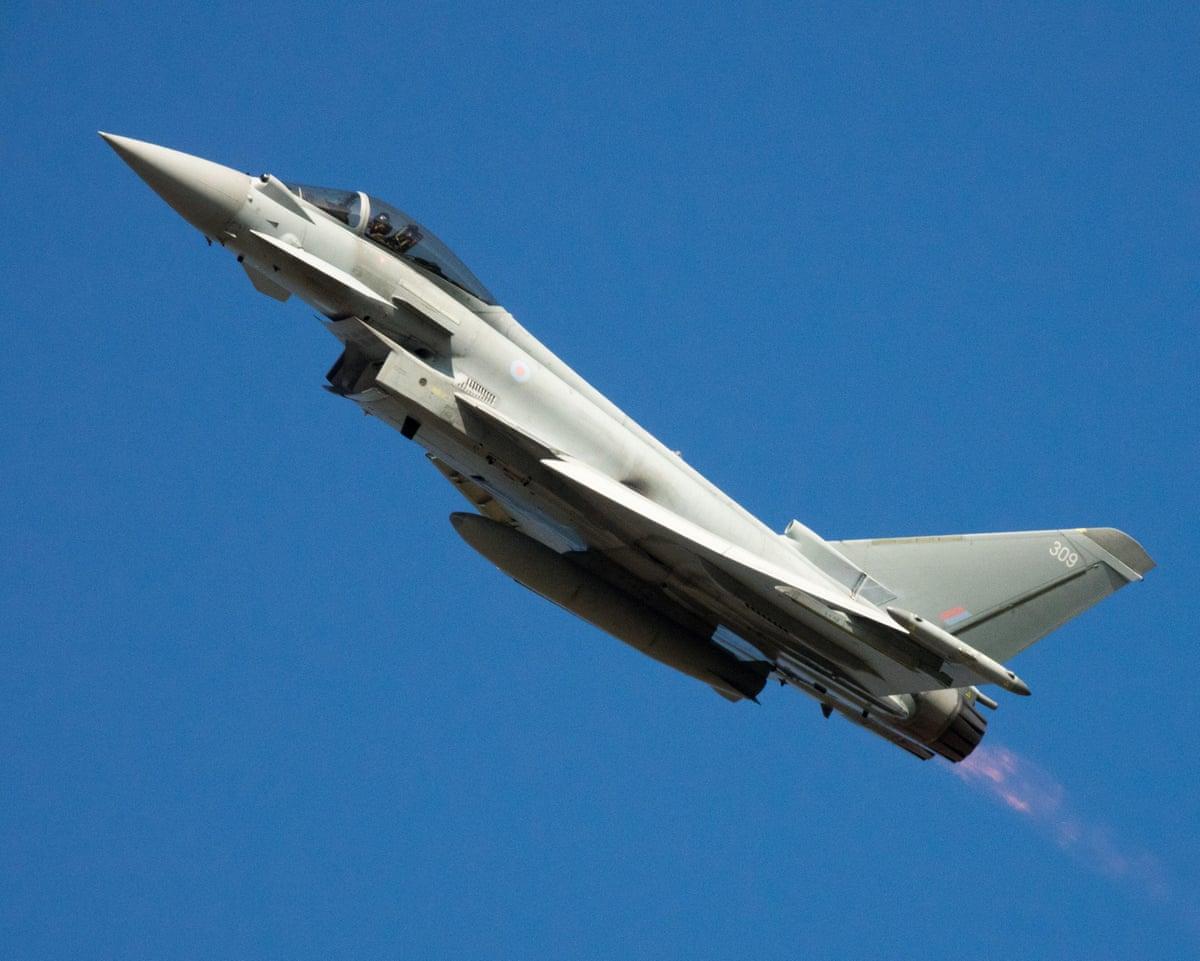
BAE Systems has announced plans to eliminate more than 1,000 positions from its UK workforce, with the reductions focused on head office and air business operations. According to The Guardian, the defence contractor aims to cut 1,070 roles to improve operational speed and efficiency. The move has prompted union leaders and politicians to call for the government to place additional defence orders to sustain employment at the company's manufacturing facilities.
The proposed reductions represent approximately 2% of BAE's 50,000-strong UK workforce and will be achieved through voluntary redundancies. The cuts will spare shop floor workers, aircraft maintenance personnel at RAF bases, and early career trainees. The air business, which employs about 18,500 people, will see roughly 940 roles affected, while approximately 130 positions will be eliminated from the head office in London, with the Lancashire sites of Warton and Samlesbury expected to bear the brunt of the reductions, according to ADS Advance.
A BAE spokesperson characterised the restructuring as part of the company's strategy to strengthen competitiveness and ensure customers receive maximum value from their defence spending.
We recognise that this news may be unsettling for our people and we're focused on achieving potential workforce reductions through a voluntary process,the company stated.
Why is BAE making these cuts now?
The redundancies stem primarily from uncertainty surrounding government defence procurement plans rather than financial distress. Industry sources indicate that delays in publishing a clear route to the government's commitment to spend 3% of GDP on defence by 2030 have created planning difficulties for manufacturers. BAE secured £33 billion in orders during 2026 and expects additional contracts before the end of the year, while also raising its free cashflow guidance by 10%, from approximately £2 billion to £3 billion. The company has also forecast underlying operating profit growth of 10% to 12% for 2026, according to The Independent.
The immediate challenge facing BAE relates to the timeline of existing contracts. Turkey's purchase of 20 Typhoon fighter jets, announced at the Lancashire factory by Prime Minister Keir Starmer, is expected to sustain production for only two years—insufficient to bridge the gap until manufacturing begins on the next-generation Tempest fighter, which BAE will lead in partnership with Italy and Japan.
What are unions and politicians demanding?
Sharon Graham, general secretary of the union Unite, warned that Britain's manufacturing sector faces extinction without decisive government action.
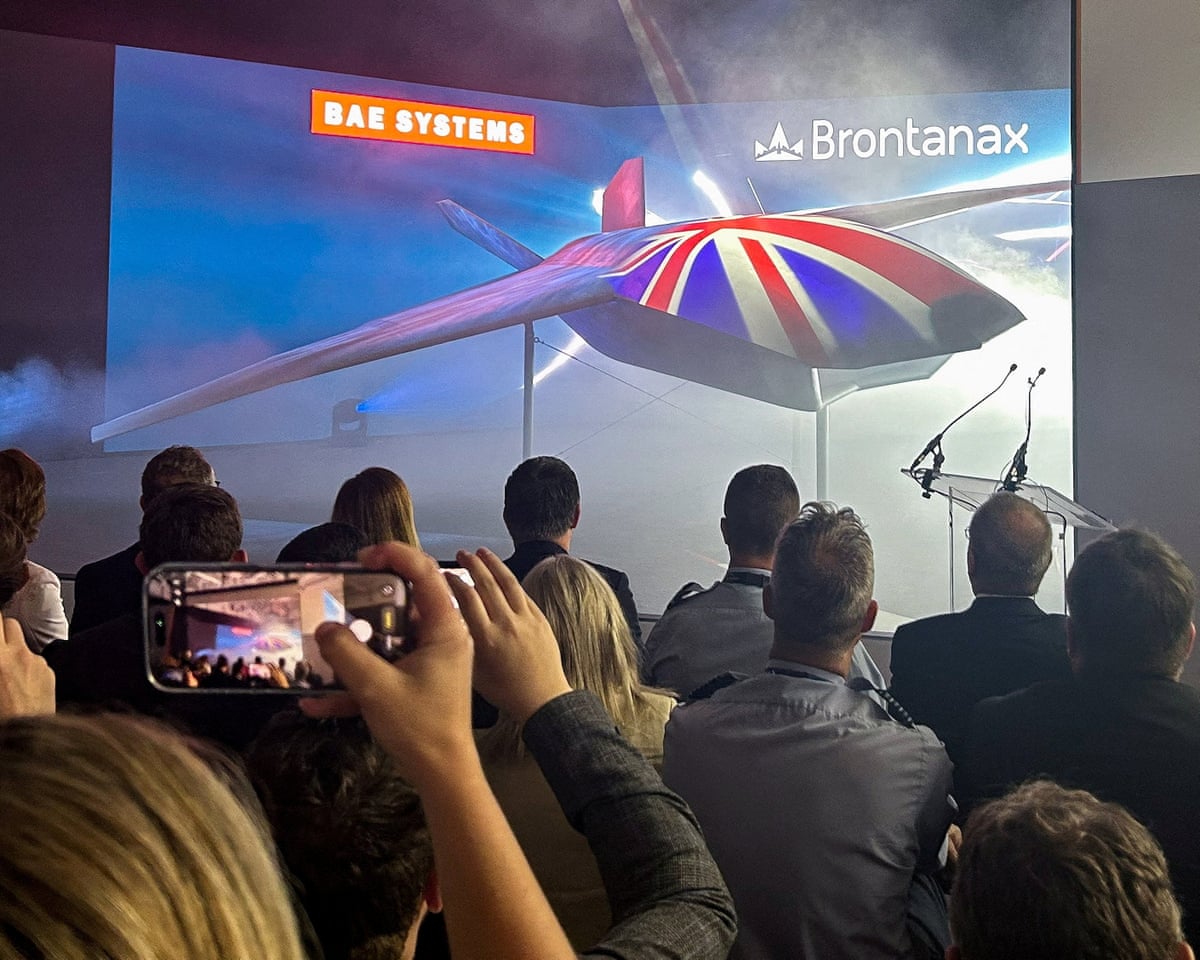
To stop the erosion of defence jobs and get the growth we need, the government needs to announce contracts for British-built Typhoons and Collaborative Combat Aircraft (CCA) immediately,she said. Andrew Snowden, a Conservative MP representing a Lancashire constituency where BAE operates two air manufacturing hubs, echoed this call, telling the Lancashire Post that the government should act immediately to support the company through orders that would provide workers and suppliers with a clear pipeline of work.
The pressure on ministers extends beyond BAE's situation. The government faces a separate decision on replacing the Skynet military satellite system, with American defence contractor Lockheed Martin reportedly the preferred choice. However, ministers have delayed the decision after Unite argued that selecting Lockheed Martin would trigger job losses at rival Airbus's existing UK factories.
What is the government's response?
A Ministry of Defence spokesperson acknowledged the concerns raised by potential redundancies and highlighted recent defence investment. The government has delivered what it describes as the largest boost in defence spending since the Cold War, having committed £4 billion in investments since July. This includes a £708 million contract extension awarding BAE leadership of the Global Combat Air Programme developments and support for the £8 billion Turkey Typhoon contract, which the MoD states sustains 6,000 jobs across two BAE sites.
The redundancy announcement comes amid a broader pattern of cost-cutting across major British employers. Earlier this year, Jaguar Land Rover confirmed 4,000 job cuts as part of a £1.7 billion cost-saving initiative, while British American Tobacco announced plans to eliminate 9,000 positions globally. Royal Mail also moved to cut 2,500 support and head office roles by the end of 2027, representing 2% of its workforce.
What happens next?
BAE will work with unions and employee representatives to manage the voluntary redundancy process and maintain communication with affected staff. The company is expected to complete the consultation phase and begin implementing the restructuring in the coming months, with the voluntary redundancy window providing eligible employees the opportunity to apply for departure packages before any potential compulsory redundancies are considered.