Although the Bank of England is widely expected to maintain its current interest rate stance, financial markets are signalling that borrowing costs will climb substantially over the coming months. As of the previous evening, investors were positioning for four successive quarter-point rate rises by the end of 2027, which would push Bank rate from its current 3.75% to 4.75%.
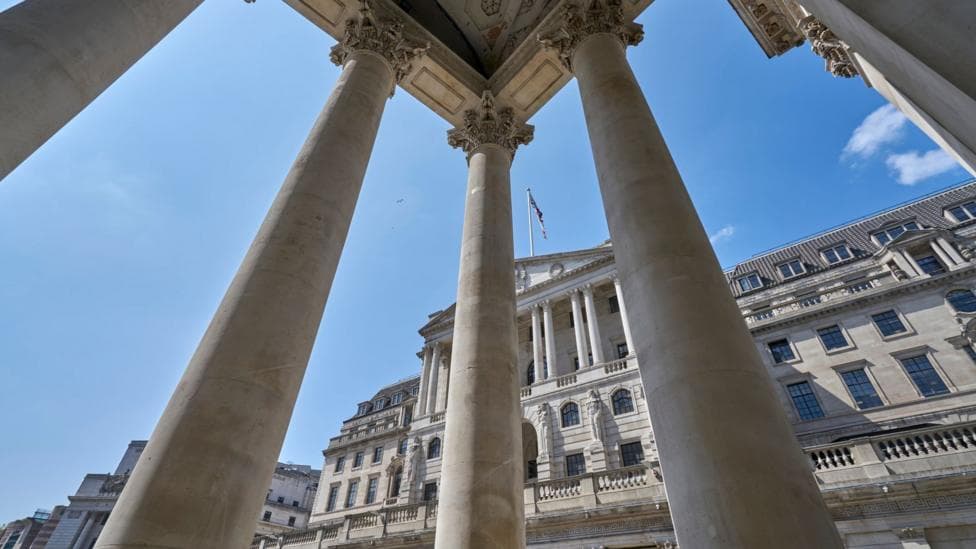
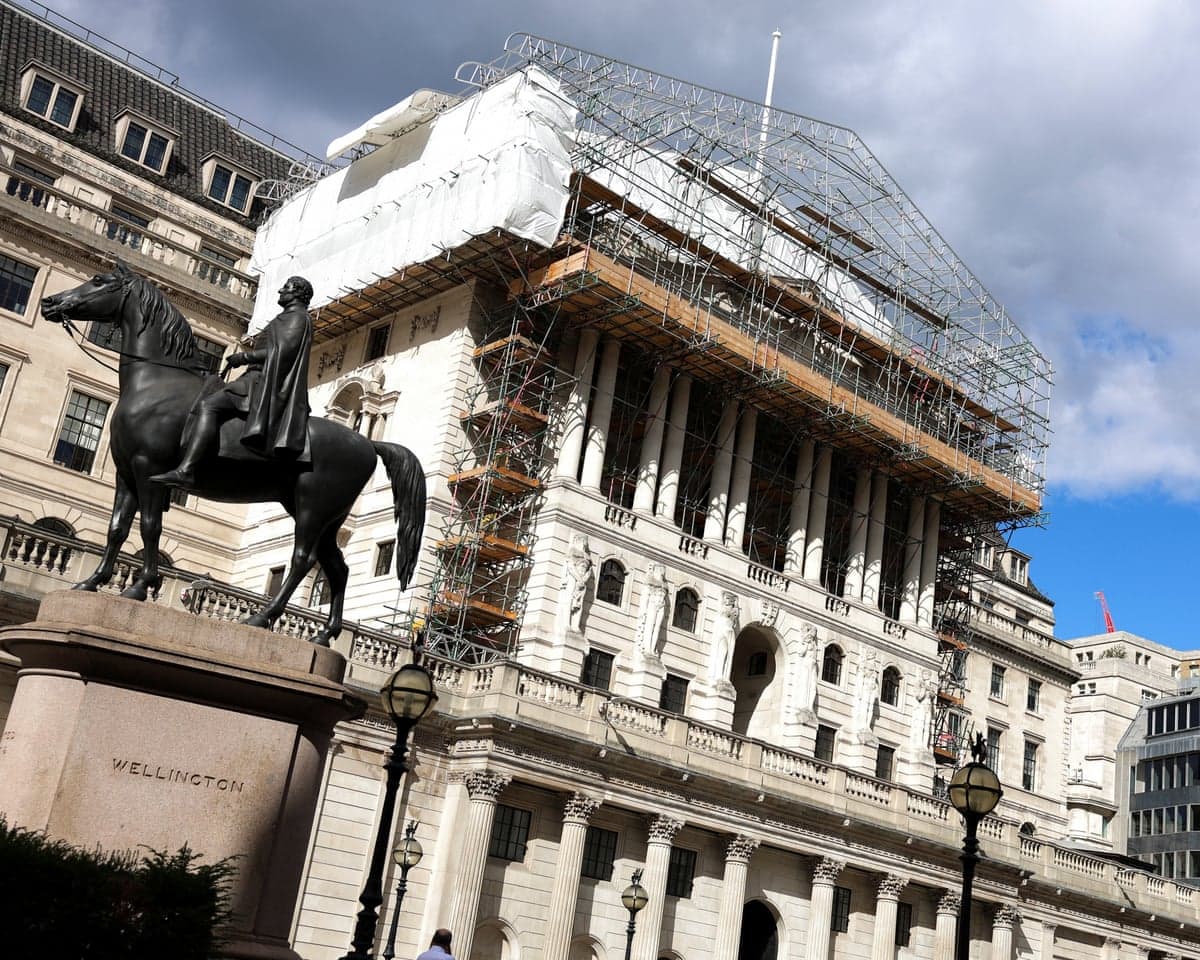
Today marks a pivotal moment for the UK's central bank. At noon on 17 September 2026, the Bank of England will announce its latest interest rate decision and disclose any modifications to its bond-selling programme. According to , all 65 economists surveyed between 4 and 8 September expected the Monetary Policy Committee to leave Bank Rate unchanged at 3.75%.
The financial sector anticipates that the Bank will maintain rates despite inflation continuing to move away from its 2% target, which rose further yesterday. While perhaps three members of the monetary policy committee might advocate for an increase, they are likely to be outnumbered by the remaining six members, though outcomes cannot be guaranteed.
Why is the Bank hesitant to raise rates?
The Bank of England faces a difficult balancing act between its mandate to control inflation and mounting evidence that households are under financial strain. A rate increase would intensify pressure on consumers already struggling with the cost of living.
Kathleen Brooks, research director at XTB, highlighted the underlying economic weakness:
The labour market is weak, payrolled employment is falling, wage growth is negative in real terms and job vacancies are also at a multi-year low.
Economic data presents a mixed picture. Growth in July exceeded forecasts, though this expansion was primarily fuelled by artificial intelligence capital expenditure, while construction and manufacturing sectors contracted during the same month.
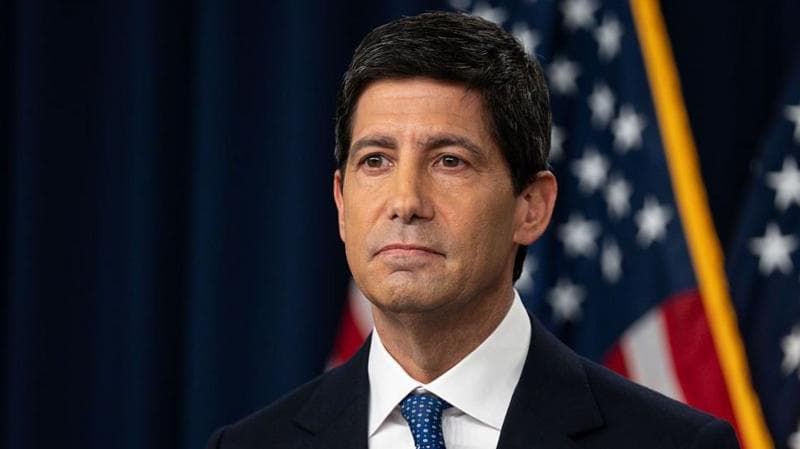
Bank policymakers may also feel pressure from the actions of international counterparts. The US Federal Reserve has continued raising rates, a move that has drawn criticism from Donald Trump. Fed chair Kevin Warsh stated:
The plain fact is that [US] inflation is too high, and has been for too long. This summer's inflation readings do not tell me that underlying trends have meaningfully improved.

What about the bond-selling programme?
The Bank's decision on quantitative tightening (QT)—the disposal of bonds purchased to stimulate the economy—is more difficult to predict and potentially more contentious. Economists anticipate that the Bank will reduce the pace of QT, possibly to an annual rate of £50 billion, down from £70 billion over the past year. According to , the main policy debate centres not only on rates but also on the annual QT review, with the Bank expected to slow gilt sales to approximately £50 billion annually from the current £70 billion.
The Bank may even suspend the sale of longer-dated bonds, which has drawn criticism for contributing to borrowing costs reaching multi-year peaks. Bond yields increase when prices decline, and prices fall when a major bond-holder like the Bank is determined to sell its gilts.
The Bank has already faced pressure from the Reform party over its continuation of QT, given the losses being absorbed by taxpayers. A recent analysis highlighted the tension between monetary independence and fiscal responsibility, noting that no other major central bank operates in this manner. The argument centres on whether immediate Treasury settlement of losses transforms monetary decisions into fiscal interventions, raising questions about the Bank's independence.
Andrew Bailey, the Bank's governor, characterises the overall cost of QT as
neutral—but only when assessed across six decades, according to economist Patricia Pino. In reality, billions in cash demands materialise within a single parliamentary term. Governments do not set budgets, contest elections, or manage public services over 60-year horizons, making such a timeframe impractical for evaluating the sustainability of the Bank's decisions and their political consequences for elected officials.
What happens next?
The Bank of England's Monetary Policy Summary and minutes will be published at 12pm on 17 September 2026, followed by the Governor's pooled broadcast interview. This announcement will clarify the MPC's stance on both interest rates and the future direction of quantitative tightening.
Today's financial calendar
10am BST: Eurozone inflation report for August
12pm BST: Bank of England decision on interest rates and QT
1.30pm BST: US initial jobless claims data