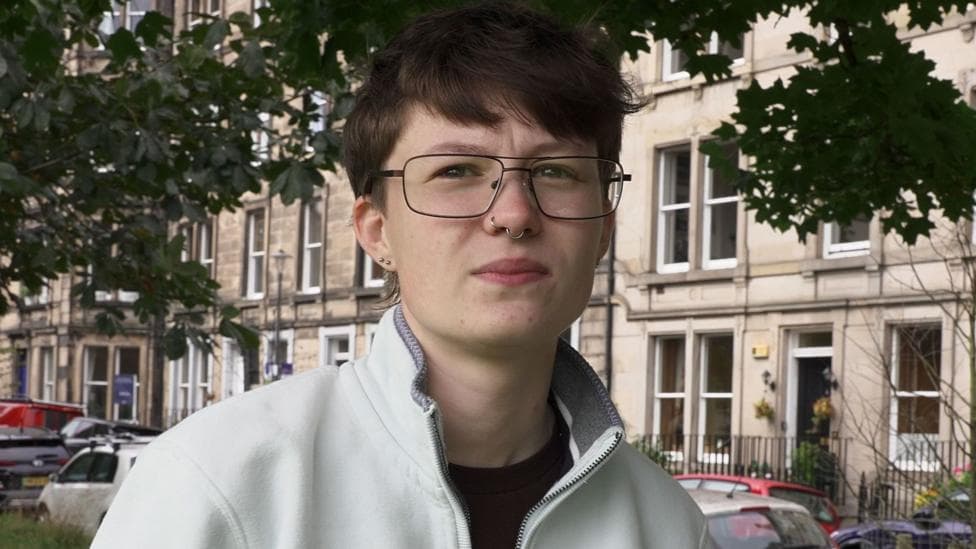
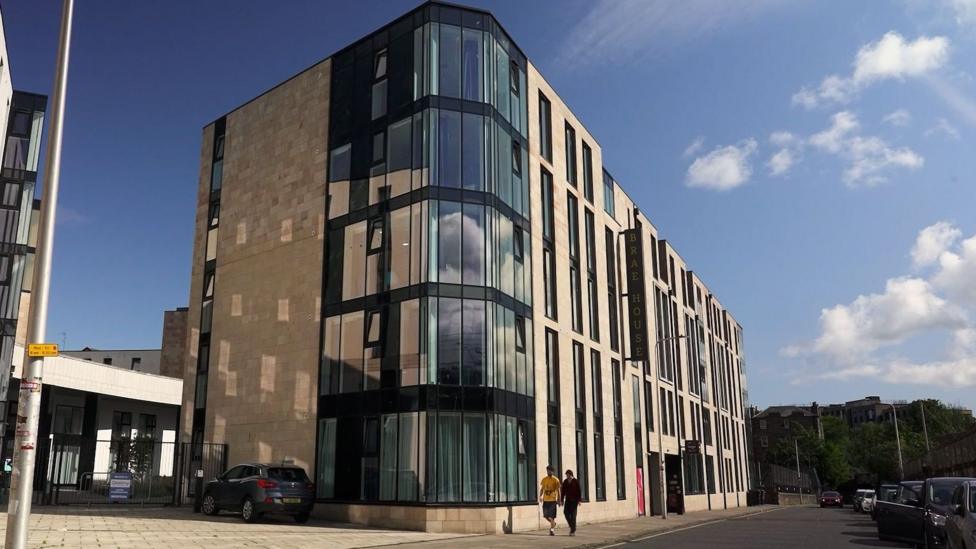
Twenty-year-old Lara Reader discovered that her monthly rent for a room in Edinburgh's Brae House, a privately-operated student residence, exceeded her entire maintenance loan by more than £200. Her experience reflects a broader crisis in student housing across the UK, where purpose-built student accommodation (PBSA) has expanded rapidly but pricing remains out of reach for many domestic students.
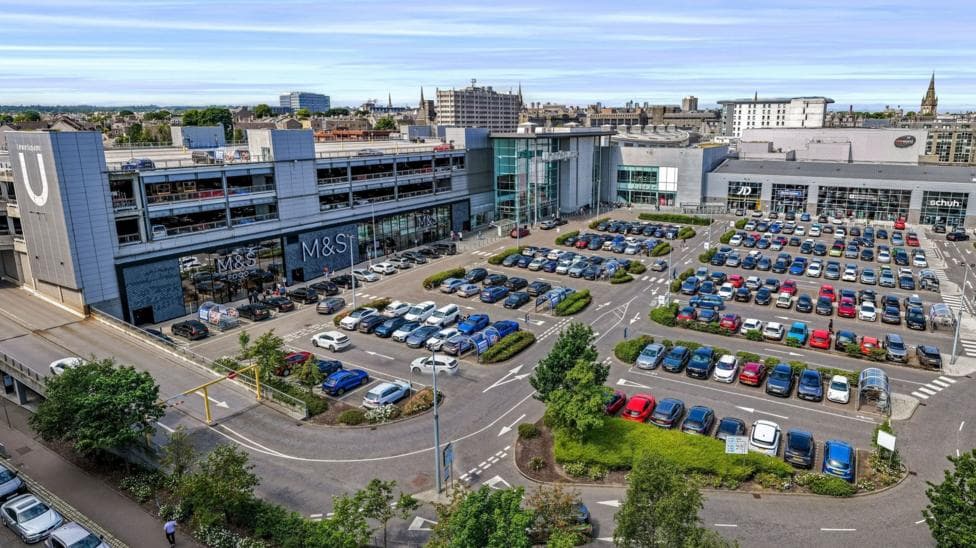
Large blocks of student housing operated by private companies are proliferating in university cities throughout Britain. While developers argue they are responding to genuine demand, campaigners contend that these developments prioritise wealthy international and postgraduate students over affordable housing for local undergraduates.
Why has private student accommodation grown so dramatically?
The expansion of PBSA has been driven primarily by private companies seeking to capitalise on a lucrative market. Across the UK, 206,005 students lived in private-sector halls during 2024/25, compared with 117,995 a decade earlier—a rise of 74% in ten years. Scotland's growth has been even steeper, climbing from 5,500 students in 2014/15 to 14,640 in 2024/25.
Scotland's two largest cities have experienced particularly visible transformation. As of August 2026, Glasgow contains 21,655 student beds with a further 18,213 in the development pipeline, potentially reaching almost 40,000 beds if all proposed schemes proceed. Edinburgh's PBSA supply has increased by nearly 60% over the past decade, with a further 5,917 beds planned as of December 2025.
According to current Edinburgh listings, private rooms now start from £165 per week, while studios reach £353 per week. The University of Edinburgh's own 2026 living-cost guidance estimates private student accommodation at £1,227 per month, with a range of £659 to £1,781. These figures underscore the persistent affordability challenge facing students.
What makes purpose-built student accommodation so expensive?
PBSA developments typically feature en-suite bedrooms and studio apartments alongside premium facilities including gyms, study areas and social spaces—amenities that command premium pricing. Richard Ward, head of research at student accommodation marketing website StuRents, noted that the average cost of privately-operated PBSA in Edinburgh and Glasgow is £268 and £243 per person per week respectively, compared with a national average of £191 per person per week outside London.
"The rents you're having to charge are about £250 to £300 per week to make a scheme financially viable. The challenge for the sector is, at that price point, a lot of domestic students cannot afford that."
John Boyle, director of research and strategy at estate agency Rettie, explained that purpose-built student accommodation has become one of the most financially viable forms of city-centre development. Developers often achieve higher returns from PBSA than from conventional residential schemes, making projects easier to fund and deliver. High land values and development costs mean that affordable housing schemes are frequently difficult to deliver in prime locations.

How did Lara's accommodation crisis unfold?
When Lara applied for student accommodation at Edinburgh University, she selected from a mix of university-owned and privately-operated halls. She was allocated a room in Brae House at £1,022 per month—substantially exceeding her monthly student maintenance loan. Despite the cost being beyond her budget, she accepted the offer because of the acute difficulty of finding student housing in Edinburgh.
The financial strain profoundly affected her university experience. She worked 20 hours per week alongside her studies to cover the shortfall, a decision she attributes to failing her first-year exams.
"I was exhausted all the time. I just didn't have enough time to study."
Reflecting on her experience, Lara argued for more realistic pricing:
"I think when pricing student housing they need to be more realistic. It makes it so difficult for students like me who don't come from a super wealthy background to find an affordable place to live."
The University of Edinburgh responded by stating it offered students good value across a broad range of price points, with entry-level rents being well below the average. A spokesperson said the university encourages students to select accommodation that aligns with their lifestyle preferences and budget throughout the application process.
Who can actually afford private student accommodation?
Industry experts identify international students as a key market segment for PBSA developers. These students, often better able to afford higher rents, have become increasingly important to the sector's financial viability. Lara observed this dynamic in her own residence:

"A lot of people I was friends with through my accommodation were international students, so funding is very different. I think for the most part, a lot of people didn't have as much of a struggle paying the rent, but I definitely know a few people who were in the same boat as I was."
For international students, PBSA offers reassurance that can be difficult to find in the private rental market. Saba, an international student from Pakistan who had planned to study in Glasgow, explained the appeal:
"I didn't really know where to start. Every country has different laws when it comes to properties and renting places."

After missing out on university accommodation, Saba considered finding a property through a private landlord but encountered obstacles. She said she
"encountered a bunch of scammers"during her search, including one individual who requested £500 upfront before sending property videos.
"As an international student, I feel like you're vulnerable. There are good and bad people everywhere and the bad lot try to take advantage of that."
The University of Edinburgh distinguishes between private rented housing and purpose-built student accommodation, noting that PBSAs are managed by student accommodation firms and usually include utilities and WiFi in the rent, providing additional security for international students unfamiliar with UK rental practices.
Are occupancy rates falling despite continued development?
Data from StuRents reveals a troubling trend: occupancy rates have declined in both Edinburgh and Glasgow despite ongoing construction. According to figures from June 2026, approximately 49.7% of rooms in Glasgow had been booked for the upcoming academic year, compared with 81.8% at the same point in 2024. Edinburgh figures show 63.2% of rooms booked in June 2026, down from 80.6% in 2024. Nationally, 59.1% of rooms had been booked for the upcoming year in June 2026, compared with 70.4% in 2024.
Richard Ward attributed this decline to shifting market dynamics. The sector experienced a surge in demand from international and postgraduate students following the Covid pandemic. However, growth in international student numbers has slowed while new accommodation continues entering the market, creating oversupply in some areas. International student figures in Scotland have fallen for two consecutive years, with the most recent decline reaching 5%. The largest cohort of international students in Scotland originates from China.

Will all planned developments actually be built?
Ward cautioned against assuming that pipeline figures translate directly into completed projects. The timeline from planning approval to completion typically spans three years, during which local market conditions can shift dramatically.
"The challenge for developers and investors entering into the student market is that from the point of an application being approved to the building actually being complete could be three years, for example. During that time the local market could have radically shifted."
Ward stated he was not expecting all developments in the pipeline to be delivered, particularly in Glasgow and Edinburgh where market saturation is becoming evident.
What are campaigners saying about the housing crisis?
Edinburgh and Glasgow city councils both declared formal housing emergencies in 2023. Campaigners argue that rapid PBSA expansion is not addressing the housing challenges faced by many students and residents. Aditi Jehangir, secretary of Living Rent Edinburgh, contended:
"Scotland does not need more unaffordable, poor-quality purpose-built student accommodation. Purpose-built student accommodation is completely unaffordable and not the answer to the housing crisis."
Jehangir added that throughout Scotland's cities, development after development has sprung up, consuming space that could be used for much-needed social housing. She characterised PBSA as extremely lucrative to developers while doing little to meet the needs of local communities, noting that many units remain empty.
Developers counter that PBSA helps meet demand from growing student populations while reducing pressure on the wider rental market. However, the falling occupancy rates suggest this argument may no longer hold in markets experiencing oversupply.
What happens next for the student housing market?
The University of Edinburgh updates its DOMUS accommodation website weekly with available housing, suggesting further price and availability changes will continue on a rolling schedule. Current listings for the 2026/27 academic year indicate that room-by-room pricing updates will persist as the academic season progresses.
The divergence between supply and demand in major university cities suggests the market may be entering a correction phase. While developers continue to argue for the financial necessity of premium pricing, falling occupancy rates and international student recruitment challenges may eventually force recalibration of both development plans and rental costs. The outcome will significantly affect whether future students face housing crises comparable to Lara's experience or whether market forces finally create more affordable options.
Key Facts
- Private-sector student accommodation in the UK grew from 117,995 students in 2014/15 to 206,005 in 2024/25—a 74% increase over ten years
- Average PBSA rents in Edinburgh (£268 per week) and Glasgow (£243 per week) significantly exceed the national average outside London (£191 per week)
- Glasgow occupancy rates fell to 49.7% in June 2026 from 81.8% in 2024; Edinburgh declined to 63.2% from 80.6% in the same period
- International student numbers in Scotland have fallen for two consecutive years, with the most recent decline at 5%, reducing demand for premium-priced accommodation
- Edinburgh and Glasgow city councils declared formal housing emergencies in 2023, yet PBSA expansion continues to prioritise international and postgraduate students over affordable domestic housing