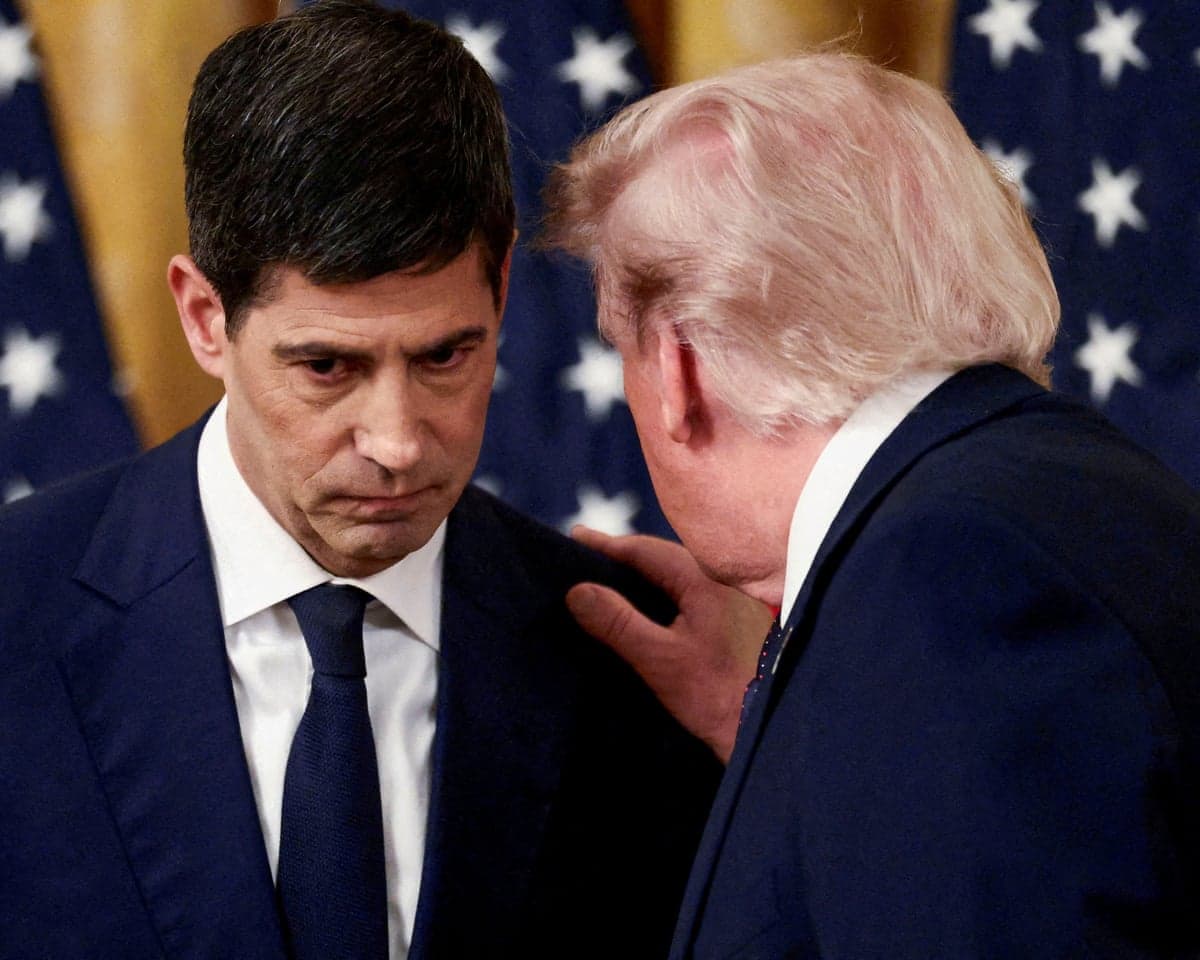
The Federal Reserve has increased its benchmark interest rate to a range of 3.75% to 4% from 3.5% to 3.75%, marking the first upward adjustment in more than three years. The decision came on Wednesday in a unanimous vote by the central bank's policymaking committee, despite vocal opposition from President Donald Trump, who has repeatedly called for rate cuts instead.
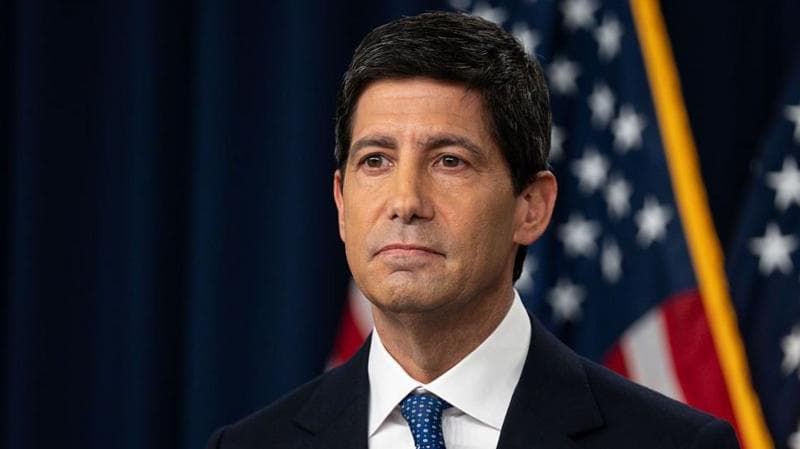
Fed Chair Kevin Warsh defended the increase by stating that
inflation is too high and has been for too long, characterizing the decision as both
soberand
responsible. In contrast, Trump responded by asserting that rates
should be 1%, or less, because we are the Best Credit in the World - BY FAR, and later posted on social media:
LOWER THE INTEREST RATES FOR THE UNITED STATES OF AMERICA, AND FAST!
This rate increase represents the first policy move in either direction since December 2025, when rates were cut. The previous rate increase occurred in July 2023. According to Federal Reserve meeting minutes, the committee had maintained rates at 3.5% to 3.75% since the beginning of 2026, holding steady through five consecutive meetings before this Wednesday's decision.
How will this affect borrowing costs?
Higher interest rates increase the cost of borrowing for consumers seeking loans, mortgages and credit cards, though they can also generate better returns on savings accounts. Major US banks including JP Morgan, KeyCorp and BNY responded immediately by raising their prime lending rate on Wednesday to 7% from 6.75%, which will increase rates charged on credit cards and personal loans.
For homebuyers, the quarter-point increase will likely push mortgage rates higher. Current 30-year fixed-rate mortgages average 6.76%, while 15-year deals stand at 6.09%, according to figures from Freddie Mac. However, most existing US homeowners with 30-year and 15-year fixed-rate mortgages will see no immediate change to their monthly payments, as their rates are locked in. Those seeking to secure new home loans or refinance existing mortgages will face higher borrowing costs.
Why is the Federal Reserve raising rates?
Central banks typically increase rates when inflation is elevated to discourage spending and encourage saving, with the goal of reducing the pace of price increases. Warsh acknowledged at a press conference that
the Fed cannot effect any individual price whether it be oil prices, whether it be food stuffs at the grocery store, but stressed that the central bank could work to prevent price rises from broadening across the broader economy. He added that
those least well off had most to gain from lower inflation.
Global oil prices have surged significantly since the start of the US-Israel conflict with Iran, driving up petrol prices and the cost of goods and services generally. American voters have witnessed diesel prices reach all-time highs and petrol rise above $4 per gallon on average. These elevated energy costs directly affect household budgets and also increase the expenses businesses face when transporting goods domestically and internationally, often resulting in companies passing those costs on to consumers through higher prices.

Despite these inflationary pressures, Warsh indicated that the strength of the US economy was a factor encouraging the Fed to proceed with the rate increase. The Fed's forecast suggests that inflation will ease in coming years, with the measure of price rises predicted to decline steadily toward the central bank's 2% target by 2029.
What is the political context?
The Federal Reserve operates independently from the government, but has faced sharp criticism from Trump over its rate decisions in recent years. Trump was particularly critical of Warsh's predecessor Jerome Powell, who stepped down at the end of his term earlier in 2026, for not cutting rates aggressively enough.
When asked at the press conference about the message the decision sent to Trump, Warsh declined to engage, responding only that
I have got nothing for you on a discussion with the presidentand repeating this response to similar questions. He emphasized that
part of the independence of the Federal Reserve is we stay in our lane.
A White House press secretary stated that the administration believed in the importance of Federal Reserve independence, with Kush Desai noting that the president and White House had
reiterated our commitment to the independence of the Federal Reserve on numerous occasions. However, Desai added that this commitment did not prevent Trump from voicing his personal opinions on monetary policy.
Affordability remains one of the top concerns for American voters ahead of the mid-term elections in November, making the Fed's rate decision particularly sensitive politically.
What do policymakers expect next?
Warsh declined to provide his own forecast for future rate movements, but the majority of his fellow policymakers indicated they believe rates will be increased again before the end of this year, potentially reaching a range of 4% to 4.25%. A smaller majority suggested rates could rise further to the 4.25% to 4.5% range next year, before cuts are expected to begin in 2028 and 2029.
According to the Federal Reserve's official calendar, the FOMC statement for the September meeting was scheduled for release on September 16, 2026, followed by the chair's press conference shortly after. Market participants had been anticipating a 25-basis-point hike at the September meeting for some time.
How does this fit into a broader global picture?
The United States is not alone in confronting inflation pressures stemming from Middle East tensions. The European Central Bank raised its rates last week, and the Bank of England was scheduled to make its own rate decision on Thursday. These coordinated policy shifts reflect a global effort by central banks to manage inflation driven partly by elevated energy prices resulting from regional geopolitical conflict.
Key Facts
- The Federal Reserve raised its benchmark rate to 3.75%-4% from 3.5%-3.75% on Wednesday in a unanimous decision, the first increase in more than three years.
- Major US banks immediately raised their prime lending rate to 7% from 6.75%, affecting credit card and personal loan rates.
- Most existing homeowners with fixed-rate mortgages will see no immediate impact on monthly payments, but new borrowers will face higher costs.
- The Fed's policymakers expect additional rate increases before year-end and potentially into 2027, before cuts begin in 2028-2029.
- President Trump has publicly opposed the rate increase and called for cuts to 1% or lower, but the Federal Reserve operates independently of the White House.