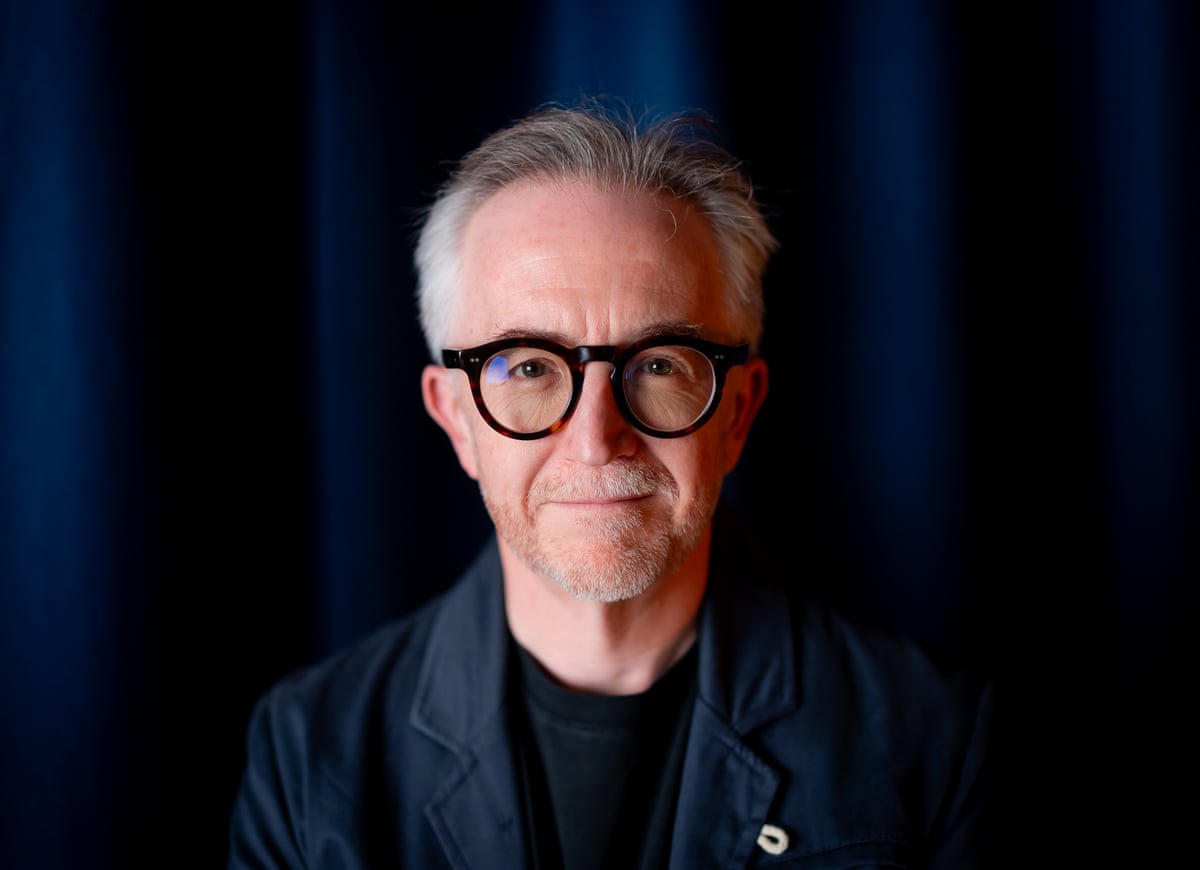
A British music technology company founded by a former executive at Andrew Lloyd Webber's entertainment empire has raised approximately £15 million to develop and scale a platform for staging concerts with digital avatars of both living and deceased performers. Unit1, established in 2025 by Barney Wragg, aims to create a more affordable alternative to immersive experiences such as Abba Voyage, enabling artists and venues to produce avatar-based shows without requiring a dedicated purpose-built space.
The funding round, valued at $20 million, was led by Balderton Capital, the venture firm that made early investments in Spotify. The backing also includes participation from existing investors Mercuri and Paul McGuinness, the Irish music executive who managed U2 from the late 1970s until 2013. According to Digital Music News, the financing is structured as mixed equity and production funding designed to scale the company's mixed-reality concert technology and expand its roster of shows currently in development.
Wragg previously served as chief executive of the Cats-to-Evita entertainment group for five years from late 2011. His background in music production and live entertainment informed Unit1's approach to blending digital performers with physical venues. The company has already completed what Record of the Day describes as the first relocation of an avatar concert, demonstrating the portability advantage that distinguishes its model from existing fixed-venue experiences.
How Will Unit1's Technology Work?
The platform combines live musicians performing on stage with high-definition LED screens displaying digital avatars, enhanced by lighting, sound and props to create the illusion of a fully human performance. For recreating deceased artists, Unit1 develops avatars using archive footage, hired actors and musicians who resemble or can perform like the departed star, then blends the material together. The setup allows a single show to tour simultaneously across multiple countries, reducing production costs compared to traditional touring or venue-specific experiences like Abba Voyage.
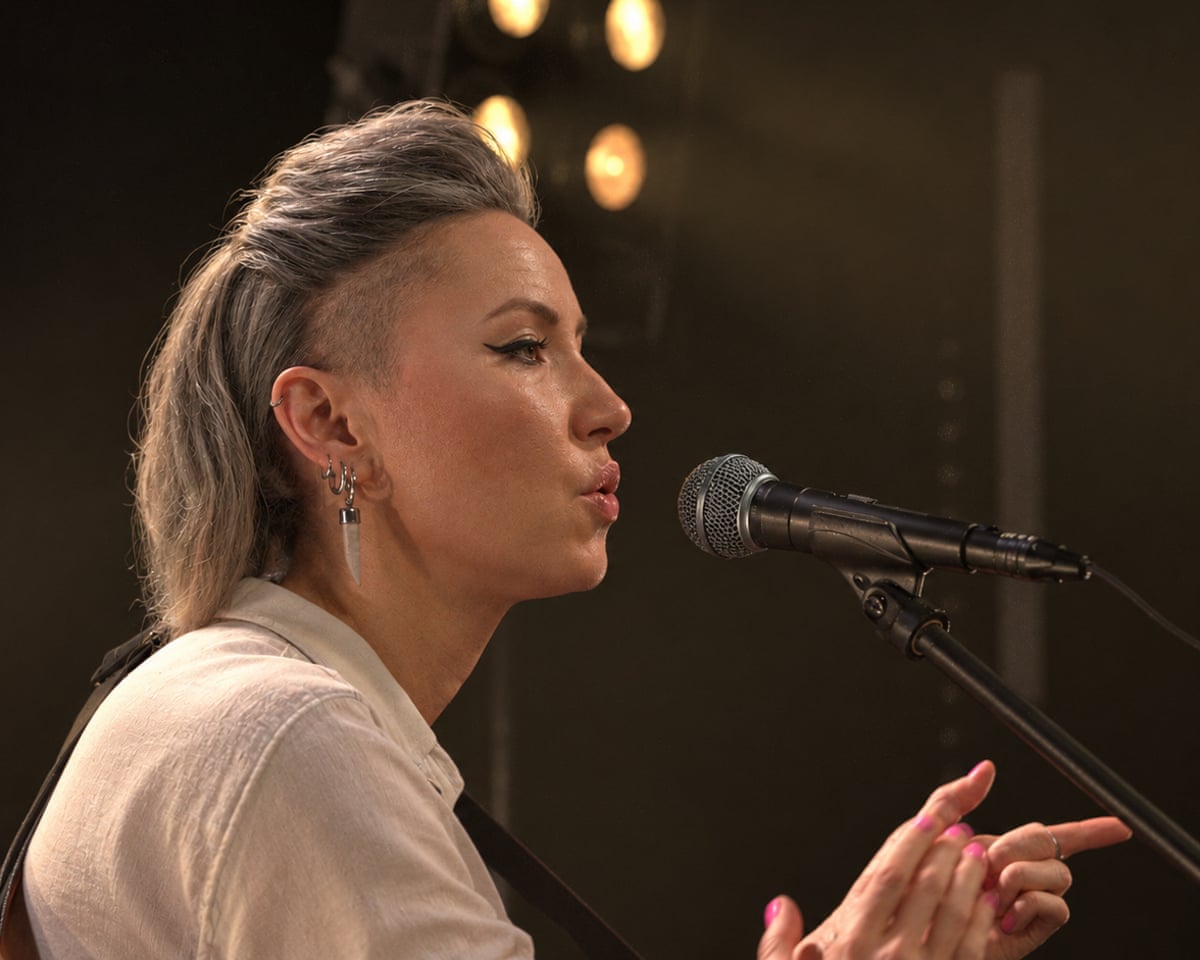
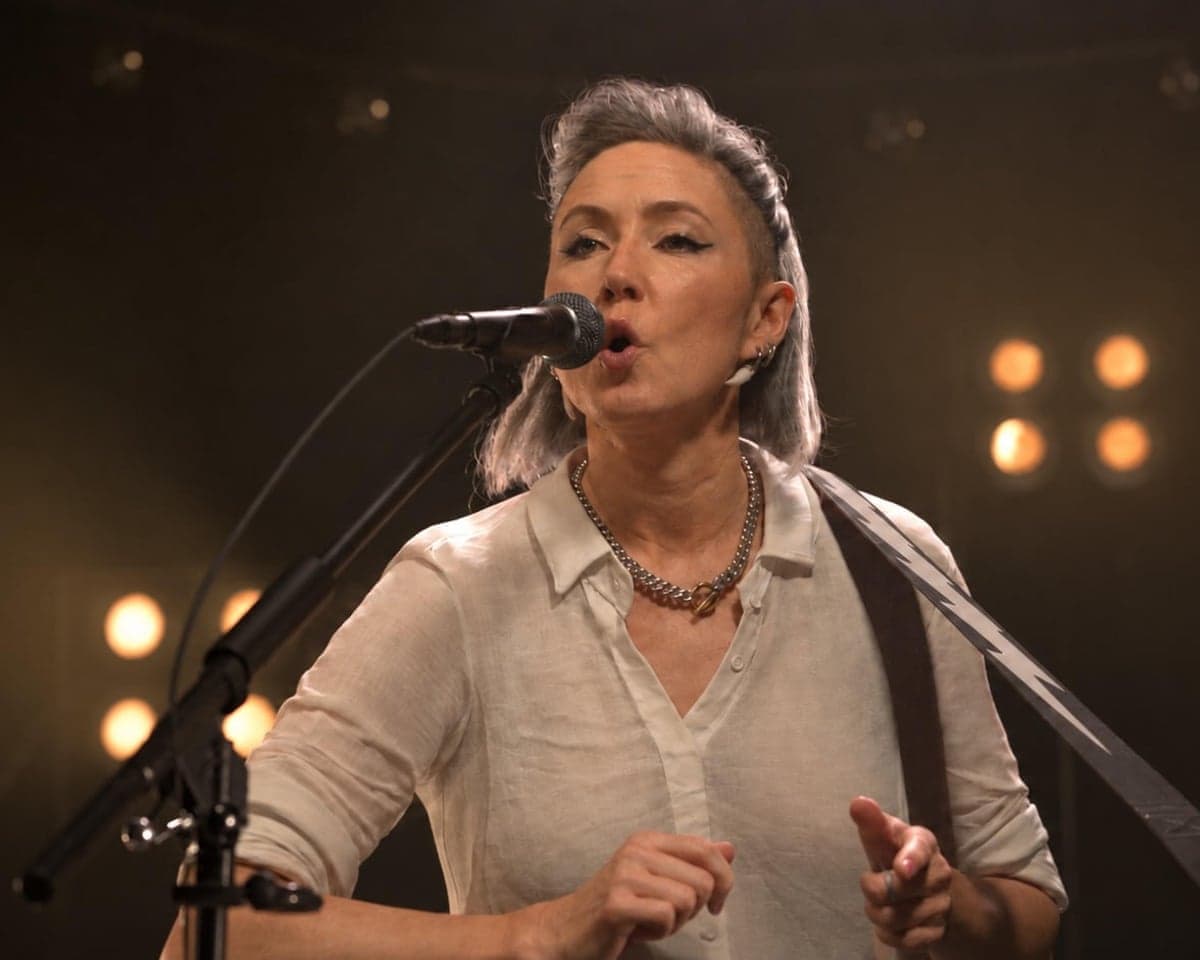
Unit1 has tested the technology with Scottish singer-songwriter KT Tunstall, who previously worked with Wragg during his time at EMI. In the pilot, motion capture cameras recorded Tunstall recreating a two-decade-old performance from Later… with Jools Holland, with the avatar updated to reflect her current appearance.
For the audience member in the room it is seamless between the digital and the physical room, immersing them,Wragg explained to a national broadcaster.
It's a teleportation of an audience member to a time and place.

What Concerts Could Unit1 Recreate?
Wragg has remained guarded about which classic performances Unit1 might develop, but has previously expressed a wish to have witnessed Queen's performance at Live Aid, the Beatles' shows at the Cavern Club and Jimi Hendrix at Woodstock. The music industry has experimented with avatar technology for years, most notably with the 2012 holographic appearance of the late rapper Tupac Shakur alongside Snoop Dogg and Dr Dre at Coachella festival. Abba Voyage, launched in 2022 at a purpose-built venue in east London, demonstrated mainstream commercial viability for the concept, running as a lucrative virtual concert experience.
What Are the Ethical Concerns?
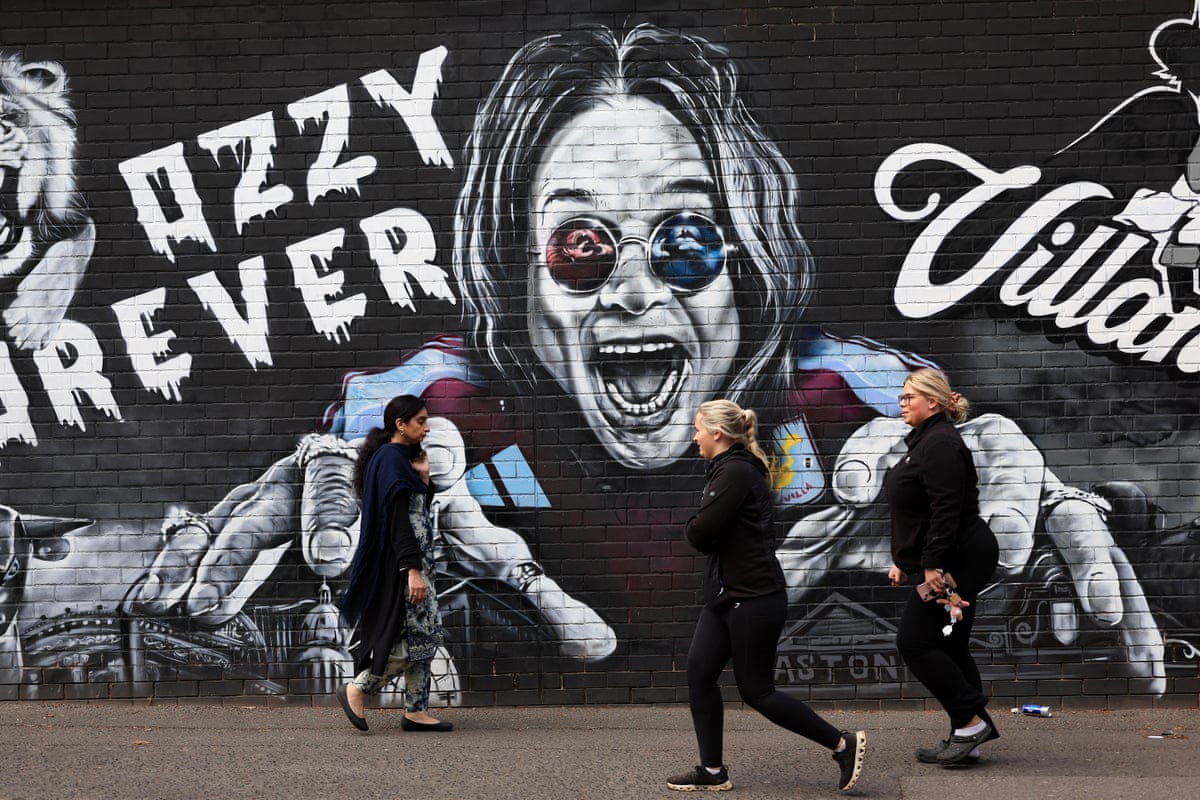
Some fans and industry figures have expressed discomfort with digitally resurrecting deceased musicians without their consent. Earlier this year, plans to create a lifesize AI-powered avatar of late Black Sabbath frontman Ozzy Osbourne faced backlash from some fans who viewed the proposal as disrespectful and in poor taste. The broader entertainment industry is grappling with AI-related concerns; over 80 performers including Matt Lucas and Hugh Bonneville have called on the UK government to introduce legislation protecting voices from AI cloning, citing rising threats to the entertainment industry.
Wragg acknowledged these sensitivities, stating that Unit1 was
dealing with family members of estates to create something which is well documented and understood – extremely well-known concerts or live recordings. We are mindful that you do not want to be distasteful.The company's approach prioritises working with rights holders and estates rather than creating unauthorised digital recreations.
How Will Unit1 Use the Funding?
The investment will support research and development of the avatar-concert platform, as well as securing intellectual property and licensing agreements with artists and their estates. Unit1 intends to expand its production pipeline and bring additional shows to market. The company's model addresses a key limitation of existing avatar experiences: the need for a dedicated venue. By enabling shows to tour, Unit1 reduces the capital barrier for venues and promoters considering avatar-based productions.
Balderton Capital's participation underscores the investor appetite for music-technology ventures. The firm has previously backed music rights company Kobalt and fintech platform Revolut, positioning it as an established player in entertainment-sector investment. The involvement of Paul McGuinness, a figure with decades of experience managing one of the world's largest rock bands, signals industry credibility for the venture.
What Happens Next?
Unit1 is expected to announce additional concert productions as licensing and intellectual-property deals with artists and estates are finalised. The company has indicated that several shows are already in development and will be revealed as agreements are secured. Further expansion of the roster and scaling of the mixed-reality concert platform will follow as the new funding is deployed.
Key Facts
- Unit1 has raised $20 million (approximately £15 million) in mixed equity and production financing led by Balderton Capital
- The company aims to offer a lower-cost alternative to purpose-built avatar experiences like Abba Voyage by enabling touring productions
- Unit1 has completed the first relocation of an avatar concert, demonstrating the portability of its technology across venues
- The platform combines live musicians on stage with digital avatars displayed on high-definition LED screens, enhanced by lighting and sound
- The company is securing licensing deals with artists and estates before staging additional productions