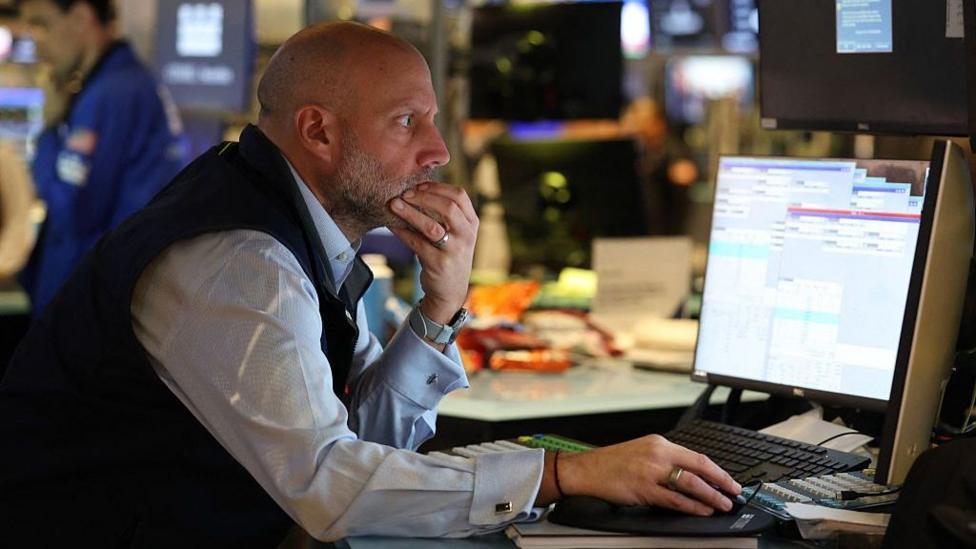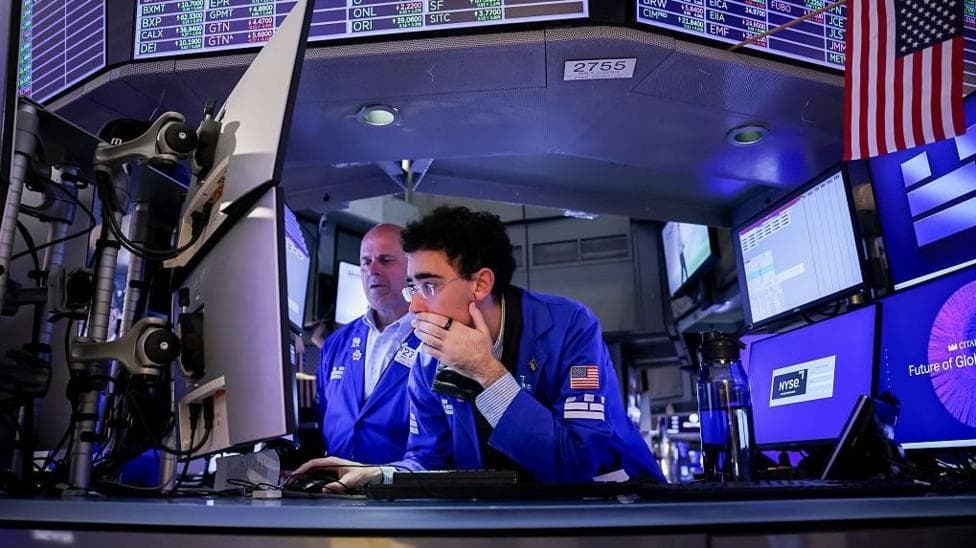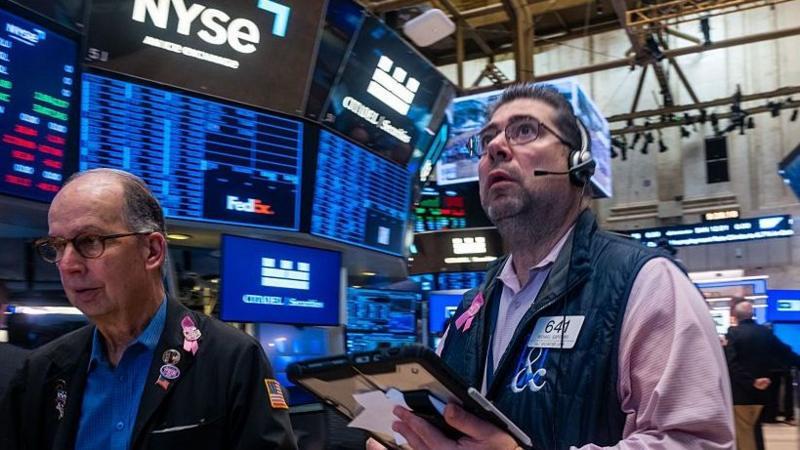
The artificial intelligence sector faces mounting pressure from political headwinds after sweeping Democratic victories in this week's mid-term elections, raising questions about whether the industry's explosive growth can be sustained. Steep declines across technology stocks on Thursday, particularly on the Nasdaq home to giants including Alphabet, Nvidia, Meta and Apple, suggest investor confidence has been shaken by the prospect of tighter regulation. According to BBC News, the sell-off followed Democratic gains that have handed the party full control of Congress, with several leading party figures having campaigned against the unhindered expansion of data centres that underpin AI development.
The timing of the market downturn highlights a broader anxiety about whether the AI sector can deliver the returns investors have been promised. Since OpenAI released ChatGPT in late 2022, a modern-day gold rush has driven capital into chip manufacturers, data centre operators, energy providers and AI developers themselves. Yet concerns about overvaluation have been mounting alongside safety warnings from AI researchers, and the electoral results have crystallised fears that regulatory action may be imminent.
What sparked the stock market decline?
Democratic candidates tapped into grassroots opposition to data centre expansion, focusing on the facilities' consumption of water and electricity, potential impacts on household utility bills, noise, land use and local disruption. A Gallup poll published in May showed 71% of Americans would oppose building a data centre in their community—a figure higher than the 53% who opposed nuclear power stations. A CNBC voter poll found 56% of voters considered AI and data centers a crucial or major factor in their ballot decision, underscoring how central the issue became to the campaign.
James Talarico, who won the Senate race in once staunchly Republican Texas, exemplified this approach.
While we want to protect America's leadership in artificial intelligence, we are still grappling with how it will affect everything from how we work to how our children learn. We must protect Americans and establish clear, consistent laws for businesses.Texas' Democratic governor-elect Gina Hinojosa campaigned on a moratorium for new data centre construction, a position that could challenge technology entrepreneur Elon Musk, who has relocated significant operations of SpaceX and Tesla to the state and spent nearly $450 million backing Republican campaigns in the midterms.
The electoral shift has immediate market consequences. Reuters reported Core Scientific shares fell 11.6% and Iren fell 12.5% as the election results became apparent, while Goldman Sachs estimated temporary pauses could affect about 45% of planned US data-center capacity expansion. Morgan Stanley analysts flagged a potential delay risk for an Ohio data-center project involving Nvidia with a planned capacity of 10 gigawatts.
How widespread is the regulatory momentum?
The Democratic victories extend beyond individual candidates. More than 30 data-center-related ballot proposals across 13 states passed, including a Defiance, Ohio, measure banning data centers above 25 megawatts. Polling data reveals broad bipartisan concern about AI's trajectory: more than 80% of both Republican and Democratic voters supported candidates favouring AI safeguards.
With control of both houses of Congress, Democrats are positioned to challenge the Trump administration's technology agenda more aggressively. Democrats are preparing bills on data-center electricity costs, independent testing of advanced AI systems, and liability for harm caused by AI products. Senate Democratic leader Chuck Schumer has signalled that protecting consumers from higher electricity costs linked to data-centre growth will be a priority when the new Congress convenes.
Is this a bubble burst or a market correction?
The question dividing analysts is whether the current downturn represents a healthy removal of excess valuation or the beginning of a broader collapse. Goldman Sachs projected that investments in AI would reach $1 trillion in 2026 alone, and the sector has absorbed so much available capital that borrowing costs for other industries have risen as a result. Yet investor appetite for returns has collided with growing doubts about whether the AI boom can generate the expected profits.
Tudor Brown, co-founder of British technology firm Arm Holdings, argues that stock valuations rest on future earnings expectations rather than current performance.
Stock values are based on future earnings not present earnings. If anticipated rewards shrink, investors will sell. Brown believes the impact will be limited, suggesting share prices were inflated by expectations of
almost infinite AI growth, followed by
a bit of a panic. He contends
there is a natural floor to this. After that it will reflect I think that actually there's still a lot of money being made in these companies.
Nandini Roy Choudhury of Future Market Insights takes a more cautious view, noting that investors will assess whether the political shift could result in restrictions on data centre construction, energy consumption and AI deployment. She expects traders to become more selective, favouring firms with stronger balance sheets rather than pursuing broad recovery across the sector.
The Nasdaq was 11% below its all-time high on Thursday, reflecting months of accumulating concern about data-centre construction timelines and rising borrowing costs. Worries about the industry's prospects have been building since public comments from AI researchers casting doubt over AI safety—some suggesting it could represent an existential threat to humanity—began dominating headlines and fuelling speculation about regulatory clampdowns.
What happens next?
Democrats are expected to take control of Congress in January 2027, when lawmakers plan to introduce AI and data-centre legislation. Senate Democratic leader Chuck Schumer has indicated that protecting consumers from higher electricity costs linked to data-centre growth will be a priority in the new year. The combination of electoral momentum, voter sentiment, and legislative preparation suggests the industry faces a period of heightened regulatory scrutiny that could reshape investment patterns and project timelines across the sector.