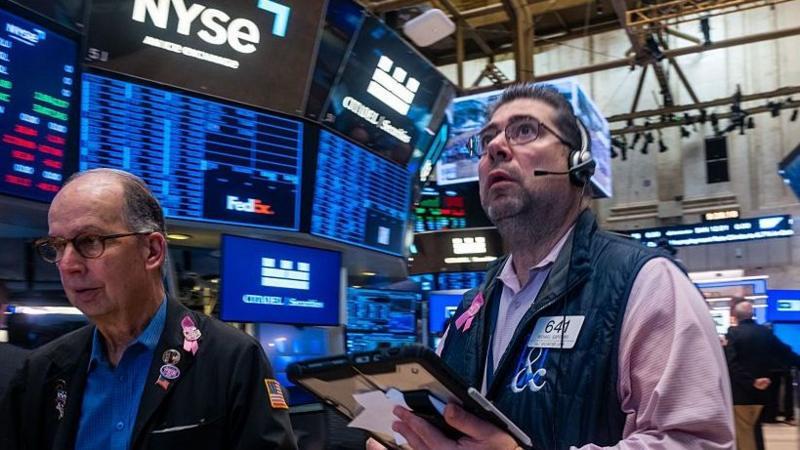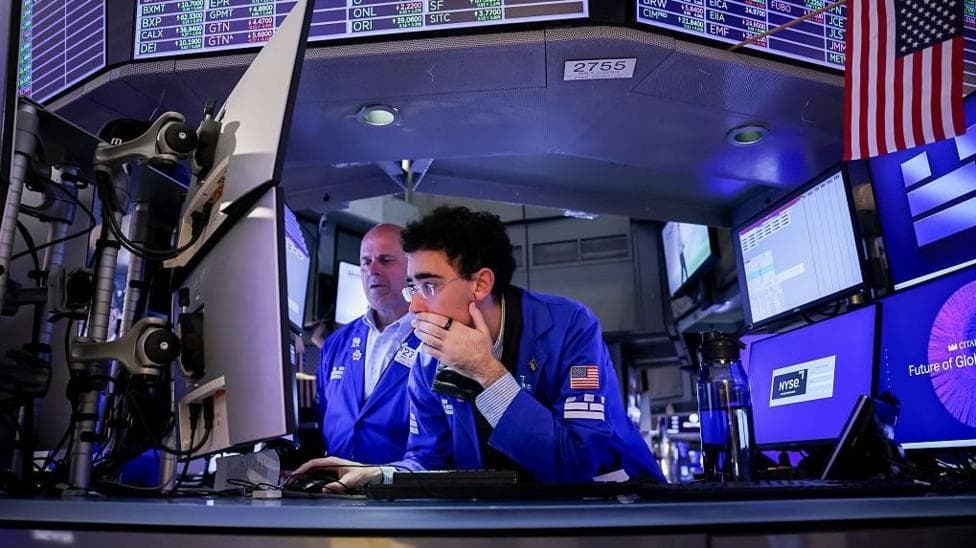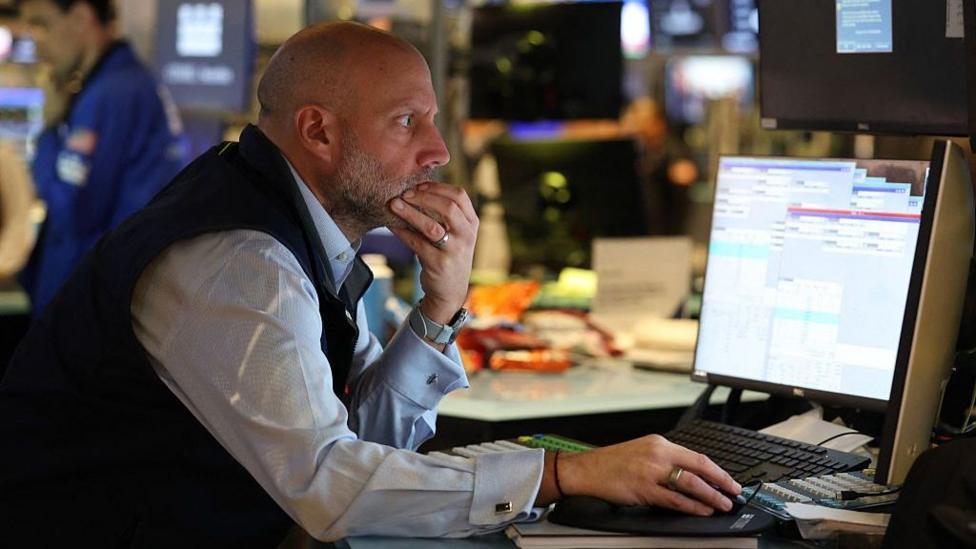
Shares in artificial intelligence and technology companies recovered on Friday following a severe market downturn that erased trillions of dollars in value across global stock markets. The tech-focused Nasdaq index opened higher after Thursday's collapse, which originated in the United States before spreading to Asian and European exchanges on Friday.
According to BBC News, the rebound came as investors digested mixed signals about the outlook for artificial intelligence investment and the US economy. The Nasdaq Composite fell 1,421.52 points, or 5.5%, on Thursday, with the Philadelphia Semiconductor Index declining more than 12%, but Friday's opening suggested some stabilisation after the worst of the selling pressure eased.
The market turbulence stemmed from concerns that Democratic victories in the midterm elections would lead to stricter regulation of artificial intelligence development and data centre expansion. A number of Democratic candidates had campaigned on implementing new rules governing AI and data centres, and the party secured control of both houses of Congress alongside victories in key states that have become focal points in the AI infrastructure race. Democrats flipped seven Senate seats, gained at least 39 House seats and won five governorships, with Texas governor-elect Gina Hinojosa pledging to halt new data-centre construction.
US President Donald Trump responded to the market turbulence on Friday by reiterating his backing for what he characterises as "super intelligence", asserting that only "foolish leadership" would "say no to the riches they bring".
How are major tech stocks performing?
The Nasdaq Composite opened up 1.23% on Friday and continued climbing in early trading, reversing a significant portion of Thursday's 5.5% decline. The S&P 500, which tracks the largest publicly-traded US companies outside the technology sector, also opened slightly higher, while the Dow Jones Industrial Average opened marginally lower.
Companies that suffered heavy losses on Thursday began recovering in early trading. Nvidia, which lost hundreds of billions in market value after its shares fell more than 9% on Thursday, rebounded with gains exceeding 6% on Friday. SpaceX and Tesla shares, both severely hit on Thursday, showed more mixed performance, rising more than 7% and nearly 3% respectively.
The broader context reveals the severity of the recent downturn. The Nasdaq Composite had fallen nearly 12% from its October 6 record close, putting it in correction territory, and Friday's rebound represented the second consecutive day of AI-stock volatility following the midterm election results.
What do the latest employment figures show?
Stronger-than-expected US employment data provided some reassurance to markets on Friday morning, adding complexity to the mixed picture facing American investors. The US economy added 165,000 new jobs in October, substantially exceeding analyst expectations. The October jobs report had been expected to show approximately 60,000 to 65,000 new jobs, compared with 29,000 in September, making the actual figure a significant positive surprise.
The unemployment rate edged down to 4.1% from 4.2% in September, though the Bureau of Labor Statistics noted that the rate has remained within a narrow band of 4.1% to 4.3% since March. Job growth was concentrated in specific sectors: the professional and business services sector led with 70,000 new positions, healthcare added 42,000 jobs, and transportation, warehousing and manufacturing also saw employment increases.
Neil Birrell, chief investment officer at investment firm Premier Miton, characterised the employment figures as significant despite being overshadowed by market movements.
The US economy is running hard which may mean the risks the markets are worrying about at the moment are not such a risk to the real economy as is being feared, he said.
Why are investors concerned about AI spending?
Beyond the political implications of the Democratic election victories, market participants have grown increasingly anxious about whether the enormous capital expenditures being directed toward artificial intelligence will ultimately generate adequate returns. Major technology companies have signalled intentions to maintain hundreds of billions of dollars in investment toward data centres and semiconductor manufacturing, yet investors remain uncertain about the timeline for profitability from these outlays.
This spending sustainability question represents a longer-running concern in technology markets. Earlier in the year, similar doubts about AI-driven valuations prompted sharp declines across the sector, with chipmakers and major technology firms reporting disappointing earnings and warning of mounting infrastructure costs.
What happens next for markets?
Market participants will continue monitoring economic data and corporate earnings reports for signals about the health of the US economy and the viability of AI investment strategies. The employment report released on Friday morning was closely watched for its potential influence on interest-rate expectations, as central bank policy decisions remain a key driver of technology stock valuations.