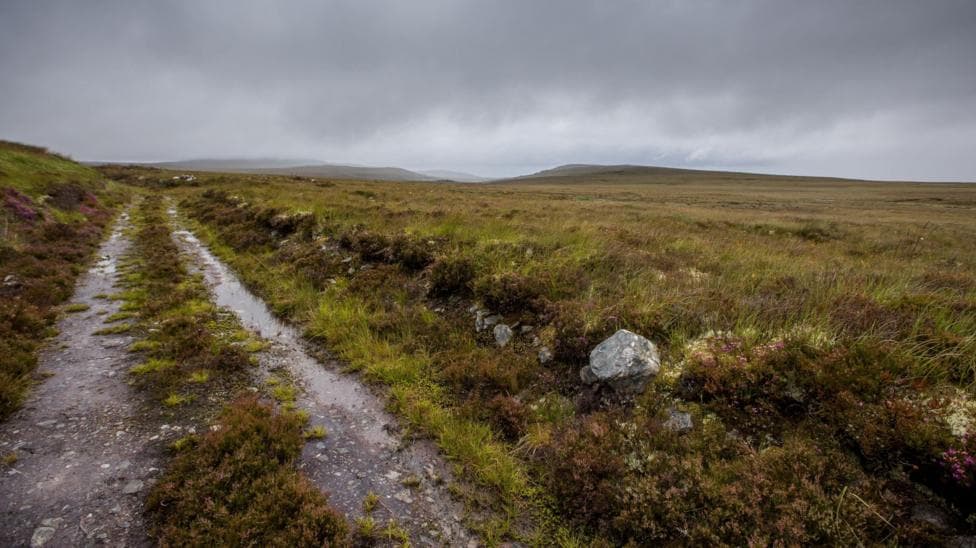
A Colorado-based rockets manufacturer has signalled its intention to resurrect the dormant Sutherland Spaceport, which has sat largely inactive since a Scottish rival firm collapsed. Leap has entered into discussions with Highlands and Islands Enterprise (HIE), the public body that owns the peatland site near Tongue, to explore launching small satellites for customers across the UK and mainland Europe. According to BBC News, the agreement marks a potential turning point for a facility that has struggled to move forward.
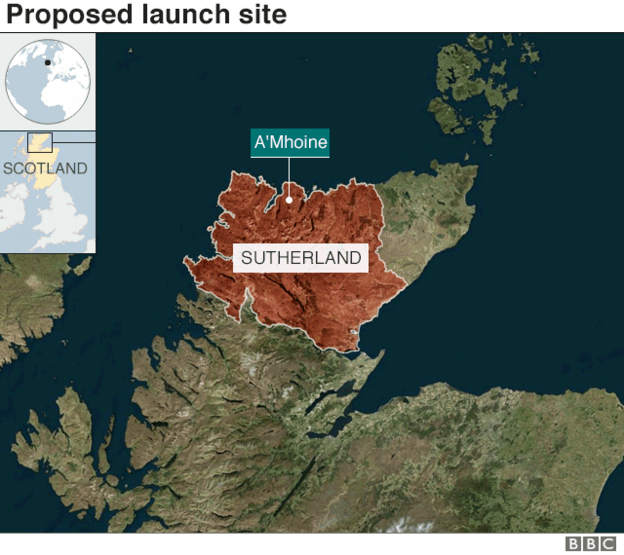
The spaceport occupies the A' Mhoine Peninsula in Sutherland, in the north-west Highlands. Development stalled after Moray-based Orbex, which had been constructing the facility, halted work in 2024. Orbex entered administration on 18 February 2026 following a failed acquisition attempt, and its spaceport subsidiary entered compulsory liquidation on 18 June. HIE acquired Sutherland Spaceport Ltd's assets in August 2026, inheriting existing infrastructure including a launch pad, hardstanding and an approximately 1.5-mile access road.
What is Leap's vision for the site?
Leap is designing rockets intended for mass production in factories, and the company views the Sutherland facility as a strategic entry point into European operations. The firm proposes starting with its Bullfrog vehicle, which was recently tested in the Mojave Desert, before potentially progressing to Bighorn suborbital, point-to-point and orbital missions. Chris Beckman, Leap's chief executive, outlined the company's broader ambition:
We're not just building a rocket. We're building a global logistics network, and a network needs launch sites wherever customers require them. Sutherland is an ideal starting point for a network that begins in Europe, and HIE shares our ambition to make recurring spaceflight from Scotland real.
HIE and Leap's memorandum of understanding establishes a dedicated workstream to develop a practical pathway for launches, though the agreement is non-binding and any operations remain subject to technical assessment, regulatory approval and commercial agreements. The proposed site covers 10.4 acres, though no launch date, investment amount or job total has been announced.
What broader opportunities could this bring?
Discussions between Leap and HIE extend beyond launch operations alone. The talks also cover possible manufacturing and testing in the Highlands and Islands, supply-chain involvement, local recruitment and skills development, university partnerships and infrastructure support. Dorothy Pritchard, chairwoman of Melness Crofters Estate—the small-scale farming community on which the spaceport sits—expressed optimism about the prospect:
We believe their presence here will be an important step towards establishing a thriving and sustainable spaceport that can bring long-term benefits to Sutherland and the UK's growing space industry. Alongside other UK launch sites, both developed and emerging, an operational Sutherland Spaceport will become an integral part of a resilient and diverse UK launch ecosystem, securing the UK position within the global space economy, something we welcome and support. Melness Crofters Estate looks forward to seeing the spaceport become a driver of economic opportunity.
Economy Secretary Stephen Flynn and HIE have both welcomed the agreement as a step toward revitalising Scotland's space ambitions.
How does this fit into Scotland's wider space strategy?
Sutherland Spaceport is not Scotland's only venture into commercial spaceflight. The UK and German governments have announced plans to deepen space cooperation using SaxaVord Spaceport in Shetland, following a meeting between Prime Minister Andy Burnham and Chancellor Friedrich Merz in Berlin. SaxaVord, located on the island of Unst, holds the distinction of being the UK's first fully-licensed spaceport and has regulatory approval for up to 30 rocket launches annually. The UK government has invested £30 million in SaxaVord to build additional launch facilities, unlocking further private investment as the nation develops its commercial space launch capabilities.
What happens next?
Before Leap can begin operations at Sutherland, the company must obtain regulatory approval and finalise commercial arrangements. No launch date has been set, and the memorandum of understanding represents an exploratory phase rather than a commitment to proceed. The coming months will determine whether Leap can navigate the technical, regulatory and financial hurdles that have challenged previous operators.