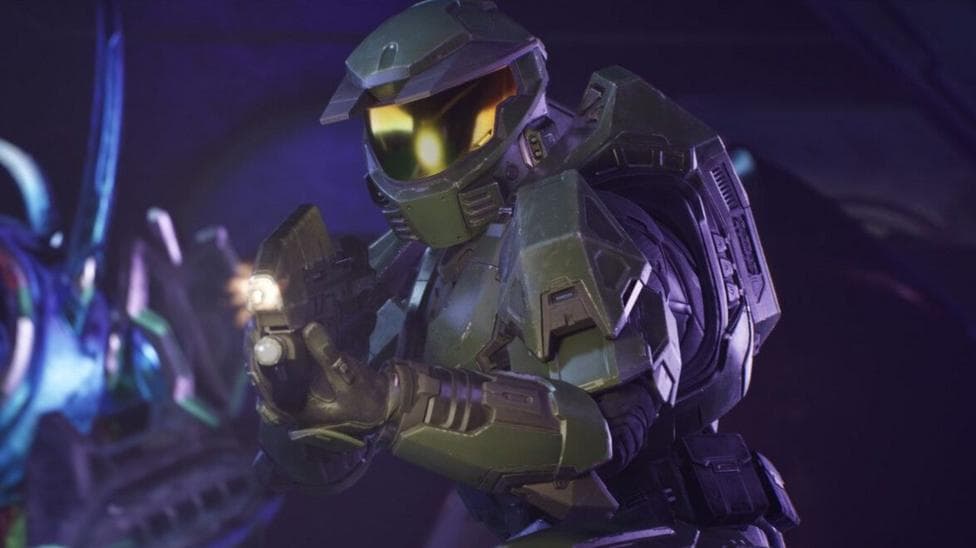
Microsoft's Xbox division is eliminating a further 268 positions and overhauling how its flagship Halo franchise will be developed, continuing a broader restructuring effort that has already reshaped the gaming company.
The studio currently responsible for Halo will shift its focus to maintaining the existing game and supporting its community, while Activision—the publisher behind Call of Duty—will assume leadership of future Halo titles. This represents a fundamental change in how one of Xbox's most recognizable properties will be managed.
Industry observers have characterized the decision as significant. Jez Corden, writing for Windows Central, described it as a "dramatic move," while Christopher Dring, editor-in-chief and co-founder of The Game Business, raised questions about whether the transition could help restore Halo to its former prominence within Xbox's portfolio.
The job cuts announced on Tuesday form part of a larger wave of reductions that began in July. At that time, Xbox chief executive Asha Sharma disclosed that the company was undertaking "the most significant restructure in Xbox history," which resulted in 1,600 immediate layoffs with 3,600 total losses planned across the organization. Microsoft is now approximately three-quarters through its planned restructuring.
The broader restructuring has also created uncertainty around other Xbox-owned studios. In July, Sharma announced that five studios, including Cambridge-based Ninja Theory, would be spun off as part of the downsizing. However, according to a blog post published on Tuesday by Matt Booty, Xbox's chief content officer, efforts to secure a buyer for Ninja Theory have been unsuccessful, with "two separate agreements" collapsing.
Booty stated that Ninja Theory would enter into consultation with its workforce regarding a proposed closure, though potential acquisition discussions remain ongoing. Of the four other studios initially targeted for separation, three have returned to Xbox management, while consultation for Arcane continues.
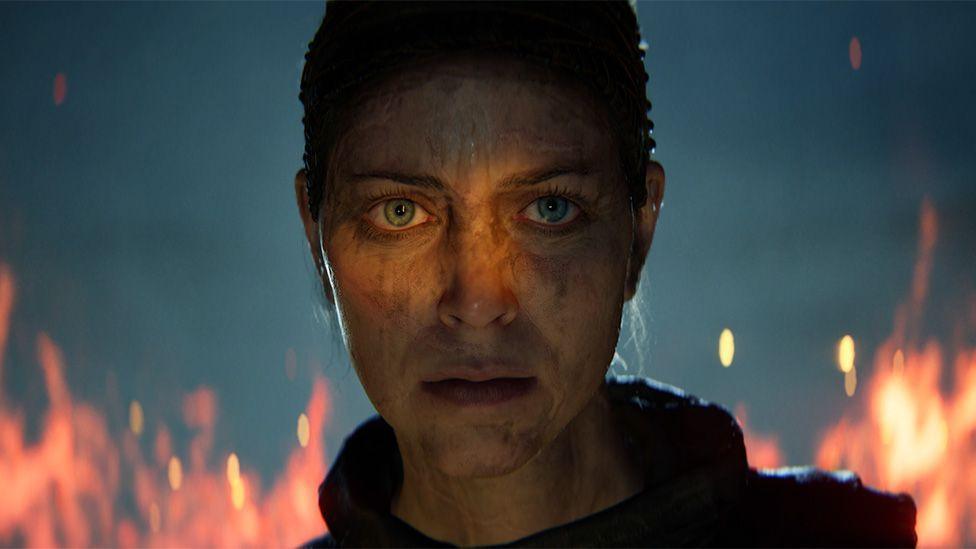
Ninja Theory has earned recognition for its Hellblade series, including the Best British Game award at the BAFTA Game Awards. The studio's potential closure represents a significant loss for Xbox's development capabilities.
Why is Halo being handed to Activision?
Halo has served as a cornerstone of the Xbox brand since Microsoft entered the console market in 2001, establishing the company as a major gaming industry player. However, the franchise's influence has diminished considerably over the past decade.

Dring noted that while Halo was once Xbox's "crown jewel," that status has not applied "for more than a decade." Corden drew a comparison to Nintendo's Mario franchise, stating that "Halo was once to Xbox what Mario is to Nintendo, but years of mismanagement have eroded that." The decision to place Halo under Activision's direction "makes sense," according to Dring, though he cautioned that the publisher must "be mindful not to lose what makes Halo unique."
Rob Kostich, Activision's president, outlined the company's vision in a statement:
For Halo, our goal is clear: make the greatest Halo game ever, worthy of its universe and legacy, while staying true to what made players love it in the first place. We have already begun assembling a purpose-built team, unique in capability and talent, ready and excited to deliver this next chapter with the community.
Halo Studios, which released Halo: Campaign Evolved in July, will continue supporting the existing game and its community rather than directing resources toward new releases.
What other changes is Xbox making to its studios?
Beyond the Halo transition, Xbox is consolidating several of its development operations. Activision's responsibilities will expand to include management of World's Edge, the studio behind the Age of Empires franchise, as well as Rare, known for Sea of Thieves.
Additional studio combinations are underway: Bethesda, maker of The Elder Scrolls series, will "expand its remit" to encompass Obsidian Entertainment, developer of Fallout: New Vegas. The studios responsible for Forza Horizon and Fable are also being merged.
What prompted these restructuring decisions?
Sharma attributed the restructuring to fundamental challenges within Xbox's operations. She stated that Microsoft's gaming division had not been "healthy," and while subscription services like Game Pass had "created meaningful value," they had not expanded at the pace the company required.
In an August interview, Sharma also highlighted external pressures, pointing to a "crisis" in rising computing costs and hardware expenses affecting the industry. These hardware cost challenges have prompted Xbox leadership to prioritize affordability for its next-generation console, with concerns about how pricing pressures driven by artificial intelligence infrastructure demand will shape the gaming market.
The restructuring reflects broader challenges facing the gaming industry. Earlier strategic shifts have included adjustments to Game Pass pricing and changes to how new titles are released on the subscription service, signaling that Xbox is fundamentally reassessing its business model and competitive positioning.

Key Facts
- Xbox is eliminating 268 additional positions as part of a restructure that has already cut 1,600 jobs, with 3,600 total reductions planned
- Activision will assume development of future Halo games, while the current Halo Studios focuses on supporting existing titles
- Ninja Theory, the Cambridge-based developer of the award-winning Hellblade series, faces potential closure after acquisition attempts failed
- Xbox is consolidating multiple studios under expanded leadership, including merging Bethesda with Obsidian and combining Forza Horizon and Fable teams
- Rising hardware costs and slower-than-expected growth in subscription services prompted the company-wide restructuring