Community groups and schools across Wales's industrial heartland are collaborating with the nation's folk arts organisation to transform stories of ordinary people into original compositions, breathing new cultural life into towns shaped by mining and manufacturing heritage.
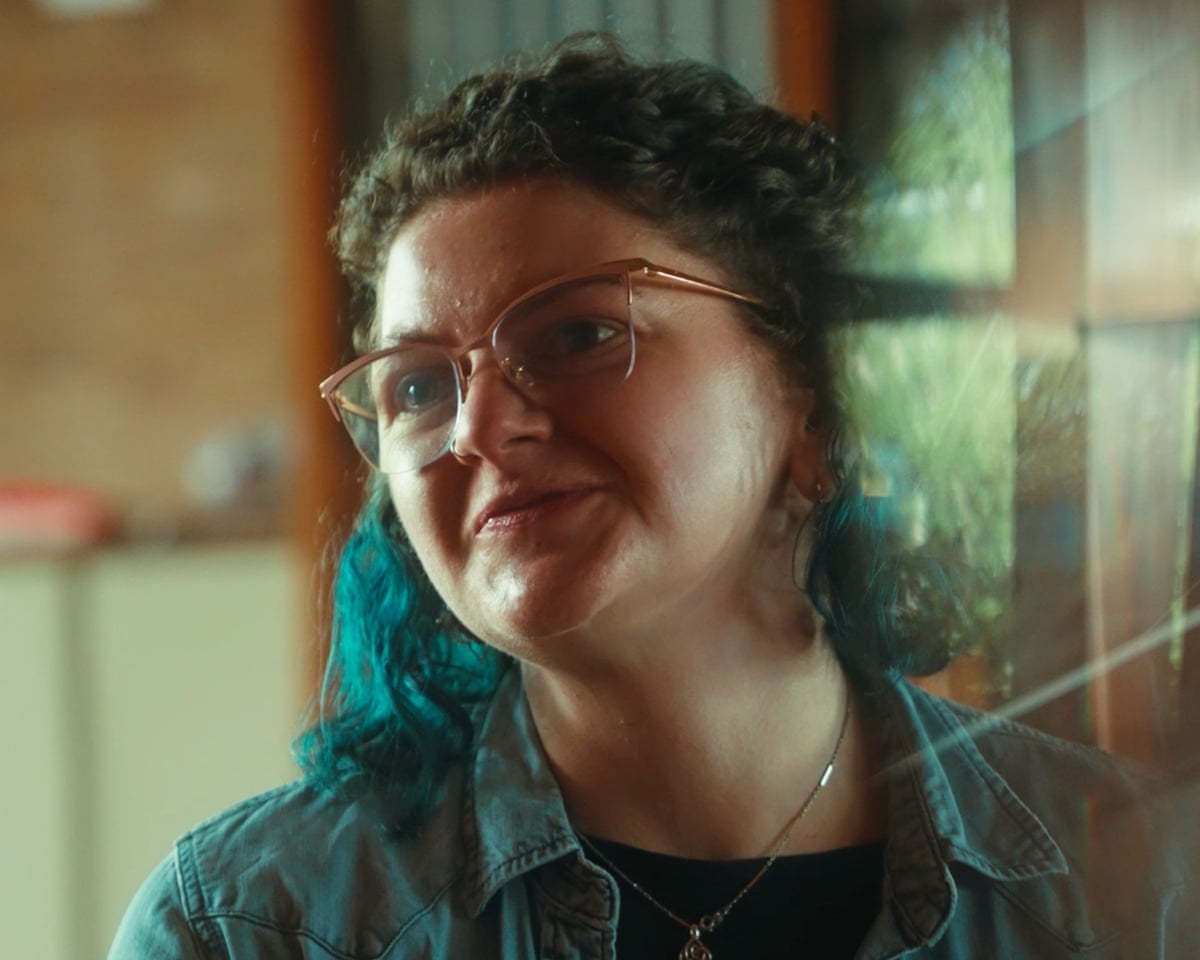
Growing up in Swansea, Liz Puleston-Jones encountered the country's deep traditions of storytelling and folk music, yet they felt distant from her own experience. That changed when she began researching local history as part of Cân y Cymoedd (When Valleys Sing), a heritage project operating in Port Talbot and the surrounding region.
While investigating the area's past, Puleston-Jones discovered the account of Isabel Thomas, a 14-year-old in the 1940s who abandoned her schooling and falsified her age to secure employment at a tin plate works, helping sustain her family through difficult times.
"Her story really spoke to me," said Puleston-Jones. "Before I did this, I didn't really have a connection to the history and storytelling aspect of folk music, and how much it's about community and telling the stories of normal people … Anyone can be part of a tune, and write a tune, and share it."
Thomas's experience has now been immortalised in musical form through the initiative, which is delivered by Wales's national folk arts organisation, Trac Cymru. Across workshops in communities and schools, musicians, historians and volunteers have guided participants in uncovering narratives at local heritage sites and museums, subsequently transforming these discoveries into approximately two dozen newly composed pieces celebrating life in Rhondda Cynon Taf and Neath Port Talbot.
The three-year Heritage Fund-backed project has already generated considerable enthusiasm among those taking part. For many, the experience has rekindled a profound sense of cultural identity and connection to their communities.
Jenny Pope, a participant in the Port Talbot sessions, reflected on the impact:
"For me, it made the Port Talbot area feel like a real beacon of folk music – somewhere people might once have just driven past but now feels full of life and culture. Creating something we can pass on to the next generation has been amazing."

Puleston-Jones described how the collaborative nature of the work transformed her relationship with creative expression.
"I was terrified at the idea of having to write or produce something on my own but it was a collaborative experience. Now instead of watching rubbish TV or doomscrolling I'm being drawn to songwriting and playing my violin after years and years. It feels much healthier."
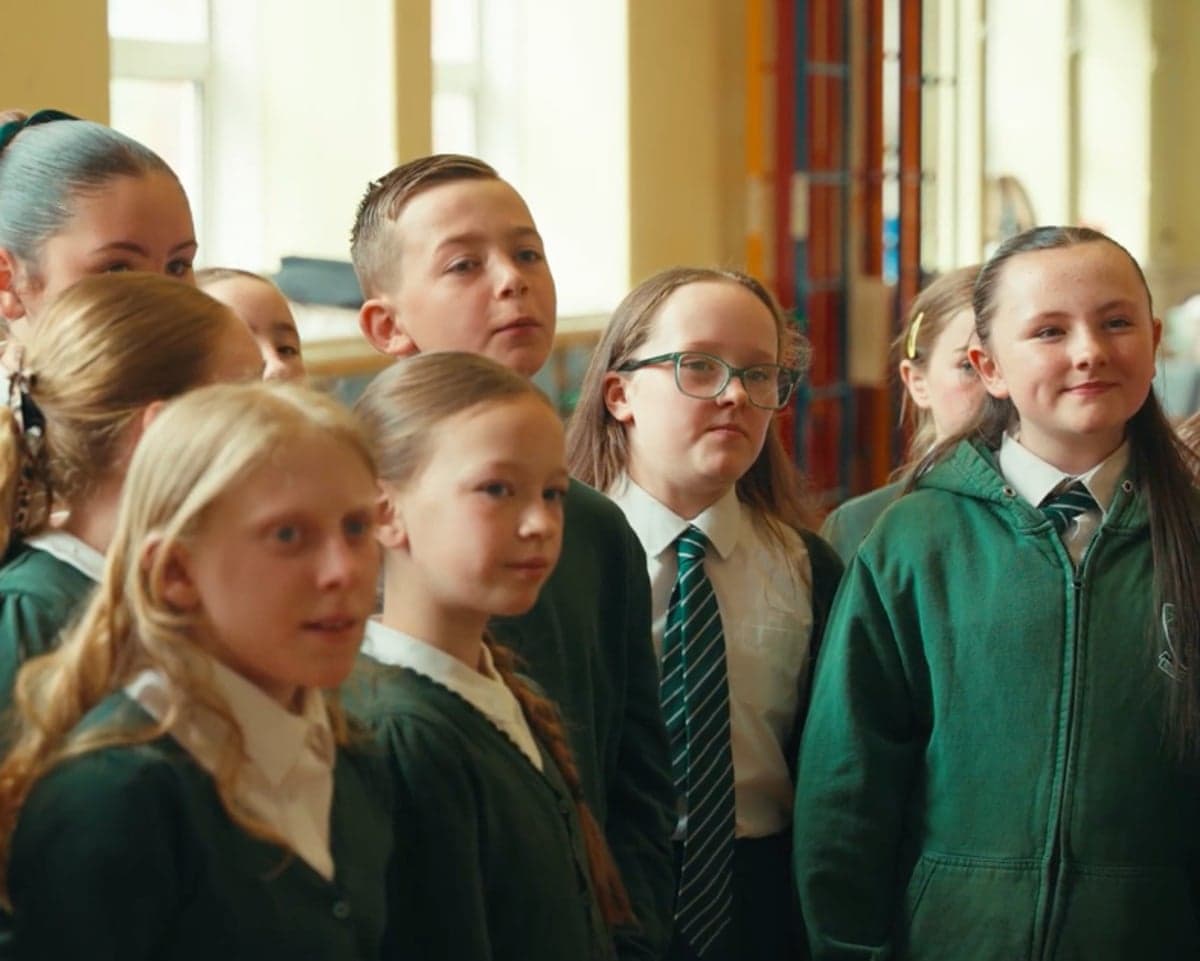
At Llwyncelyn primary school in Porth, within the Rhondda valley, a year 6 class has been learning a composition about their village that was created by the previous year's participants, working alongside fiddle player Aneirin Jones. The group subsequently recorded a music video at Rhondda Park, a site that once operated as a colliery.
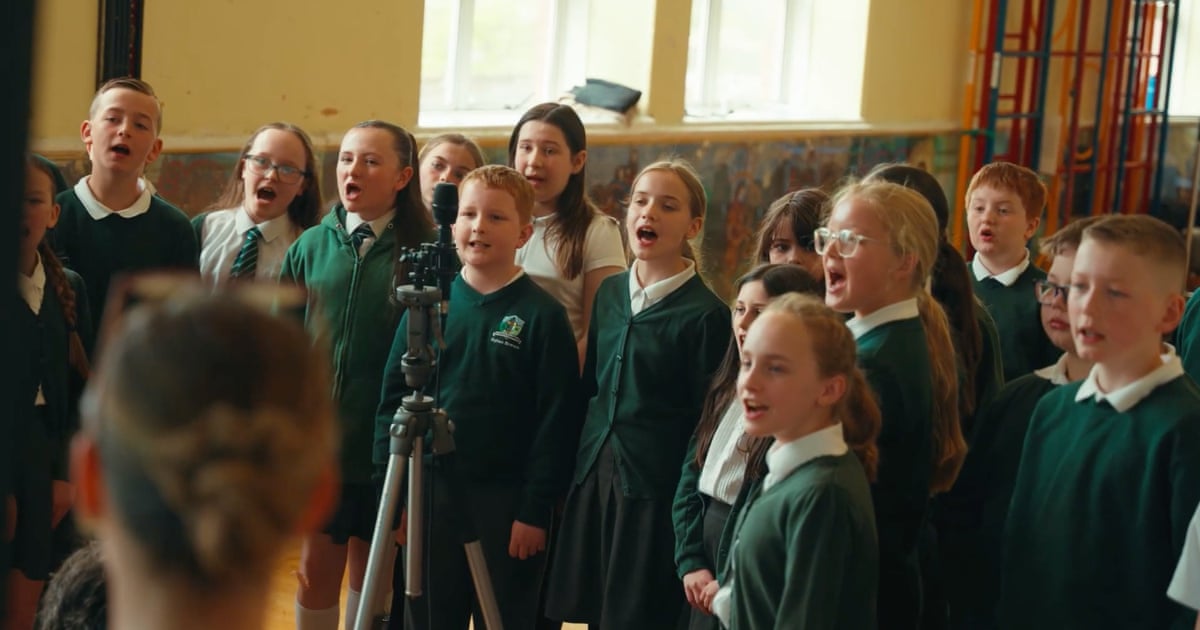
The composition, titled Ein Cân Fach Ni (Our Little Song), weaves together references to the area's distinctive landscape—its mountains, former mines and chapels—alongside the everyday elements that define the children's lives, from the local recycling centre to the playground where they spend their time.
Ifan, aged 10, shared his experience of discovering folk music through the project:
"I knew before but I didn't really know anything else about folk music before this, it's been really fun. My sister is annoyed because her class wrote the song but my class is going to make the video!"
The original compositions are undergoing professional recording for an album that Trac Cymru intends to make widely accessible, with the goal of creating a lasting resource for future generations. The recordings are being produced by Sylvia and Jonathan at ScreenTales, with tracks becoming available on a dedicated SoundCloud playlist.
Antwn Owen-Hicks, the project manager, explained the philosophy underpinning the initiative:
"Cân y Cymoedd is about making sure that traditions continue to evolve. Magic happens when people explore all of this and begin to see where they're from in a different light. It doesn't matter what musical level you're at or what language you speak. If you've got a story, you can write a song, and we help you do this."
The project was modelled on "When Lancashire Sings," a heritage-song initiative previously led by Lancashire County Council's heritage learning team, adapting that successful model to Welsh communities. The first community sessions began in Ynysboeth in the Cynon valley, with the project subsequently expanding across both Rhondda Cynon Taf and Neath Port Talbot.
What happens next
Trac Cymru continues to run workshops in both counties, with updated information and session details available on their project pages. Additional tracks from the Cân y Cymoedd initiative are scheduled to be added to the SoundCloud playlist in the coming months, expanding the growing archive of community-created music that documents the voices and experiences of Wales's valleys.