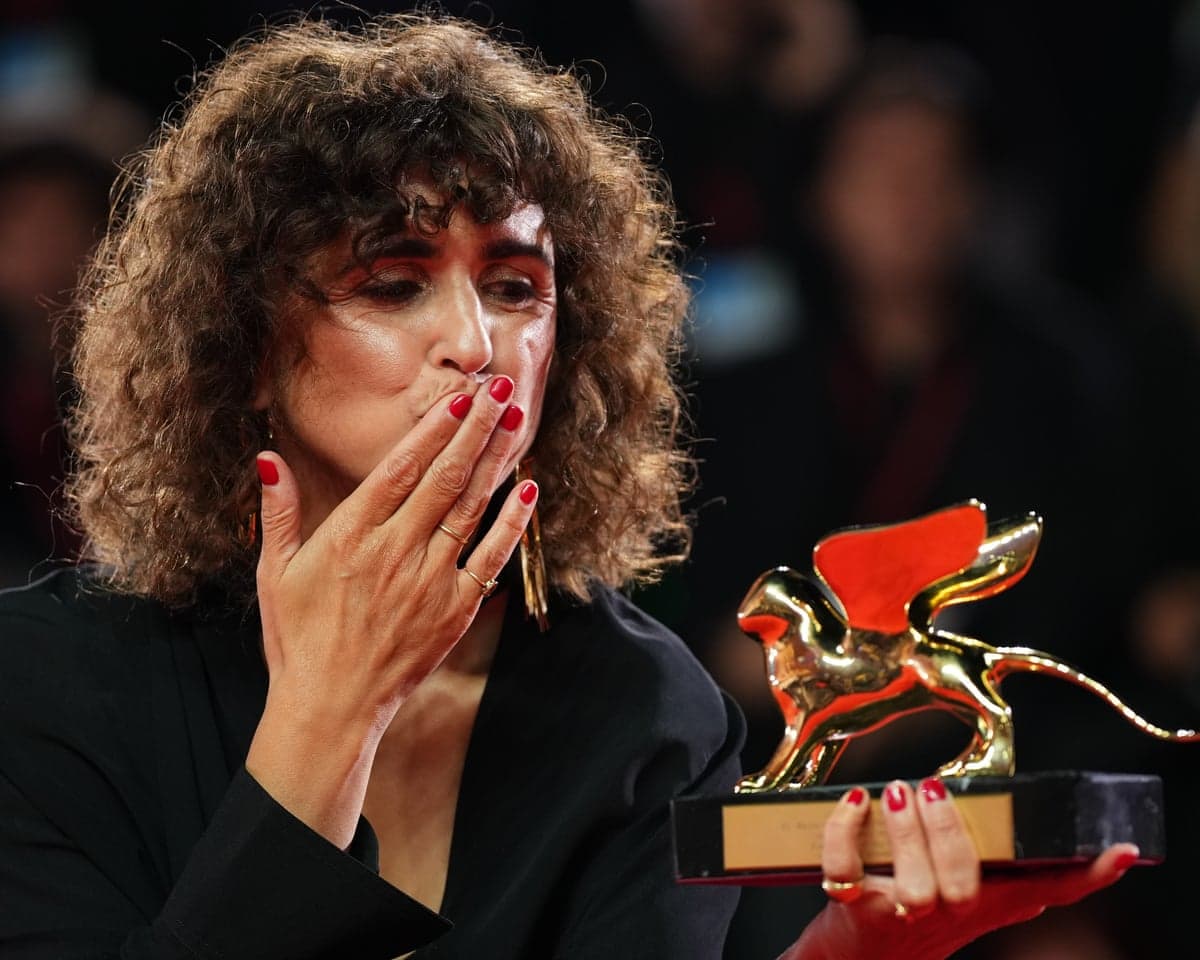
The 83rd Venice International Film Festival concluded on 12 September 2026 with a winners' list that appeared to address longstanding criticism over gender representation in its top awards. The festival's leadership awarded its highest honour, the Golden Lion, to a female director for the first time in recent years, signalling a potential shift in how the event recognises filmmaking talent.
The Golden Lion went to Woman Unknown, directed by Danish-Egyptian filmmaker May el-Toukhy, a gripping psychological drama that explores themes of sexual shame, political paranoia and buried trauma in post-war Denmark. The film's victory came after the festival faced substantial backlash for its previous gender imbalance among award recipients.
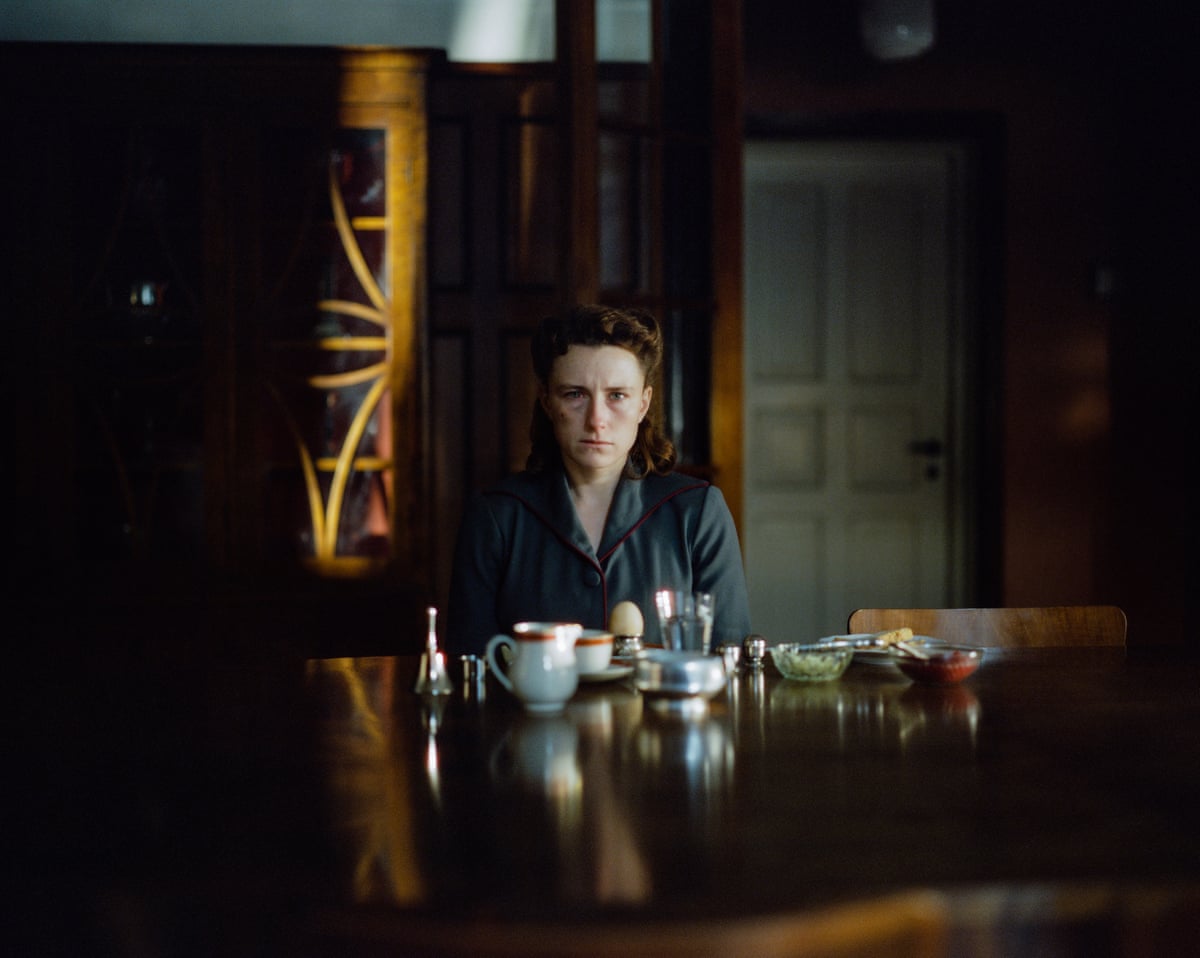
Danish actor Mathilde Arcel, who plays Marie, the nanny at the film's centre, claimed the Volpi Cup for best actress. Arcel's win carried particular resonance: she had registered at a Copenhagen job centre on unemployment benefits just days before her Venice triumph, making her victory a striking personal narrative alongside her professional achievement.
What makes Woman Unknown distinctive?
The film operates as a sophisticated psychological thriller with clear echoes of Hitchcock's Rebecca. Its narrative turns on a wealthy factory owner—a man who preserved his fortune through wartime collaboration with German occupiers—who wishes to marry Marie, his late wife's former nanny. As Marie prepares for the wedding, she takes her employer's white wedding gown to a dressmaker for alteration, a detail that carries unmistakable Hitchcockian weight. The young woman harbours a devastating secret that threatens to unravel everything.
El-Toukhy's direction combines sleek visual sophistication with sharp social observation. The film examines postwar sexual hypocrisy and the moral reckoning demanded by collaboration with occupying forces. Some critics might characterise it as more mainstream than the experimental works elsewhere in the competition, yet it represents a thoroughly accomplished choice with genuine commercial appeal beyond the festival circuit.
Which other films earned major recognition?
The Grand Jury Prize went to South Korean director Lee Chang-dong for Possible Love, an expansive and contemplative narrative about a working-class family traumatised by a factory strike. The father's unemployment becomes the entry point for a wealthy artistic couple who befriend the family, ostensibly to document their lives for a film project. What unfolds is an exploration of exploitation and class dynamics told through Lee's characteristically subtle lens.
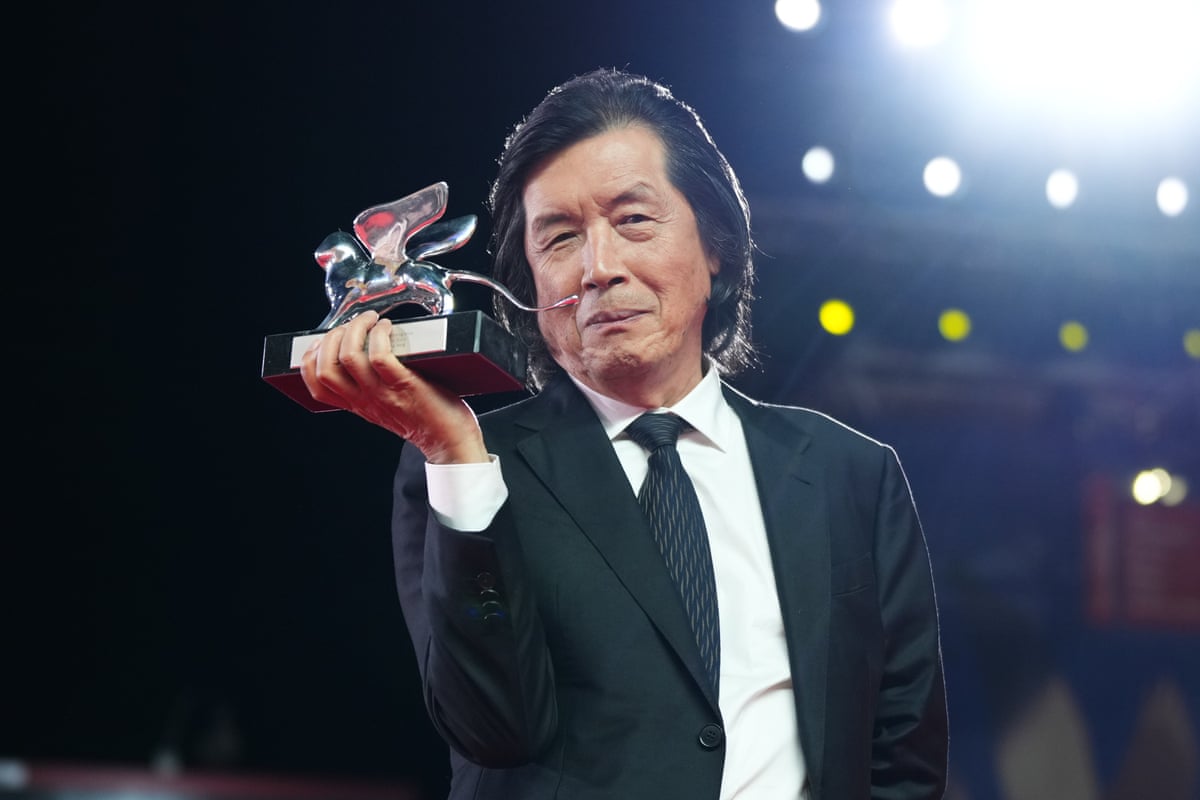
Lee's approach differs markedly from how another filmmaker might handle the material. A more satirical director would sharpen the critique of the wealthy couple's intentions and behaviour, making their exploitation explicit and condemning. Lee instead maintains an ambiguous, unhurried tone that invites viewers into a slower, more noncommittal relationship with the story. Once audiences adjust to this deliberate pacing, the film develops an oddly compelling quality.

Russian artist and filmmaker Ilya Khrzhanovsky received the Silver Lion for best director for Earthly Joys, an epic fictionalised account of Soviet theoretical physicist Lev Landau. The film forms the centrepiece of a larger multimedia project encompassing installations and photographs. Shot on a monumental scale using practical analogue stagings and reconstructions rather than digital effects, the work creates a mesmerising effect by positioning an important but relatively obscure scientist at the mythic heart of Soviet tyranny.
How did the festival address the Gaza conflict?
NAZA, a searing investigative documentary examining the use of artificial intelligence in military targeting during Israel's operations in Gaza, won the special jury prize. Directed by Yuval Abraham and Rachel Szor, the film received a sustained 24-minute standing ovation at its screening, reflecting its emotional impact on audiences. The documentary's recognition marked a significant moment for the festival, which has faced scrutiny over how it addresses geopolitical crises.
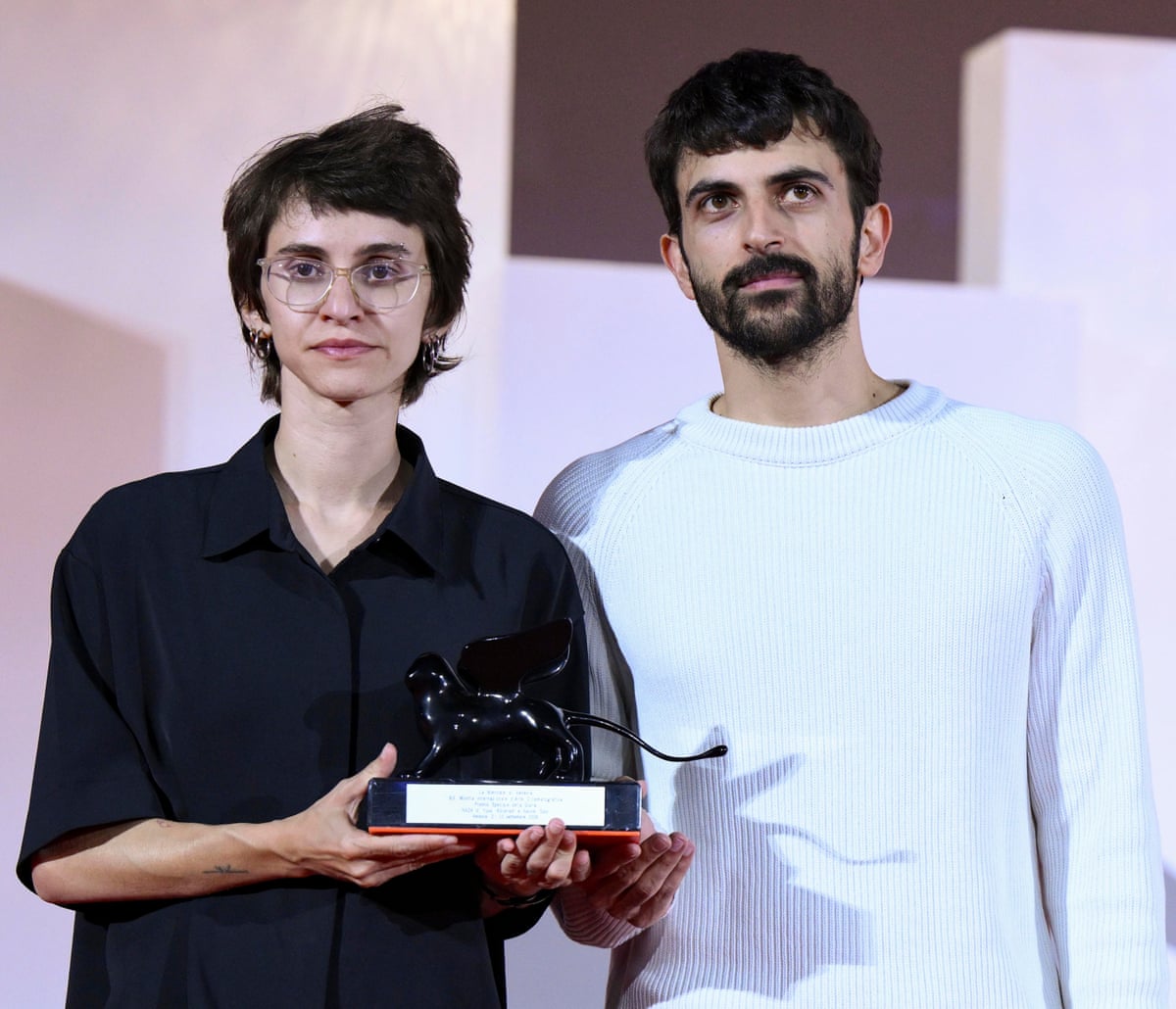
Gaza and international responses to the conflict have become contentious subjects at film festivals worldwide. By scheduling and honouring NAZA, Venice demonstrated a commitment to platforming substantive documentary work on urgent global issues rather than engaging in performative gestures. The film's victory suggested the festival was willing to engage with politically charged material in a serious manner.
The documentary's success at Venice has since sparked intense debate beyond the festival circuit. According to the festival's official records, the awards were finalised at the conclusion of the 83rd Venice International Film Festival, which ran from 2 to 12 September 2026. Following the ceremony, published a comprehensive winners list confirming the prize recipients on 14 September 2026.
What about the festival's popular favourite?
Martin McDonagh's raucous satire Wild Horse Nine emerged as the festival's popular hit, featuring John Malkovich and Sam Rockwell as two exhausted CIA operatives in 1973 Chile, worn down by decades of covert operations and deniable assignments. Some observers anticipated the film might claim the top prize, yet it ultimately went unrewarded in the major categories. Malkovich did secure the Volpi Cup for best actor, a recognition that traditionally strengthens an actor's position in the awards season ahead, particularly for the Academy Awards.
The festival's awards reflected a deliberate curation of diverse filmmaking voices and urgent subject matter. Venice has historically served as a barometer for the coming awards season, though observers noted that this year's edition featured considerably less Hollywood presence and awards-season speculation than in previous years.
What does this mean for cinema and the festival's future?
The 83rd Venice International Film Festival concluded with a slate of winners that suggested meaningful progress on representation and thematic range. El-Toukhy's victory as a female director winning the festival's highest honour represented a notable shift, while the recognition of NAZA signalled the festival's willingness to engage with politically consequential documentary work. The awards also highlighted international cinema, with recognition for Danish, South Korean and Russian filmmakers alongside American talent.
For audiences in the United Kingdom and globally, the festival's selections promise significant discoveries. El-Toukhy's work in particular offers the prospect of introducing international viewers to a filmmaker of considerable sophistication and artistic vision. The broader winners' list suggests that Venice, after what some characterised as a slightly uneven festival, concluded with choices that balanced artistic merit, commercial viability and social significance.
Key Facts
- Woman Unknown, directed by May el-Toukhy, won the Golden Lion at the 83rd Venice International Film Festival on 12 September 2026
- Mathilde Arcel won best actress for her role in Woman Unknown while registered on unemployment benefits in Copenhagen
- NAZA, a documentary on military targeting practices, won the special jury prize and received a 24-minute standing ovation
- Lee Chang-dong's Possible Love won the Grand Jury Prize, while Ilya Khrzhanovsky received best director for Earthly Joys
- John Malkovich won best actor for Wild Horse Nine, positioning him as a contender in the forthcoming awards season