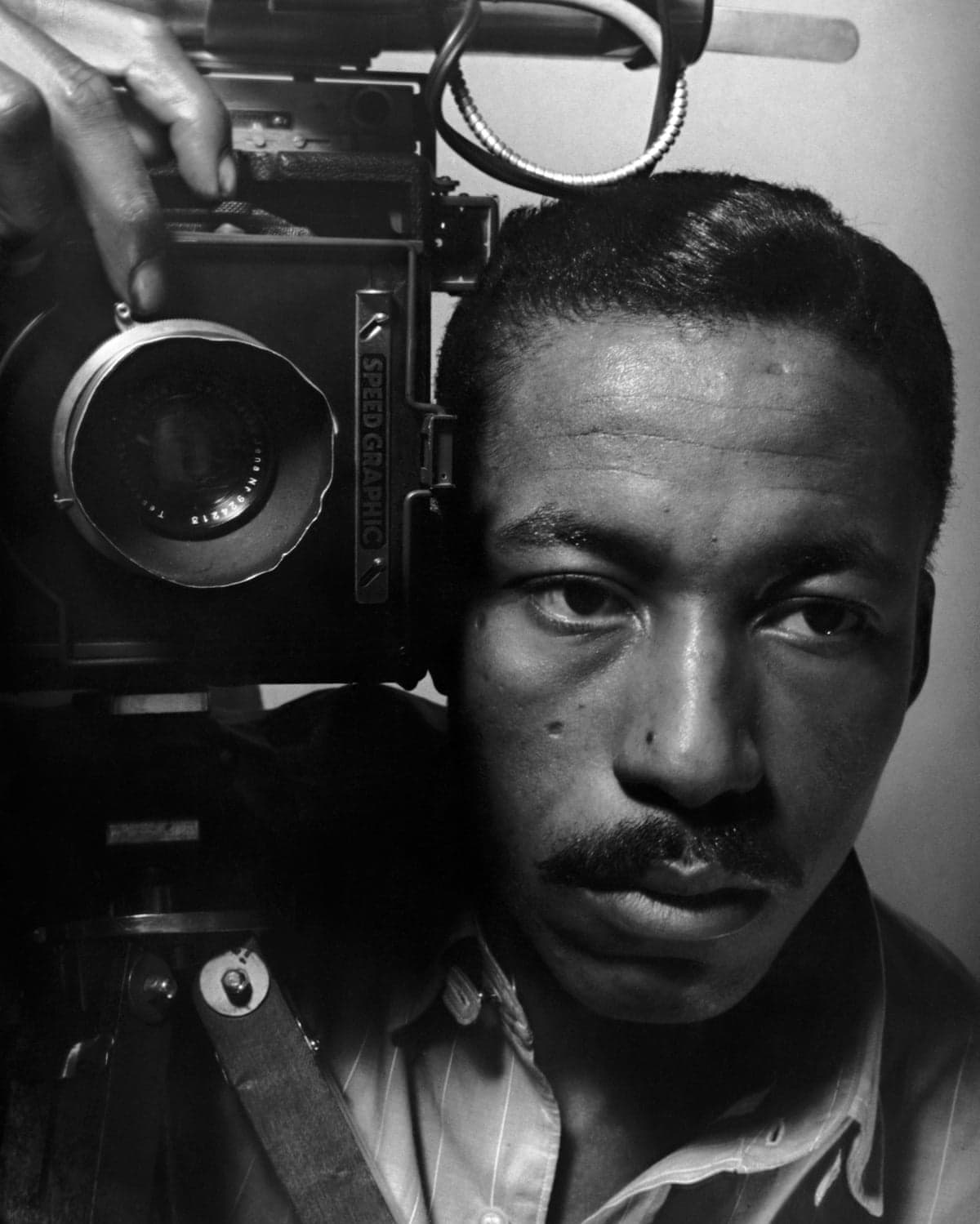
A major retrospective opening this autumn at a New York gallery celebrates the 20th anniversary of the Gordon Parks Foundation by bringing together the photographer's most iconic images alongside reflections from the families and subjects he documented. The exhibition, titled Gordon Parks: Voices in the Mirror, runs from September 18 to November 6, 2026 at Jack Shainman Gallery at 46 Lafayette Street, and frames Parks's work through the collaborative relationship between the artist, his subjects, and their descendants.
Parks was far more than a photographer. He was a poet, composer, film director and mentor whose creative reach extended across multiple disciplines, embodying the spirit of a Renaissance figure whose influence continues to shape contemporary artists and activists. Born in Fort Scott, Kansas, he devoted his career to revealing the inner lives, worlds and fundamental humanity of the people he encountered through his lens. As the first Black staff photographer at Life magazine, Parks broke barriers that opened doors for generations of artists who followed.
In 2006, Parks established the Gordon Parks Foundation alongside Life magazine editor Philip B Kunhardt Jr to advance his artistic vision and educational mission. The current exhibition draws together voices from those who knew him personally and those whose lives were transformed by his work, including the families of Muhammad Ali and Malcolm X, writer Rebecca Walker and her mother Alice Walker, criminal justice advocate Bryan Stevenson, filmmaker Ava DuVernay, and conceptual artist Hank Willis Thomas.
What made Parks's photographs so powerful?
Parks possessed an extraordinary ability to capture moments that transcended the immediate scene before him. His photographs connected viewers not only to his subjects but also to deeper truths about identity, dignity and the human condition. According to the Gordon Parks Foundation, the exhibition emphasizes how Parks's long-term significance lies in his portraiture and his commitment to bearing witness to the lives of ordinary people in extraordinary circumstances.
Lonnie Ali, wife of Muhammad Ali and interim president and CEO of the Muhammad Ali Center, recalls one photograph in particular as capturing her husband at a pivotal moment in his life.

My favorite Gordon Parks photo is the one where he followed Muhammad to London in 1966. It's a young [Ali] in a very pensive or reflective mood, leaning against a staircase with a suit. The world was beginning to open up for him, and it was that pensive look of reflection on where he had been and where he was going.
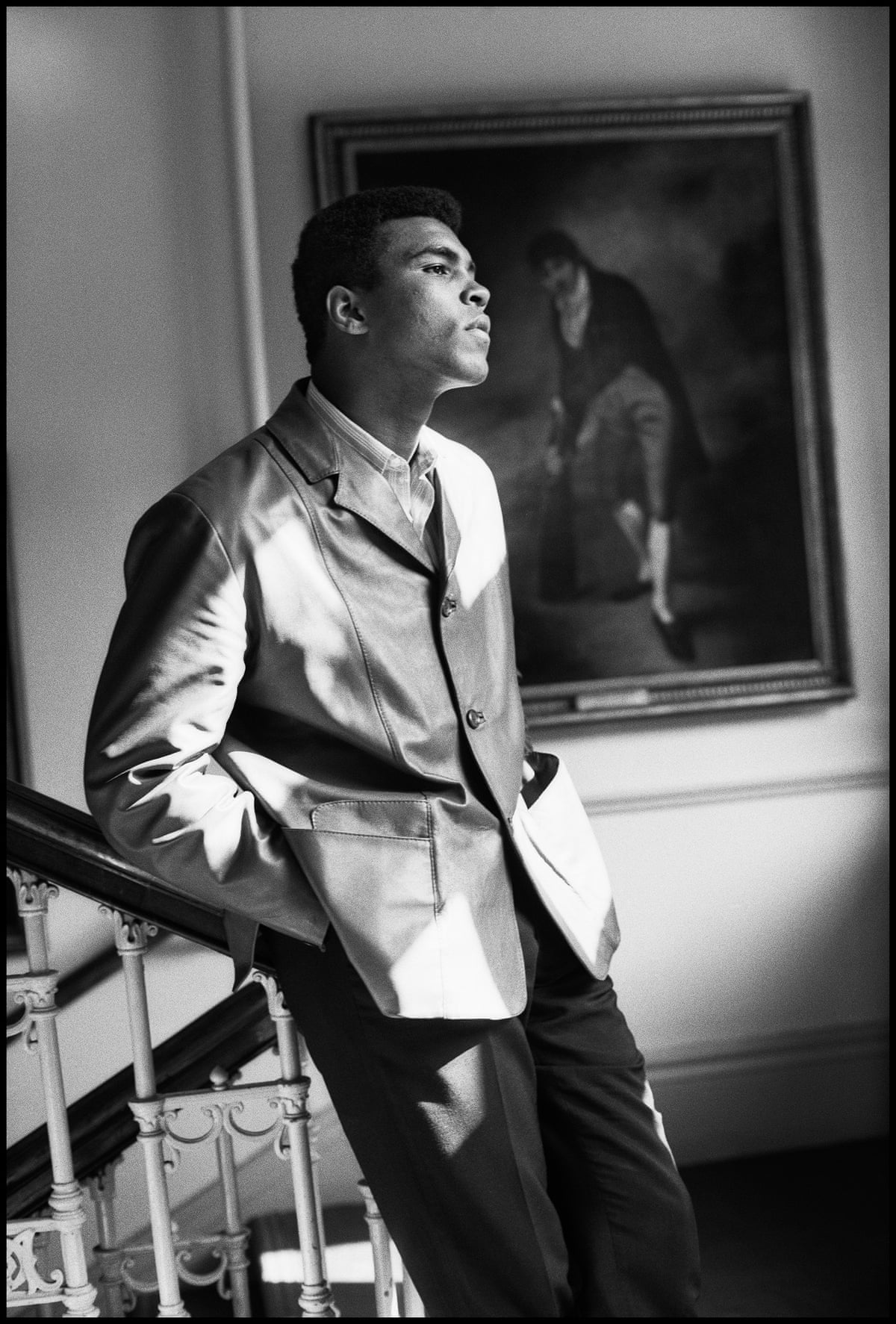
Ali emphasizes that Parks possessed a rare gift for capturing unguarded moments without artifice or posturing.
Gordon was so good at capturing the moment, and I don't even think it was something Muhammad could stand there and pose for. Park's photos of him are one of the more intimate portrayals of [Ali].The resulting images revealed dimensions of Ali's personality that the public rarely witnessed—his vulnerability, charm and wit alongside his public persona as a fighter and activist.
The article that Gordon did on him did a lot to make people see the human side, the charismatic, charming, witty, little childish side of Muhammad, that endeared him to so many.Ali reflects on how Parks's work continues to resonate across generations.
His images can still connect you to his subjects and what he photographed. That power of his artistry in capturing the moment still draws people in, even generations who never met him.
Ali draws a parallel between two men who refused to be confined by the limitations society imposed on them.
Muhammad and Parks carved out the life they wanted, and they were not to be denied. They were trailblazing men. Resilient. Warriors in their own way. Muhammad, on a canvas with his fist, but also with his heart, and Gordon with his camera, and with his heart and wit of how he made that picture come alive.
How did Parks influence filmmaking and storytelling?
Parks's impact extended beyond still photography into cinema. In 1969, he directed, produced and scored The Learning Tree, a film adaptation of his 1963 autobiographical novel—making it the first major Hollywood studio film directed, produced and scored by a Black director. Actor Kyle Johnson, who starred in the film portraying Parks through the fictional character Newt, worked closely with the director and witnessed his collaborative approach firsthand.
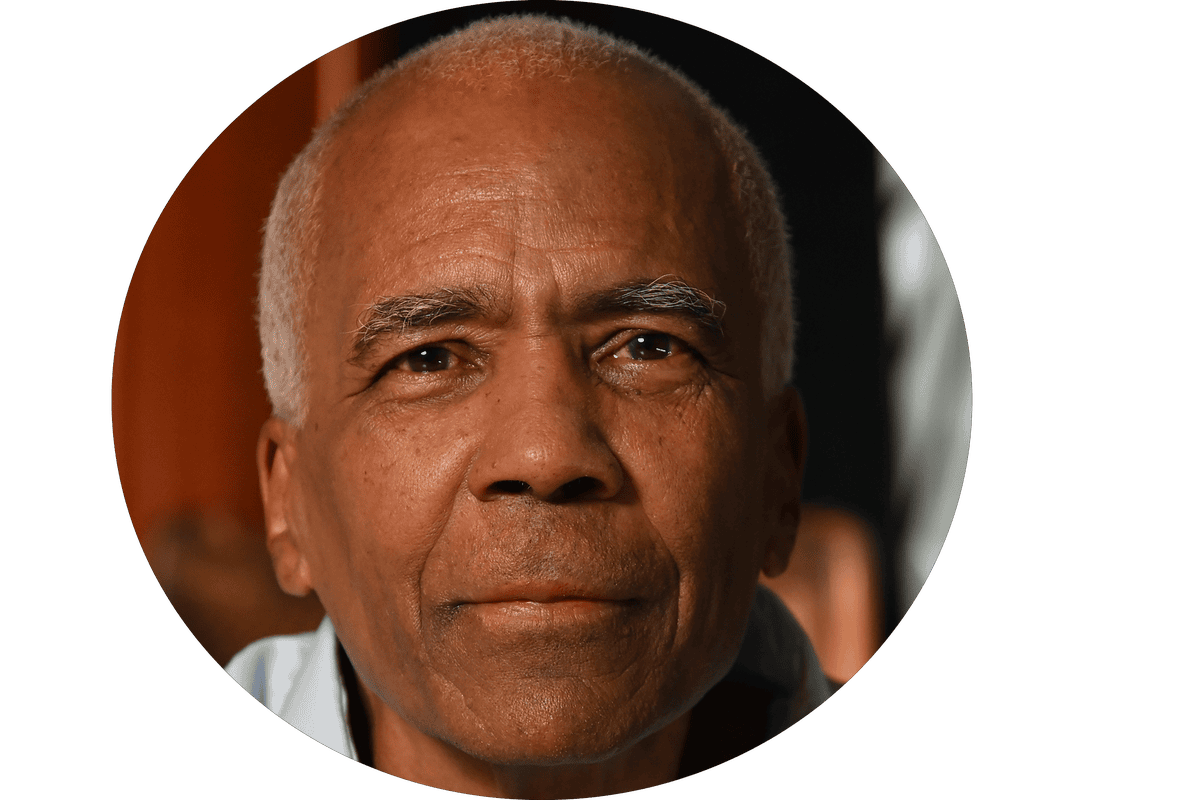
Working with Gordon was quite relaxed, quite comfortable, and he made everyone else feel that way. When we began shooting, he said to us: "This is going to be our chance to tell our story, cause my story is the story of so many Black people in America. It's our story, and our history."
Johnson emphasizes the transformative impact the film had on audiences who saw themselves reflected on screen for the first time in a major motion picture.
This was really the first time that Black people could see themselves as they understood themselves on screen. Almost everyone who approached me after seeing the movie was speaking about how uplifting it was and how they've been waiting their lives to see this portrayal of themselves as fully fledged human beings appearing on the screen.
Beyond narrative filmmaking, Parks approached even the smallest subjects with the sensibility of a master artist. Johnson describes Parks's meticulous attention to composition and light, drawing parallels to the great painters of history.

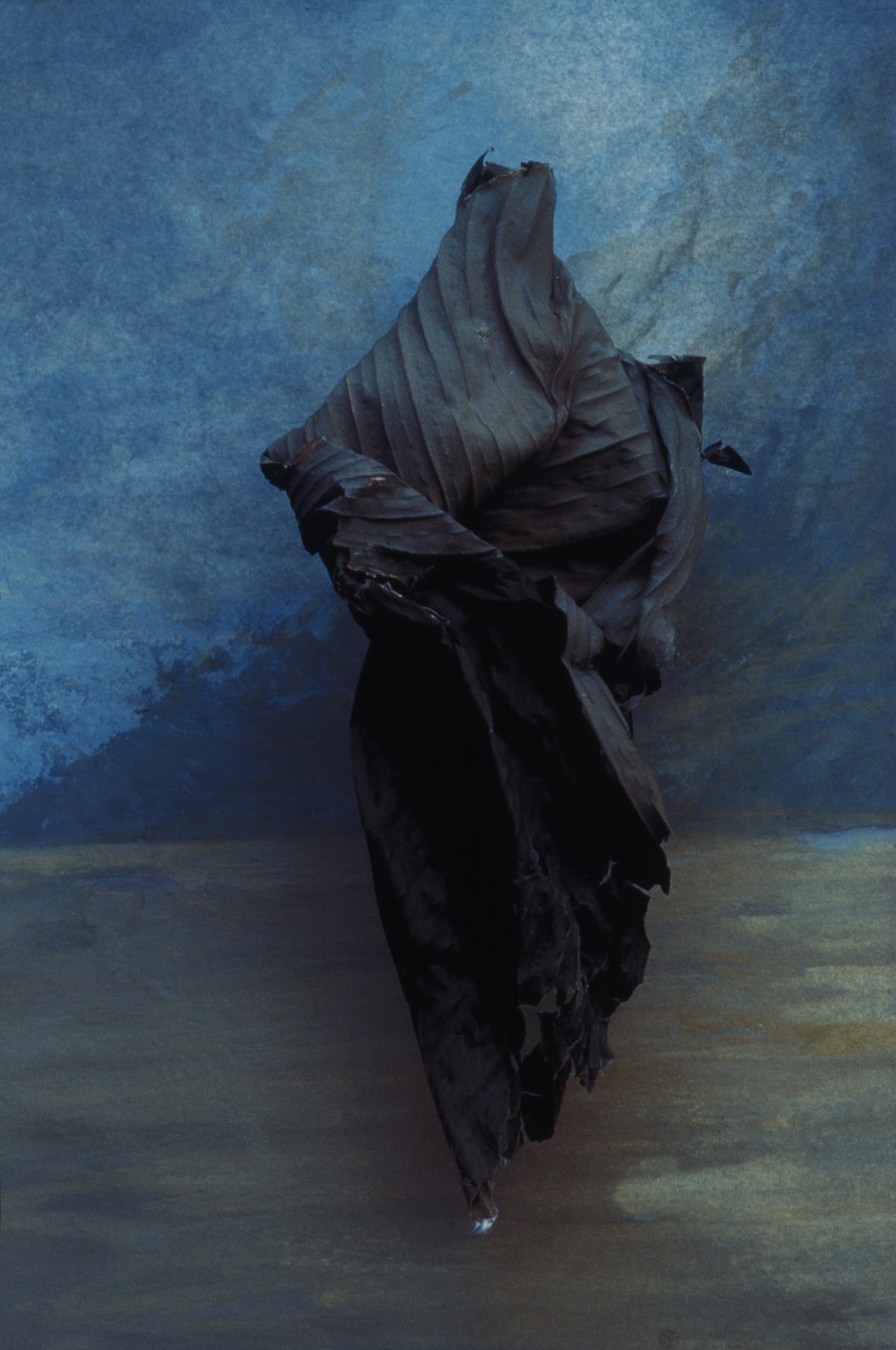
His painting appears in the photo from [Parks's photo book Arias in Silence] as the background, and the thing that is in the foreground is hard to believe, but that is a leaf. He'd go out on a walk and see something interesting and bring it back, and he shot the things in his living room with the available light. The leaf seems animate, like an expression of a human being. Even the shape of it. You can almost see the person inside.
Johnson elaborates on Parks's artistic philosophy, comparing his work to impressionist painting.
It's like the great impressionistic painters. Maybe you don't see the woman the painter was seeing; maybe you don't see it the first time, the second time or the 10th time. But if you come back to the impressionistic work, you see something that you didn't see before. That's the thing: now it jumps out at you, whereas before you couldn't recognize it. I think it was just this sense of life or afterlife that it has. There's something about it that just says, this is not an object. This is not a leaf. This is an expression of an actual person of a spirit and a soul. It has enough to suggest its previous existence as a human, and yet something of that remains here.
Johnson identifies what he calls Parks's mastery of the decisive moment—a concept central to photographic practice.
Gordon very much had a sense of [the decisive moment], which is instilled in all of his work. If you look at his work, whether it's portraiture, fashion or things in the natural world, if the photo was taken two seconds before or after, it just wouldn't be his photo.
How did Parks reveal the dignity of people under segregation?
Rebecca Walker, a writer, teacher and co-founder of the Third Wave, a non-profit organization advocating for young women's involvement in activism and leadership, reflects on one of Parks's most haunting photographs documenting the Jim Crow South. Her mother, novelist Alice Walker, grew up during this era, and the image resonates deeply with family history.

At first glance, the image looks like a beautifully outfitted, middle-class Black father and his children going to get some ice cream, and it feels very contemporary because of the colors. I am happy to see a Black middle-class father and his children in this way because so often Black men and their children are portrayed as victims and, generally, in a kind of degraded way.
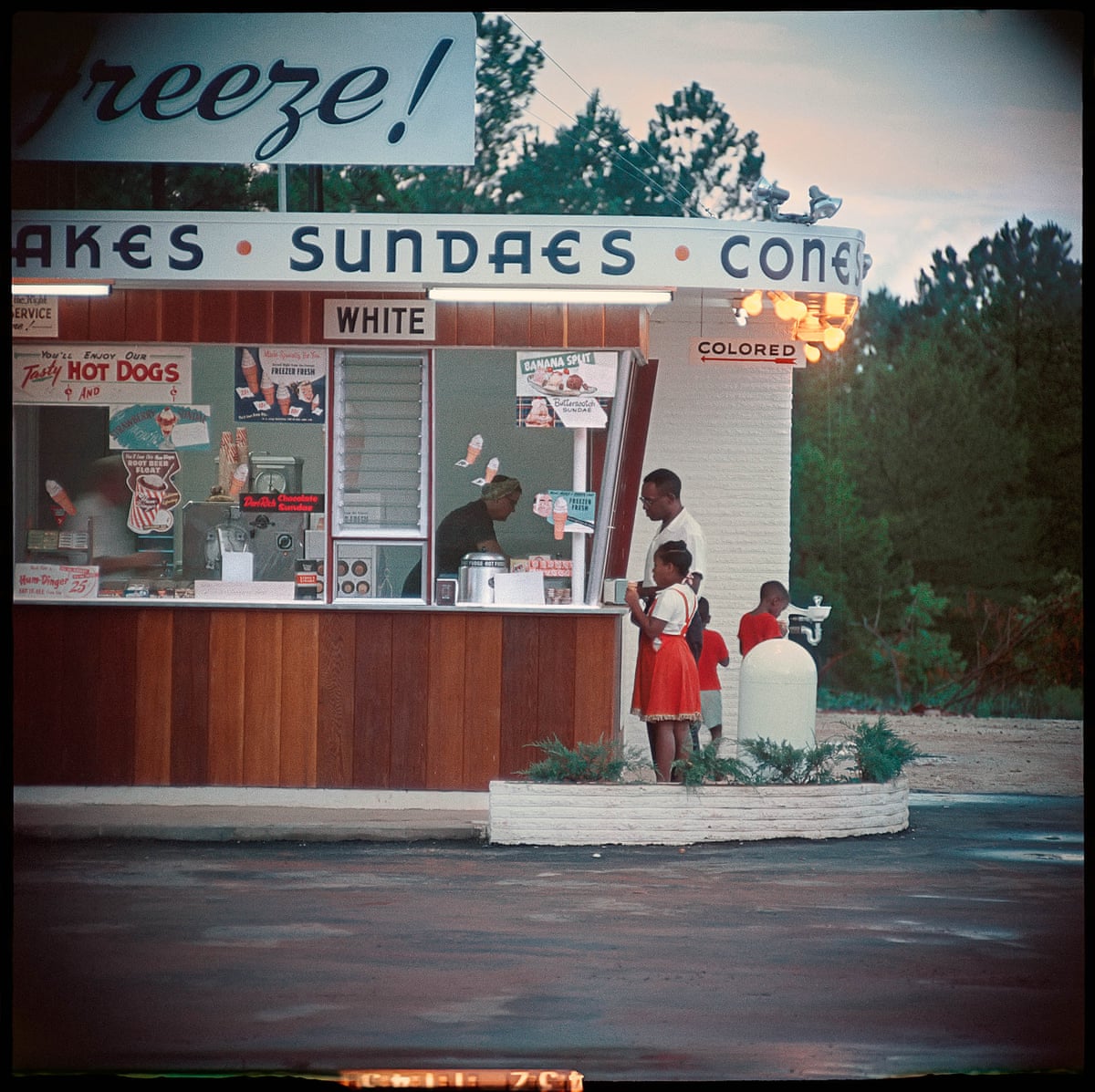
Yet the photograph contains a devastating second layer of meaning that emerges upon closer inspection.
Then, if you look again, you see the sign that says "White" and "Colored". It dawns on you that, in fact, this exchange is being delineated and shaped by a deeply painful, integrating system of segregation. This beautiful family is meant to feel less than, and the white person inside bustling to serve them, even though she's in a service position, is made to feel superior, just based on their race. Then the weight of the Jim Crow South settles, and then the disturbance is there, just lurking, and it begins to haunt you.
Walker identifies what she sees as the photograph's central moral statement—the refusal of the family to accept diminishment.
I think what was so moving to me was this brother's dignity. They're going up to get their ice cream, and he's not going to let this sign or this system keep him from it. They're not going to be made to feel inferior in any way. It's a real portrait of something that we need to pay more attention to, which is the ways in which our hard-earned dollars are propping up a system that is not necessarily benefiting Black people. It's also very moving to me because my mother grew up in the Jim Crow South, and in many ways it's a representation of a scene that I imagine could come from her life.
Walker describes Parks's method as one of profound seeing—a quality that transcends the moment of exposure to connect past, present and future.
I felt like Gordon was seeing us and we didn't even know he was looking. He was just walking around in a seemingly very ordinary way. We could see in the photographs that he was really seeing so much more deeply, seeing beyond what we were presenting and seeing into our deepest beings, not just in the present, but how we were connected to the past and the future in those moments and how we transcended time. He really understood the historical importance at the moment.
She concludes with admiration for Parks's choice to lead with humanity rather than exploitation.
I'm proud of Mr Parks for taking that image, understanding its importance and how beautiful we are, and doing it so beautifully with such care. As opposed to leading with the brutality, he's leading with the humanity.
What was Parks's legacy as a cultural figure?
Hank Willis Thomas, a conceptual artist whose work explores themes of culture and identity, views Parks as a defining figure whose influence shaped how subsequent generations approach art and social documentation.

Gordon Parks is definitely the definition of a Renaissance man. He was a person who had lived many lives. Parks led by the way he lived his life, the quality in which he lived, and the way he carried himself, which was deeply inspiring. It seemed as if the rules of the world that were fed out to confine him did not actually limit him at all, but he actually excelled past and transcended any boundary that society put in his place.
Thomas emphasizes that Parks's refusal to accept limitations extended to his artistic practice.
He was so committed to not being confined to a box that I'm always more compelled by the sensibilities and the revelations I have when learning about the stories behind the photographs. This idea that we're looking at a picture, literally standing in someone's shoes, looking through someone else's eyes, and the fact that he chose that specific second to capture, I think, is fascinating. It's a time-travel for me.
Thomas traces Parks's artistic philosophy to his early work with the U.S. government during the New Deal era, when federal agencies commissioned photographers to document American life as a means of building national unity and compassion.
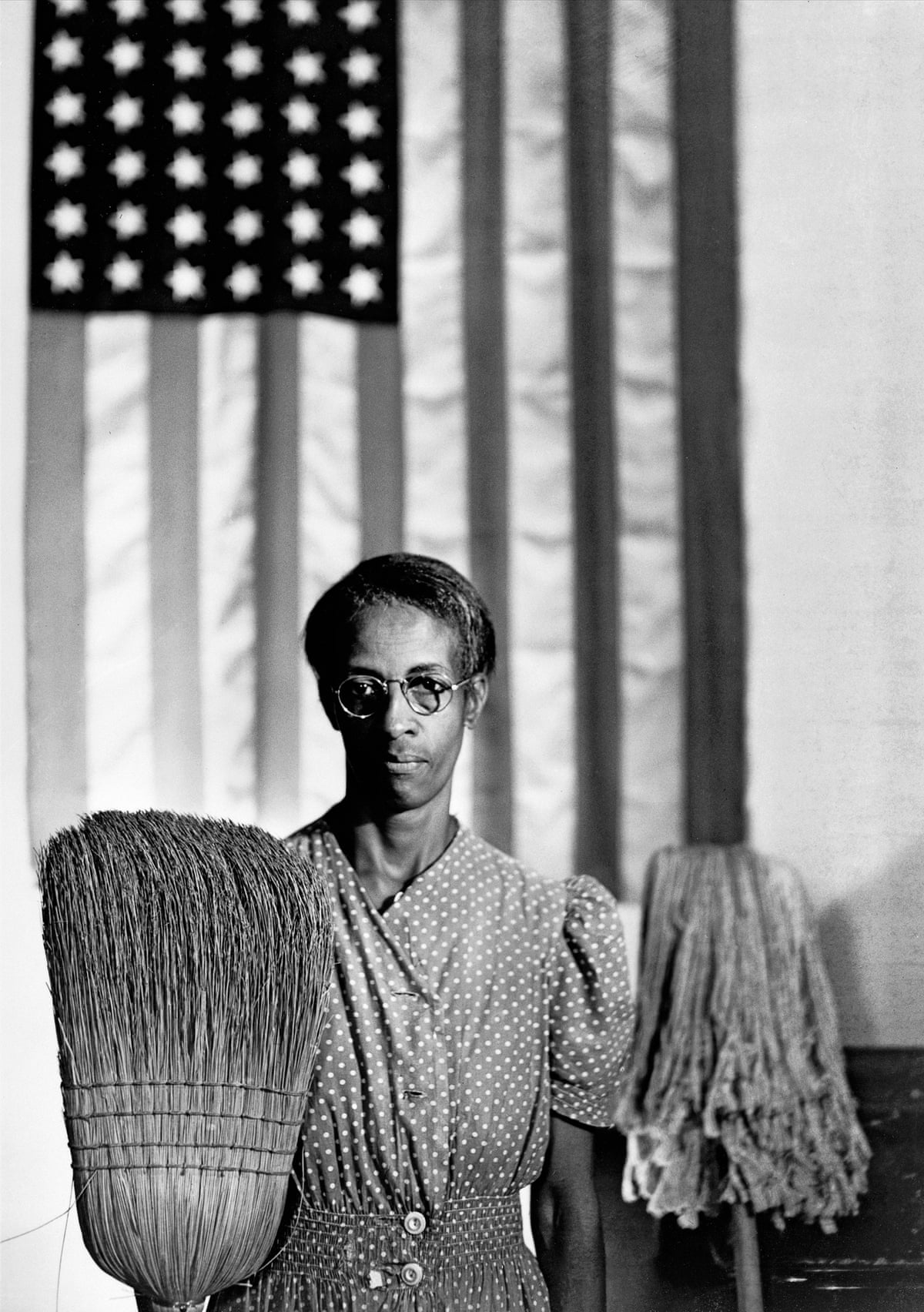
He took the image American Gothic while working for the US government during a time when the government thought that documenting the stories and sometimes the struggles of the American people could be a way to bond and inspire us and create empathy and compassion. I think that he probably learned through that early assignment that those lessons were something he could carry on to his career, and so when I think about his other work, I can't help but think that he was still, in some ways, continuing that project.
Thomas articulates the core values embedded in Parks's entire body of work.
I think the story [in his photos] is about empathy, bearing witness, courage, perseverance and seizing the moment. I hope that he wouldn't just try to tell us something, but would try to encourage us to think, invite us to look more closely at the things we take for granted, or don't even see or bear witness to. Every story he found and every person he found, he was making history, not copying it.
What happens next?
The exhibition Gordon Parks: Voices in the Mirror remains on view at Jack Shainman Gallery through November 6, 2026. According to the Gordon Parks Foundation, the show is titled after Parks's final memoir, published in 1990, and continues the foundation's mission to advance his artistic legacy and educational vision. The exhibition pairs Parks's photographs with reflections from descendants and survivors of the people he documented, creating a dialogue between past and present that honors both the photographer's vision and the humanity of his subjects.