Shane O'Sullivan's latest documentary assembles archive footage and film clips to construct a portrait of the political scandal that defined an era and reshaped American public trust. The film, which runs 105 minutes and is directed, produced and edited by O'Sullivan himself, opened in cinemas on 19 September 2026 through a limited theatrical release by E2 Films, with fewer than 25 locations participating in the rollout.
O'Sullivan's body of work reveals a consistent preoccupation with the political upheaval and countercultural ferment of the late 1960s and 1970s. His previous projects include a book and film examining Robert Kennedy's assassination, an acclaimed study of the female leadership within the Baader-Meinhof Group and the Japanese Red Army, and other explorations of that turbulent decade. His focus on this particular historical moment has now crystallised into an examination of Watergate itself—the break-in, the cover-up, and its ripple effects across American culture.
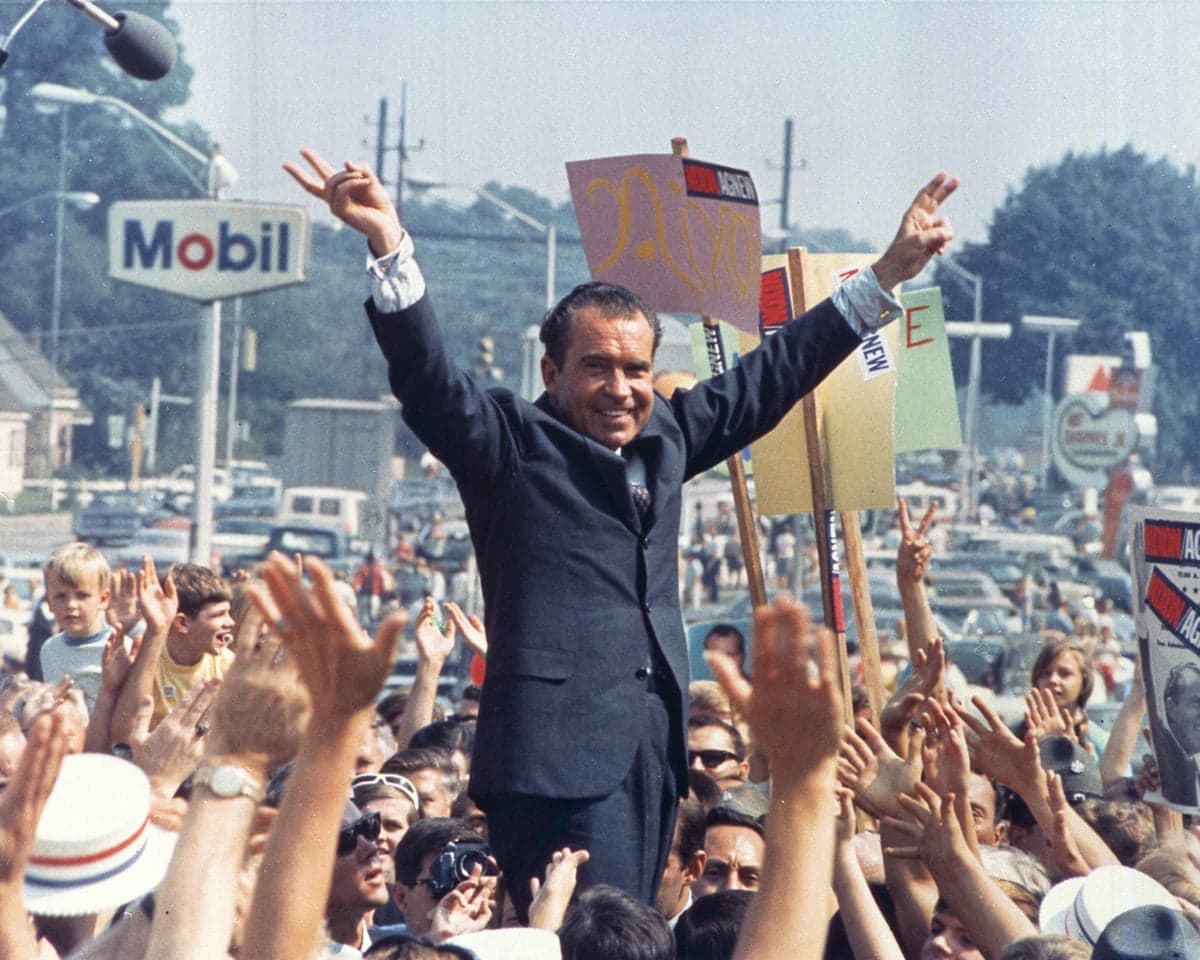
The documentary traces Nixon's trajectory from the 1968 primaries through the June 1972 break-in at Democratic National Committee headquarters and his resignation in August 1974. Rather than dwelling on procedural minutiae, O'Sullivan surveys the scandal's most significant moments, allowing the archive material to speak for itself. The film incorporates Nixon-era music, television commercials, and cinema to establish the political and cultural context of the period, creating a layered portrait of the nation during those two years of crisis.

How does the film blend past and present?
O'Sullivan weaves together archival clips with scenes from both contemporary and recent films to create a collage that feels simultaneously nostalgic and urgent. The voiceover, delivered by actor and musician Harry Shearer, guides viewers through the material with deadpan precision. Alongside period-appropriate footage from classics such as Medium Cool, All the President's Men and Taxi Driver, the director incorporates moments from later films that grapple with or reference the scandal. Christina Ricci's obsession with the Watergate hearings in The Ice Storm (1997), the bumbling incompetence of the burglars as depicted in the 1999 spoof Dick, and Shea Whigham's portrayal of break-in architect G. Gordon Liddy in the recent television miniseries Gaslit all sit comfortably alongside the original archive material. This juxtaposition allows viewers to see how Watergate has been processed and reinterpreted through subsequent decades of cinema.
What emerges from the archival record?
The documentary presents Nixon in moments rarely seen by the general public—candid exchanges with aides before cameras roll, instances where he appears surprisingly personable and even humorous. Yet these glimpses of humanity coexist with footage of him making false statements to the nation. The contrast invites reflection on how political figures present themselves and the gap between private conduct and public pronouncements. O'Sullivan's editorial choices suggest an implicit comparison with contemporary politics, allowing audiences to draw their own conclusions about how standards of political behaviour and public discourse have shifted.
The film succeeds in making the essential facts of Watergate comprehensible to viewers unfamiliar with the scandal's details, without sacrificing sophistication or nuance. The result avoids the trap of mere nostalgia, instead using period materials—both documentary and fictional—to illuminate how a nation processed a constitutional crisis and what that moment revealed about American institutions and culture.
Where can audiences see the film?
The limited theatrical release means that availability is restricted to fewer than 25 cinema locations across the country. Viewers interested in seeing the film should check local listings or contact their nearest independent or art-house cinema to confirm whether it is playing in their area. No additional theatrical expansion or broadcast premiere date has been announced at this time.