Multidisciplinary artist Taryn Simon has created her most expansive work yet for the Guggenheim Museum in New York. Titled Father Country I Do Love You, the exhibition opened on September 18, 2026, and represents a landmark achievement: the first monographic exhibition by a photography-based artist to occupy the museum's iconic spiral rotunda, and the largest debut of new work ever staged at the institution. The project, developed over a decade, traces the real life of an unnamed retired federal agent through interconnected narratives of espionage, conspiracy and violence.
When Simon sat down in a conference room at the Guggenheim weeks before the opening, the scale of the undertaking was evident in her demeanor. The lobby was being transformed into a recreation of the Bangkok living room of Jim Thompson, a silk businessman and intelligence operative who vanished in 1967. Simon's father, a US government employee stationed in Thailand at that time, had theorized that Thompson was either captured by Chinese agents or killed by a tiger. When Simon was nine years old, she and her father reconstructed Thompson's celebrated wood-panelled study on Long Island. Now, for the exhibition, she was rebuilding it again using materials designed to mimic teak. "I've spent so much time trying to make non-teak look like teak," she said, her voice trailing off with the exhaustion of perfectionism.
How does Simon approach artistic research?
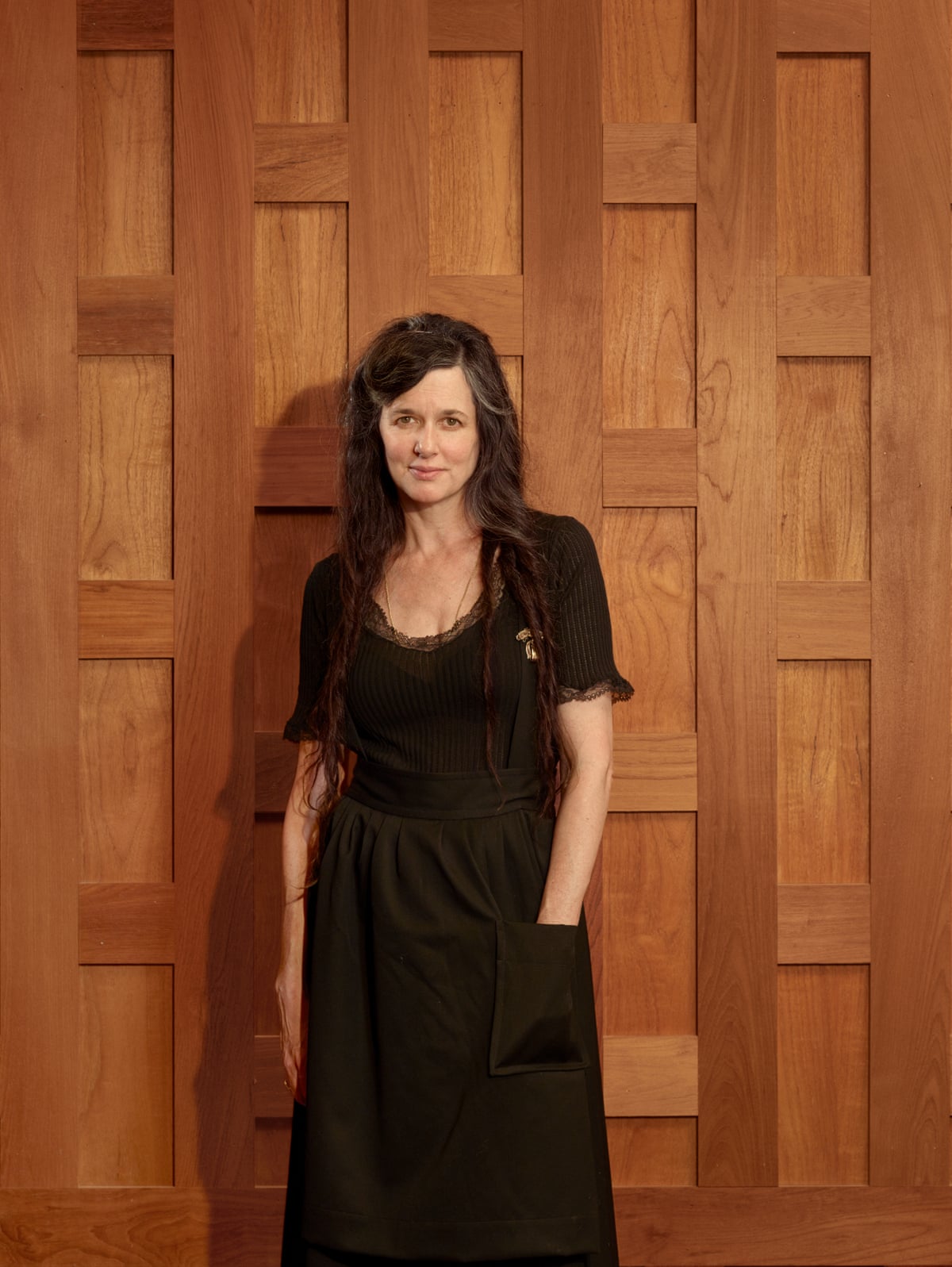
Meticulous attention to detail defines Simon's multidisciplinary practice, which encompasses photography, video, performance, sculpture and bookmaking. She functions as an academic artist, applying journalistic rigor and archival methodology to her work, transforming research, preparation and curiosity into artistic mediums themselves. Over her 25-year career, she has examined systems of information, organization and power through a combination of image and text, exploring subjects ranging from borders to botany to genealogy.
Her early breakthrough in the 2000s featured photographs of exonerees at the locations where their alleged crimes occurred, interrogating photography's role in wrongful convictions. Since then, Simon has undertaken projects of staggering ambition. She spent five days cataloguing confiscated items at John F. Kennedy International Airport in an exercise she describes as "sleeplessness." She imported more than 4,000 specimens to recreate botanical collections from the signings of international treaties. She traced and documented the lives of individuals including the first female airplane hijacker, the body double of Saddam Hussein's son, and a laboratory rabbit. Through years of correspondence and telephone calls, she gained access to sites and objects rarely seen by American audiences, from classified government facilities to a braille edition of Playboy.
What is the structure of Father Country?
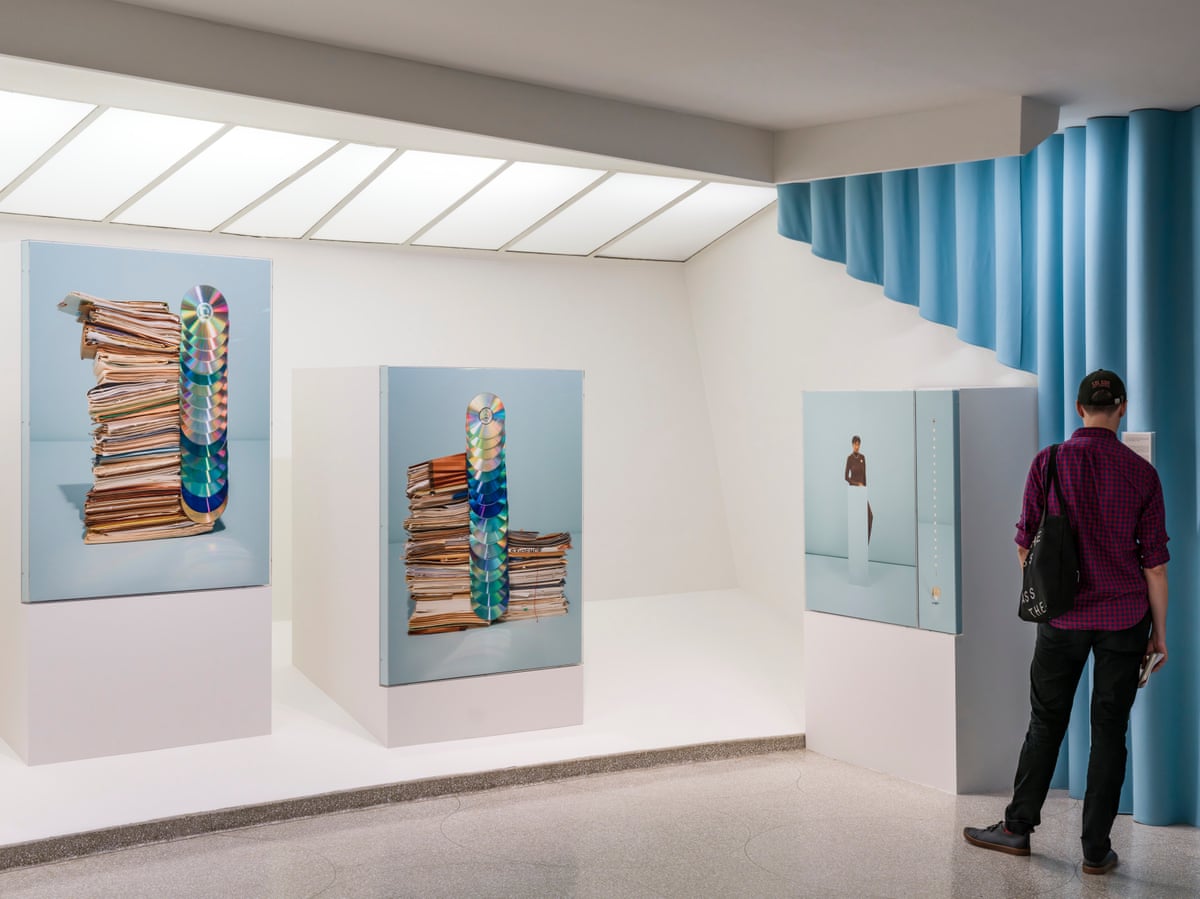
The exhibition comprises 42 multipart artworks, or "chapters," that unfold across the rotunda's entire spiral. The installation includes never-before-seen photographs, text, videos, and sculptures that collectively tell a fragmented story. Each chapter is color-coded and begins with a first-person narrative written in the voice of the federal agent, composed by Simon based on text messages and visits with him. "The project is built almost like a novel," Simon explained. "Each chapter is color-coded and begins with a first-person narrative text in the voice of the agent, written by me, based on text messages and visits."
Some connections between image and text follow a linear path. The agent and his colleagues were once tasked with locating the bullet that killed deputy White House counsel Vince Foster in 1993. Instead, Simon notes,
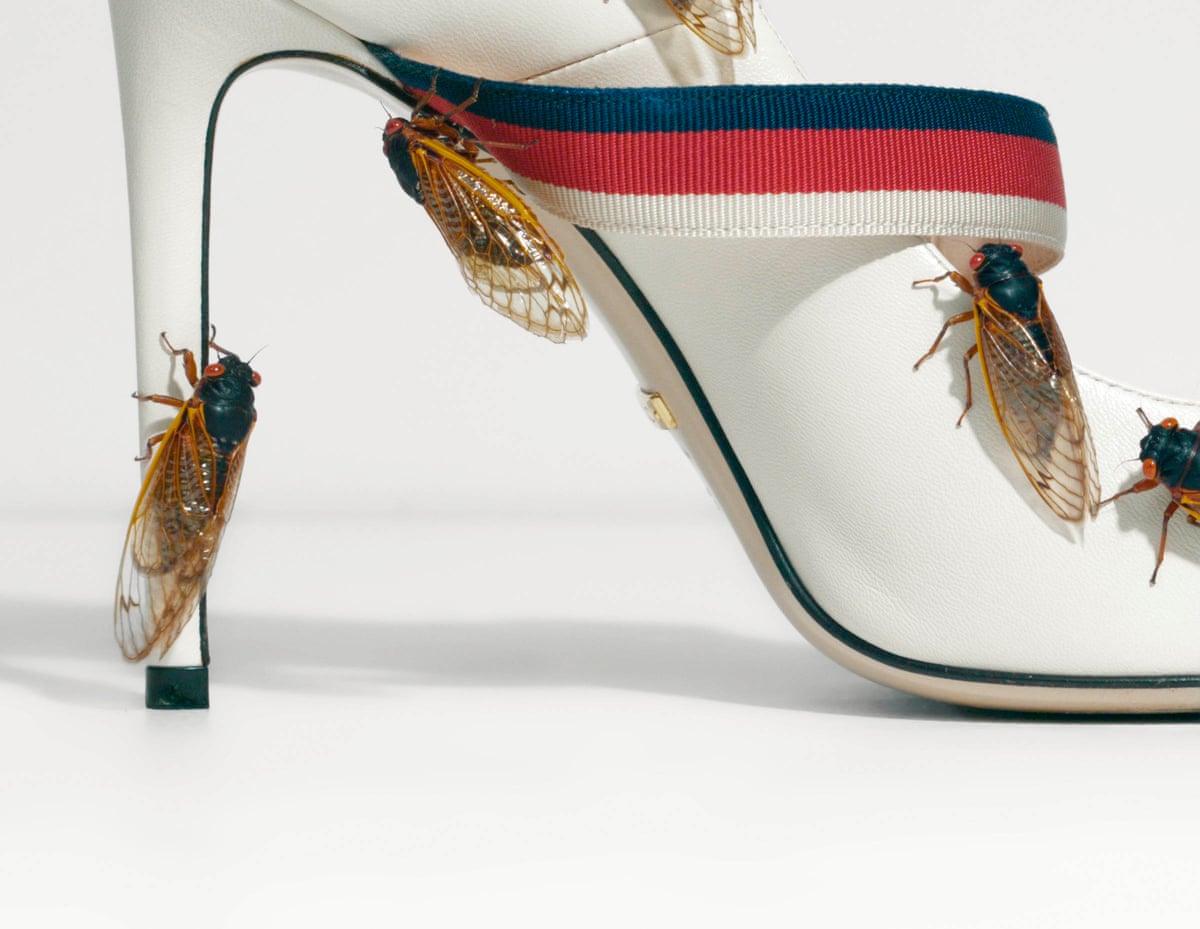
"They ended up with tons of civil war objects,"which she catalogues with the precision of an encyclopedia of evidence. Other narrative threads are more oblique, as if Simon is entering a story through a side entrance. In one instance, the agent was assigned to supervise two children at a hotel and took them to the swimming pool. Their mother, it transpired, was involved in a sting operation that resulted in the arrest of a Washington, D.C. mayor. Decades later, Simon located the woman's sister, Mertine Moore Brown, and photographed a collection for her sister's fashion brand at that same hotel pool.
How does Simon position herself within the work?
In earlier projects, Simon maintained distance from her subject matter. In Father Country, she partially lifts that veil. Occasional passages reference her in the third person, as if she were the subject of an intelligence dossier. This constructed version of Taryn Simon develops confiscated film, collaborates via post with the DC sniper and is threatened
"during a photoshoot at a warehouse in Fort Meade where excess Department of Defense property is stored."

Several moments in the exhibition represent departures from Simon's established practice. One section features portraits of various individuals collaged together into patterns and shapes.
"I challenged myself to be a little more all over the place, let go a little bit, and let the voice be fractured and faulty and fun and wrong,"she said.
"That was scary, but it was very important to me to try."Simon's reasoning reflects a conviction that life itself is fundamentally messy, that profound grief must coexist with the mundane rhythms of daily existence.
"I let the things that don't feel like they should be together."
What personal dimensions does the exhibition explore?
Father Country concludes with a chapter devoted to memory loss. On election day 2020, the federal agent experienced transient global amnesia, a temporary condition in which the formation of new memories becomes impossible. That same year, Simon's father received a diagnosis of Alzheimer's disease. The entire project is dedicated to him.
"I never got his full story,"Simon writes.
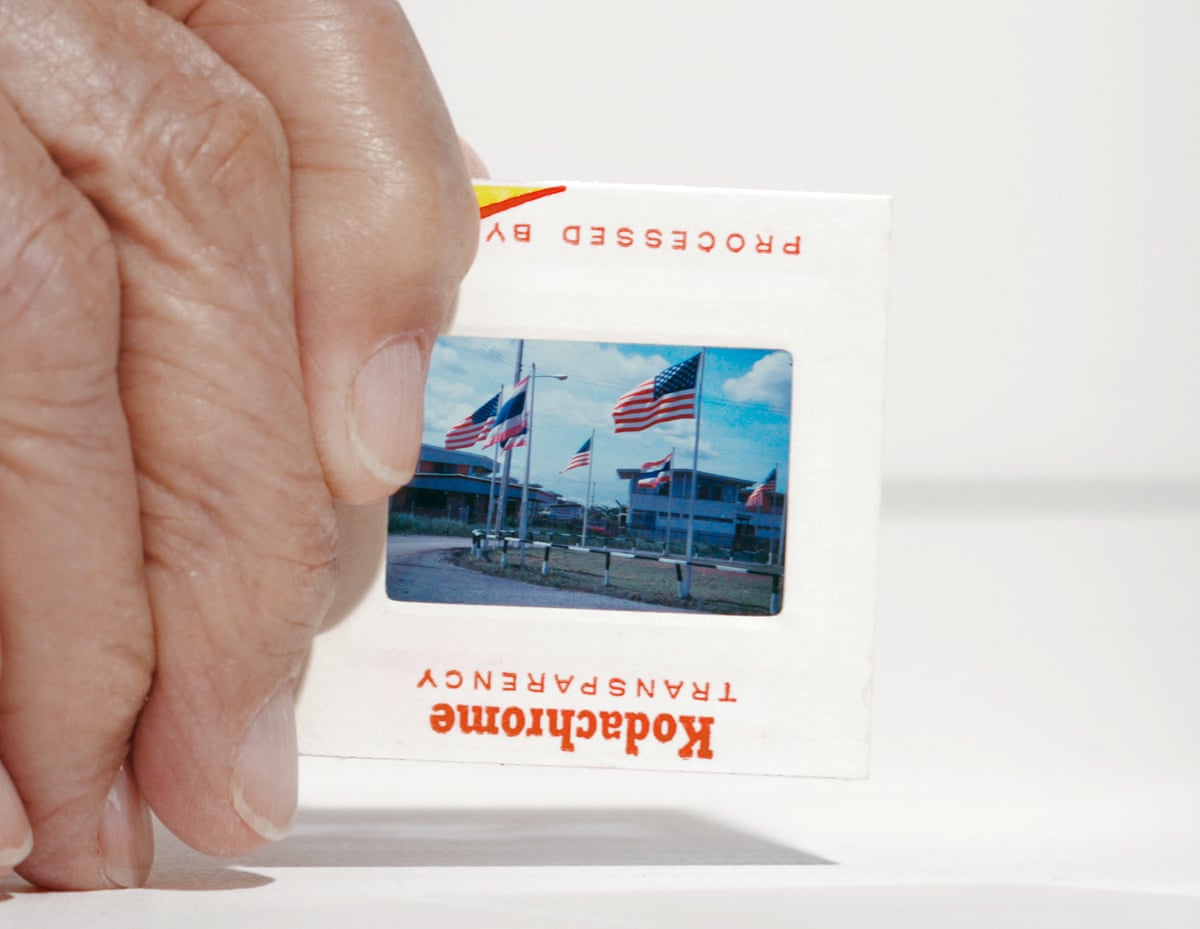
"He left out as much as he told."A final video component features recordings of her father's distressed vocalizations layered over images of Kodachrome slides documenting his travels.
"He would give me these slideshows of all these countries and talk about them,"Simon recalls.
"That was really how I traveled and understood the world."The concluding image in the exhibition catalogue shows Simon as a child at Jim Thompson's house, her hands resting on a staircase constructed from genuine teak.
Who is Taryn Simon?
Simon, now 51, has maintained a distinctive personal aesthetic since her twenties. She favors knee-length suspender skirts chosen for their practicality—the apron pockets accommodate film, cameras and other equipment during shoots. She has worn no pants since her twenties, with one exception:
"If I have to go someplace with ticks,"she explains.
"If I want to take a picture in the woods somewhere, I'm gonna put on some pants."She designed these garments herself and once constructed them by hand, though she now employs a seamstress. Her long dark hair, now streaked with silver and parted to the side, frames her face consistently. For the interview, she wore a lacy camisole instead of her typical billowing blouse, paired with a black skirt featuring multicolor godets inspired by a stewardess uniform.
"I just thought: 'That's so good I need to have it.'"
Simon requested that the interview not be recorded, preferring to speak
"normally"without the presence of a device. She was eager, if visibly anxious, to discuss her latest work, narrating extended passages while sipping iced tea. She oscillated between giggling and performatively groaning about her tendency to complicate her own creative process. When asked if she ever considered simply affixing a print to the wall with tape, she laughed at the notion of such expedience.
What makes this exhibition historically significant?
The Guggenheim's selection of Simon for this milestone exhibition underscores the institution's recognition of photography-based practice as a major contemporary art form. The museum announced the exhibition as part of its 2026 schedule in September 2025. Beyond its role as a landmark show, the complete project will become part of the Guggenheim's permanent collection, ensuring that Father Country I Do Love You remains accessible to future audiences.
When can visitors see the exhibition?
Taryn Simon: Father Country I Do Love You remains on view at the Guggenheim in New York through March 14, 2027. The exhibition occupies the museum's entire rotunda, offering visitors an immersive experience of Simon's decade-long investigation into espionage, memory, family and the nature of evidence itself.
Key Facts:
- The exhibition opened on September 18, 2026, and runs until March 14, 2027
- It is the first monographic exhibition by a photography-based artist in the Guggenheim's iconic rotunda
- The project comprises 42 multipart artworks developed over ten years, tracing the life of an unnamed federal agent
- The complete work will enter the Guggenheim's permanent collection
- The exhibition is dedicated to Simon's father, who was diagnosed with Alzheimer's in 2020