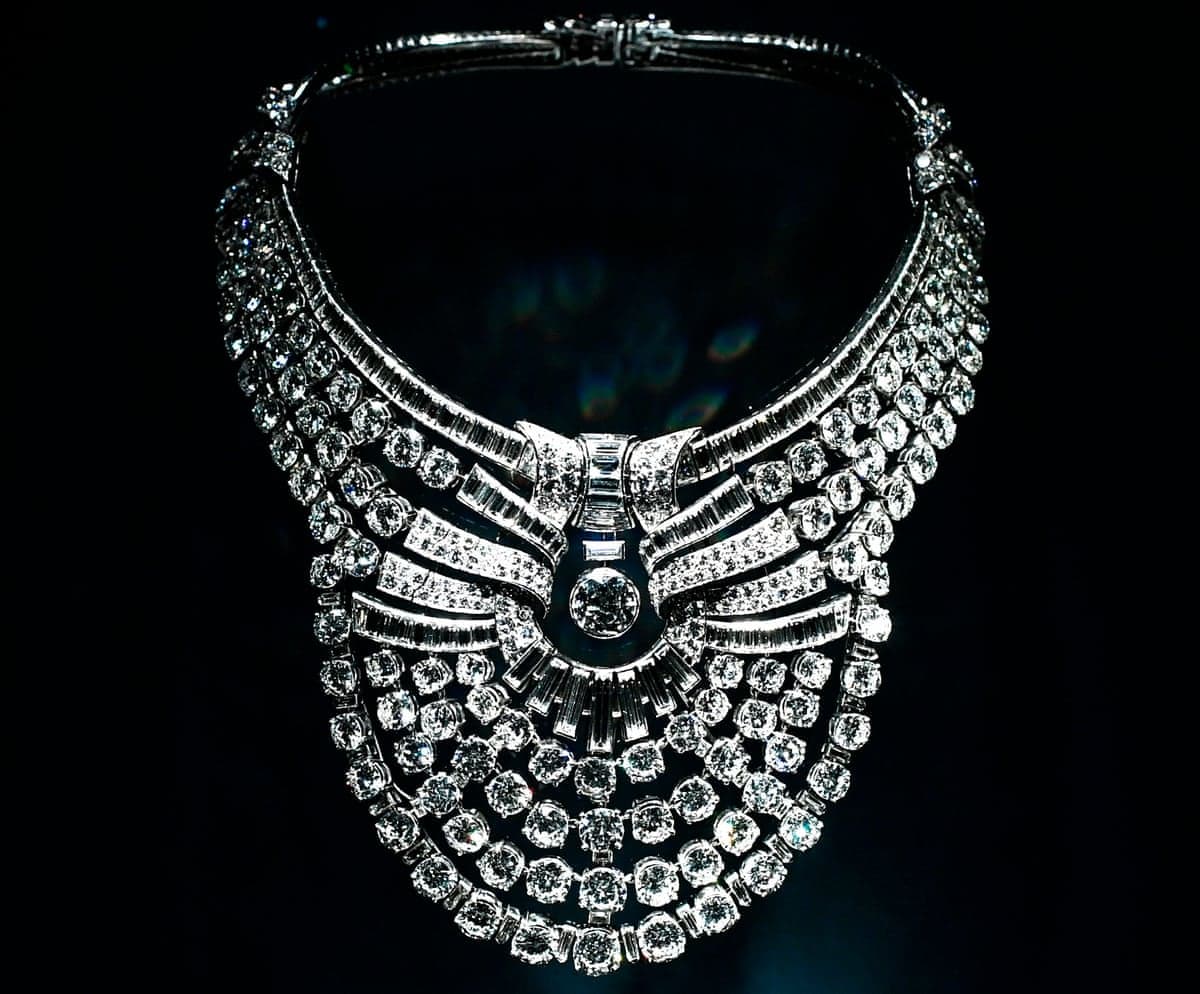
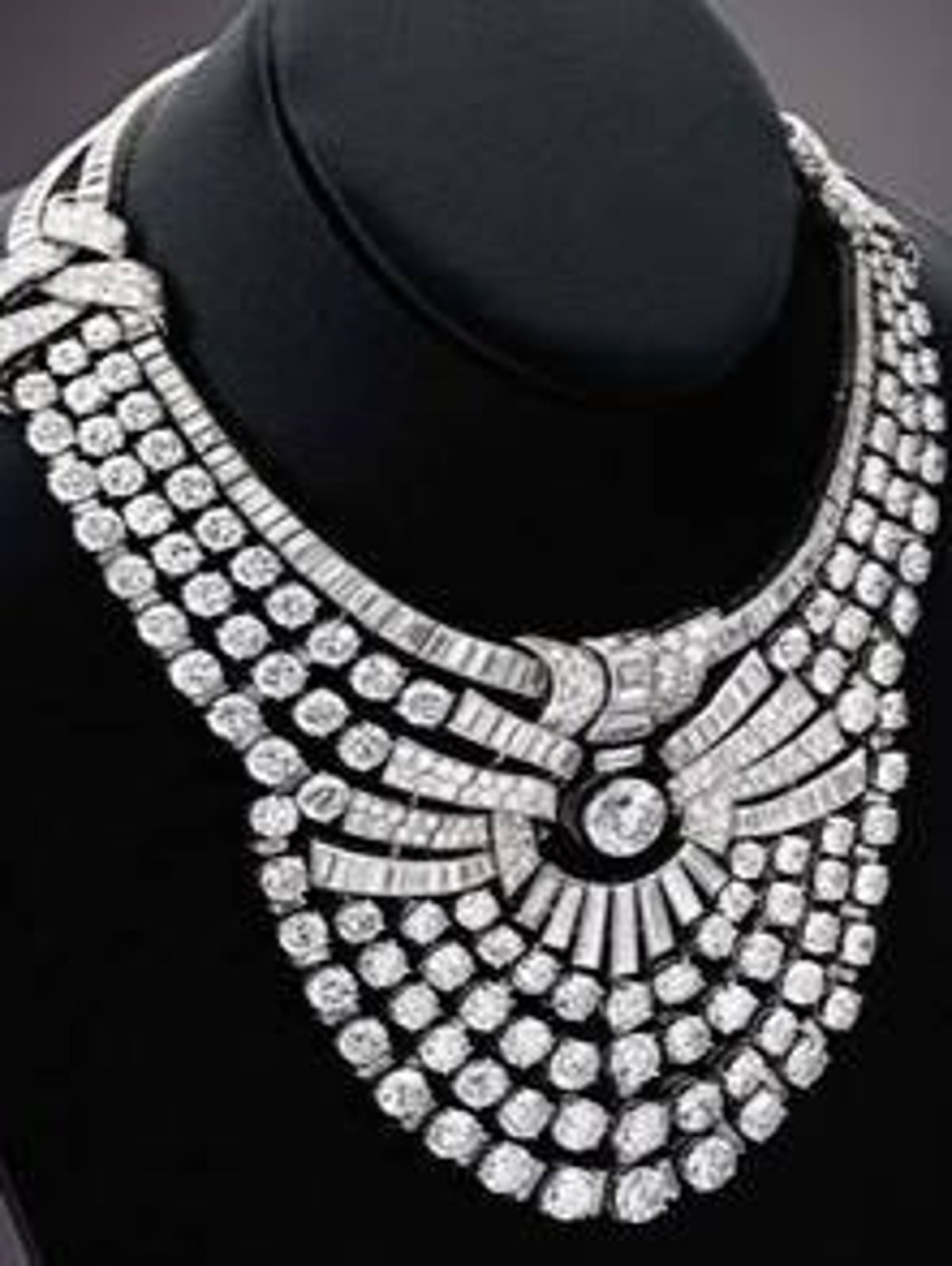
Austrian police are searching for two men suspected of stealing a 200-carat platinum necklace adorned with 673 diamonds that was on loan to Vienna's Museum of Applied Arts (MAK) and once belonged to Egyptian royalty. The theft occurred during opening hours on Thursday afternoon at the institution's Glanzstücke exhibition, which showcases more than 300 creations by the French jewellery house Van Cleef & Arpels alongside over 200 objects from the museum's own collection. No injuries were reported, though several witnesses were present in the exhibition space when the crime took place.
The two unmasked perpetrators purchased admission tickets before using a hammer to shatter the glass display case containing the historic piece, then fled with the jewellery in an undetermined direction. According to reporting on the incident, the men were clearly visible on surveillance footage and had paid to enter the museum before committing the theft. Austrian authorities released images captured by security cameras during the heist as part of their investigation.
In a public appeal for assistance, police stated:
"The perpetrators fled with the jewellery in an unknown direction."Officers deployed throughout Vienna's city centre and used a police tracking dog to search for the suspects. According to Austrian media reports, investigators believe the men were likely executing a "contract job" commissioned by a criminal organisation, with some sources linking the robbery to a possible Balkan criminal group.
Who was the necklace's original owner?
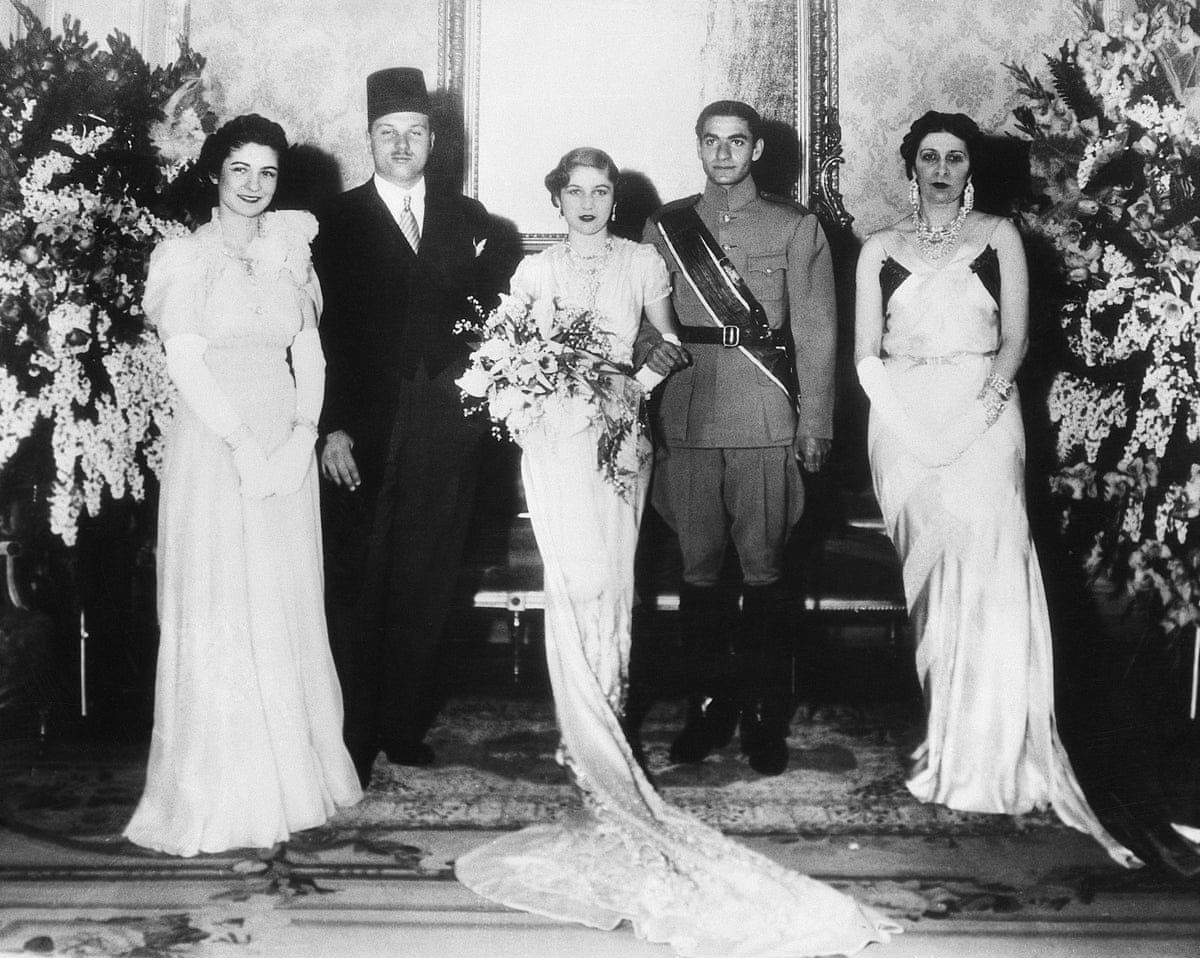
The stolen piece was created in 1939 by Van Cleef & Arpels for the Egyptian royal family and was worn by Queen Consort Nazli of Egypt at the wedding of her daughter Princess Fawzia to Iran's then crown prince Mohammad, who later became shah. The necklace was subsequently sold at auction in 2015 for $4.3 million, though some valuations place it at approximately $4 million.
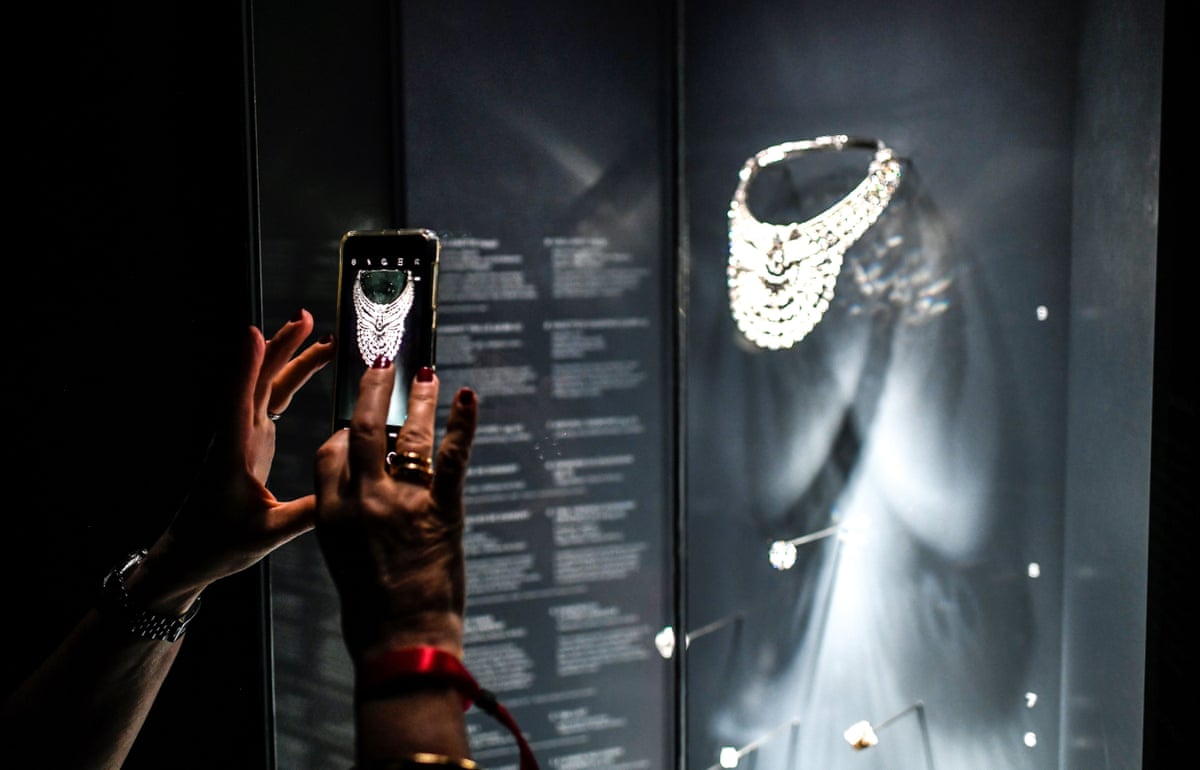
The Glanzstücke exhibition, which opened in June, brought together approximately 200 "unique and rarely seen objects" spanning the 120-year history of the Parisian jewellery house from its patrimonial collection combined with pieces from MAK's holdings. According to reports on the theft, the museum said visitors could still access its broader collection except for the affected exhibition, and the rest of the building remained open following the incident.

How does this fit into a broader pattern of European museum thefts?
The Vienna heist is the latest in a series of high-profile thefts targeting European cultural institutions. In August 2026, thieves raided a Spanish museum and stole the Treasure of Villena, a collection of 66 bronze age gold artefacts worth over €1.5 million in a four-minute raid. Earlier that month, four Renaissance panels by Antonello da Messina were stolen from a museum in the Sicilian port city of Messina on 15 August 2026, though two were later discovered abandoned outside the institution.
In March 2026, paintings by Renoir, Cézanne, and Matisse valued at €9 million were stolen in a swift heist at the Magnani Rocca Foundation near Parma, Italy. These thefts follow a major 2025 heist in which thieves stole crown jewels worth €88 million during daylight hours and escaped within minutes.
What is the scale of museum theft violence?
Research conducted this month revealed that robberies at European museums are becoming increasingly violent, with perpetrators sometimes brandishing firearms, assaulting staff members, and employing sledgehammers, axes, and even explosives to access targeted items. The Vienna theft exemplifies the brazen tactics now common in such crimes, with thieves operating openly during public hours and making no attempt to conceal their identities from witnesses or security systems.
What happens next?
The Vienna State Criminal Police Office is leading the investigation and has requested public assistance in locating the suspects. Tips can be directed to the Vienna State Criminal Police Office at 01-31310-33800. The exhibition wing where the necklace was stolen reportedly reopened hours after the theft, and the Glanzstücke show was originally scheduled to continue until 27 September, leaving the possibility of updates regarding whether the exhibition remains open as planned.
A guided tour scheduled for Friday afternoon was cancelled following the theft, though the museum indicated that the broader institution would resume normal operations. The investigation remains ongoing as authorities work to identify and apprehend the two suspects captured on security camera footage.