A spinoff of the acclaimed legal drama The Split, this new series relocates the family-run law firm from London to Manchester and centres on the Kishan family, a British South Asian household navigating high-stakes divorce cases alongside their own tangled personal lives. The show premiered on BBC One and BBC on Sunday 20 September 2026, delivering the kind of glossy, plot-driven entertainment that invites viewers to abandon reality for a few hours of soapy escapism.
What makes The Split Up work is its willingness to prioritise fun over restraint. The series wastes no time establishing its tone: within minutes, you understand that this is a show about a family law firm, yes, but more importantly, it is a show about the messy, contradictory, often ridiculous lives of the people who work there. The cases of the week—divorces involving high-net-worth individuals and minor celebrities—serve as a framework, but they are rarely the point. Instead, the drama emerges from the collision between professional ambition, romantic entanglement, family obligation and personal desire.
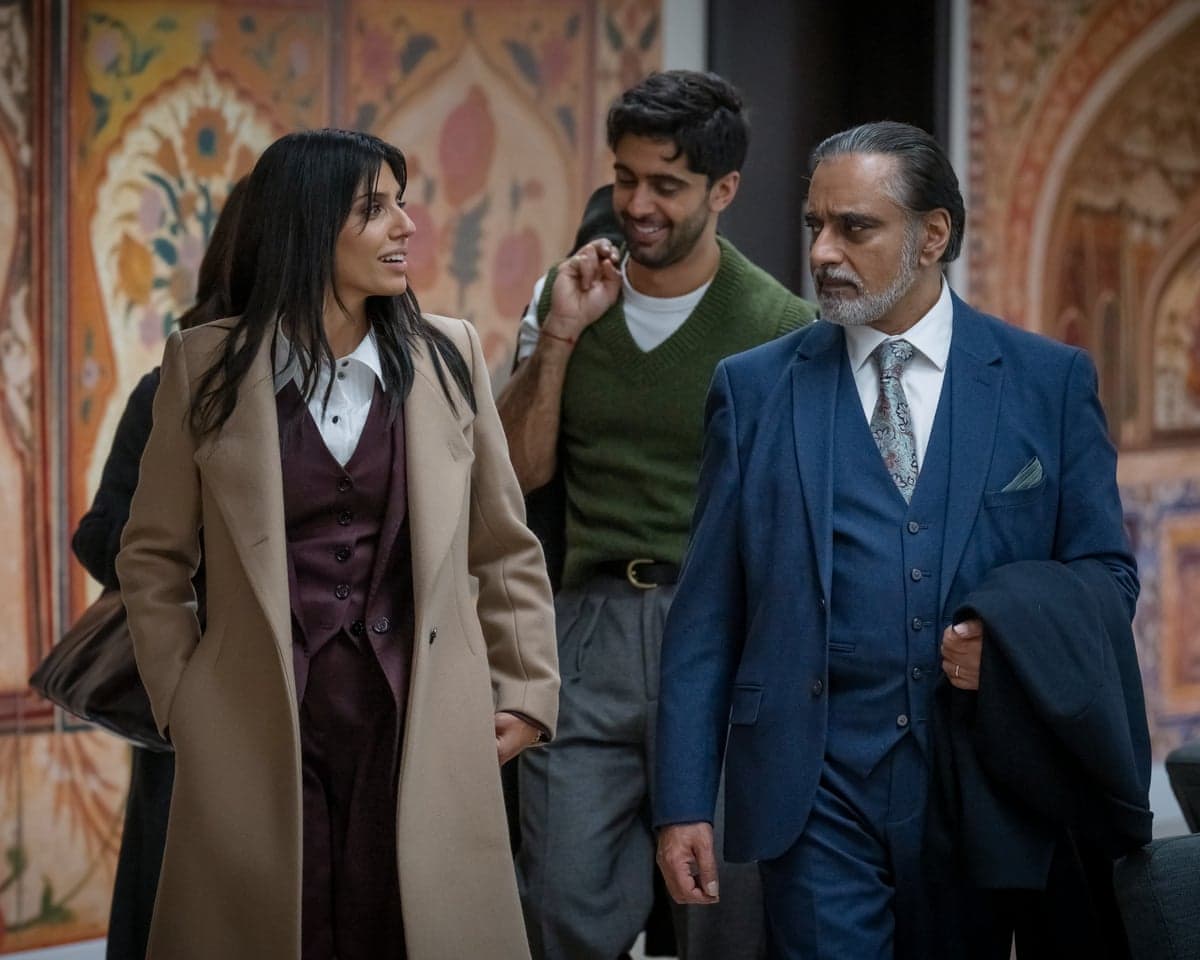
At the centre stands Dhruv Kishan, played by Sanjeev Bhaskar, a recently widowed patriarch preparing to hand control of his firm to his daughter Aria, portrayed by Ritu Arya. Aria is driven, competent and eager to prove herself, but her father's decision to hire financial specialist Luke—a man with whom she shared a one-night stand years earlier—threatens to upend her carefully managed world. Luke's arrival is complicated further by the fact that Aria is currently in a relationship with Neal, who was also her partner when the original encounter took place. The tension between professional necessity and personal history becomes the emotional engine of her storyline, and it is handled with enough wit and warmth to transcend the familiar setup.
The supporting cast rounds out a household full of competing interests and hidden anxieties. Aria's sister Maya, a lawyer who has stepped back from the firm to raise children and maintain a marriage, appears periodically to offer assistance. Their younger brother Kav, who is gay, struggles to pass his law exams while navigating romantic interest from Ashok, a journalist-influencer drawn to both Kav's company and the gossip surrounding the firm's celebrity clients. Each character is sketched with enough specificity to feel real, even when the situations they find themselves in veer toward the absurd.
The first episode's case involves Tash and Alex, hosts of a popular podcast about marriage, who find themselves in need of legal counsel when Tash is discovered in a compromising position with a younger woman. Rather than seeking a divorce, Tash wants an open marriage—a premise that allows the show to explore competing definitions of loyalty, happiness and commitment. Aria, caught between her professional duty to protect Alex's assets and her personal affection for him as an old friend of her father, must navigate these murky waters. The second episode brings guest star Jameela Jamil into the fold, playing another internet personality facing legal trouble.
The cases themselves are slight, often forgettable things that exist primarily to generate conflict and reveal character. The weakest moments come when the script leans too heavily on these professional storylines, offering platitudes about friendship and loss that feel unearned. But these missteps are brief interruptions in a narrative that is far more interested in the personal dramas multiplying around the Kishan household.

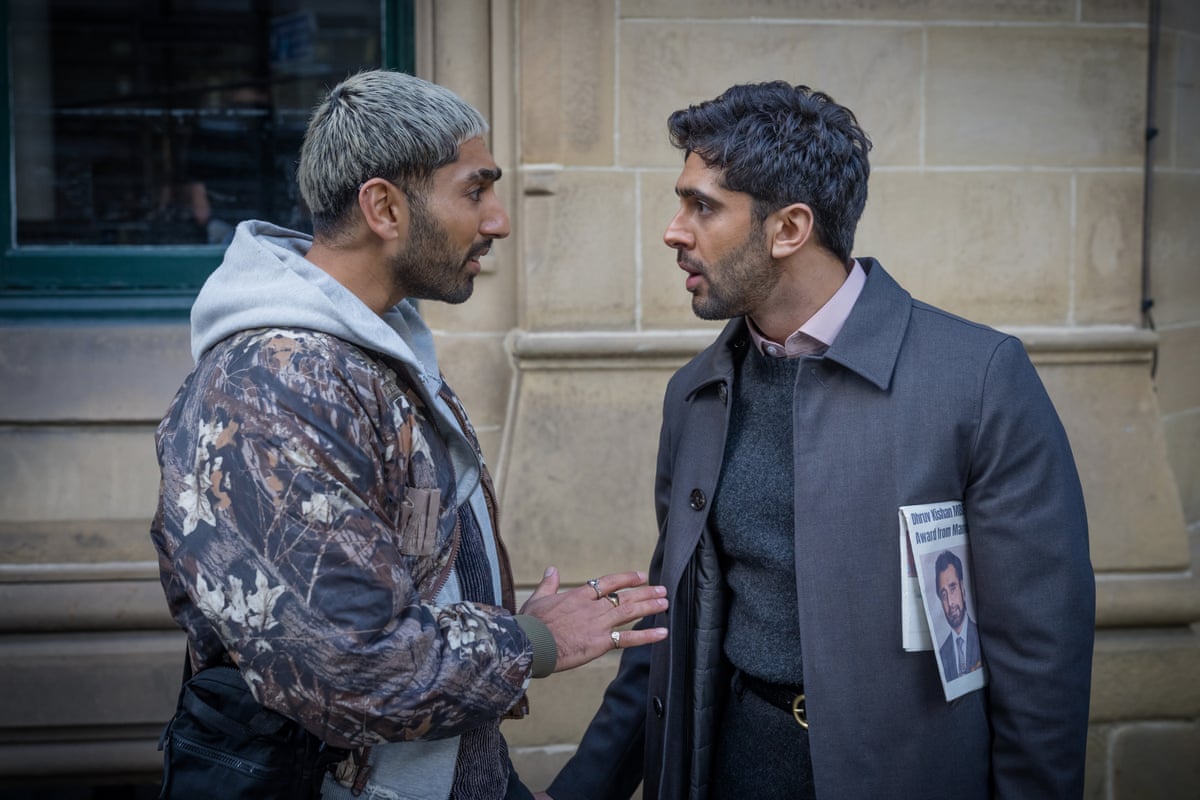
What sustains The Split Up across its episodes is the quality of the ensemble work and the genuine affection the writing shows for its characters. The show was created by SISTER Pictures in association with Abi Morgan's Little Chick, with Ursula Rani Sarma as writer, and the influence of Morgan's original series is evident in the structure and pacing. However, Sarma brings her own sensibility to the material, crafting a world that feels distinct from its predecessor while maintaining the same commitment to balancing soap-opera melodrama with genuine emotional stakes.
The Manchester setting, combined with the focus on a British South Asian family, gives the show a different flavour from The Split. The firm's location in the north of England, where filming took place in October 2025, provides a subtle but meaningful shift in perspective. The characters navigate the same high-stakes legal and romantic complications as their London counterparts, but they do so in a different cultural and geographical context.
The performances across the board are assured and engaging. Bhaskar brings a quiet dignity to Dhruv, a man wrestling with questions about legacy and relevance as he prepares to step aside. Arya captures Aria's drive and frustration with precision, while the chemistry between her and Leonidas crackles with the kind of tension that makes their inevitable entanglement feel both predictable and genuinely compelling. The supporting players—Ashok, Maya, Kav—are all given moments to shine, and the guest stars, including Lenny Henry and Jane Horrocks, add flavour to the proceedings without overwhelming the core family dynamic.
What makes this drama compelling?
The appeal of The Split Up lies in its refusal to take itself too seriously while still maintaining genuine emotional stakes. This is lavish nonsense with just enough truth woven through it to prevent the whole enterprise from collapsing into pure farce. The show understands that viewers come to legal dramas for the cases, but they stay for the relationships—the small moments of tenderness between family members, the loaded glances across a conference table, the conversations that reveal what characters actually care about beneath their professional facades.
What happens next?
The series is structured as a six-part drama, with episodes airing on BBC One and BBC . Episode 2 followed on Monday 21 September 2026, with the remaining instalments scheduled to continue on Sundays and Mondays at 9pm. International release dates have not yet been confirmed.
The Split Up is fundamentally a show about the gap between who we present ourselves to be and who we actually are—at work, in our families, in our romantic lives. It is great fun precisely because it takes that gap seriously while never losing sight of the comedy inherent in human contradiction. Come in, the water is lovely.