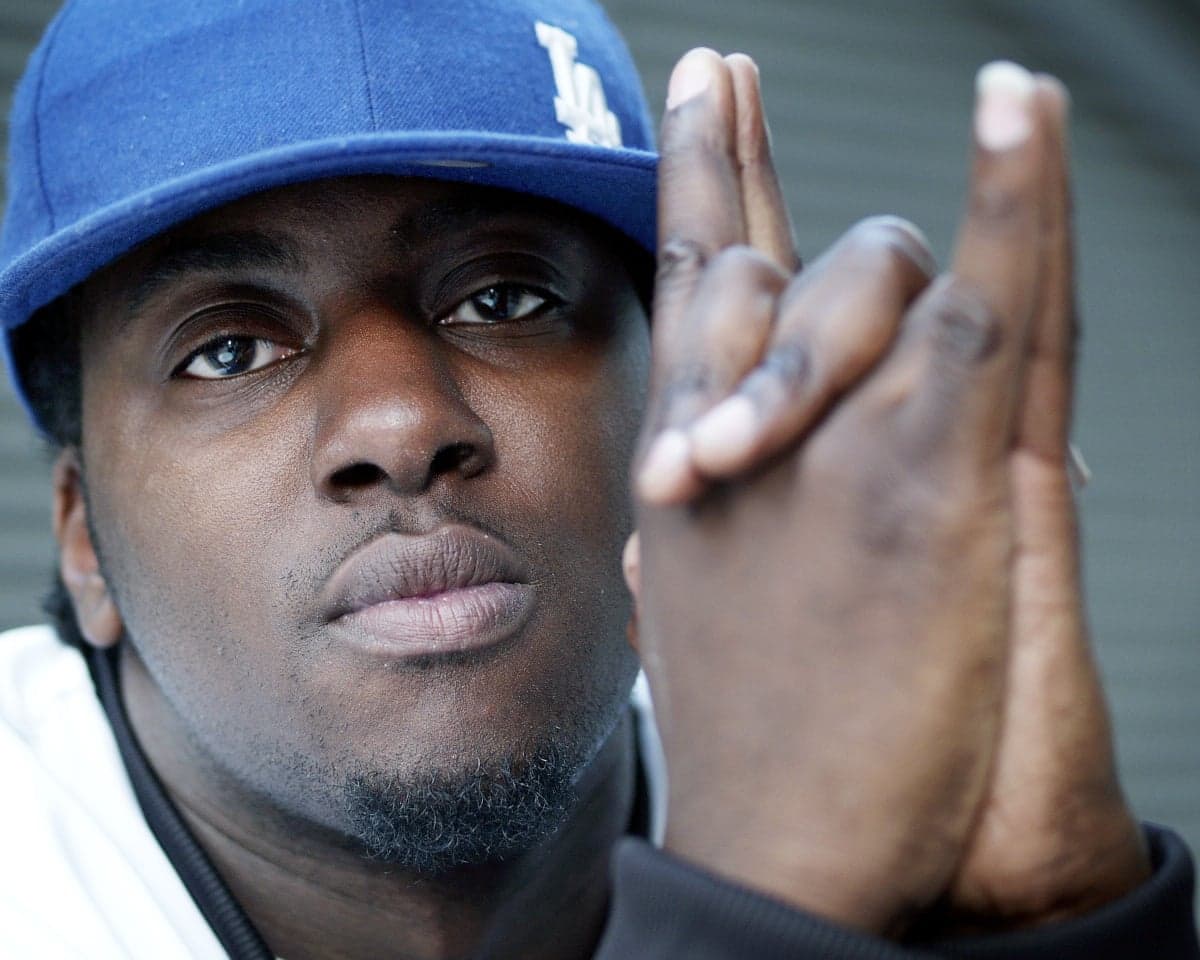
The British rapper Sway, who proved inspirational to a generation of Black British musicians through his independence, versatile artistry, and frank storytelling, has died aged 44. He passed away at his home in Ghana, according to a close friend who confirmed the news.
The Mobo Awards, the organisation that recognised his talent early in his career, released a statement honouring his legacy.
Proud to have him as part of our history. Our love goes out to his family, loved ones and fans.Sway had won best hip-hop act at the ceremony in 2005, becoming the first unsigned artist to receive that award. No official cause of death has been disclosed, though reports indicate he had previously been diagnosed with Hodgkin lymphoma in 2010 and later went into remission.
Born Derek Safo in Hornsey, north London, to Ghanaian parents, Sway developed a distinctive approach to hip-hop that defied easy categorisation. He trained as a producer and cultivated a versatile rap flow capable of navigating high-tempo grime and club tracks as well as more introspective hip-hop material. His refusal to be confined by genre conventions set him apart from his peers during a formative period in British rap.
In interviews, Sway articulated his creative independence with characteristic candour.
UK garage was big at this time but I just couldn't do it because I never felt the vibe of the scene suited me. British hip-hop was just so dry and grey, hiplife was a no-no 'cause I couldn't rap in Twi, drum'n'bass just hurts my head sometimes and I can't sing good so R&B was out the question! I never felt at home anywhere.
His early career saw him perform with the collectives Phynix Crew and One before establishing himself as a solo artist through a series of mixtapes. The single Up Your Speed gained modest attention, but his breakthrough came with Little Derek, a self-assured manifesto celebrating his own trajectory and the line about ending up in HMV rather than HMP. Released in 2006, the track penetrated the UK Top 40 and became central to his debut album This Is My Demo.
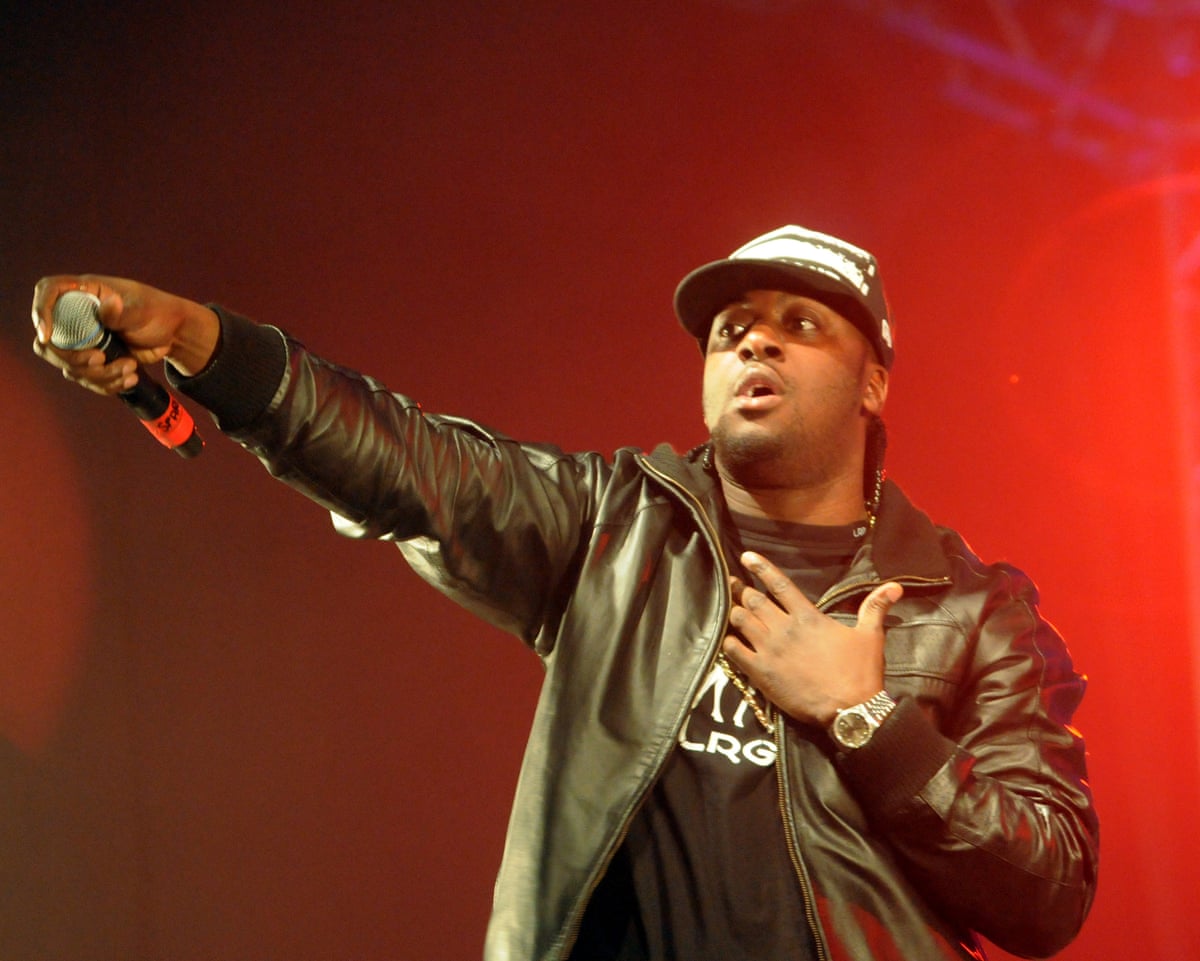
This Is My Demo garnered widespread critical recognition and secured Sway his historic Mobo Award, where he defeated far more established competitors including 50 Cent and the Game. The album also received a Mercury Prize nomination, though it lost to Arctic Monkeys' self-titled debut. Following this success, Sway established his own Dcypha Productions label and entered a partnership with Konvict Music, the imprint of Senegalese-American artist Akon, who appeared on his 2008 album The Signature LP.

Sway later acknowledged the personal toll of escalating fame during this period.
Ego, too many lights, and too much confusioncharacterised his experience around The Signature LP era, yet he persisted in evolving his sound toward a more commercial direction. This shift yielded his most significant chart achievements: Still Speedin', which sampled Ride on Time and featured a guest verse from Kano, reached the UK Top 20 in 2011. Level Up, produced by dubstep pioneer Flux Pavilion, surpassed it by climbing to number 8 in 2012.
Throughout his career, Sway collaborated across musical boundaries. He appeared on tracks with Riz Ahmed, contributed to Ed Sheeran's No 5 Collaborations Project EP, and worked with American rappers Lupe Fiasco and Chamillionaire. His partnerships with British artists included Tinchy Stryder, Akala, Mitchell Brothers, and Donae'o. He also ventured into alternative rock, guesting on Kaiser Chiefs' third album Off With Their Heads.
Beyond his own recordings, Sway became a crucial figure in developing emerging talent. He was instrumental in nurturing the career of KSI through his Dcypha Productions label, and the pair released the minor hit No Sleep in 2013, which also featured Tiggs Da Author, another young artist Sway championed. KSI and other artists have publicly led tributes to Sway following his death, with multiple reports describing him as a "legend" and "pioneer".
Sway married his wife Helen in 2013 and became a father to four children: Jalil, AJ, Inaya, and Imara. In recent social media posts, he described himself as a single father, documenting his commitment to his family alongside his continued work in music.
How has the music industry responded?
The response from the British music community has been substantial and immediate. The MOBO Awards shared a tribute post featuring a throwback video of Sway accepting his 2005 award, stating he will always be part of MOBO history. The Mitchell Brothers, who collaborated with Sway on multiple occasions, paid their respects by highlighting his
true penmanship level and delivery. Tributes also came from Top Boy co-stars, including actor Kadeem Ramsay, who posted
Rest Up Legendon social media.
What was Sway's cultural significance?
Sway's achievement as the first unsigned artist to win Best Hip-Hop Act at the MOBO Awards in 2005 represented a watershed moment for independent British hip-hop. His refusal to compromise his artistic vision or conform to prevailing trends established him as a pioneer during a period when Black British music was still fighting for mainstream recognition. His mentorship of younger artists, particularly KSI, demonstrated his commitment to building a sustainable ecosystem for emerging talent rather than simply pursuing personal commercial success. This generational influence explains the breadth of the tributes that have emerged following his death, with artists across multiple genres acknowledging his foundational role in their own development.
Key Facts
- Sway was born Derek Safo in Hornsey, north London, to Ghanaian parents and later became known as Sway Dasafo
- He won Best Hip-Hop Act at the MOBO Awards in 2005 as the first unsigned artist to receive the honour
- His albums This Is My Demo and The Signature LP established him as a significant figure in British hip-hop, with the former receiving a Mercury Prize nomination
- He mentored KSI and other young artists through his Dcypha Productions label, playing a crucial role in their early careers
- His chart successes included Still Speedin' (2011, UK Top 20) and Level Up (2012, UK number 8)