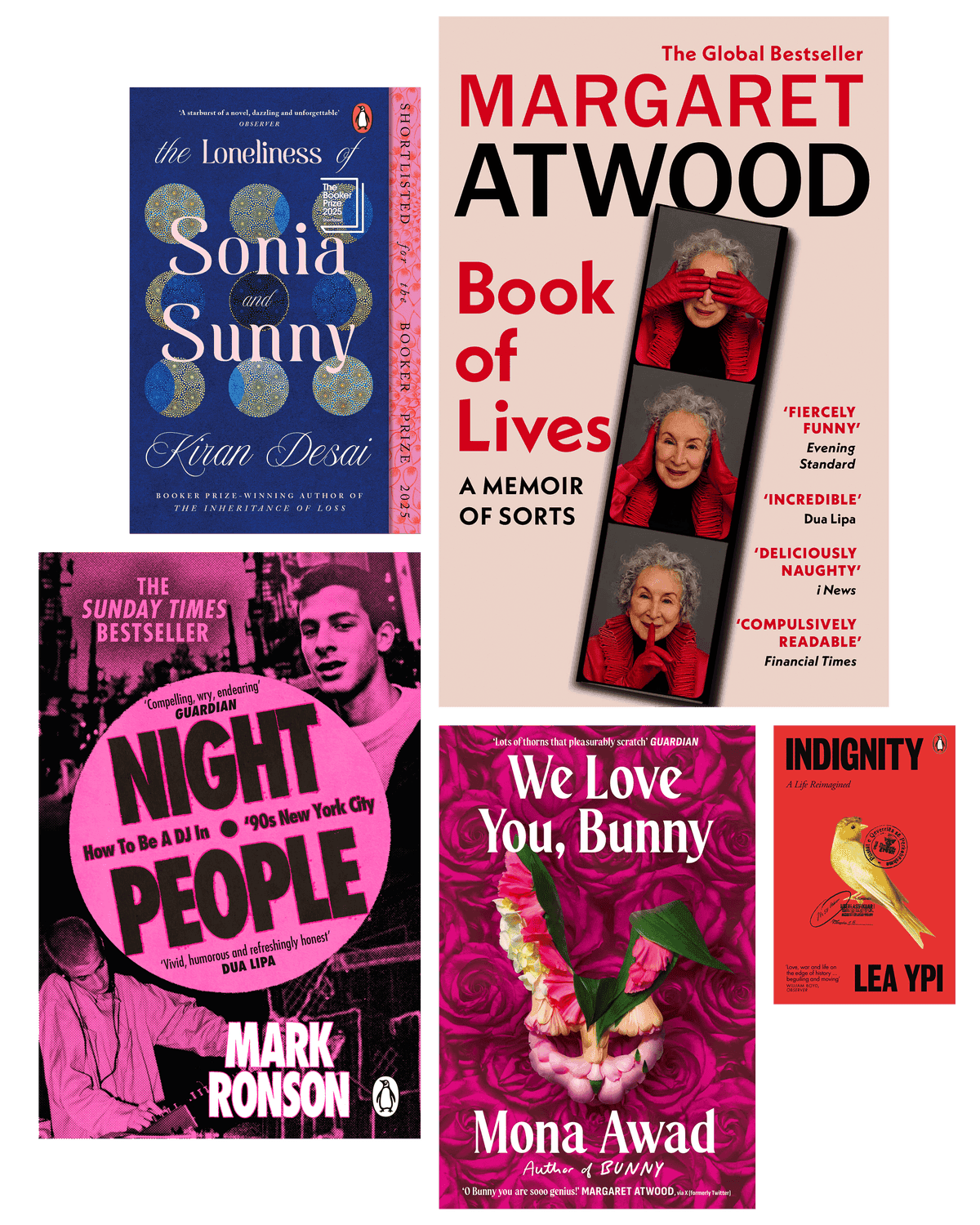
Searching for your next literary escape? This month brings a compelling selection of new paperback releases, ranging from an expansive multigenerational family saga by a Booker Prize contender to an intimate biography of a celebrated Victorian poet, alongside memoirs, speculative fiction and works of urgent political commentary.
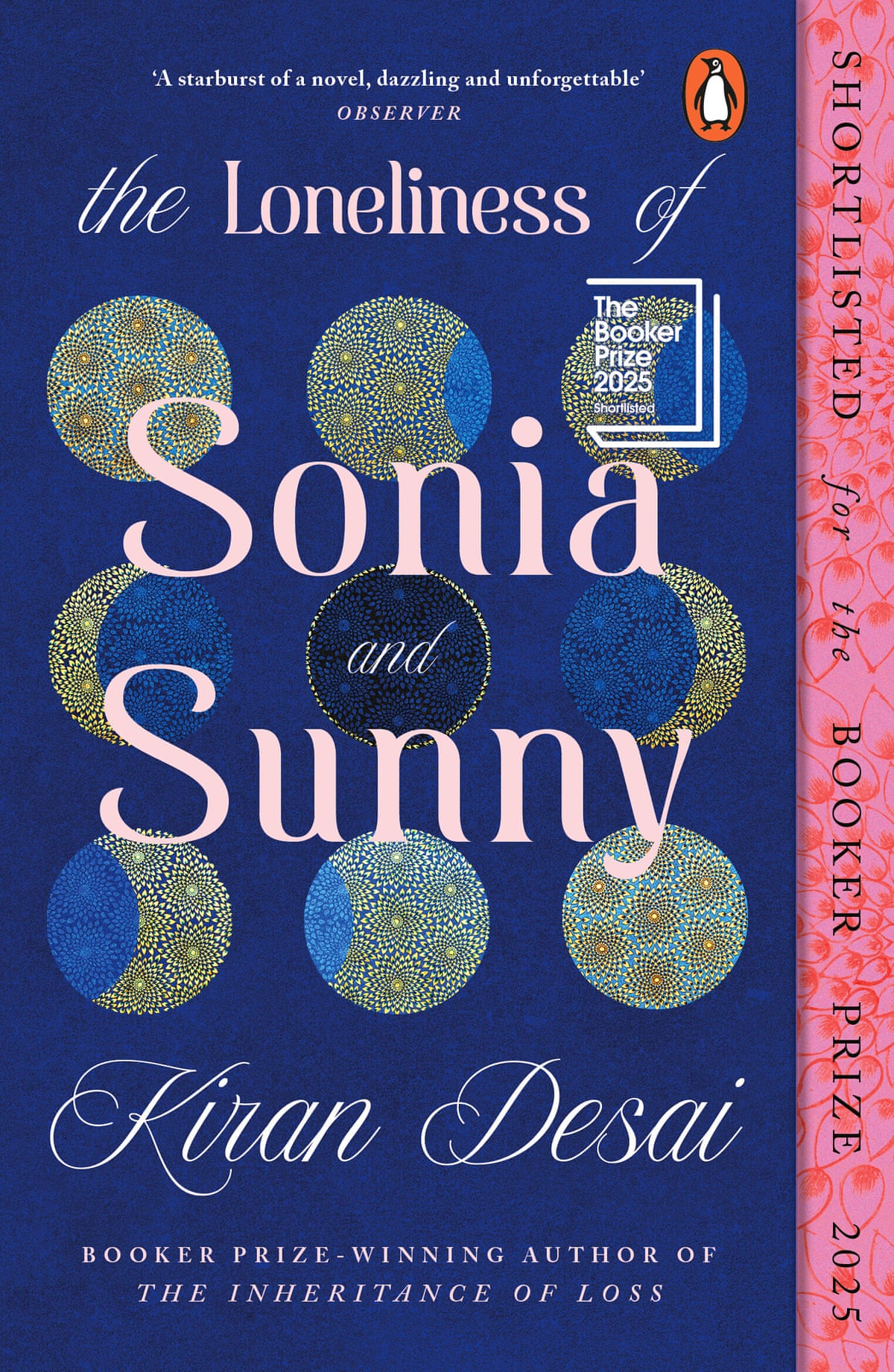
The Loneliness of Sonia and Sunny
Kiran Desai's latest novel, shortlisted for the Booker Prize, centres on the complicated bond between Sunny Bhatia and Sonia Shah, neighbours whose families attempt to arrange a match that instead becomes an on-and-off relationship spanning years. While Sunny pursues journalistic ambitions, Sonia devotes herself to fiction writing, wrestling with the dilemma facing Indian authors: whether to cater to Western expectations or forge an independent literary voice.
Desai navigates this tension through constant shifts in narrative mode and register. A gothic sensibility emerges early with the introduction of Ilan de Toorjen Foss, a self-absorbed artist who seduces Sonia, stifles her creative work and ultimately abandons her. Meanwhile, the extended family in Allahabad—unmarried aunts in genteel poverty, disputes over a celebrated kebab cook—provides a quieter, more domestic comedy. The novel balances its expansive scope with intimate focus, granting as much narrative weight to minor characters like Vini-Puri, a pair of servant girls, as to its protagonists. Desai achieves this through precise control of tone and incident, drawing from readers apprehension, laughter, compassion and sustained curiosity.
The novel explores profound questions about identity and form: whether fiction can authentically capture the yearning for gravitas in postcolonial life, and how the European novel might evolve to address fractured, accelerated modernity. A passage in which Sonia and her father listen to Pakistani singer Iqbal Bano captures this tension:
To be a citizen of a troubled postcolonial nation gave a person gravitas. To be holding out against the crass new world gave a man gravitas. To be wounded yet fighting on against the barbarians gave one gravitas. To be exiled, abandoned by love and luck, gave them gravitas. What happened within a family, what happened between a couple, was no different from that which happened in a nation under dictatorship, running on fear.
The paperback edition became available on 3 September 2026 through major retailers, with the Penguin Random House edition running 688 pages. The novel marks a significant return for Desai, whose previous work The Inheritance of Loss appeared nearly two decades earlier, and has been recognised as one of the year's ten best books.
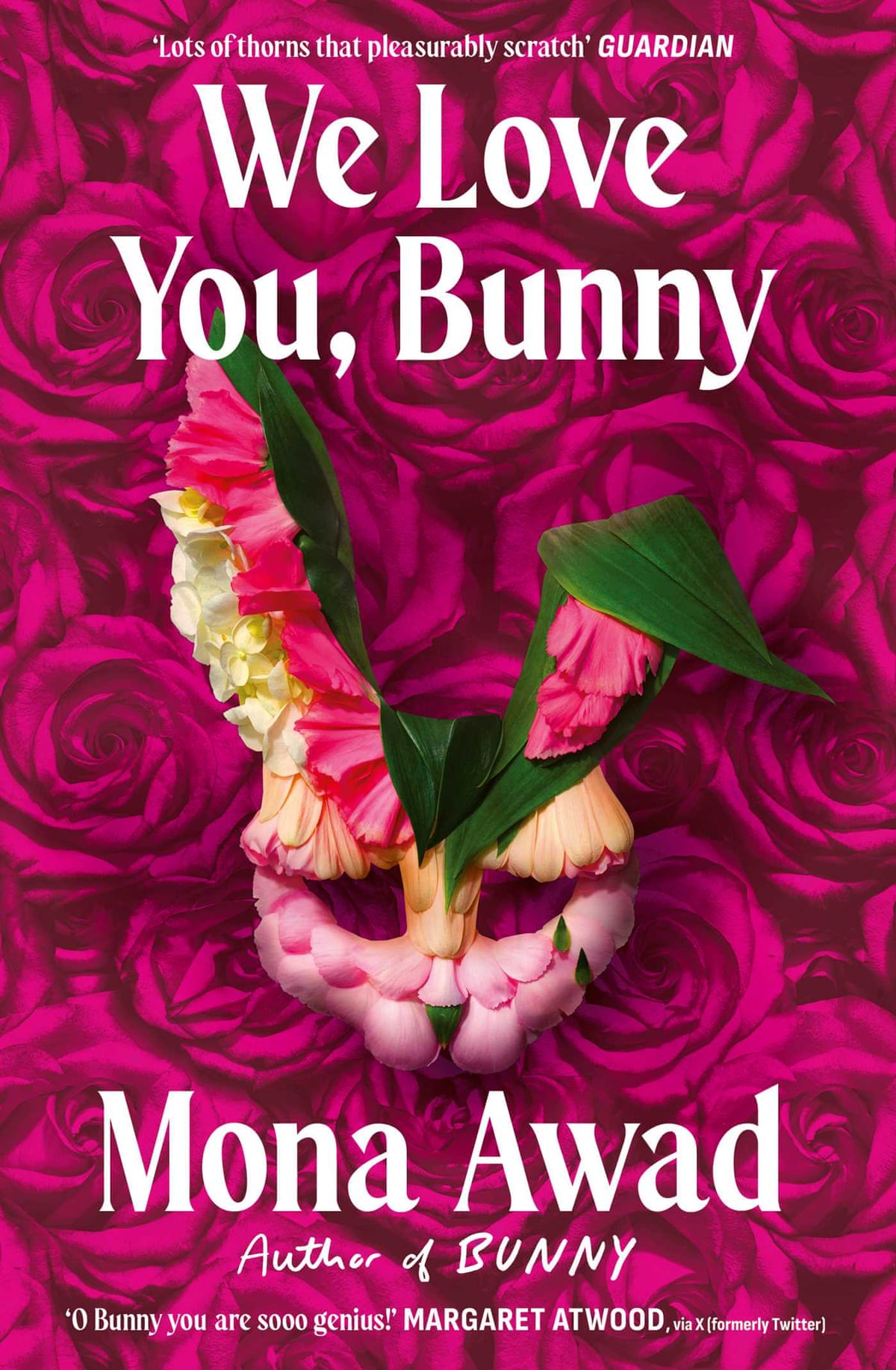
We Love You, Bunny
Mona Awad's long-awaited follow-up to her 2019 campus horror-satire Bunny arrives as a sequel that deepens and complicates the original's world. Both novels inhabit an Ivy League setting in a crime-plagued New England town—identifiable as Brown University, though the fictional universe calls it Warren, embracing its own absurdist logic with abundant rabbit-themed humour.
The first novel tracked Samantha, an isolated creative writing student marginalised by her workshop peers: four ultra-feminine wealthy girls who all answer to Bunny, wear fluffy clothing, consume miniature food and, as Samantha discovers upon joining their circle, channel their artistic expression through demonic rituals involving exploding rabbits. Samantha's journey toward artistic independence forms the narrative arc of that original work.
We Love You, Bunny opens with Samantha bound and gagged in an attic, surrounded by the Bunnies who congratulate her venomously on her book's success. Now they demand to tell their version. Passing an axe like a talking stick, each Bunny offers her perspective on their shared world before a surprise guest takes the floor. The sequel retains the original's sharp satire on upper-middle-class American femininity, though it occasionally suffers from the baggy structure and less-earned metaphors common to sequels. The rotating viewpoints initially disappoint, yet the novel redeems itself through its final voice.
A writing professor within the narrative judges the story as
A touch too camp. Zany. A sort of zany romantasy, isn't it?Awad uses this moment to argue that romantasy can constitute serious literature and that nothing is inherently too camp. While We Love You, Bunny carries the weaknesses endemic to sequels, it also possesses their strengths: the pleasure of reuniting with established characters, exploring previously glimpsed spaces, building on the original's foundation and generating fresh jokes. Though best read after the first novel, We Love You, Bunny stands alone as a deliberately overblown, thorny flower of a book.
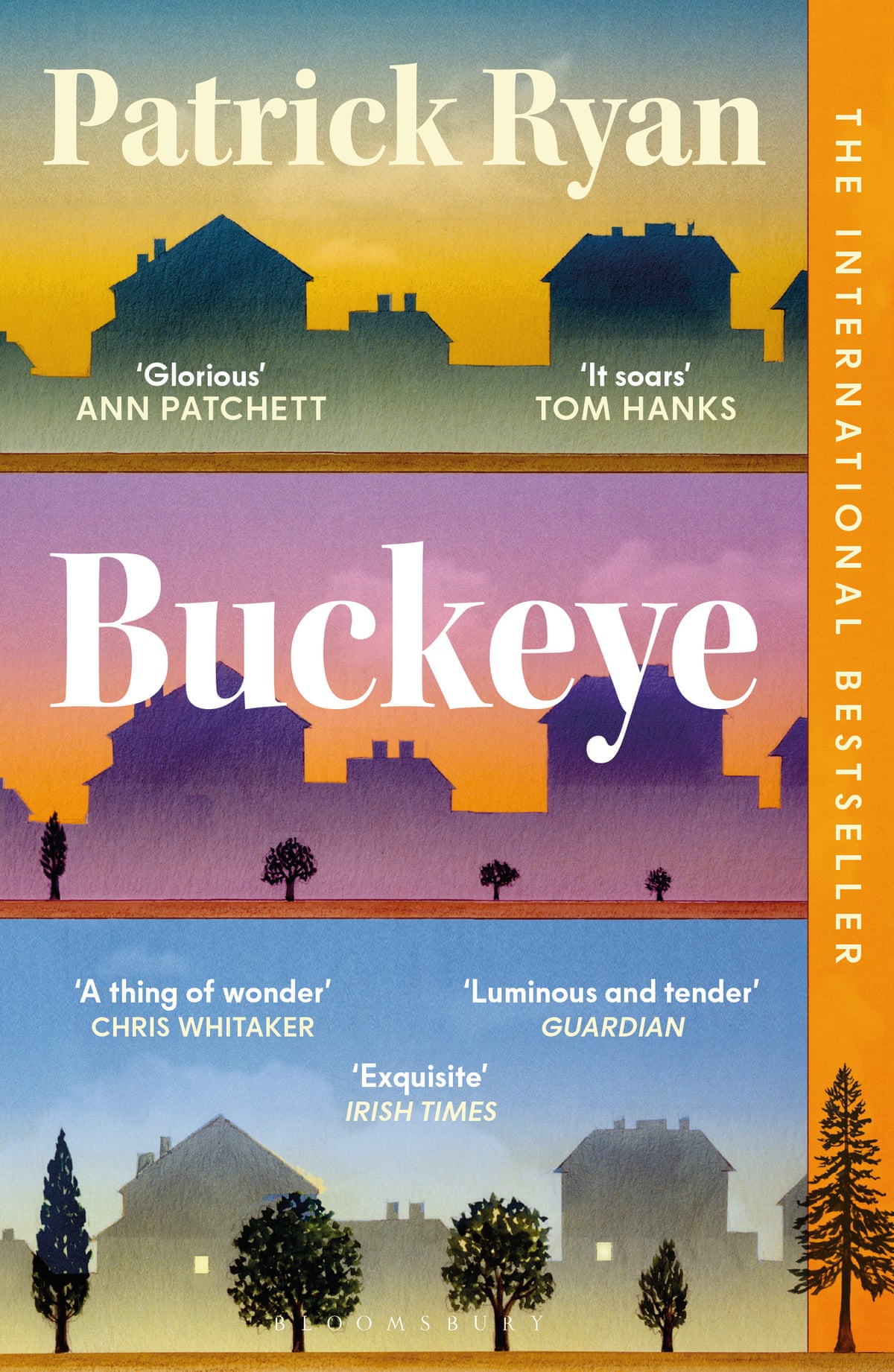
Buckeye
Patrick Ryan's luminous novel opens in the early twentieth century and follows two intertwined married couples in the fictional Ohio town of Bonhomie. Cal Jenkins, born in spring 1920, is the gentle son of a traumatised First World War veteran. His father, Everett, recalls the day of Cal's birth with a particular dread:
The day you were born and one of your legs came up short, right then I thought, well, that's it. If we get into another big one, he'll never be in it.The irony proves sharp when America enters the Second World War; Cal, as predicted, fails recruitment and instead spends his days in monotonous labour at a concrete factory.
A chance encounter with Becky Hanover, a dark-haired young woman with an appealingly whimsical temperament, leads to their marriage by chapter's end. On 8 May 1945, while Cal works at the hardware store owned by Becky's father, a striking, bewildered redhead enters. Together they hear President Truman announce allied victory in Europe over the wireless—and then she kisses him. This woman is Margaret Salt, whose own handsome but distant husband is away on a cargo ship in the Pacific. From this point, the narrative accelerates, and as one of Ryan's characters observes:
people get laid, babies get made, everybody lies to their kids.
Ryan's background in short fiction sharpens Buckeye throughout, evident in his precise rendering of small, haunting moments in suburban American life. Despite its quotidian warmth, a deep melancholy prevents the novel from sliding into nostalgic sentimentality. Ryan strips away the Bakelite veneer of the American dream to expose the raw vulnerability beneath, creating a work that honours both the beauty and the pain of ordinary existence.
The Wax Child
On 26 June 1621, a woman was executed in Copenhagen—unusual not in the fact of her death but in its method. Danish author Olga Ravn's fourth novel opens with this historical moment, describing how the condemned woman was
tied to the ladder, and the ladder pushed into the bonfire, her daughter watching as she fell, her eye
so strangely orange from within. And then in the heat it explodes.
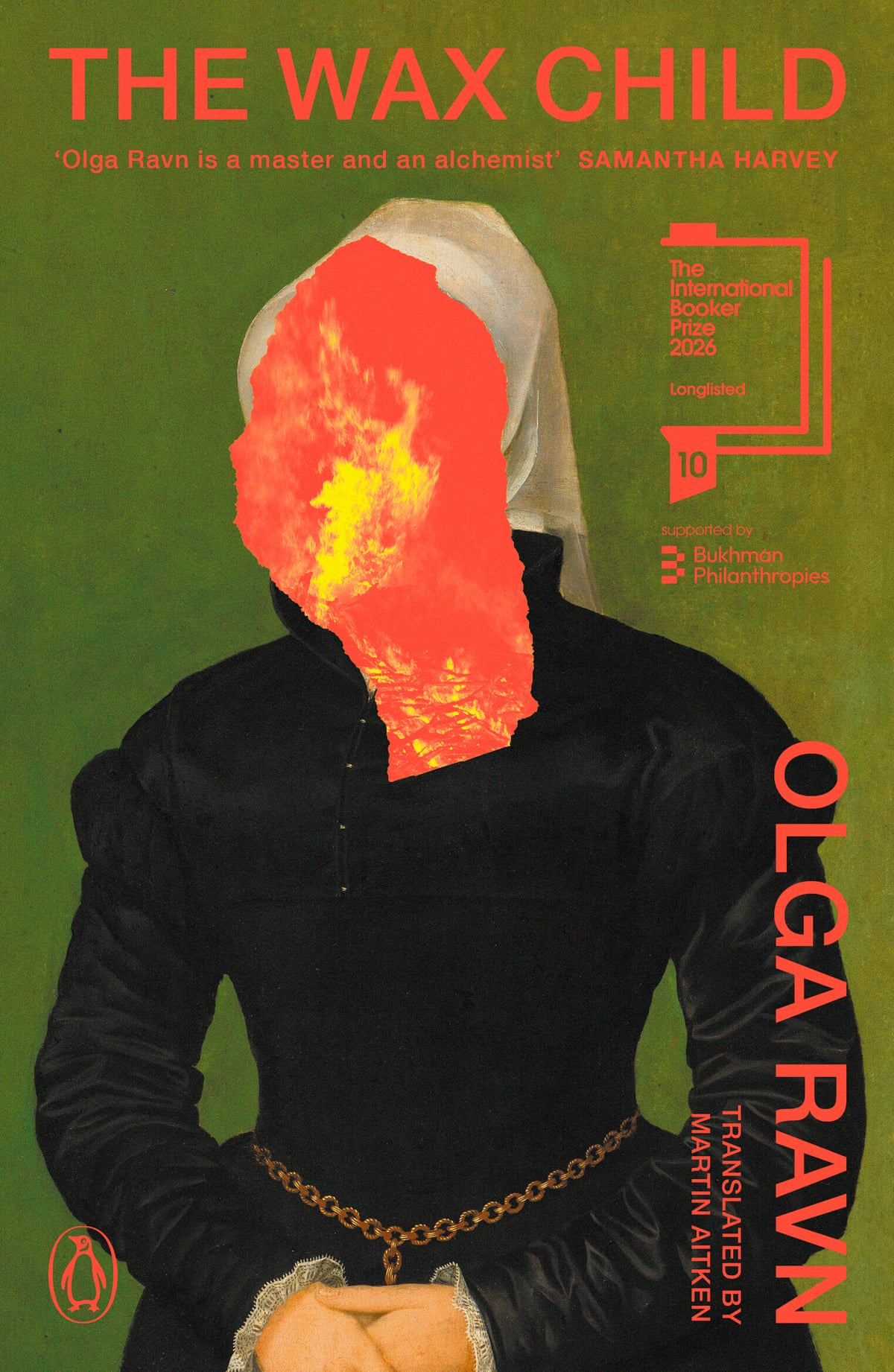
A wax doll observes this scene and all others—everything everywhere, across all space and time since its creation. While the wax child functions as a practical narrative device, it also destabilises the entire story. The temptation from our modern vantage point is to dismiss charges against accused witches as baseless, yet in this case—a well-documented Danish instance—the accusations included the creation of wax figures. Ravn begins with Christenze Krukow, a real Danish noblewoman who was accused of fashioning such a wax child during her lifetime.

Ravn's background as a poet remains evident even in English translation. Her work insists that knowledge resides in objects, that comprehension arrives through smell, taste, blood and viscera, through metaphor itself.
How do I know this? It is like a gash in me to know it.the wax child demands at one point. At its finest, The Wax Child achieves rich evocation, beauty, creepiness and visceral power:
It is the darkest of times, December. From the curvature of the earth, minutes run like droplets from the day.At other moments, the novel feels elliptical and baffling, with research hovering just beyond the surface. One misses the clarity and freedom of Ravn's International Booker-shortlisted novel The Employees. Yet perhaps that opacity mirrors the work of spell-weaving itself—demand neat sense from poetry, and you begin to resemble the witch-hunters.
King Sorrow
Six unconventional but resilient young people encounter a vast and terrible supernatural force that has breached into our world from the outer darkness. They must dedicate their lives to battling it, enduring horror upon horror in the process. This premise echoes Stephen King's It—widely regarded as his finest work—and also describes the plot of Joe Hill's new horror epic, in which six friends summon the ancient, infinitely malicious dragon King Sorrow from the Long Dark to help them defeat certain adversaries. Inevitably, their supernatural ritual backfires catastrophically.
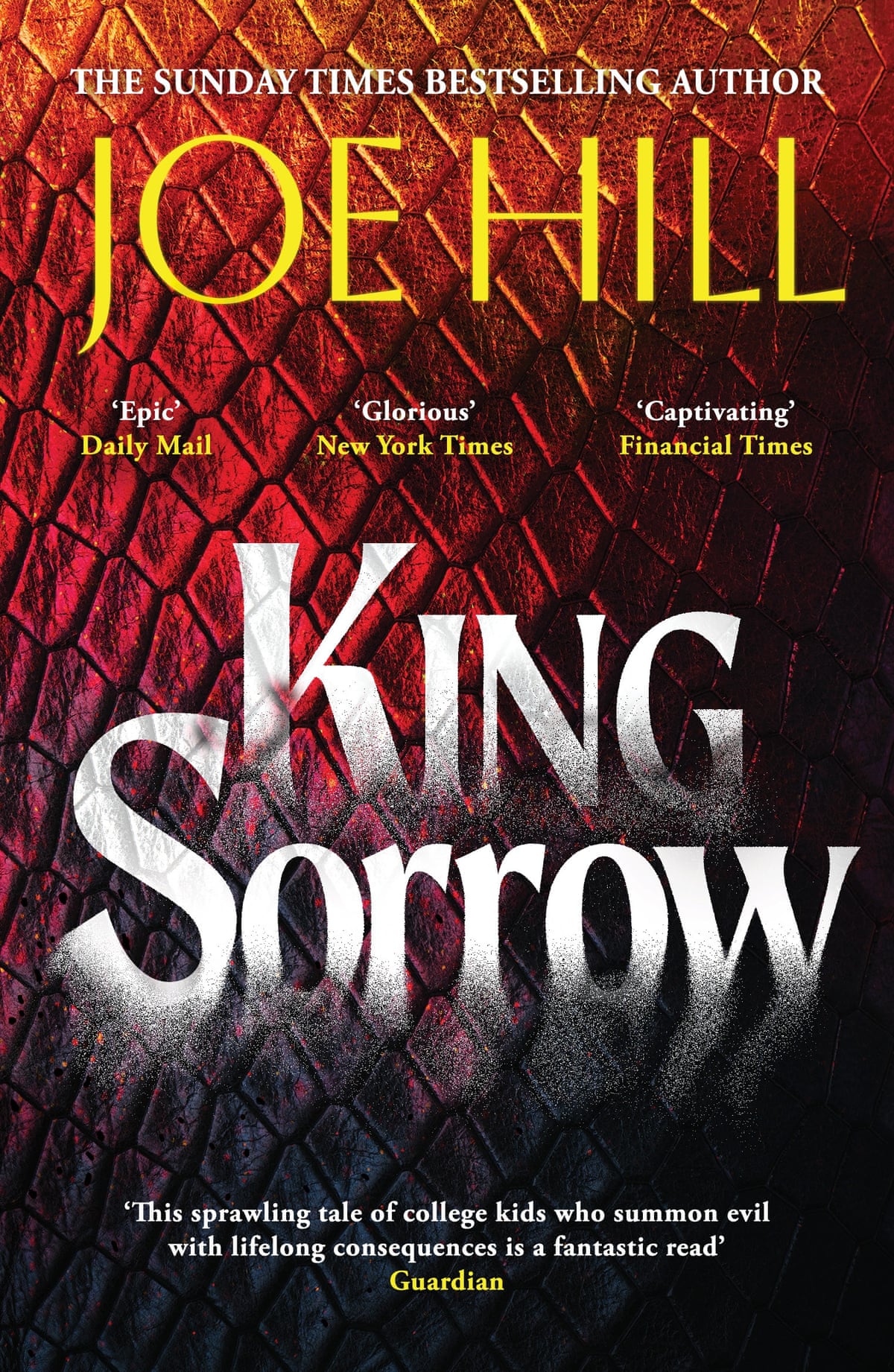
Joseph Hillström King spent his early career deliberately distancing himself from his famous father, publishing under the pen name he maintains today and avoiding in-person meetings with his agent due to their striking physical resemblance. In King Sorrow, however, he leans into the connection with evident delight. Lines deliberately echo some of King's most iconic passages (
The man in black fled across the desert …); moments evoke familiar King plot devices, such as riddling contests. Throughout this sprawling novel, Hill celebrates his family legacy, and readers delight alongside him. King Sorrow is enormous, expansive—and absolutely fantastic.
Book of Lives
Margaret Atwood's Book of Lives functions less as memoir than as autobiography—not a slice but the whole arc, spanning 85 years. Unlike many such retrospectives, which tend toward either smug triumphalism or anxious self-justification, Atwood's account is sharp, funny and genuinely engaging, accessible even to those unfamiliar with her extraordinary body of work, which fills two pages in the book's contents listing.
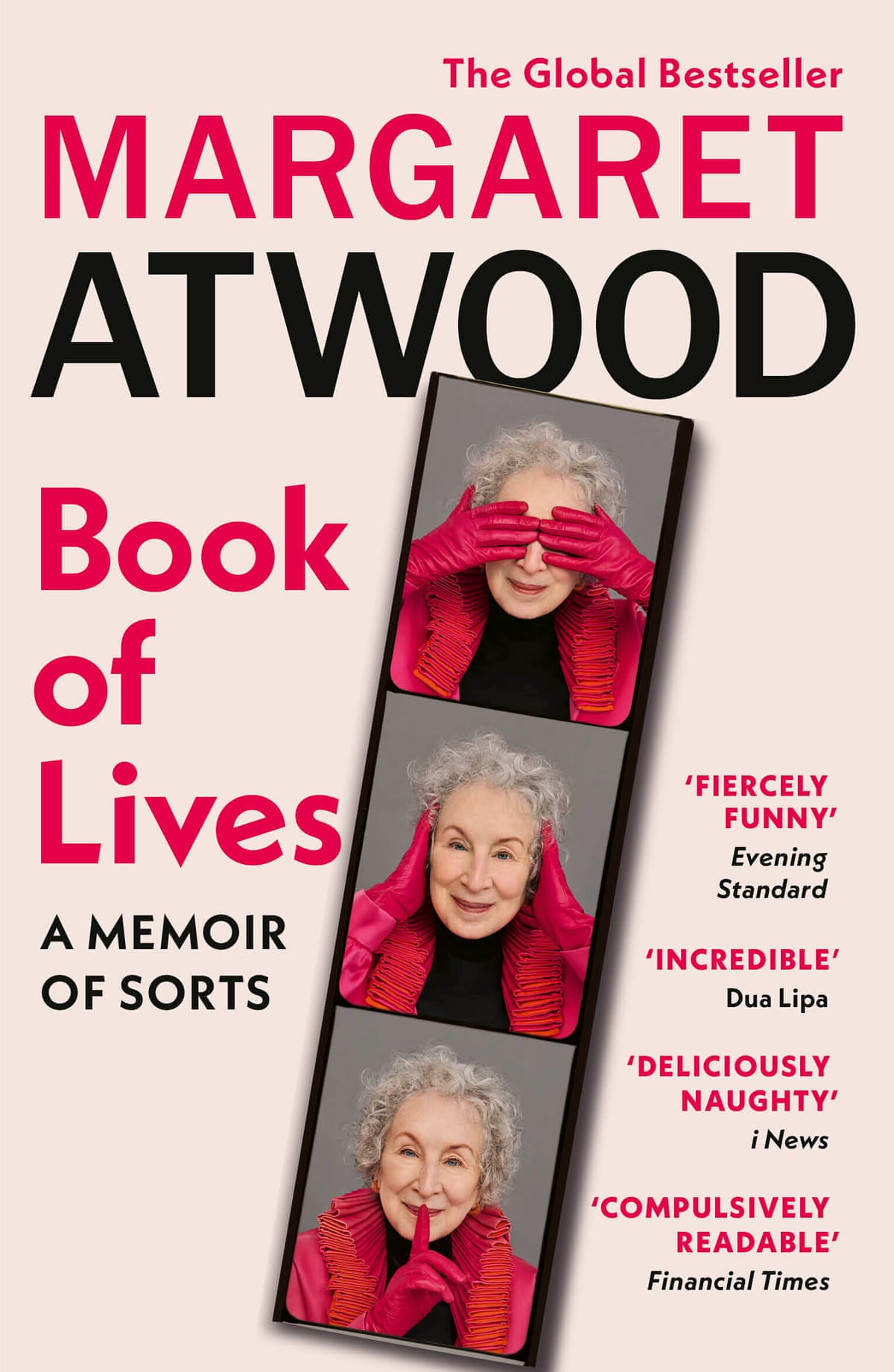
At her co-educational high school, Atwood quickly advanced to the
brain class. A small,
flat-chested weirdowearing horn-rimmed glasses, with a snaggle tooth, frizzy hair, astigmatism and anaemia, she channelled her energy into sewing and costume design. By fourteen she was dating older, artistic boyfriends who
somehow just appeared, like mushrooms after rain. Poetry also pursued her; her adolescent verses were
heavily sensational, sometimes macabre. Her school yearbook recorded her
not-so-secret ambition is to write THE Canadian novel. Yet her first published poems appeared under the byline ME Atwood,
so I wouldn't be tagged as a girl.
From university in Toronto, she moved to Harvard as an unglamorous scholarship student in a tweed-dominated environment. There she researched the Salem witch trials, an interest that would later feed into The Handmaid's Tale decades hence. She was not an active feminist in her twenties, when the notion that
domestic tasks might be shared equallyhad not yet arrived. Yet the oppression of women increasingly troubled her, and by the time the television adaptation aired during the Trump era, the novel's relevance had intensified dramatically.
At a 1969 party, Atwood met Graeme Gibson, a novelist, trickster, spendthrift and high-energy eccentric. He wore blue denim; she wore a
white crocheted lace mini dress with wooden buttons down(Atwood meticulously records her evolving wardrobes and hairstyles). Initially unaware of his romantic interest, she faced complications: she had married an American poet primarily to spare him Vietnam conscription, and Graeme had a child with a woman in an open marriage, Shirley. A cautious courtship ensued, with Graeme wooing Atwood through yearning letters. He told her that while she would have remained a great novelist without him, she would have had considerably less fun.
His decline into dementia and subsequent death lend a sombre tone to the book's final pages. Ever the workaholic problem-solver, Atwood continued her publicity schedule for The Testaments, her Handmaid's Tale sequel, rather than miss engagements:
Ask yourself, Dear Reader: The busy schedule or the empty chair? I chose the busy schedule. The empty chair would be there when I got home.She now lives with a pacemaker, and eventually her body
will decide to go off on an adventure of its own. For now, mind and body remain aligned, and with them, the many selves she unveils here in a
blizzardof memories and photographs: the nerdy brainiac, the waifish poet, the Medusa-eyed feminist, the uncanny prophet, and one of the great novelists of our age.
Indignity
The story begins with a photograph: a black-and-white image of a couple relaxing on sun loungers before a luxury ski hotel in Cortina, high in the Italian Alps. He squints against the sun; she smiles at the camera, wrapped in a white fur coat. The year is 1941, and the woman is Lea Ypi's grandmother. Ypi encountered this image after it was posted online by a stranger, went viral across social media, and attracted a torrent of hostile comments.
Morally degenerateread one.
Fascist collaboratorread another.
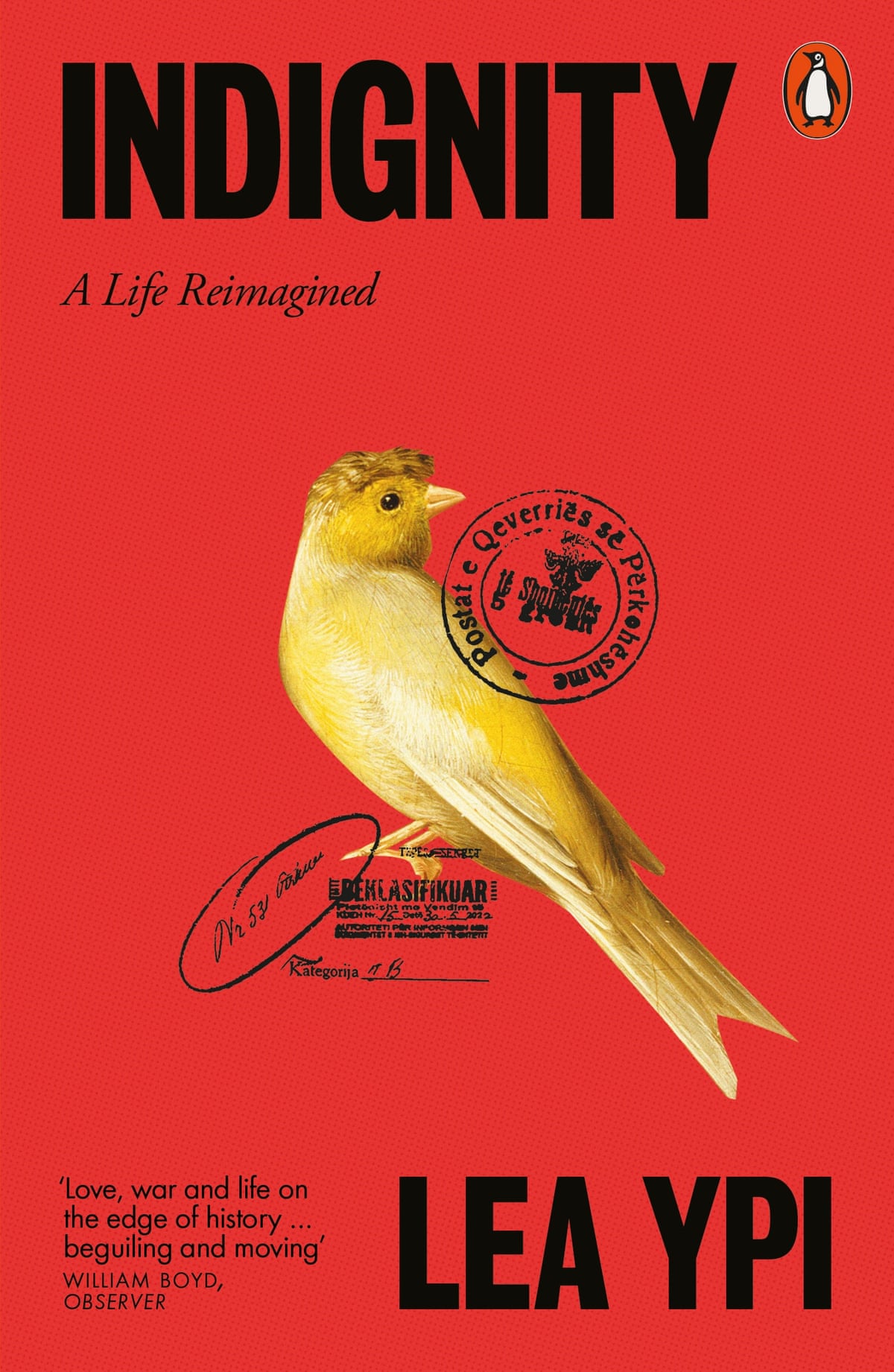
Prompted by this discovery, Ypi embarks on an investigation into her grandmother's identity. She describes this as partly a duty—defending a family member from online trolls in a twenty-first-century echo of E.P. Thompson's call for history to rescue the dead from
the enormous condescension of posterity. But partly, Ypi admits, the photograph unsettles her. How can she reconcile her beloved, compassionate grandmother with this glamorous young woman enjoying herself in Mussolini's Italy?
Two parallel narratives unfold. The heart of Indignity is a richly reimagined account of Ypi's grandmother's life. Born in Salonica (now Thessaloniki) in 1918, Leman Leskoviku entered a world already fragmenting. Cosmopolitan empires were collapsing into nation-states uncertain how to accommodate families like hers: Albanian-speaking, living in Greece, with a distinguished record of Ottoman service. Leman's childhood was shaped by this uncertainty—the trauma of recent wars, economic decline and brutal social engineering. Millions were forcibly relocated across newly drawn borders. Leman's nanny, one of Salonica's many Muslim Turks, could barely contain her tears as she was sent to central Anatolia.
Amid this ambiguity and to escape an unwanted suitor, Leman charted her own course. At just eighteen, she chose to move to Albania alone—a remarkable decision that reversed the typical pattern. Ypi's earlier Ondaatje Prize-winning memoir was haunted by stories of Albanians fleeing to neighbouring countries to escape the violence of the 1990s. This narrative hinges on a young woman's extraordinary choice to move in the opposite direction, toward uncertainty and independence.
One Day, Everyone Will Have Always Been Against This
Omar El Akkad, born in Egypt, raised in Qatar and Canada, and now a United States citizen, has reported from the Middle East, Afghanistan and Guantánamo. His new book responds to events in Gaza following 7 October 2023. It represents his voice and bewilderment spilling out after decades of enforced silence for the sake of journalistic neutrality or artistic restraint, after biting his tongue when readers responded to his journalism with racist suspicion:
I don't trust any story about terrorism written by a guy named Omar.
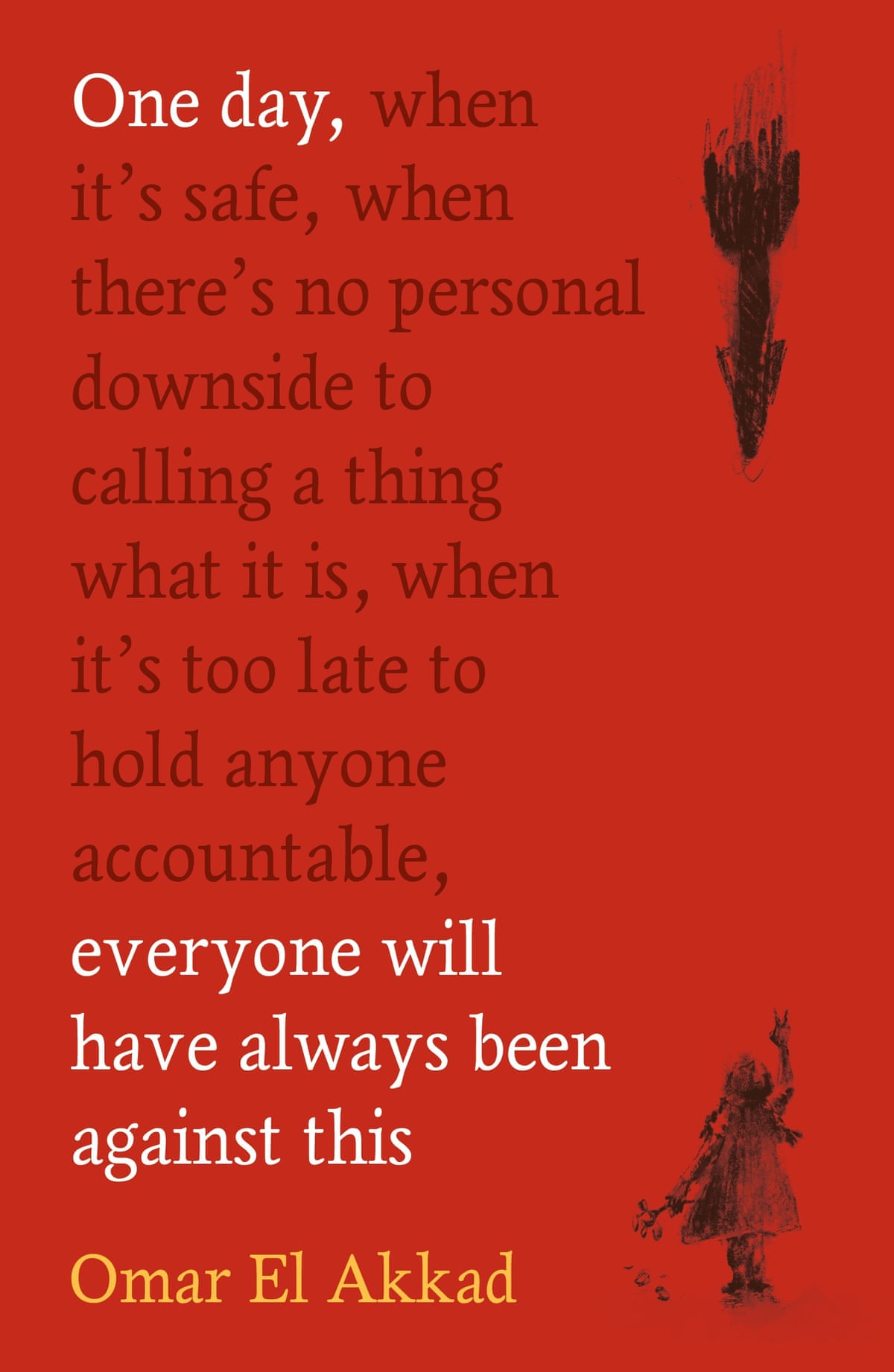
He abandons these old constraints and articulates what he believes is wrong, not merely reporting but processing everything he has witnessed and heard.
This is an account of a fracture, a breaking away from the notion that the polite, western liberal ever stood for anything at all.The book delivers a deft, broken-hearted rhetorical assault on comfortable people who say nothing or offer lip service while caring only about preserving normality, convincing themselves that such atrocities happen only
to certain places, to certain people.
One Day is passionate, poetic and sickening. It brims with hard-earned rage and frustration with those who require morality to be spelled out. For many readers, it will prove cathartic and almost spiritual—a chance to hear ugly truths articulated plainly. It stands as an important work, essential reading, if only as a reminder that history ultimately poses one simple question:
When it mattered, who sided with justice and who sided with power?