Paul McCartney has spent decades reclaiming his legacy from the shadow of John Lennon's towering cultural mythology. Now, as Sam Mendes prepares four separate Beatles biopics for simultaneous release, McCartney has identified one final battleground: he must not appear shorter than his former bandmate on screen.
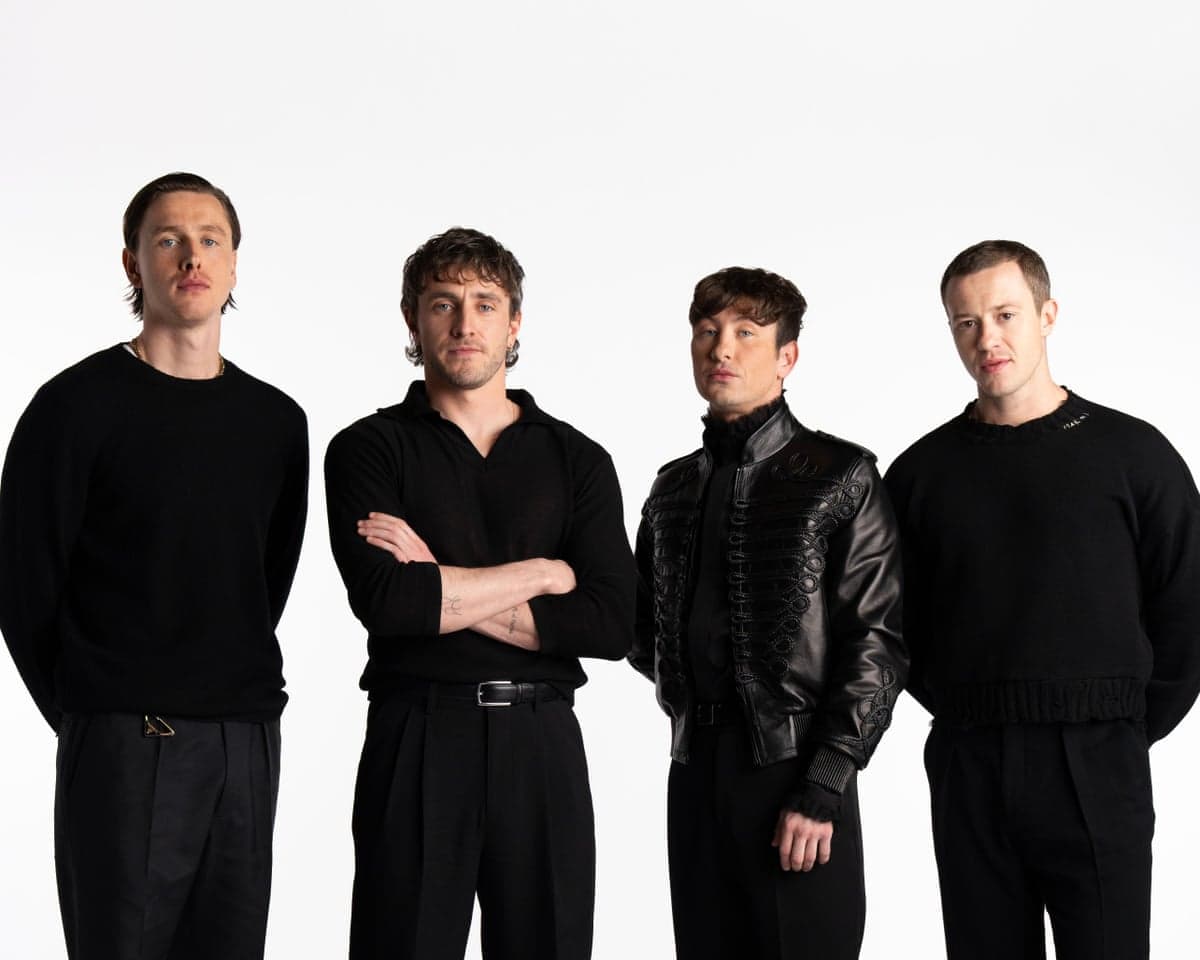
The former Beatle revealed his concern during an appearance on Amy Poehler's podcast, disclosing that he had contacted Mendes directly after seeing promotional images from the Abbey Road album cover recreation. In those shots, actor Harris Dickinson, cast as Lennon, appeared to tower over Paul Mescal, who plays McCartney. According to McCartney's account, his message to the director was blunt:
"Sam! Smaller? Don't do this! You said you wouldn't do it!"
Mendes responded by explaining that the height disparity resulted from the actors' different strides during the shot, and subsequently provided another photograph demonstrating that both performers appeared equally tall when positioned differently. Yet McCartney's anxiety about the matter reveals something deeper than mere vanity—it reflects a decades-long struggle to establish his creative equality within the partnership that defined popular music.
Why does McCartney care about height in a film?
McCartney has legitimate historical grievances. In 2009's Nowhere Boy, which dramatised Lennon's early life, Aaron Taylor-Johnson played Lennon at 5 ft 11 in while Thomas Brodie-Sangster portrayed McCartney at 5 ft 10 in, visually reinforcing a narrative of McCartney as the junior partner. The 1960s animated film Yellow Submarine, by contrast, maintained visual parity between the two, though a persistent cultural perception has long suggested McCartney was the smaller member of the duo.
This misrepresentation has haunted McCartney's public image for generations. In reality, McCartney and Lennon were roughly equal in height, with the cast of Mendes's films reflecting this disparity: Paul Mescal stands 5 ft 11 in, while Harris Dickinson measures 6 ft 2 in—a two-inch gap that could easily distort audience perception.
How has McCartney fought back against this narrative?
Over the past two decades, McCartney has methodically dismantled the myth that he was merely Lennon's appendage. In 2002, he released the live album Back in the US and altered the songwriting credits on 19 tracks from "Lennon-McCartney" to "Paul McCartney and John Lennon," an attempt to signal his primary creative role. This provoked legal threats from Yoko Ono, forcing him to revert the credits on subsequent editions.
More recently, McCartney has achieved greater success in reshaping his historical narrative. Peter Jackson's Get Back documentary reframed the Let It Be sessions from a story of McCartney's divisiveness to one of his indispensable leadership. The Now and Then single, which Lennon's estate had previously rejected, was released after George Harrison's death, further cementing McCartney's authority over the Beatles' legacy. In contemporary interviews, McCartney is now routinely celebrated as a genius in his own right, with journalists frequently expressing tearful gratitude for his contributions to music.
What makes this issue significant for the films?
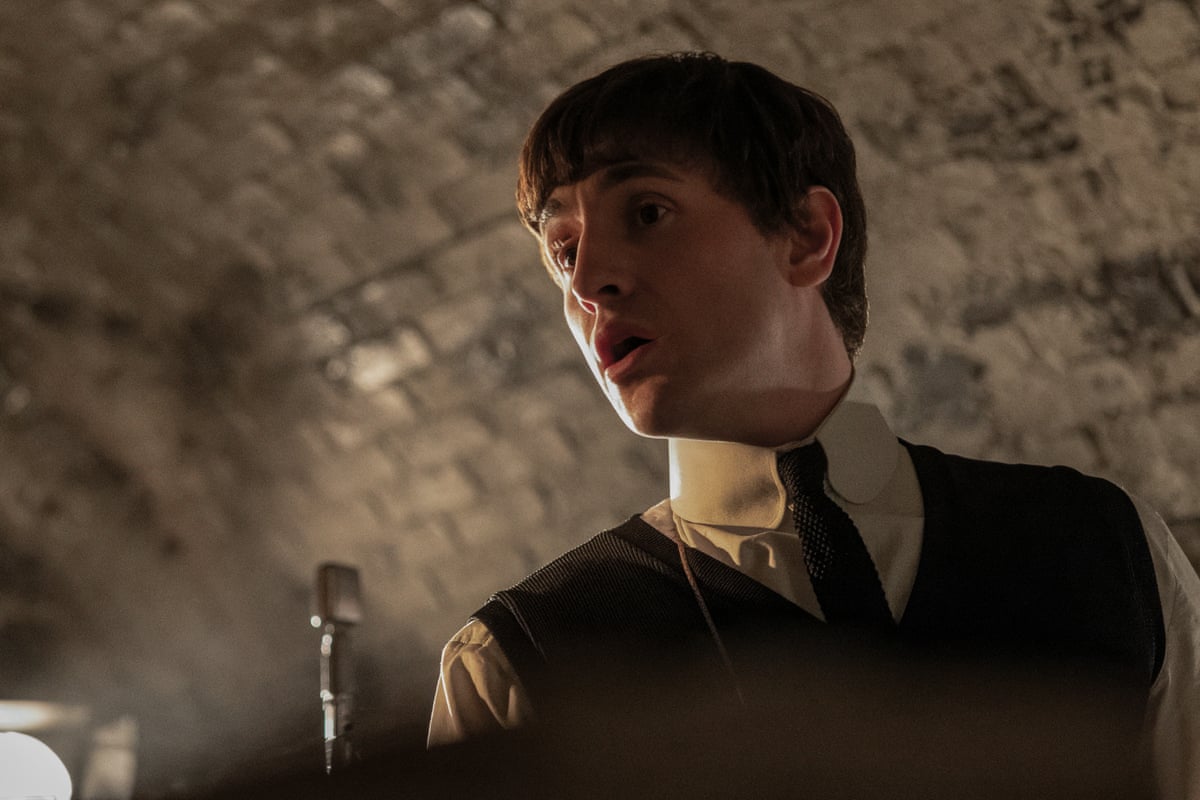
If Mendes's four biopics achieve the commercial success anticipated, the films are scheduled for simultaneous release in April 2028, and the actors' portrayals will likely become the definitive visual representation of the Beatles for an entire generation. The supporting cast, which includes Saoirse Ronan as Linda McCartney, Anna Sawai as Yoko Ono, Aimee Lou Wood as Pattie Boyd and Mia McKenna-Bruce as Maureen Starkey, suggests an ambitious scope that will shape how audiences understand the band's history.
The height issue may seem trivial—comparable to contractual clauses in action films stipulating that certain stars must never be depicted losing a fight—but it carries symbolic weight. A generation that grows up watching Harris Dickinson loom over Paul Mescal will absorb a visual message about hierarchy and dominance that contradicts historical reality. For McCartney, who has spent the last twenty years correcting the record, allowing this inaccuracy to persist on screen would represent a significant setback.
McCartney's insistence that Mendes maintain visual equality between the two actors reflects his broader mission: ensuring that history records him not as John Lennon's slightly shorter sidekick, but as an equal creative force whose contributions were fundamental to the Beatles' achievement. Physical stature on screen may seem inconsequential, but in the context of McCartney's long campaign for recognition, it represents the final frontier in his battle to secure his rightful place in the band's legacy.