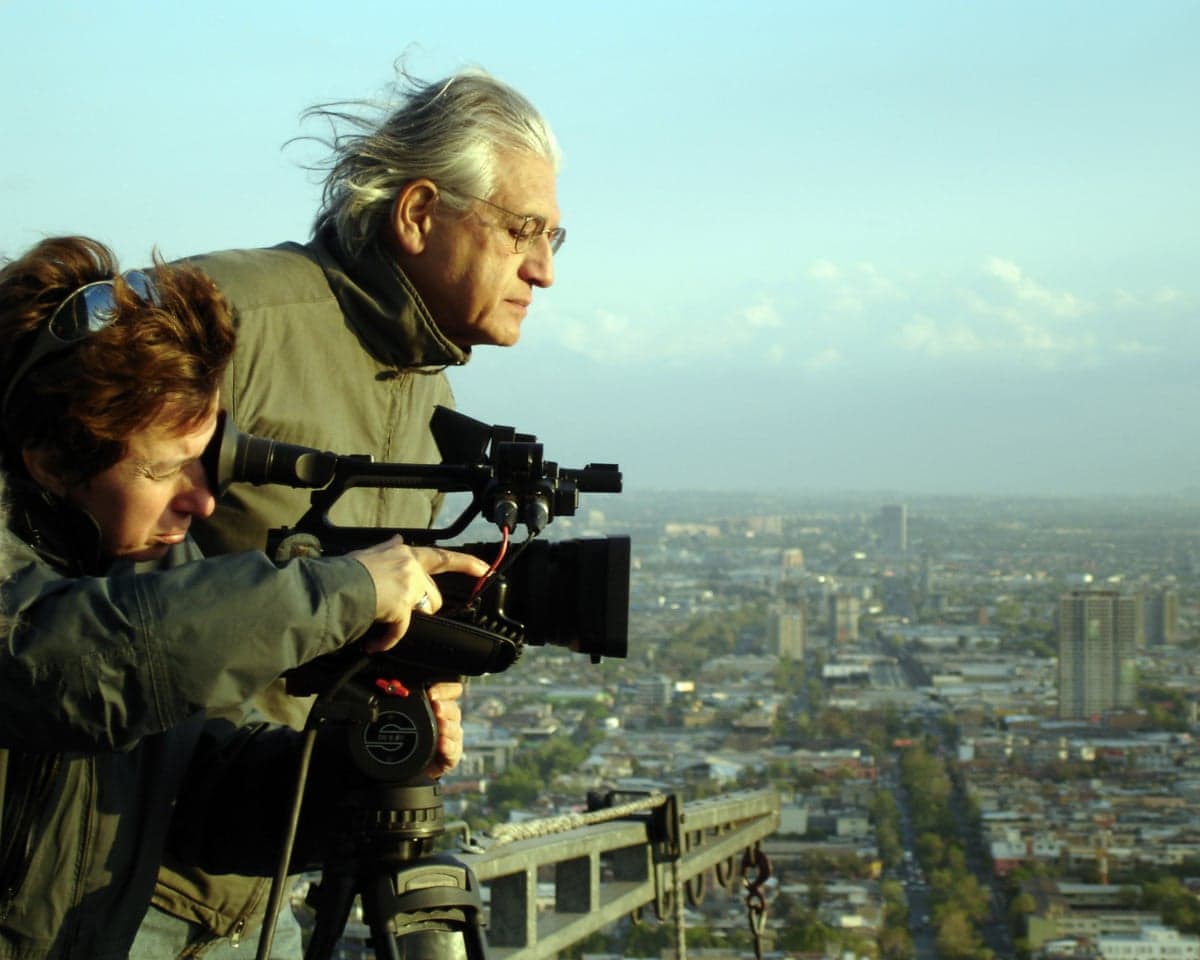
Patricio Guzmán, the documentary filmmaker whose unflinching yet poetic works examined the devastating legacy of Augusto Pinochet's dictatorship in Chile, died on September 15, 2026, in Paris following a cardiorespiratory arrest. He was 85. His daughter, Andrea Guzmán Urzúa, announced his death on social media, and his wife later confirmed it to international news agencies. According to reports, he had experienced declining health for several years and was hospitalized in Paris the day before his death after developing a high fever.
Guzmán's filmmaking career was defined by his determination to chronicle the human cost of Pinochet's 1973 coup against Salvador Allende, Chile's elected president. His most celebrated works—The Battle of Chile and Nostalgia for the Light—established him as one of cinema's most significant voices on political violence and historical memory. Throughout his life, he grappled with the trauma of that period, once reflecting on his artistic mission:
"I'm a film-maker who was very marked by the ways of the dictator. It has remained with me for ever. I cannot leave it behind."Yet he rejected the label of activist or political propagandist, insisting instead:
"I'm not a sociologist. Neither am I a politician. I make films that are metaphorical and poetic; I interpret reality through my own personal way of looking."
Born in 1941, Guzmán initially pursued advertising work before turning to cinema, studying first in Chile and later in Madrid. Upon returning to Chile, he immersed himself in the turbulent political atmosphere following Allende's election in 1970, eventually undertaking the monumental task of creating The Battle of Chile—a documentary that would become his masterwork. The film unflinchingly captured Pinochet's ultimately successful campaign to overthrow Allende, whose death by suicide marked the end of Chile's democratic experiment. Guzmán did not shy away from depicting the period's brutality; the film includes footage shot by camera operator Leonardo Henrichsen moments before he was killed by a soldier he was filming.
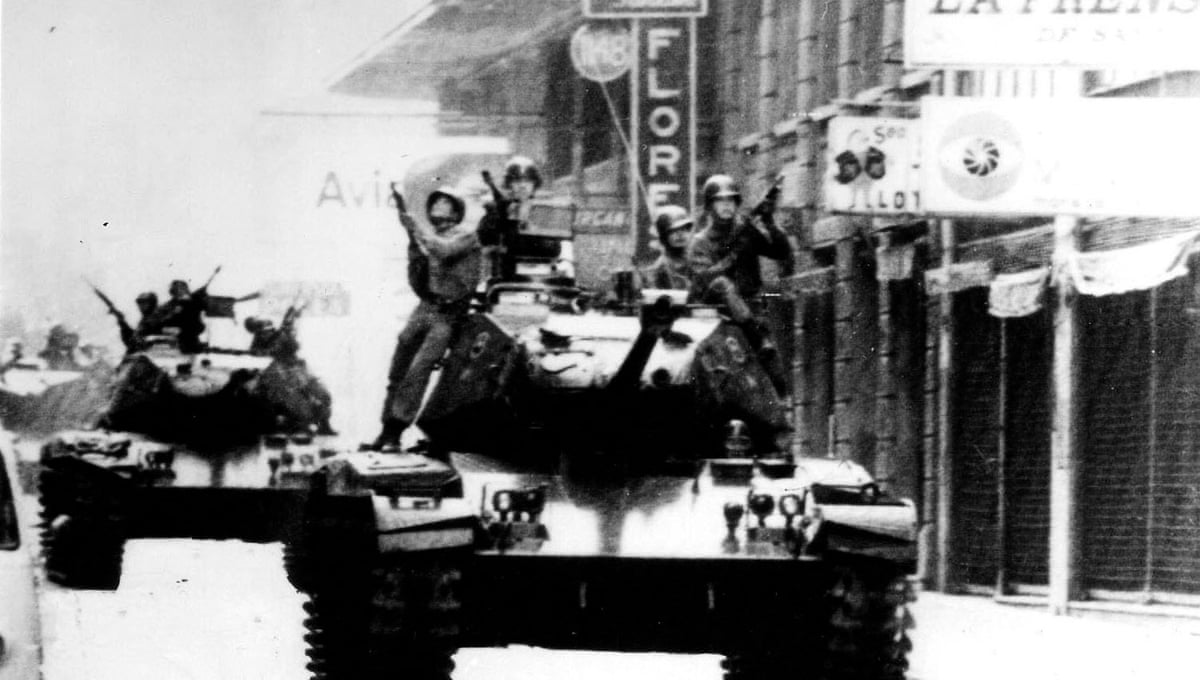
The production of The Battle of Chile was made possible partly through the support of French filmmaker Chris Marker, who provided essential film stock and professional connections. Guzmán himself was detained during this period but eventually released. However, the film's cinematographer Jorge Müller faced a grimmer fate—he and his girlfriend Carmen Bueno disappeared, victims of the regime's violence.

Guzmán completed The Battle of Chile outside Chile, releasing its three parts sequentially throughout the 1970s: The Insurrection of the Bourgeoisie (1975), The Coup d'État (1976), and Popular Power (1979). The work earned widespread international recognition for its exceptional cinematography and its ability to capture the political drama and social upheaval of the era. In the mid-1990s, after spending a quarter-century in exile, Guzmán returned to Chile and created Chile, Obstinate Memory, revisiting and reflecting on his earlier documentary. Following Pinochet's arrest in 1998, Guzmán completed another significant work in 2001 that continued his examination of the dictatorship's impact.
How did Guzmán's later work differ from his early documentaries?
In his final decades, Guzmán shifted toward more philosophical and metaphysical explorations of Chile's traumatic history. Beginning in 2010, he created a trilogy of films that sought to process the nation's painful past by engaging with its stunning natural landscapes and astronomical heritage. His final film, premiered in 2022, continued this contemplative approach to memory and national identity. According to later coverage, his work ultimately spanned two distinct trilogies: one focused on the 1973 coup and its immediate aftermath, and another devoted to Chile's ongoing struggle with the regime's historical memory.
What was Guzmán's path to exile and return?
After the coup, Guzmán was forced into exile, eventually settling in France after earlier periods in Spain and Cuba. This long separation from his homeland—lasting more than two decades—profoundly shaped his artistic vision. His decision to return to Chile in the mid-1990s marked a turning point, allowing him to revisit locations and themes central to his earlier work and to witness the country's tentative steps toward confronting its past.
How does Guzmán's legacy connect to Chile's ongoing reckoning with its history?
Guzmán's death comes at a moment when Chile continues to grapple with the legacies of Pinochet's rule. Recent developments underscore the nation's unresolved tensions over historical justice: in July 2026, police captured Nelson Haase, a fugitive convicted of kidnapping and murdering singer Victor Jara under Pinochet, after he fled in 2023. Meanwhile, in April 2026, Chile's new far-right government cancelled a memorial plan at Colonia Dignidad, a former torture site from the dictatorship era, raising fresh concerns about the nation's commitment to remembering victims and pursuing justice. Guzmán's films remain vital documents in this ongoing conversation, preserving testimony and emotional truth that official institutions have sometimes failed to honor.
Key Facts
- Guzmán died on September 15, 2026, in Paris at age 85 following a cardiorespiratory arrest after a period of declining health.
- His three-part documentary The Battle of Chile (1975–1979) remains one of cinema's most important records of political upheaval and the human cost of dictatorship.
- He spent more than 25 years in exile before returning to Chile in the mid-1990s, an experience that deepened his artistic exploration of memory and trauma.
- His later work shifted from direct historical documentation to metaphysical and poetic engagements with Chile's landscape and collective memory.
- Guzmán's films continue to serve as crucial testimonies as Chile navigates ongoing debates over historical justice and accountability for crimes committed under Pinochet's regime.