An influential parliamentary committee is launching an inquiry into the United Kingdom's persistently weak performance at Eurovision, with lawmakers set to examine the selection process for the country's entries and question whether poor results stem from song choice, weak performances, or other factors.
Dame Caroline Dinenage, who chairs the digital, culture, media and sport committee, has signalled the investigation will scrutinise the decision-making behind the UK's Eurovision representatives. The committee is expected to hear evidence from BBC leadership and music industry specialists as part of what the broadcaster describes as its State of Play inquiry, though no hearing date has yet been confirmed.
The UK's Eurovision record has deteriorated sharply over the past quarter-century. Before 2000, the nation finished in the top 10 every year except 1978, 1987 and 1999, and achieved outright victory with Love Shine a Light by Katrina and the Waves in 1997.
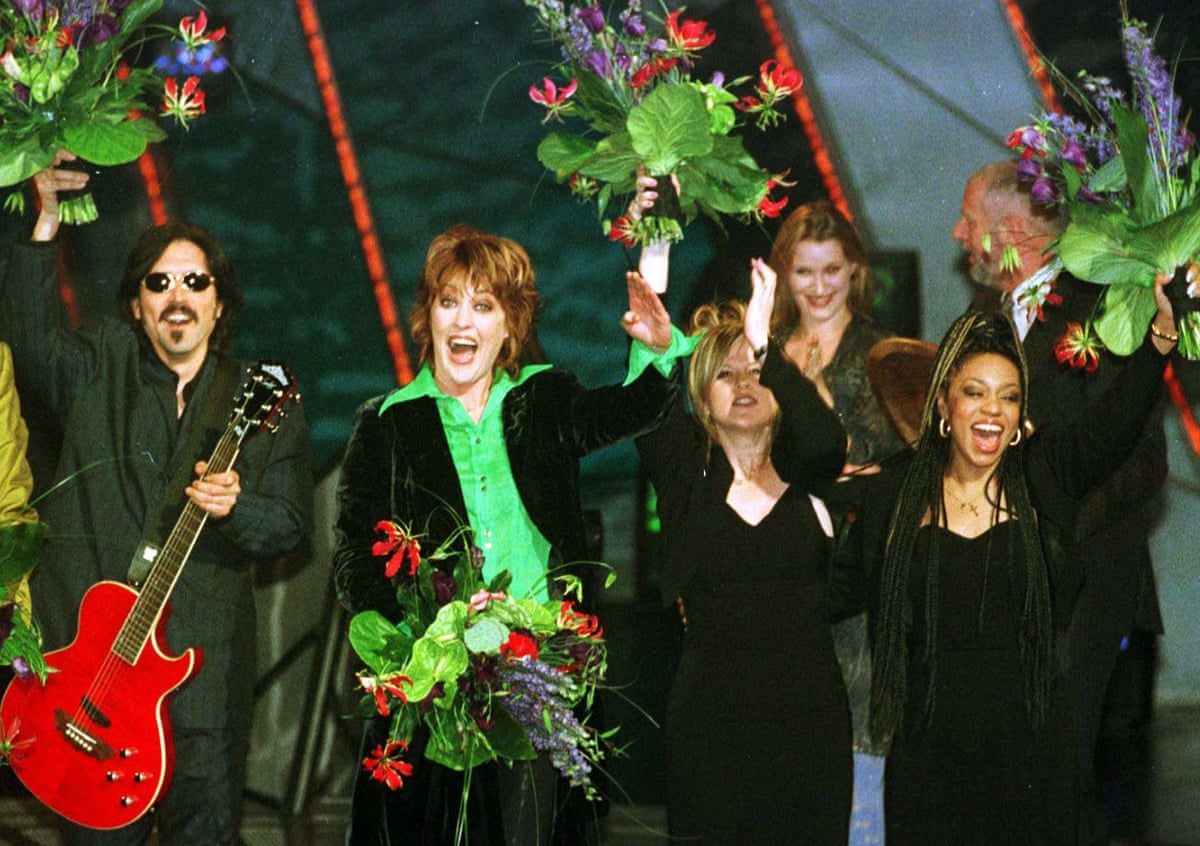
Since the turn of the millennium, however, the trajectory has reversed. The UK has reached the top 10 only three times and finished in last place on six occasions, with two entries scoring nul points: Jemini in 2003 and James Newman in 2021. The sole bright spot came in 2022 when Sam Ryder's Space Man achieved a strong result.
What prompted the parliamentary investigation?
The committee's decision to examine Eurovision selection reflects growing frustration with the country's recent showings. Dame Caroline Dinenage stated that MPs want to establish who chooses the UK's entrant, on what basis those decisions are made, and whether the nation's disappointing achievements in recent years result from poor song selection, inadequate performance quality, or other underlying issues.

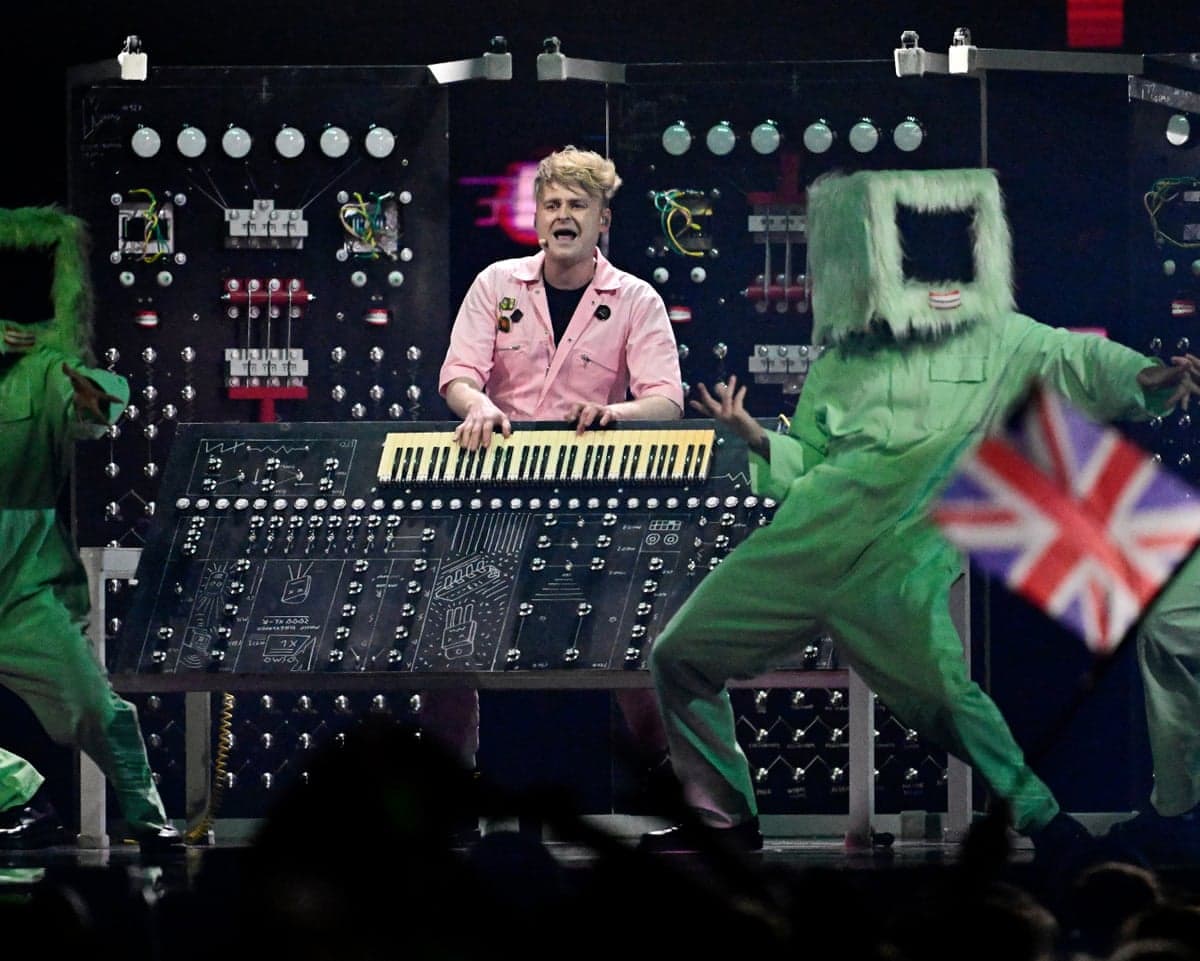
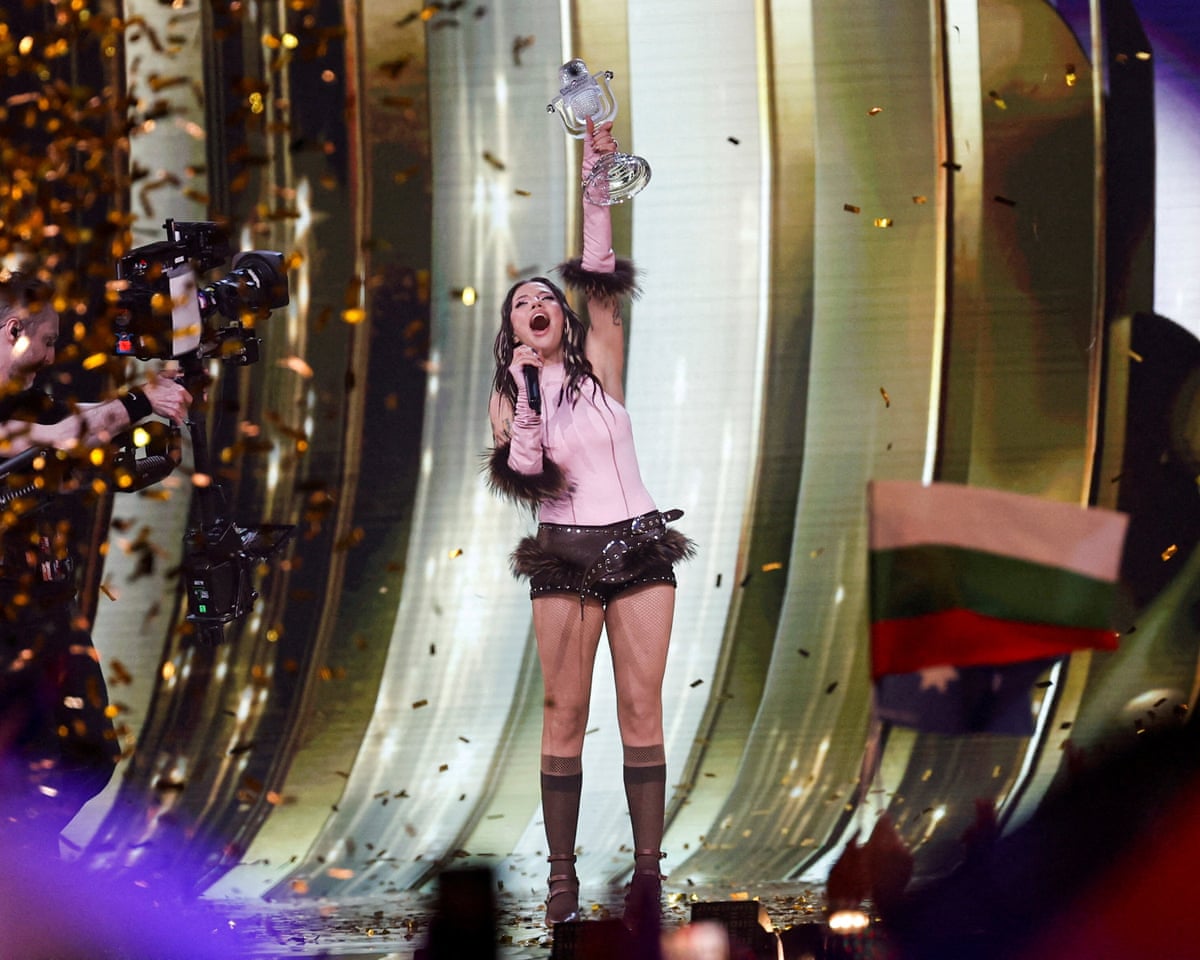
The most recent contest, held in 2026, exemplified the ongoing struggle. Bulgaria claimed victory when Dara triumphed with her song, marking the nation's first Eurovision win since joining the competition in 2005. By contrast, the UK finished last with Look Mum No Computer, the stage name of YouTuber Sam Battle, who is known for constructing his own synthesisers. His entry, Eins, Zwei, Drei, received zero points in the public vote and failed to place in the top 10 across any voting nation.
How does the BBC currently select the UK's entry?
The BBC selects the UK's Eurovision representative internally, working in partnership with a record label or music management company to identify and develop the artist and song. This process has come under scrutiny given the string of unsuccessful outcomes, with critics questioning whether the selection criteria adequately assess commercial appeal and audience engagement.
What will the committee investigation involve?
The parliamentary inquiry is expected to gather both written submissions and oral testimony from BBC executives and music industry professionals over the coming months. Once the committee has examined the evidence, it may publish a short report containing recommendations to the BBC on how the corporation chooses its Eurovision songs and performers.
The investigation comes at a time when Eurovision itself has become increasingly contentious. The contest has grown more politically charged, particularly regarding the participation of Israel, which has competed since 1973. Ireland has announced it will boycott the contest for the second consecutive year in protest against the Gaza war. In the 2026 edition, Iceland, the Netherlands, Spain and Slovenia also declined to participate in objection to Israel's involvement.
What happens next?
The committee hearing is anticipated to take place over the coming months, though a specific timetable has not been announced. After reviewing the evidence gathered, the committee is expected to issue recommendations to the BBC regarding its approach to selecting Eurovision songs and acts, potentially reshaping how the broadcaster identifies future representatives for the competition.
Key Facts
- The UK finished in the top 10 every year before 2000 except 1978, 1987 and 1999, and won Eurovision in 1997
- Since 2000, the UK has reached the top 10 only three times and finished last six times, with two entries scoring nul points
- Sam Battle's Look Mum No Computer received zero public votes at Eurovision 2026, failing to place in the top 10 of any voting nation
- The BBC selects the UK's Eurovision entry in partnership with record labels or music management companies
- Bulgaria won Eurovision 2026, marking the nation's first victory since joining the competition in 2005