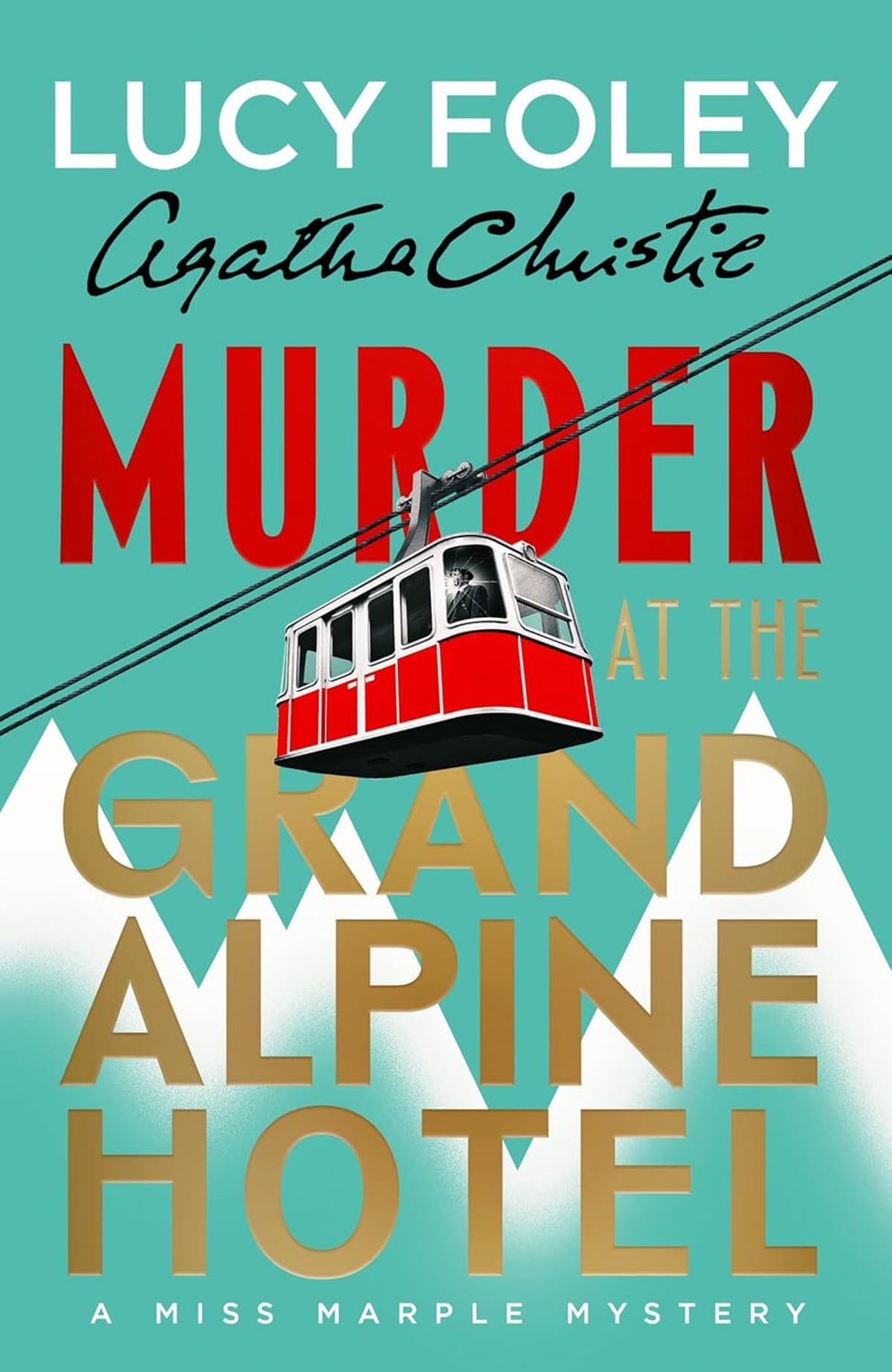
Fifty years after Agatha Christie's final Miss Marple mystery, a new full-length novel featuring the beloved detective has arrived. Lucy Foley, best known for her psychological thrillers, has written Murder at the Grand Alpine Hotel, which was released on 22 September 2026. The novel marks the first time anyone has been commissioned to continue Christie's detective series since her death in 1976.
Foley's decision to write the novel came from a place of deep personal connection to Christie's work. She recalls her grandmother as a formative influence—a woman who embodied many of Miss Marple's qualities: an accomplished knitter and gardener with a sharp intellect, keen insight into human behaviour, and an unwavering moral code. Though kind and generous, she possessed, like Miss Marple herself, a steely resolve when circumstances demanded it.
Christie introduced Jane Marple in a 1927 Christmas magazine story titled The Tuesday Night Club, with the character's first book appearance coming in 1930's The Murder at the Vicarage. The elderly spinster detective eventually featured in 12 of Christie's 66 detective novels and 20 of her 160 short stories, rivalling the famous Hercule Poirot in readers' affections. With more than two billion Agatha Christie books sold worldwide—one billion in English and another billion in translation—her works remain among the most enduringly popular ever published. Yet despite Sophie Hannah being commissioned to write authorised Poirot continuations beginning in 2013, no one had previously been asked to extend the Miss Marple canon until Foley's assignment.
What drew Foley to Miss Marple?
Foley first encountered Christie's work as a young reader, beginning with Murder on the Orient Express at around age 12 or 13. She was captivated not by the darkness of the narrative but by the intellectual game itself—spotting clues, avoiding red herrings, and attempting to solve the mystery before the final revelation. She remembers the distinctive tension that grips mystery readers: the urge to race through pages to reach the solution while simultaneously wanting to savour every detail. The experience left her anxious: what if this plotting genius had written nothing else?
That concern proved unfounded. Like many readers, Foley gravitated initially toward the Poirot novels, particularly after watching the 1970s film adaptation of Orient Express featuring Lauren Bacall, Ingrid Bergman, and Sean Connery. The glamorous settings—the French Riviera, Egypt, the Greek islands, the Dolomites—became central to her understanding of Christie's appeal. By contrast, Miss Marple's world seemed confined and provincial to younger readers.
Only upon rereading Christie's work as an adult did Foley grasp the radical genius of the character. Christie had taken an elderly unmarried woman—a figure typically pitied and scorned by post-First World War society for failing to secure a husband—and made her a master detective. Miss Marple occupied a unique space between investigator and bystander, wielding her social invisibility as a superpower. In doing so, Christie had violated one of the Detection Club's founding oaths (to which Christie herself belonged) against employing "Feminine Intuition" as a crime-solving mechanism. Yet the Miss Marple novels rely heavily on precisely this quality: while physical evidence matters, it is her intuitive understanding of human nature—coded as distinctly feminine—that ultimately solves the case.
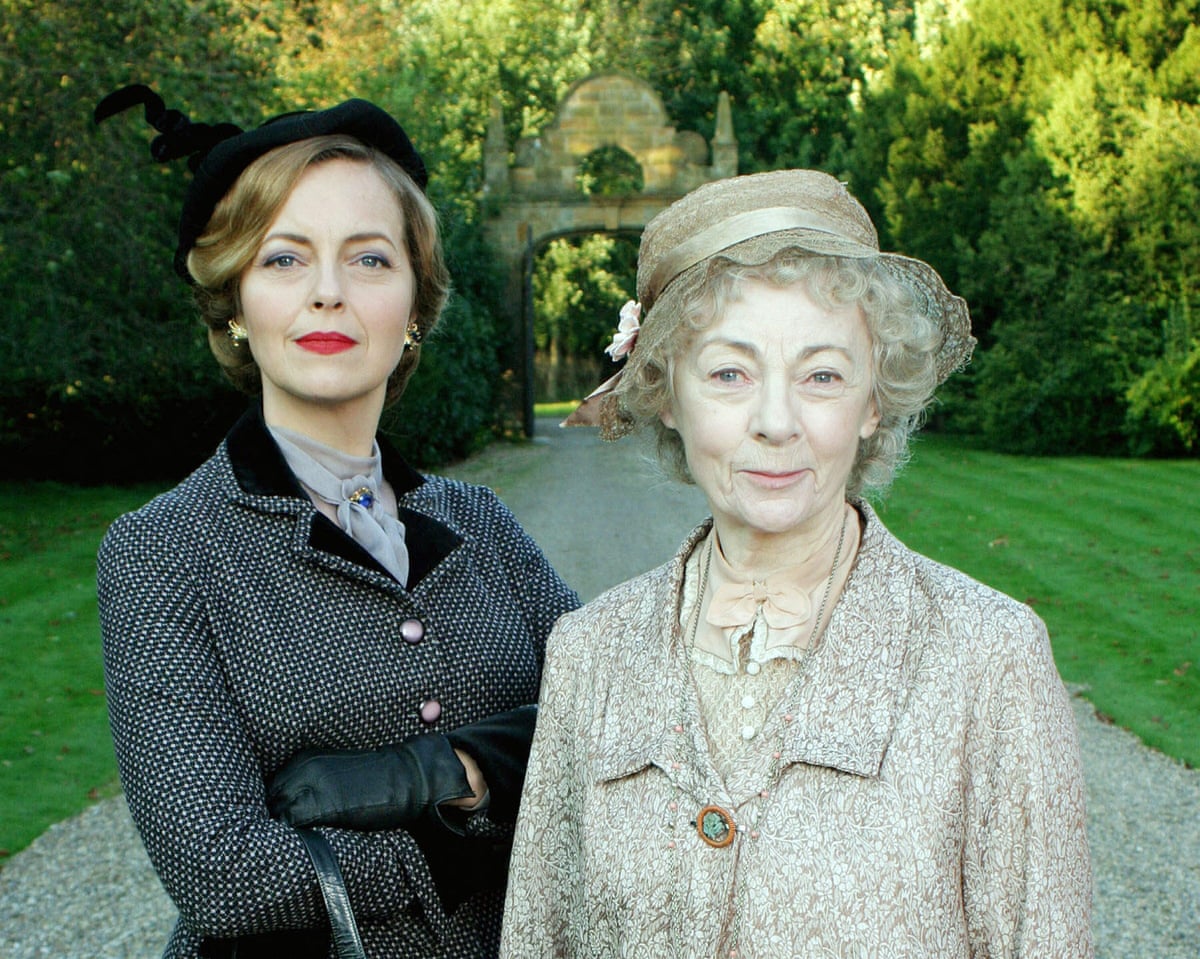
Foley came to admire Miss Marple's lack of vanity, her sharp humour, and her awareness of how others perceive her. She appreciated the character's unexpected moments of darkness and the way the Miss Marple novels document social transformation across twentieth-century Britain. The Murder at the Vicarage, set in the 1930s, captures a different England from The Mirror Crack'd from Side to Side, which depicts the 1950s arrival of new housing estates. A Murder Is Announced explores postwar anxiety about unknown neighbours, while At Bertram's Hotel captures the permissiveness of the 1960s. By contrast, the Poirot novels feel largely timeless.

How did Foley approach writing a new Miss Marple?
When planning her novel, Foley recognised that Miss Marple herself was paramount. The character had to embody all of Christie's original complexity and brilliance. Equally crucial was replicating Christie's plotting mastery—the element that had kept Foley awake as a child, trying to deduce the solution using every available clue.
Yet Foley knew she could not simply imitate Christie. There was only one Agatha Christie, and attempting to replicate her voice exactly would be creatively sterile and likely to fail. Instead, Foley conceived her novel as a conversation with Christie's original works—one that introduces new elements while honouring the source material.
A crucial breakthrough came when Foley discovered during her research that Death on the Nile had originally been conceived as a Miss Marple novel. This revelation provided her entry point: she could combine her love of cinematic locations with the glamorous settings that had captivated her in the Poirot novels. She would send Miss Marple on holiday to the Swiss Alps, to a luxury hotel with exclusive mountain access and sweeping vistas.
The resulting novel, Murder at the Grand Alpine Hotel, is set in 1950 and features Miss Marple vacationing at the hotel when a body is discovered during a blizzard. Foley employed multiple first-person narrators—a technique that allowed her to replicate something Christie executed brilliantly: revealing character through how others react to Miss Marple, whether they underestimate, admire, or fear her.
What themes does the new novel explore?
Foley was determined to make her novel speak to contemporary concerns without forcing modern issues into a period setting. She wanted to interrogate society's persistent fear of ageing and the invisibility of elderly people—a dynamic that has barely shifted since Christie's era. She also sought to examine the prevalence of toxic male egos in culture and politics: figures who attempt to rewrite history to serve their interests or obscure past wrongdoings, often with apparent impunity.
This thematic focus connects to what Foley most admires in Christie's work: the grim satisfaction of witnessing the past catch up with the wicked, of seeing justice finally served. While such reckoning rarely occurs in the real world, Foley ensures it happens within her narrative.
When was the novel released?
Murder at the Grand Alpine Hotel was published on 22 September 2026. The 384-page novel was released by HarperCollins, which had signed Foley for the project in March 2025 as the first full-length continuation of Christie's detective series. The publication arrives exactly 50 years after Christie's final Miss Marple novel, Sleeping Murder, appeared posthumously in October 1976.
Key Facts
- Lucy Foley's Murder at the Grand Alpine Hotel is the first new full-length Miss Marple novel since Agatha Christie's death in 1976, published 50 years after Sleeping Murder
- The novel is set in 1950 at a luxury Swiss Alpine hotel where Miss Marple encounters a murder during a blizzard
- Foley drew inspiration from discovering that Christie had originally conceived Death on the Nile as a Miss Marple adventure, allowing her to combine the detective with glamorous international settings
- The book employs multiple first-person narrators to reveal character through how others perceive and react to Miss Marple
- Foley's novel engages with contemporary themes including ageism, the invisibility of elderly people, and the accountability of powerful men who attempt to rewrite history