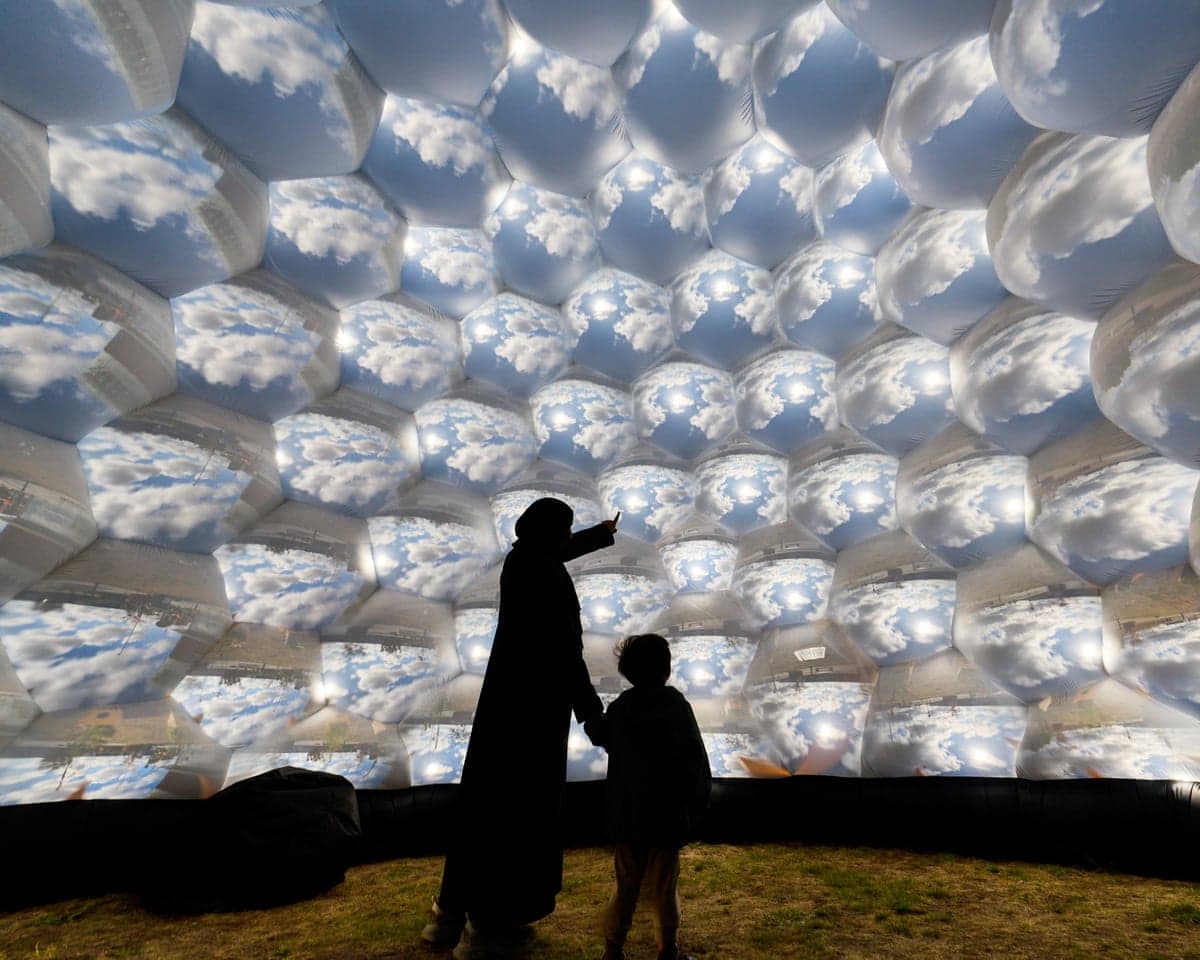
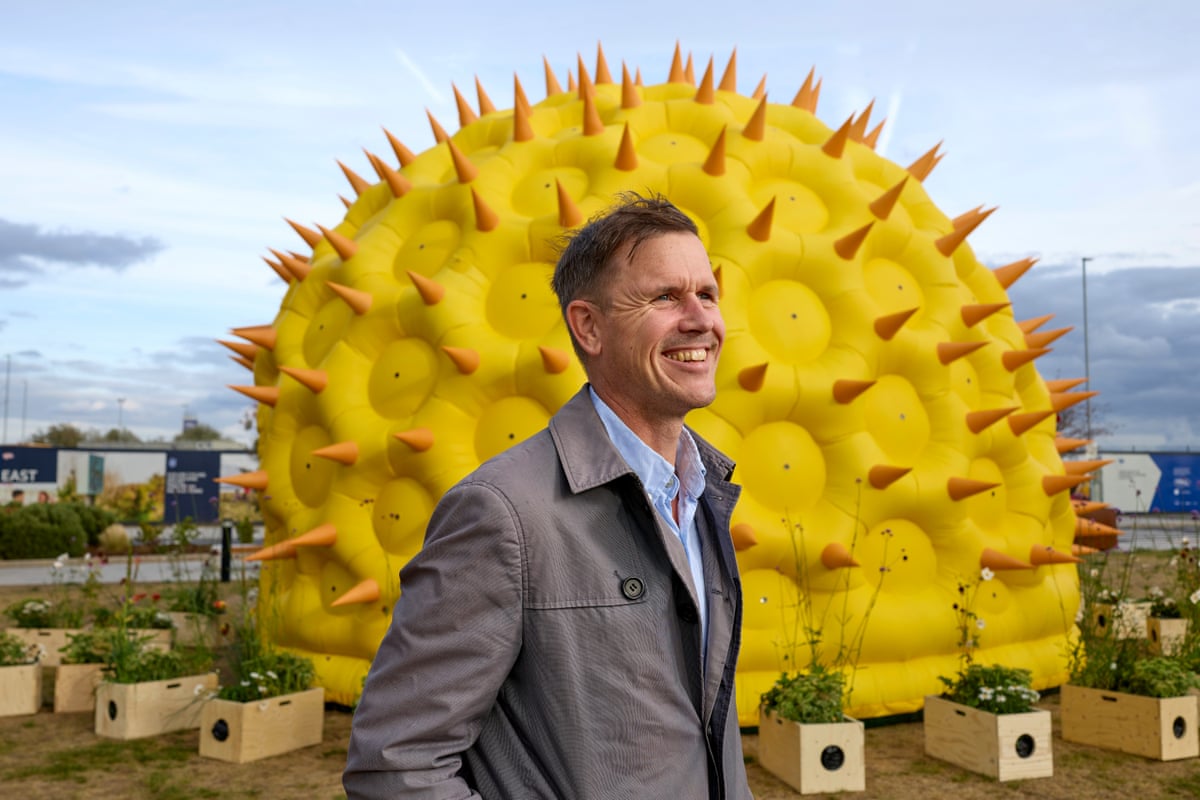
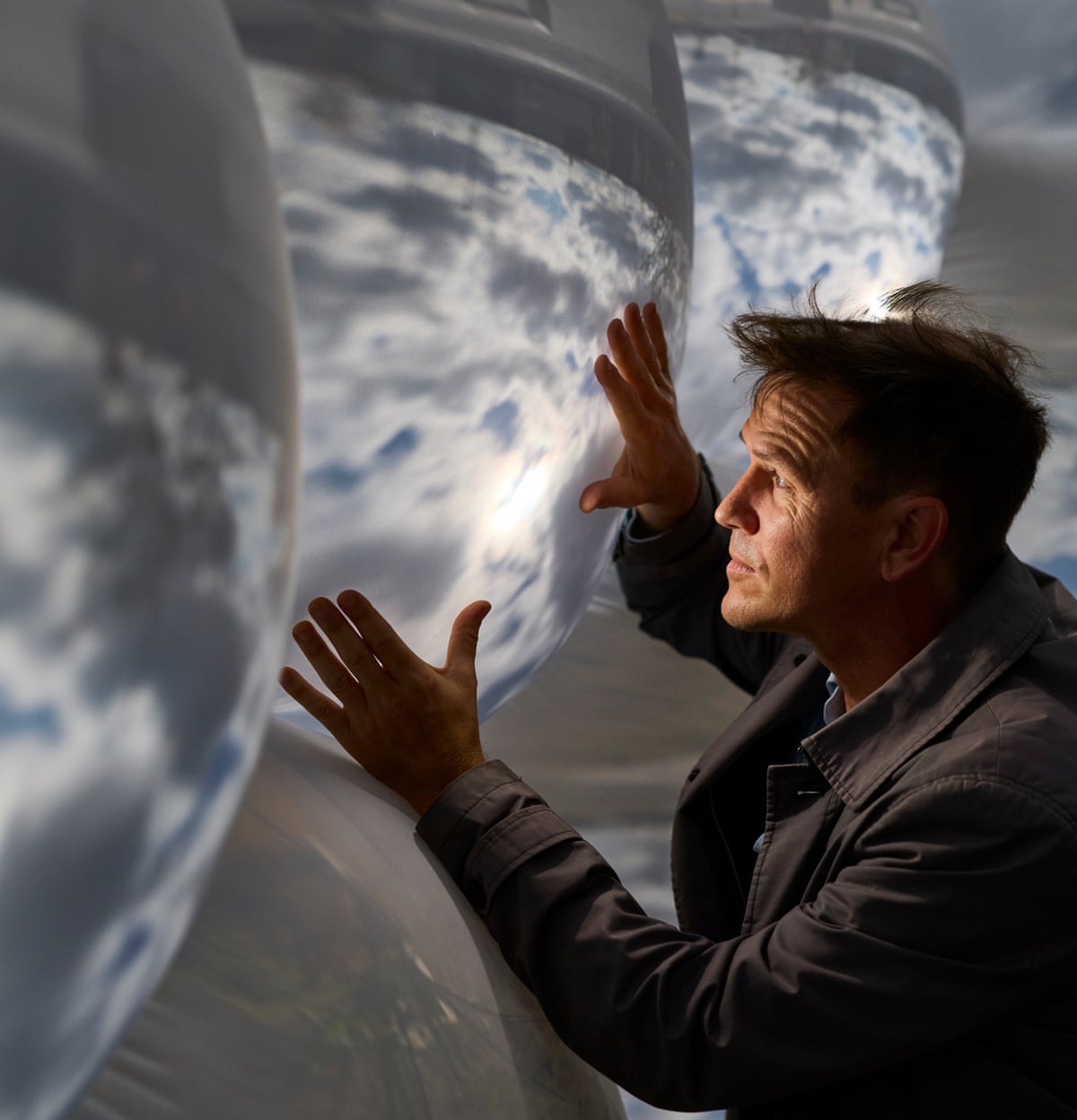
Bristol artist Luke Jerram has created an immersive artwork that transforms the way visitors perceive the world around them. The Pollenarium, a giant inflatable dome representing a magnified grain of pollen, opened on the banks of the Thames in east London on 12 September 2026 as part of the Emerge East festival at Barking Riverside. The installation features more than 100 glass lenses that function as camera obscuras, creating a composite view of the landscape designed to simulate how insects see through their compound eyes.
From outside, the structure resembles something from a children's television programme, but its purpose is serious. Jerram conceived the work to draw public attention to the dramatic decline in pollinator populations worldwide.
"I hope it will make people think about how we need to protect pollinators,"Jerram explained.
"There has been a massive drop in insect numbers, which is mad."According to recent reporting, pollinator numbers have fallen by approximately 60 per cent over the past two decades, a trend that has alarmed conservationists and farmers alike.
Jerram expressed particular concern about agricultural practices in the UK. He noted that farmers are adopting methods that harm pollinators, with serious implications for their long-term survival and food production systems.
How does the installation work?
The Pollenarium is constructed as a 6-metre-high dome made from brightly coloured inflated nylon. Inside, more than 100 lenses are positioned to act as individual camera obscuras, each capturing and projecting light from the surrounding landscape onto the dome's inner surface. This creates what Jerram describes as a "mosaic" view of the external world.
"I've created Pollenarium to be a bit like going inside a bee's head,"he said, explaining the sensory experience visitors encounter when they step inside.
The optical principle behind the installation is straightforward but effective. Each lens focuses light from the surrounding environment and projects it inward, allowing visitors to see how the landscape appears fragmented and refracted through multiple viewpoints simultaneously—mimicking the way compound eyes in insects process visual information.

What is Jerram's artistic background?
Jerram is best known for creating large-scale public sculptures depicting astronomical subjects. His previous works have included monumental representations of the Moon, the Sun, the Earth, and Mars, which have toured internationally. The Pollenarium represents a shift in scale and subject matter, moving from the cosmic to the microscopic, yet maintaining his signature approach of transforming invisible or imperceptible phenomena into immersive public experiences.
When the artist tested the inflation of the dome in a car park at his Bristol studio location, the sight drew crowds from nearby offices, demonstrating the installation's immediate visual impact and public appeal.
Where can visitors see the installation?
The Pollenarium was commissioned by Creative Barking and Dagenham in partnership with Barking Riverside Limited, with co-commissioning support from the Royal Horticultural Society and the University of Bristol. The installation was free to visit on 12 September 2026 from 11am at Barking Riverside during the Emerge East festival.
The artwork's journey does not end in east London. Following its debut at Barking Riverside, the Pollenarium is scheduled to appear at the University of Bristol, before embarking on a broader tour of the United Kingdom. The tour will be accompanied by a programme of educational activities and workshops designed to deepen public understanding of pollinator ecology and the importance of conservation.
Why does pollinator decline matter?
The disappearance of bees, butterflies, and other pollinating insects has profound implications for food security and ecosystem health. These creatures are essential for the reproduction of flowering plants, including many crops that feed human populations. The scale of decline—with some estimates suggesting losses of 60 per cent over two decades—has prompted urgent calls for action from agricultural and conservation communities. Jerram's installation serves as both an artistic celebration of these creatures and a visual argument for their protection, inviting the public to see the world from an insect's perspective and, in doing so, to recognise their value.
Key Facts
- The Pollenarium is a 6-metre-high inflatable dome featuring more than 100 glass lenses that function as camera obscuras
- The installation premiered on 12 September 2026 at Barking Riverside as part of the Emerge East festival
- Pollinator populations have declined by approximately 60 per cent over the past 20 years
- The artwork will tour the UK after stops at Barking Riverside and the University of Bristol, accompanied by educational workshops
- The installation was commissioned by Creative Barking and Dagenham, Barking Riverside Limited, the Royal Horticultural Society, and the University of Bristol