In Kyiv, residents sometimes speak of moments that feel "pre-war"—instances when the weight of Russia's invasion lifts briefly from consciousness. These fleeting sensations of normalcy arrive unexpectedly: during an evening stroll through familiar streets, while watching a theatre performance, or in the middle of an ordinary conversation. Yet such moments are deceptive. The reality of conflict never truly recedes.
Life in the Ukrainian capital has been fundamentally transformed by the ongoing war. Walking at night, travelling abroad, or planning beyond the next few weeks has become impossible for many. A drone strike yesterday destroyed a beloved coffee shop, yet today it reopens at a new location, where customers scan QR codes to donate to military units. Musicians who might have competed at Eurovision now serve in the armed forces. Theatre performances unfold under the shadow of ballistic missile threats.
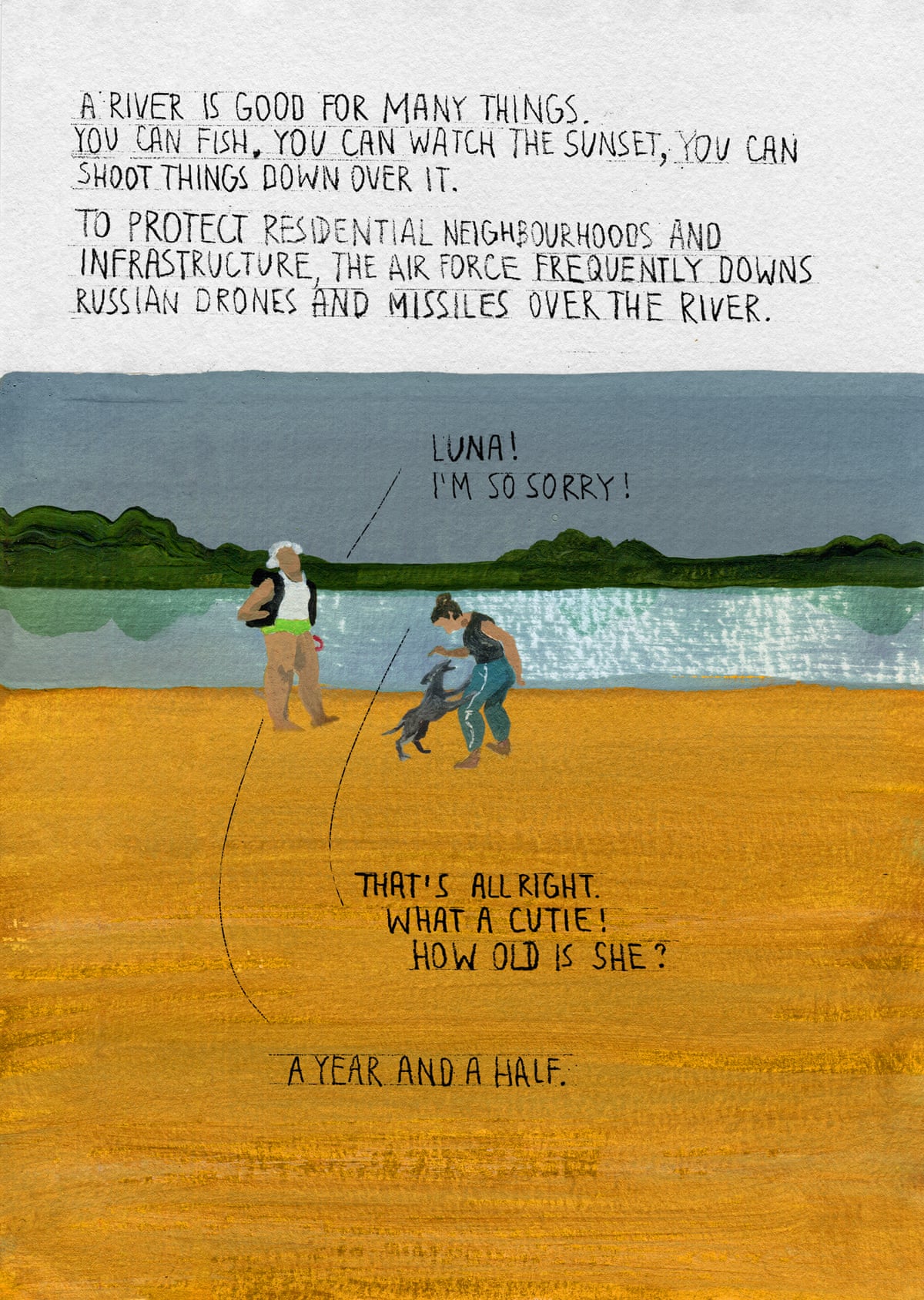
The frequency and intensity of attacks have escalated dramatically. According to reports from September 8, Russia struck Kyiv with drones and missiles, killing five people and damaging at least 14 high-rise buildings, a dormitory, a school, a clinic and warehouses. Russia has been deploying faster jet-powered drones in near-round-the-clock attacks, disrupting daily routines and claiming lives. On September 15 alone, Russia launched 200 drones at Ukraine, hitting petrol stations in Kyiv and killing two people in overnight strikes. A week later, Russia struck Kyiv and other Ukrainian cities with missiles and nearly 160 drones, prompting Poland to scramble fighter jets.
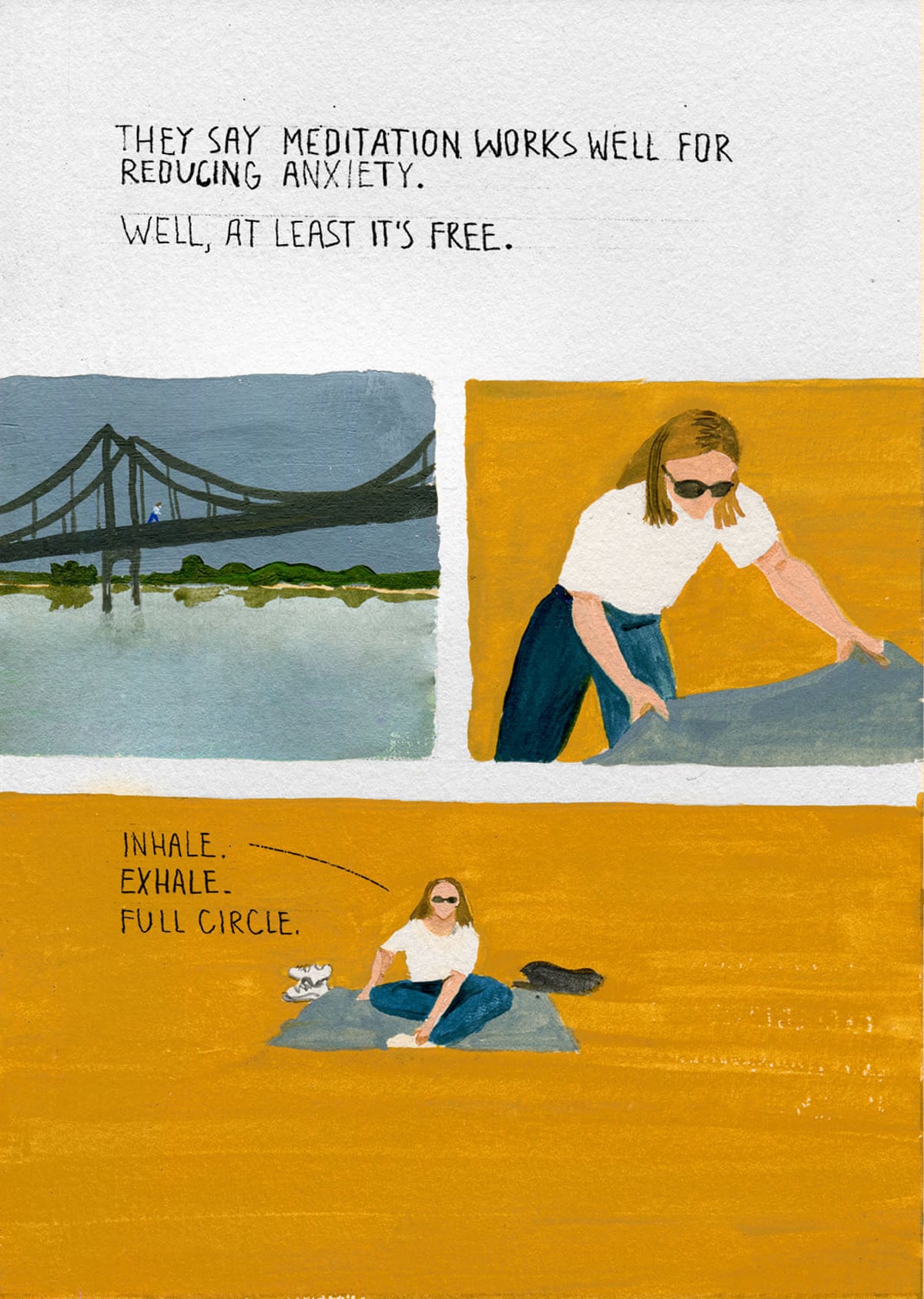
How does an artist find peace in wartime?
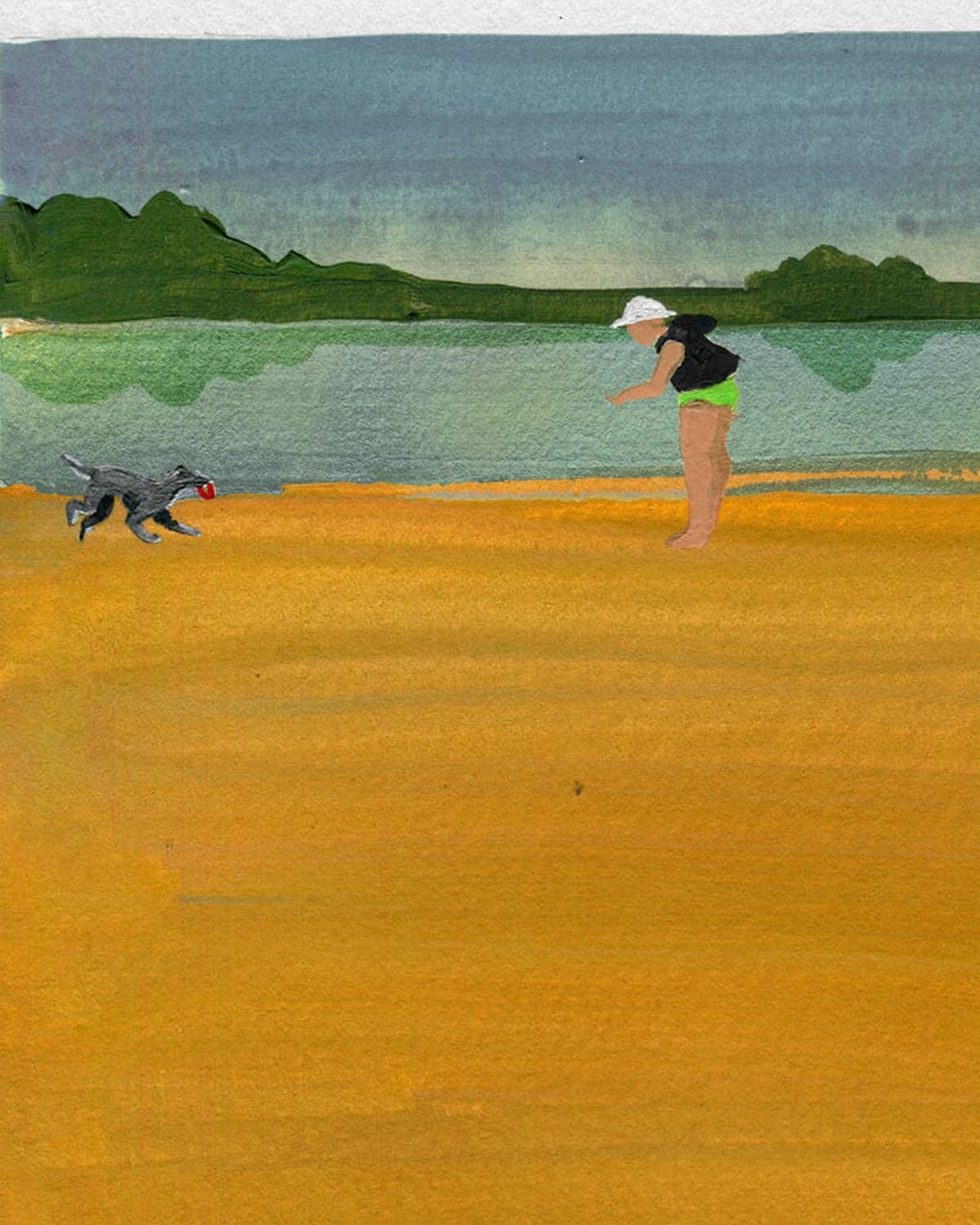
Seeking respite from the relentless cycle of sirens and strikes, I travelled to Poland for several days. The seaside town of Sopot, near Gdańsk, offered a stark contrast to Kyiv's fractured reality. Walking along the shore, I reflected on the hotel that once served as Adolf Hitler's headquarters during the 1939 invasion of Poland—a place he reportedly favoured deeply. In 2009, Vladimir Putin stayed at the same hotel to commemorate the 70th anniversary of the Second World War's outbreak. Against the backdrop of carefree tourists enjoying the beach, this layering of history became impossible to ignore.
The experience prompted a realisation: every location carries multiple narratives, each shaped by those who witnessed events there. These stories coexist in the same physical space, sometimes contradicting one another, sometimes reinforcing shared human experiences across decades.
What does "pre-war" really mean?
The phrase "pre-war" circulates through Kyiv's conversations as shorthand for a psychological state rather than a literal time period. It describes moments when the mind temporarily escapes the constant awareness of danger—not because danger has passed, but because consciousness has briefly shifted elsewhere. Reading about Eurovision, attending a cultural event, or simply enjoying a meal with friends can trigger this sensation. Yet the phrase itself reveals the trap: naming something "pre-war" acknowledges that war now defines everything else.

This mental compartmentalisation is both a survival mechanism and an illusion. The theatre remains a target. The café reopens knowing it could be struck again. The musician performs knowing deployment awaits. Normalcy and catastrophe exist simultaneously, not sequentially.
How has daily life changed in recent weeks?
The escalation has been relentless. On September 4, a drone strike hit Ukraine's SBU security headquarters in Kyiv, wounding at least 12 people. By early September, escalating attacks were already upending daily life, with commuters stranded, schoolchildren rushed underground and festivals cancelled. Russia has shifted from primarily nighttime raids to nearly round-the-clock strikes, intensifying the psychological toll on residents.
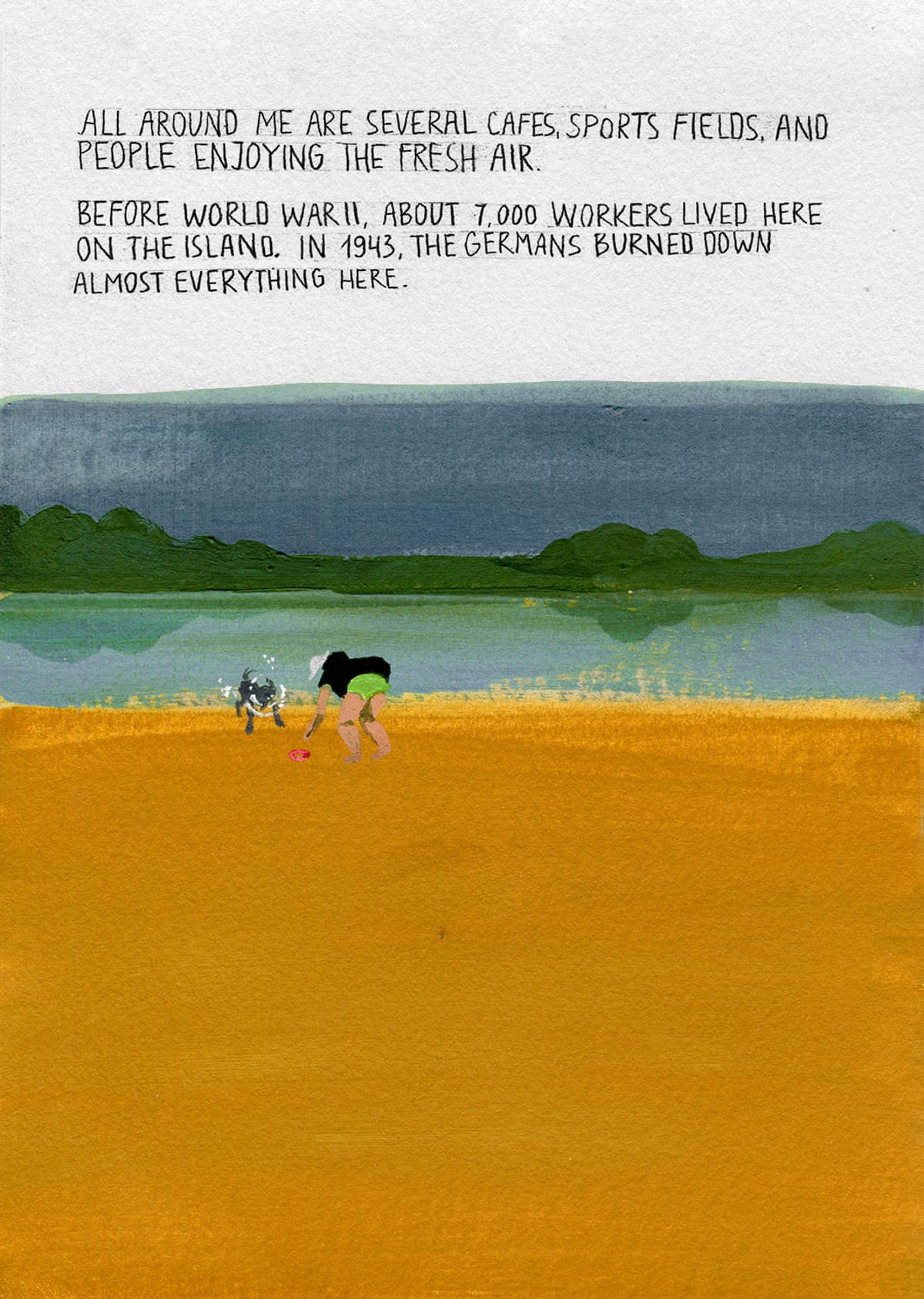
On September 20, a Russian drone attack killed four people in the Kyiv region, including three children, with drone fragments also falling within the city itself. Each attack follows a pattern: the warning sirens, the rush to shelters, the waiting, the aftermath of damage assessment and casualty counts. Then life attempts to resume, until the next barrage arrives.
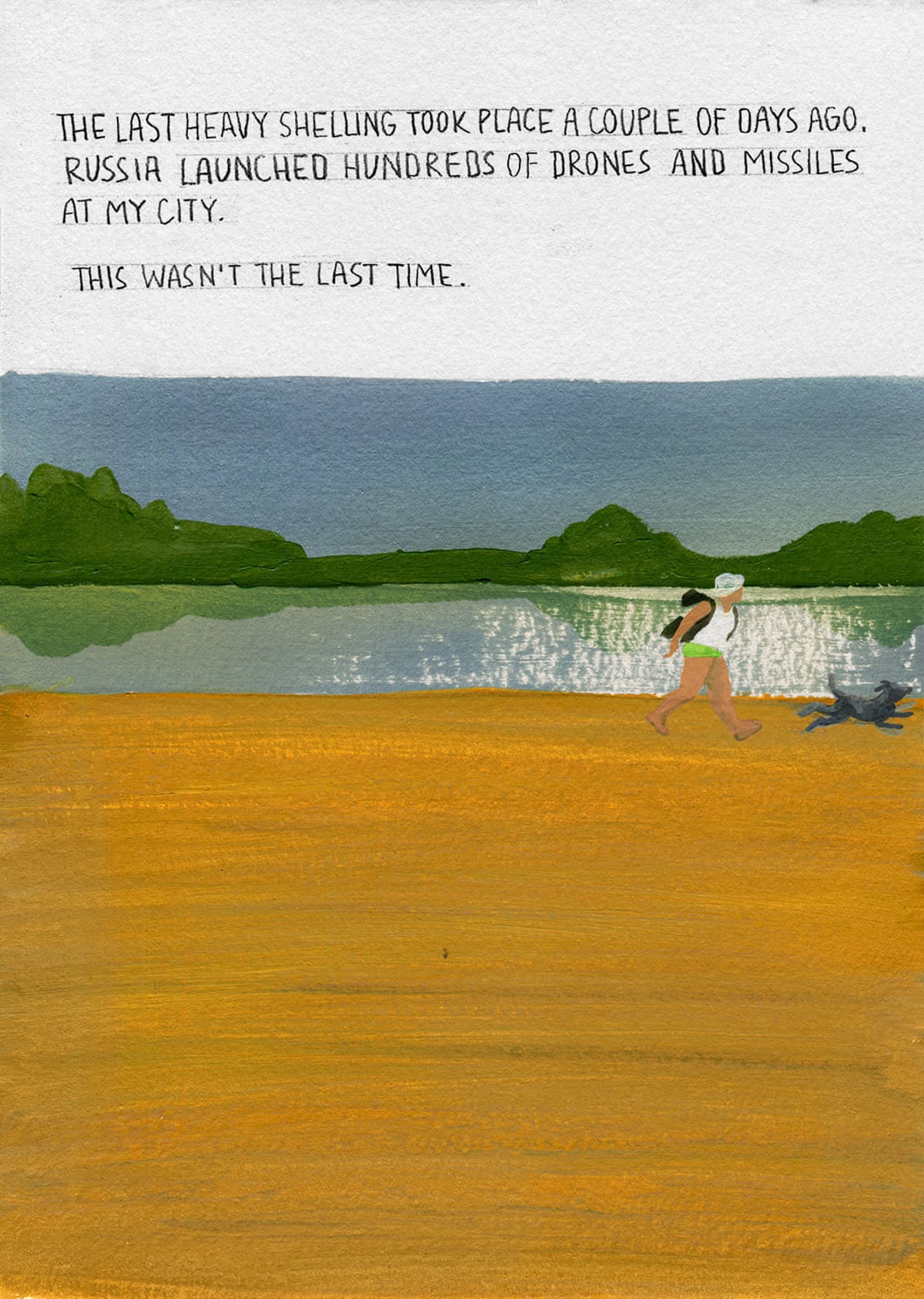
What lies ahead for Ukraine's defence?
Ukraine is racing to develop countermeasures against Russia's evolving drone arsenal. The military is accelerating interceptor development and testing new defensive technologies as attacks continue without pause. Despite announcements of temporary ceasefires in energy strikes, both sides continue targeting critical infrastructure, suggesting the cycle of destruction will persist.
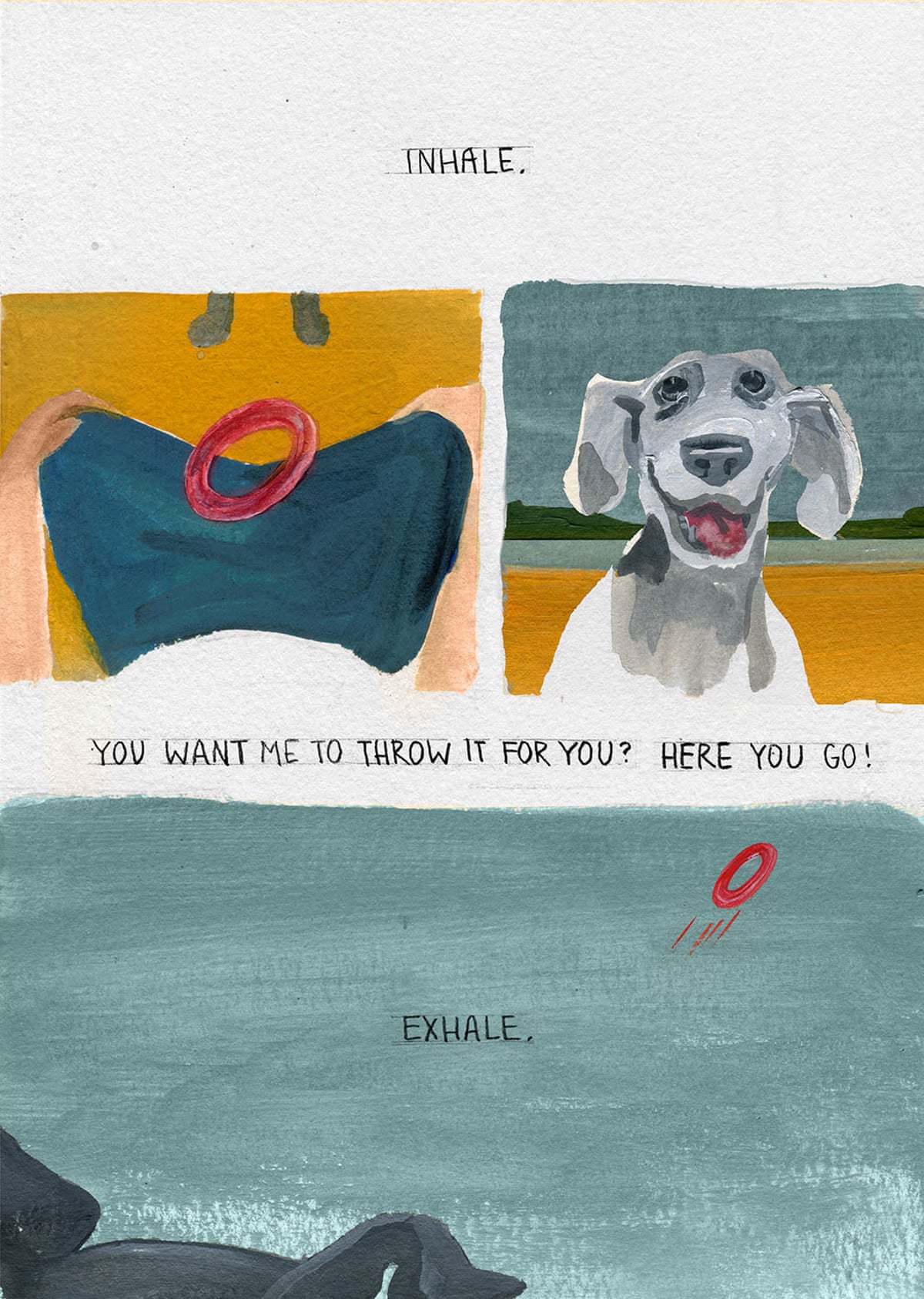
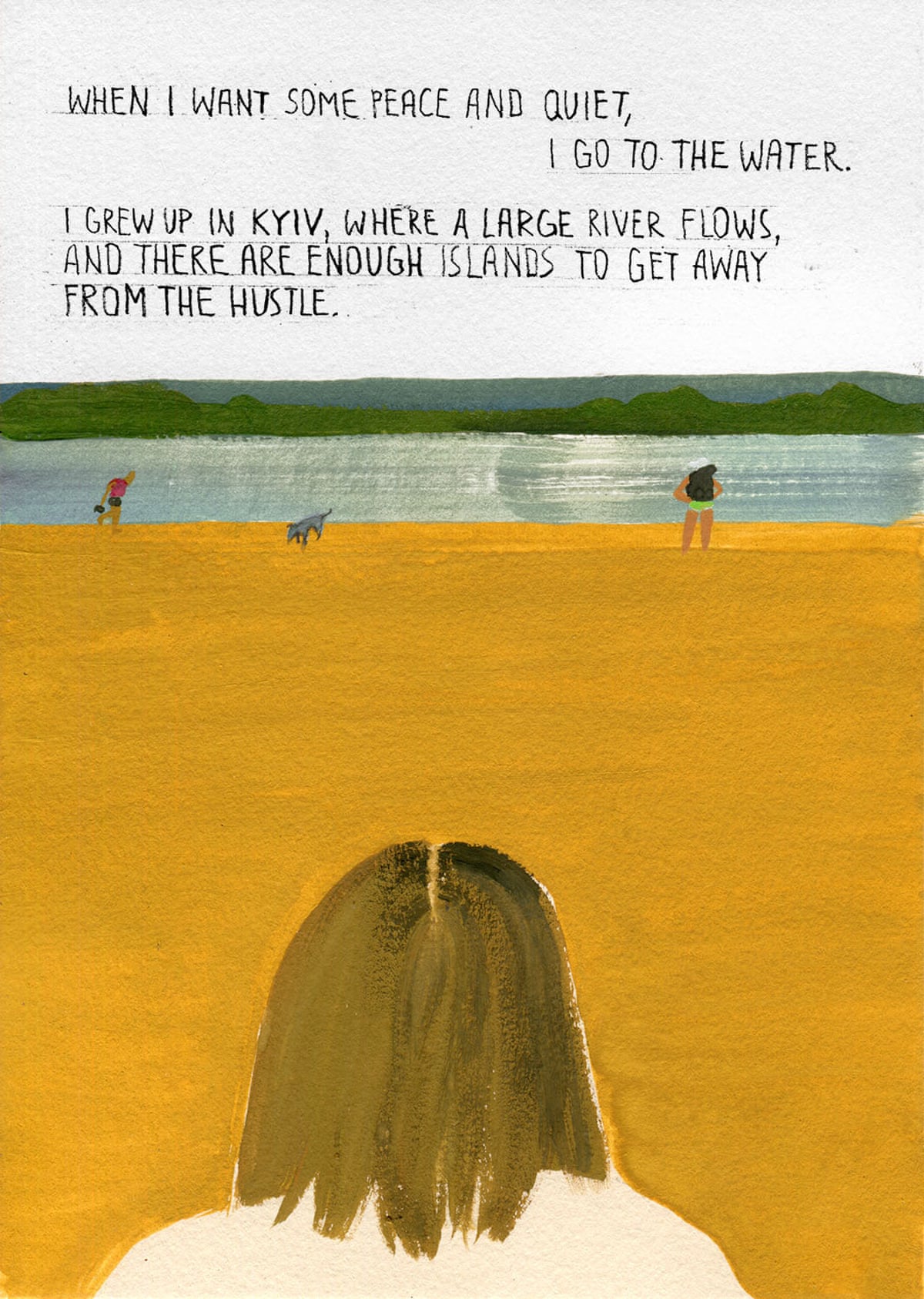
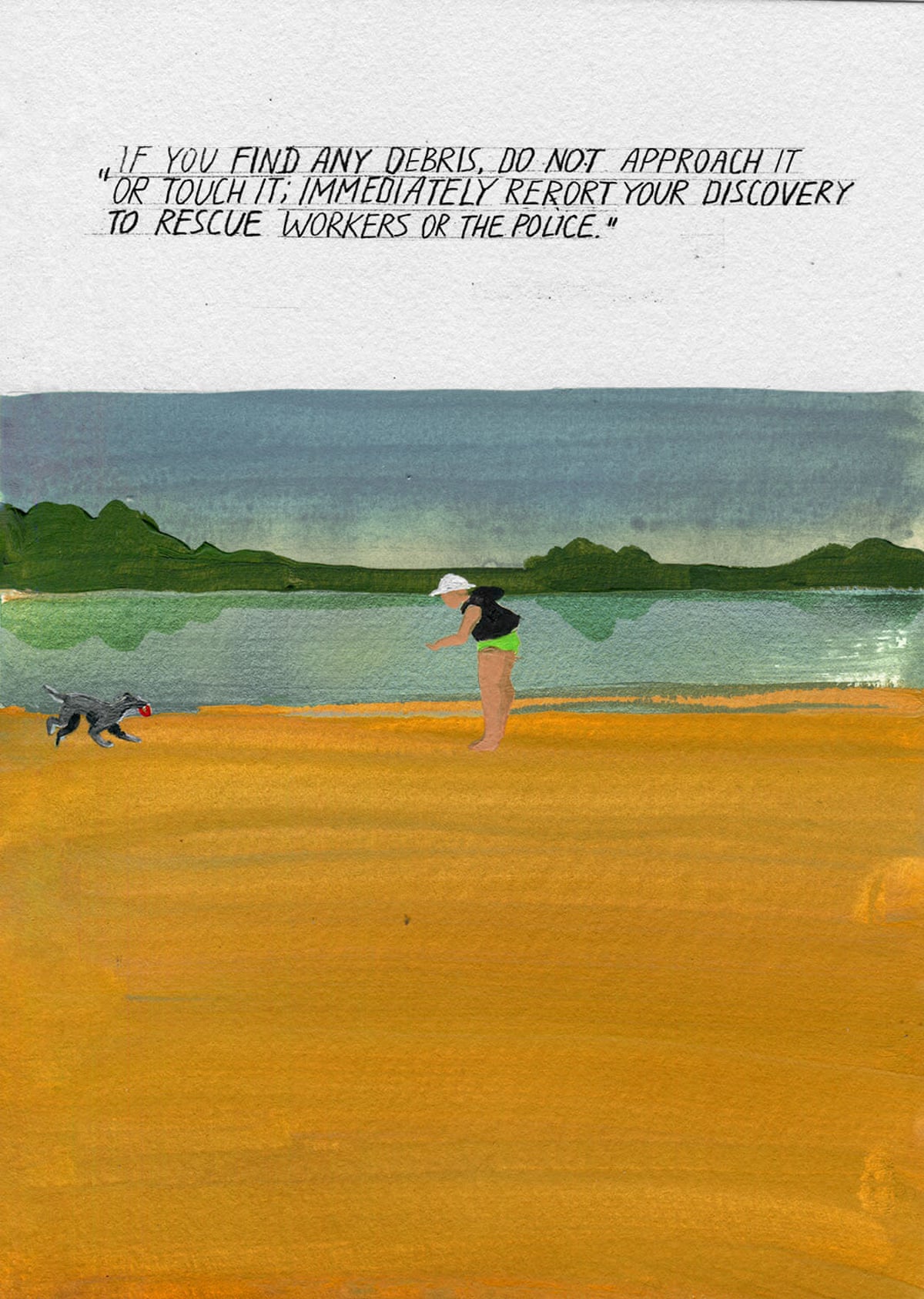
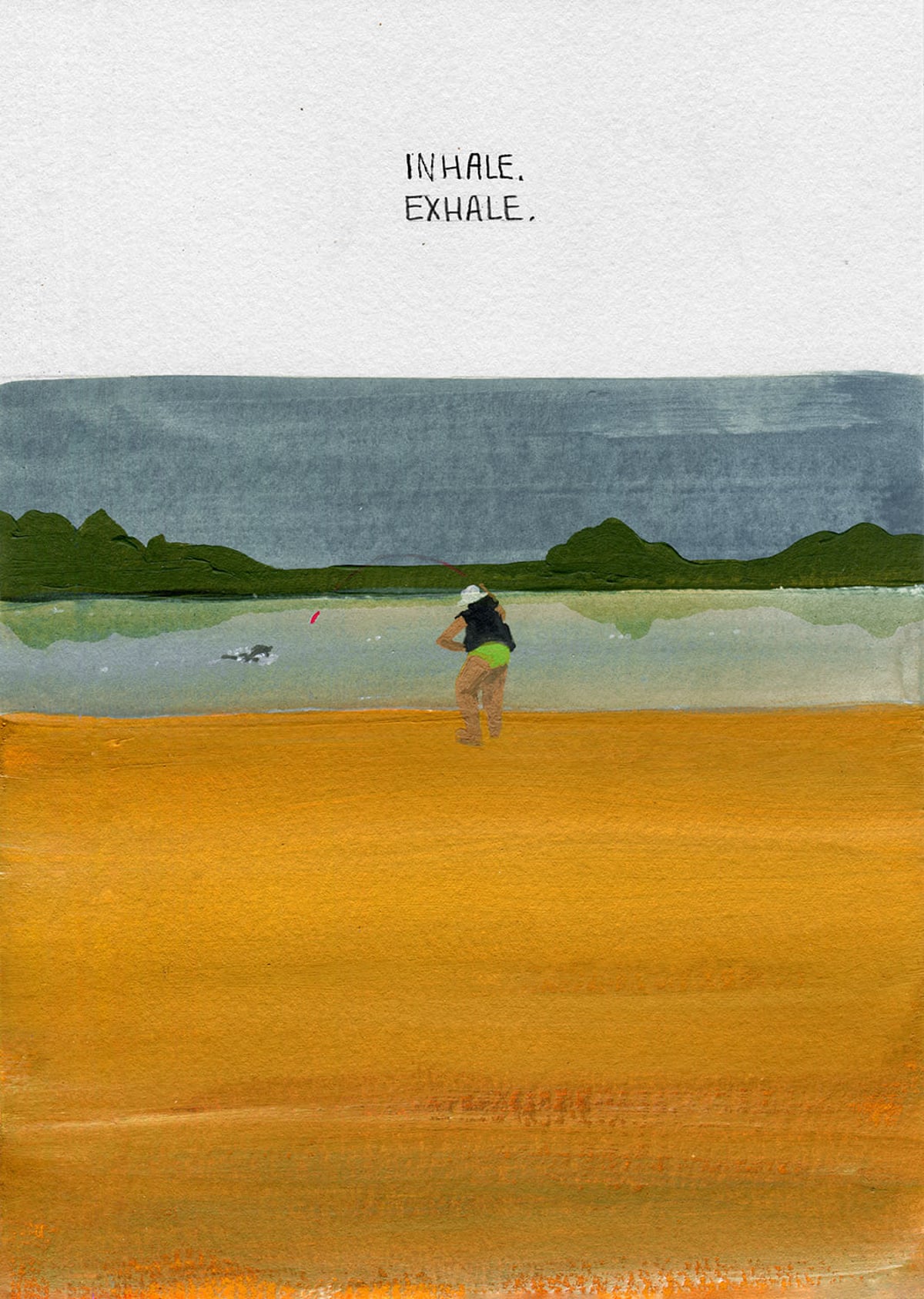
Returning to Kyiv after Sopot, I sat on the banks of the Dnipro River and contemplated what I had learned. A place, I realised, contains as many versions as it has witnesses. These versions can occupy the same location simultaneously—the Sopot beach as Hitler's refuge and Putin's commemoration site and tourists' holiday destination; Kyiv as a thriving cultural capital and a city under siege; a coffee shop as a gathering place and a crater and a reopened business all at once.
The search for peace in wartime is not about escaping to another country or finding a moment untouched by conflict. It is about recognising that multiple realities coexist, that normalcy and danger share the same streets, and that bearing witness to both—without allowing either to completely consume the other—is itself a form of resistance and survival.