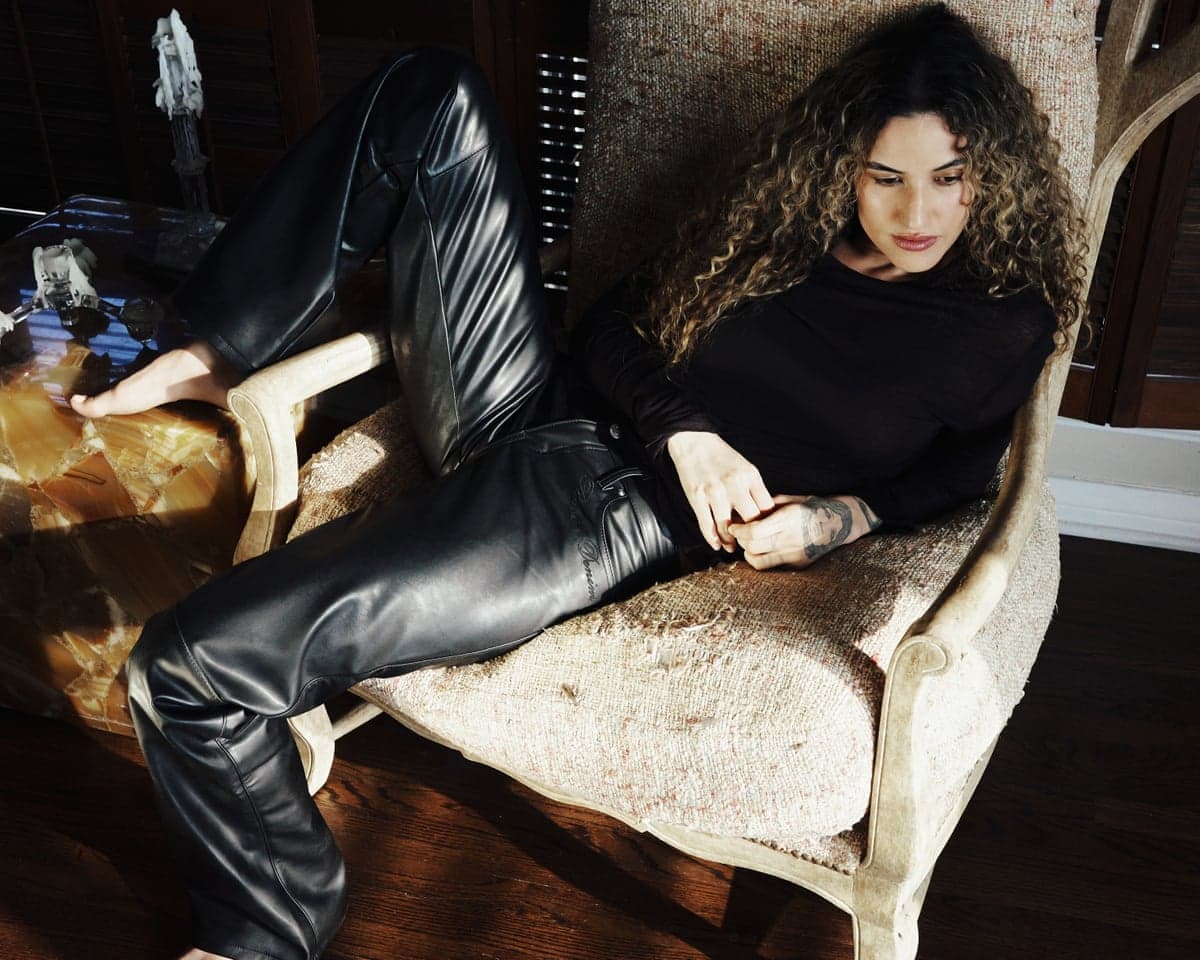
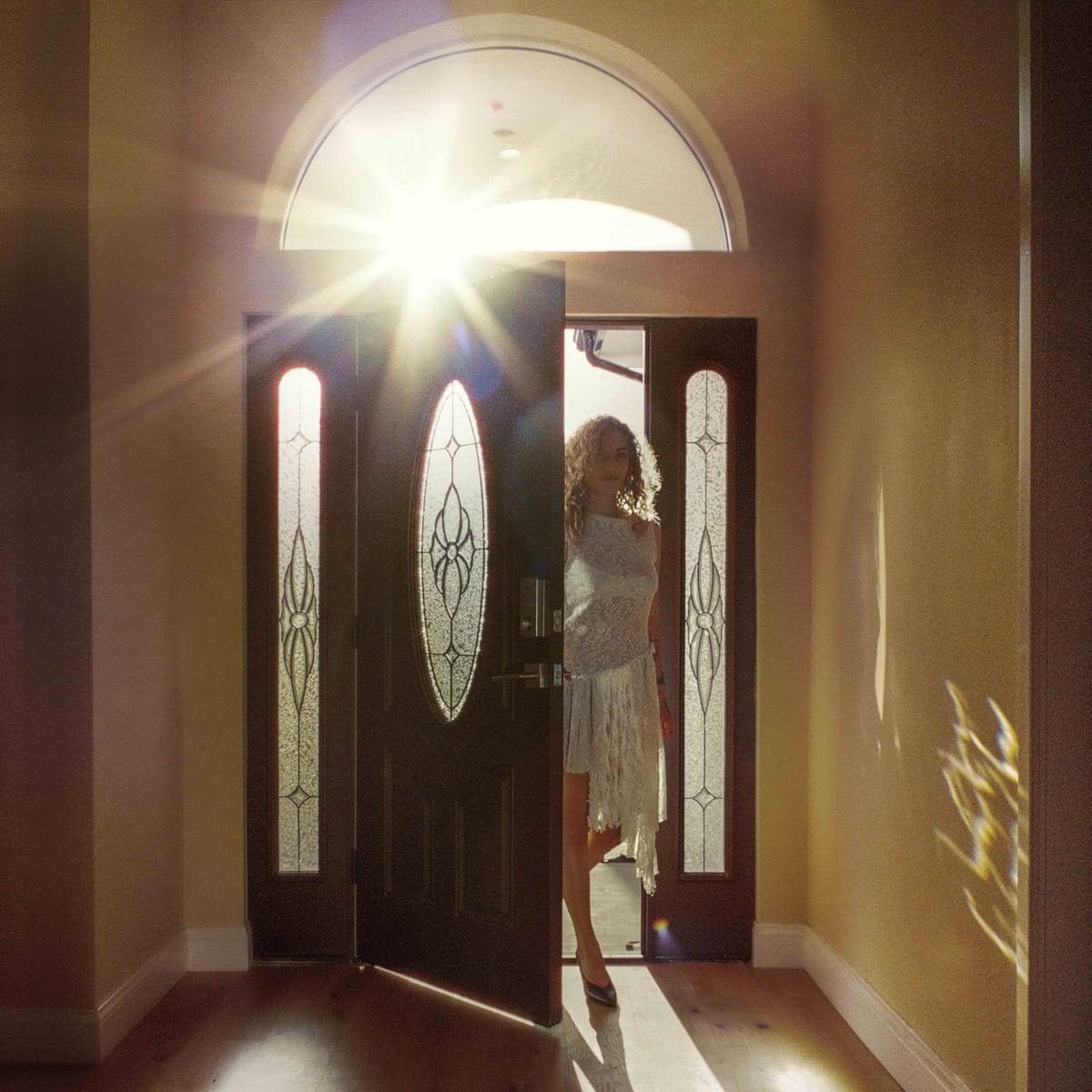
Lorely Rodriguez's fifth studio album, Dream House, emerges as a tender meditation on physical and emotional sanctuary following devastating loss. Released on September 18, 2026, the 14-song record was written after Rodriguez's family home in Altadena burned during the 2025 California wildfires, yet it radiates an unexpected brightness and hope rather than despair.
Throughout her career since the early 2010s, Rodriguez has demonstrated a restless creative spirit. She has navigated shifts from exuberant pop to more refined sonic textures, drawn inspiration from her Honduran-American roots, and on her previous album For Your Consideration, transformed the familiar awards-season phrase into a club-pop exploration of relationship imbalance. Dream House continues this pattern of artistic evolution while centering on a singular, transformative experience.
What does the album explore thematically?
The record grapples with what it means to feel at home—both in physical space and within oneself and relationships. Field recordings of the family home's reconstruction, layered with birdsong, recur throughout the album as sonic anchors to the rebuilding process. According to the New York Times, the album represents Rodriguez's artistic response to losing her Altadena residence in the Eaton fire. Her mother, Reina Dubon, appears on the record and played a central role in rebuilding the house after the fire, grounding the project in family resilience.
How does the music reflect this journey?
Despite the violent loss that prompted its creation, Dream House sounds remarkably open, spacious and optimistic. Rodriguez's undulating synth lines pulse with restless energy and joy, cradling her soaring vocal delivery in a humid, luminous atmosphere. The album balances moments of exuberance with introspection, refusing easy categorization.

The more energetic tracks command attention through their infectious momentum. SYW, featuring Cecile Believe, reimagines electronic dance music to capture an irrepressible longing; HandsOn similarly radiates yearning through glassy chimes and forceful percussion. I Pray 4 U channels the playful vitality of Jayda G's work, while Machete confronts defiant self-renewal after heartbreak with laser-sharp precision. The advance single Wild Storm exemplifies this dynamic energy.
The quieter passages prove equally compelling. Blue Light, which features producer Dev Hynes, traces a sinuous path through feelings of disconnection, while the title track strips away the darkness of trip-hop to reveal its underlying warmth and beauty. These moments fulfill Rodriguez's stated conviction that
good things are coming.
What comes next for the artist?
Rodriguez is scheduled to perform at Music Hall of Williamsburg in Brooklyn on September 30, 2026, marking an early opportunity for audiences to experience the album live. According to coverage from the release date, this performance represents a significant milestone in the album's rollout.
Dream House stands as a testament to Rodriguez's ability to transform personal catastrophe into art that radiates generosity and hope. The album demonstrates that her searching creative nature—evident across two decades of musical reinvention—remains her greatest strength, allowing her to find meaning and beauty in rebuilding.