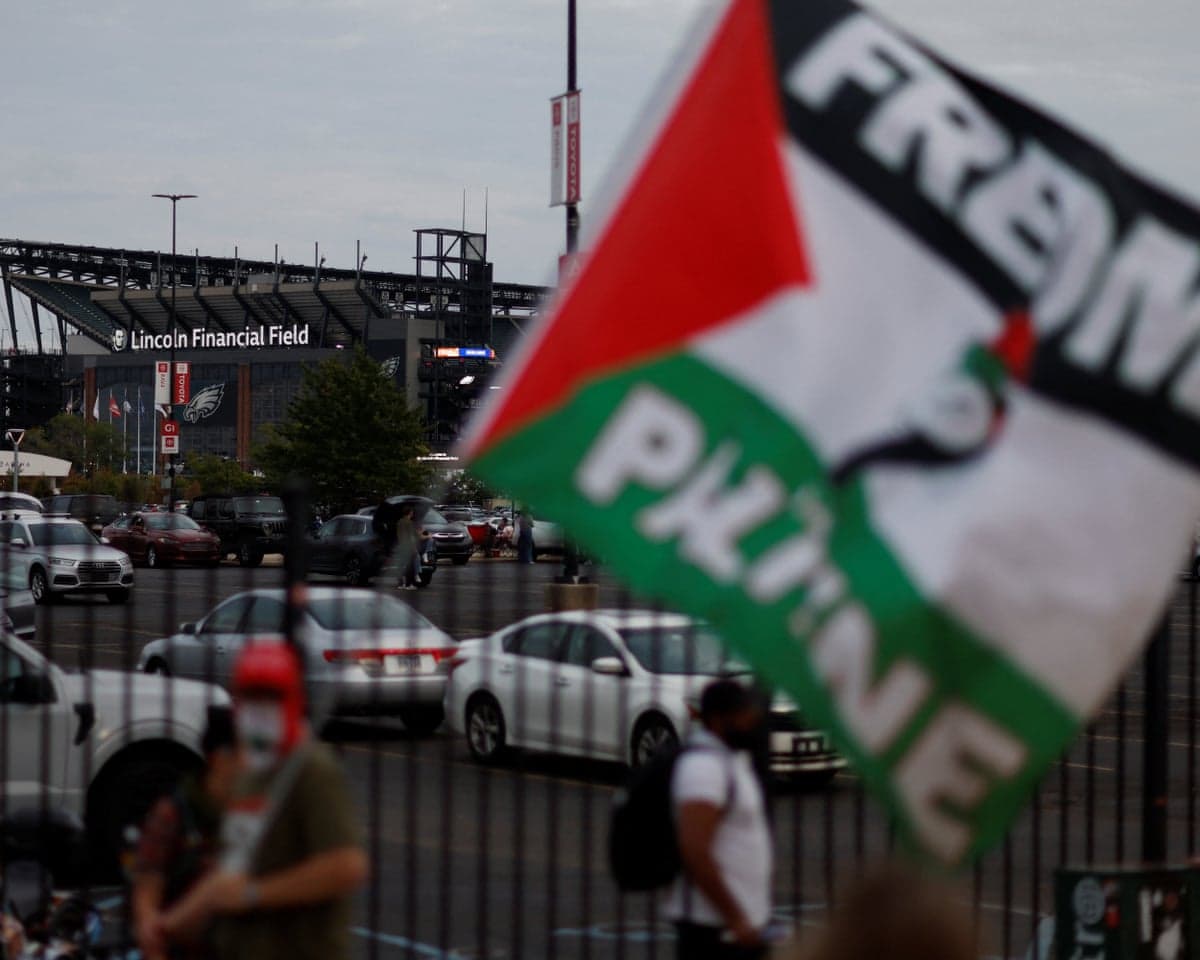
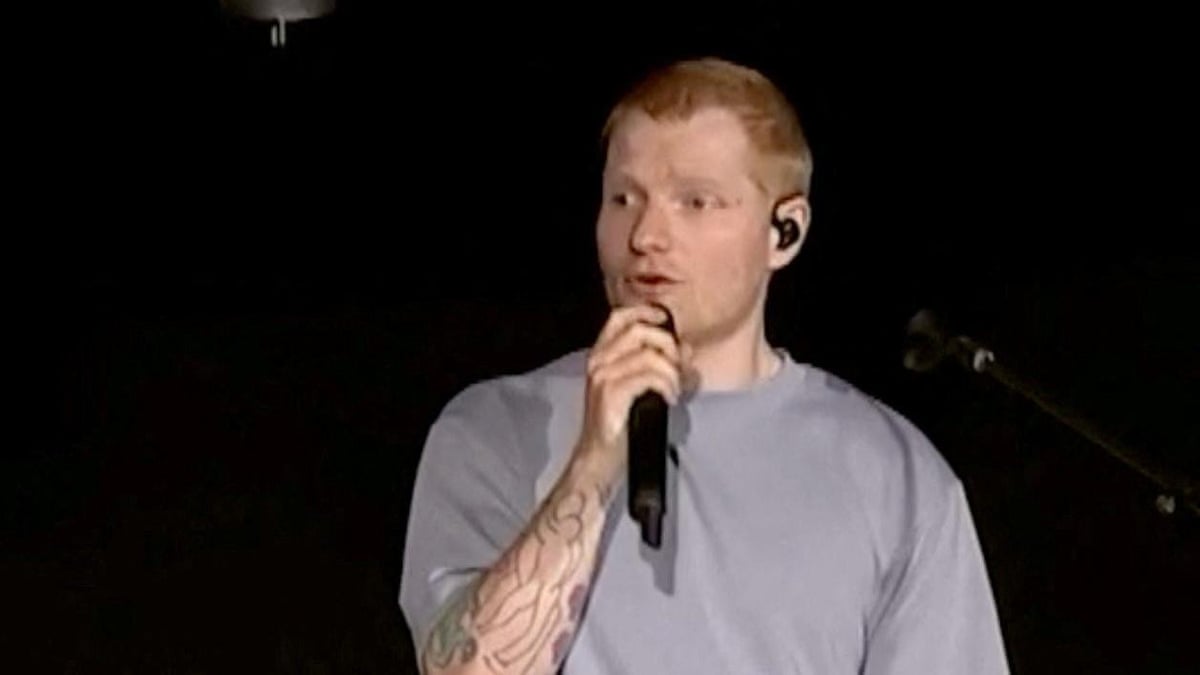
Ed Sheeran took the stage at Philadelphia's Lincoln Financial Field on Saturday night, 19 September 2026, to deliver an unusually lengthy opening address confronting the most turbulent moment of his career. With a wavering voice and frequent glances at a monitor at his feet, the pop star presented himself as a figure wrestling with difficult choices.
"This is not usually how I would open the show,"he began, before launching into a three-plus-minute statement on the controversy that had engulfed his tour.
"I have tried in my career to stay out of any kind of politics, because I want my music and shows to be about unity, not division, about humanity, not politics, but this is a humanitarian issue and I cannot stay silent about it any more."
Sheeran characterised the Hamas-led attack at the Nova music festival in Israel on 7 October 2023 as
"horrific"and expressed anguish over civilian casualties in Gaza and the West Bank, calling the situation
"catastrophic and unjustified and disproportionate"."He concluded his remarks with an appeal for
"love, hope and unity"."
The concert marked Sheeran's first major performance since the rapper Macklemore was removed from the tour following his pro-Palestinian remarks during a MetLife Stadium show in New Jersey on 5 September. According to reporting on the dispute, venue operators indicated they would not permit concerts to proceed with Macklemore on the bill, a decision that risked cancelling the entire tour. Macklemore had been scheduled for eight of the remaining ten U.S. dates on Sheeran's Loop tour.
In an Instagram statement released the previous Tuesday, Sheeran said that he had been asked by venue operators—including Robert Kraft, the billionaire owner of Gillette Stadium and the New England Patriots—to remove Macklemore from the lineup. However, Sheeran maintained that
"it was the promoter's decision, it was not mine"."The statement drew widespread criticism, with opponents accusing Sheeran of prioritising corporate interests over artistic freedom.
According to reporting on the Philadelphia concert, Sheeran acknowledged at the show that he was
"making mistakes"and apologised to fans amid the fallout from the removal.
How did critics respond to the decision?
The removal of Macklemore triggered a cascade of withdrawals from other acts. Finneas, the brother and collaborator to Billie Eilish who had been scheduled to join Sheeran for a South American leg later in the year, declined to perform. The Irish folk band Beoga, which had backed Sheeran on earlier tour stops, also withdrew in solidarity. Lukas Graham and Aaron Rowe, two other planned supporting acts, later withdrew as well.
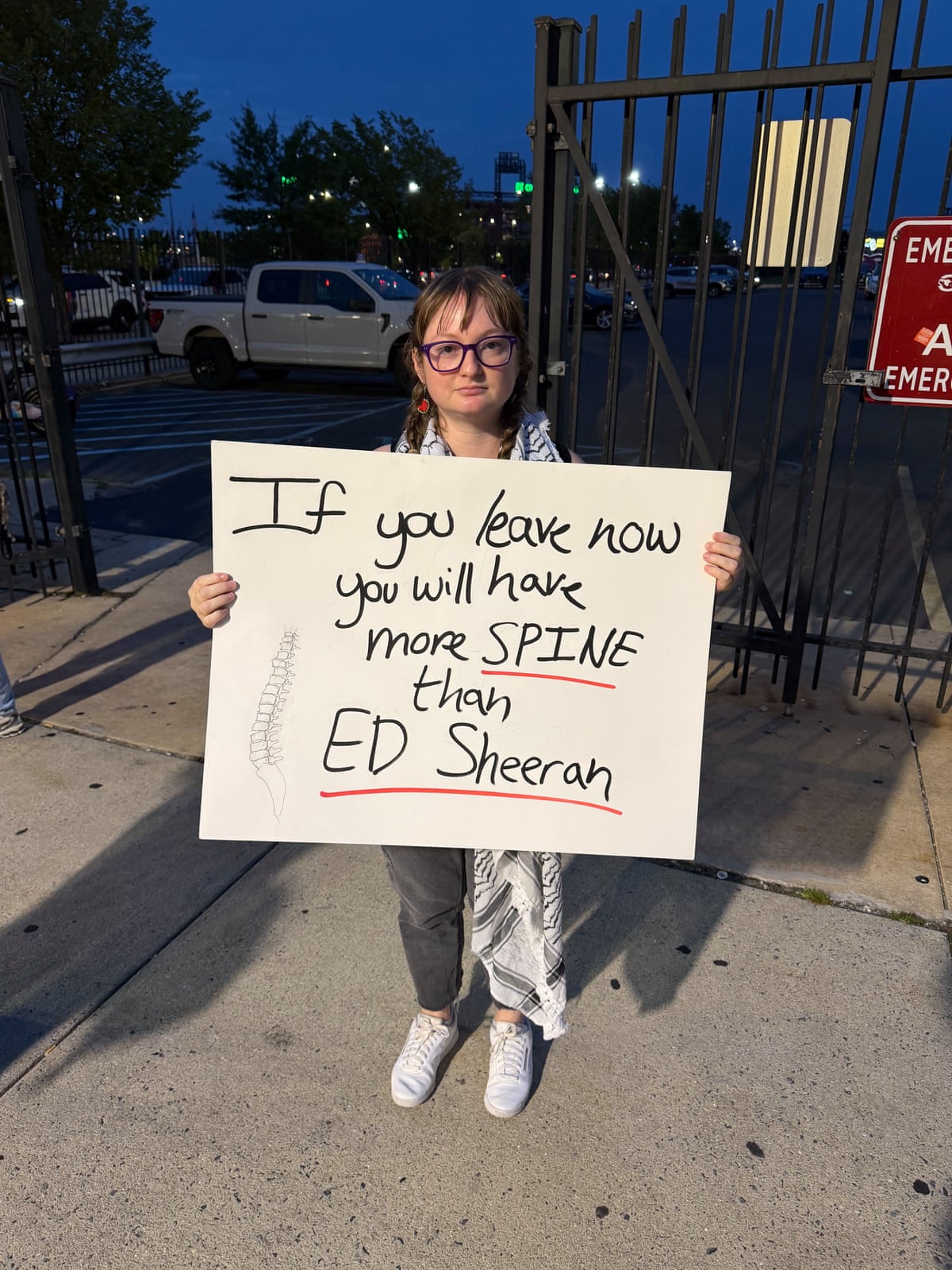
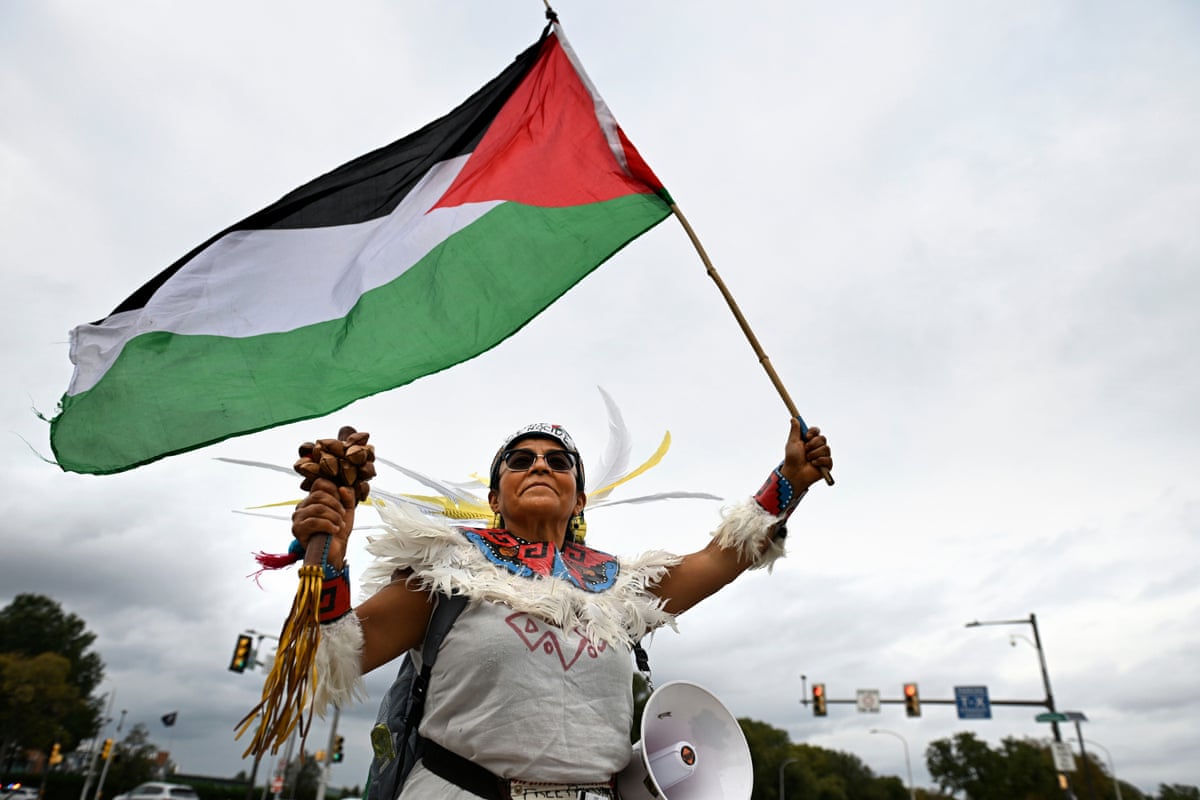
Hillary Steinberg, a 34-year-old sociology PhD, was among roughly 100 pro-Palestine protesters gathered outside the NRG metro station near the stadium.
"I feel betrayed about how he handled this,"she said.
"It has sort of soured how I think about him as an artist."After obtaining a refund earlier in the week, Steinberg came to the stadium to encourage others to do the same. She wore a black and white keffiyeh and carried a sign reading:
"If you leave now you will have more spine than ."By evening's end, she reported that she and her boyfriend had persuaded
"at least five"other attendees to seek refunds.
Despite reported safety concerns and fears of outright cancellation, the atmosphere at Lincoln Financial Field remained upbeat and frequently celebratory. Sheeran repeatedly referenced the controversy but spoke in broad strokes and with self-deprecating humour, never naming Macklemore or the specific circumstances of his removal.

How did Sheeran address the controversy during the performance?
Early in the show, Sheeran joked about the absence of opening acts.
"I hope you enjoyed the opening acts – I heard they were great,"he said, waving away concerns about performing the entire evening solo. The Loop tour, true to its name, features Sheeran performing alone while using a looping pedal to construct layered musical arrangements.
One of the night's standing ovations followed Sheeran's introduction of a replacement backing ensemble led by fiddler Alicia Enstrom, who joined him for several songs including the lilting Galway Girl. Sheeran made clear that this group was intended to fill the void left by Beoga's departure.
"They said yes to being on stage with the knowledge that the world thought that I was a certain type of person,"Sheeran declared to enthusiastic applause.
Melody Fillier, a 49-year-old pharmaceuticals industry worker, praised the new backing musicians.
"They had balls,"she said.
"The other ones didn't."
Another visible change was the removal of a retractable bridge and smaller
"B-stage"that had previously positioned Sheeran closer to the audience during intimate segments. Sheeran explained his reasoning candidly.
"I took the B-stage out because I was afraid what might happen if I stood in the middle, and I will admit that,"he said with a sheepish grin.
What was the broader mood at the concert?
Throughout the evening, Sheeran returned repeatedly to themes of political reconciliation. Rather than appearing defiant, he seemed humbled, frequently describing the Philadelphia show as the greatest of his career. His remarks appeared designed primarily to justify the decisions of the preceding week, and it remains uncertain whether his words will satisfy those who view his handling of the Macklemore situation as a capitulation to pressure.
Cindy Lucente, a 73-year-old retiree who attended with her daughter and granddaughter, characterised Sheeran's opening address as
"eloquent"and expressed admiration for his resolve.
"People kept telling me I should probably get rid of my ticket because he's going to cancel,"she said.
"But I knew he wouldn't."
In the city of brotherly love, the stadium appeared substantially full even as the concert extended past the three-hour mark. Fans of the singer appeared satisfied with the evening. Tim Matkosky, a 59-year-old entrepreneur who remained until the final moments, dancing as the bassline thundered and fire plumes lit the air, offered a simple explanation for his presence.
"I didn't come here for politics,"he said.
"I came here to get away from politics."
Sheeran's opening remarks at the show, in which he invoked themes of unity and humanity, reflected the broader tension animating the evening: a desire among many attendees to move past the controversy, set against the conviction of critics that the singer had compromised his principles in doing so.