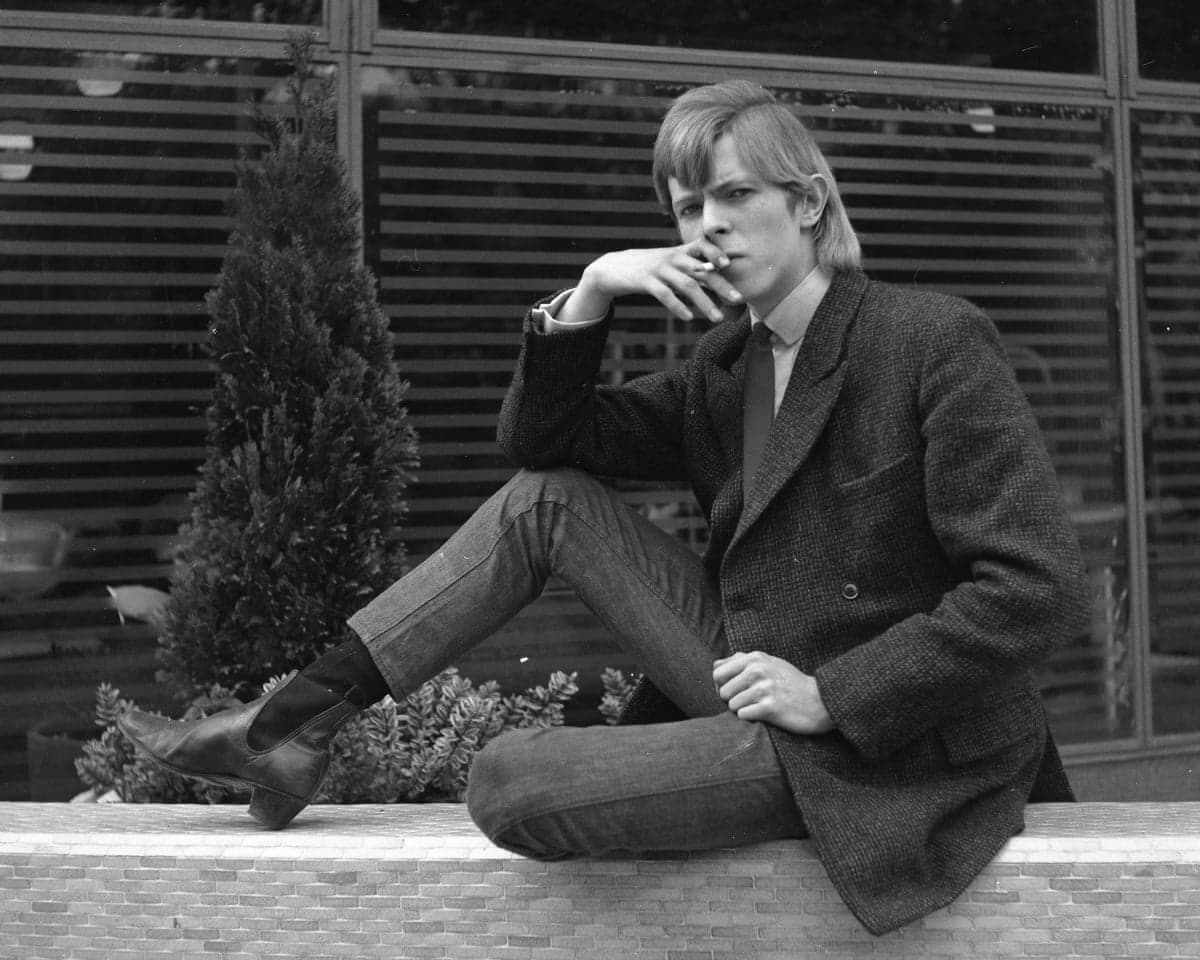
A new 21-track compilation drawn from sessions producer Shel Talmy conducted with David Bowie in 1965—when the future rock icon was still performing as Davie Jones—arrives laden with merchandise, sleevenotes and critical reassessment. Yet the material itself reveals an artist still searching for his voice, caught between admiration for his contemporaries and uncertainty about his own direction.
The relationship between Bowie and his pre-fame catalogue has always been fraught. In 1973, he released Pin Ups, a collection of mid-60s covers accompanied by nostalgic recollections of seeing the Pretty Things, the Who, the Creation and Pink Floyd in London's mod clubs. What he omitted from those interviews was that he had not merely been a spectator: he had recorded his own mid-60s singles, inspired by the very bands he claimed to admire, yet these efforts remained largely forgotten or deliberately sidelined as his career progressed.
For decades, Bowie attempted to distance himself from this material. His former record labels repeatedly reissued it in misleading packaging, while he himself seemed content to let it fade. In his 50s, his attitude shifted. He revisited his 1960s work on Toy, a 2001 album that his then-label EMI rejected—a decision that now appears questionable given the subsequent mythologising of Bowie's later career. The narrative around his 2000 Glastonbury performance, for instance, has been rewritten to suggest it revitalised his standing to the level of his peak years, when in fact the albums that followed received respectful but not extraordinary reviews and sold respectably rather than phenomenally. This selective rewriting of history has obscured what made Bowie's career genuinely compelling: its dramatic peaks and valleys, moments of genuine inspiration interspersed with periods of creative uncertainty or misstep.
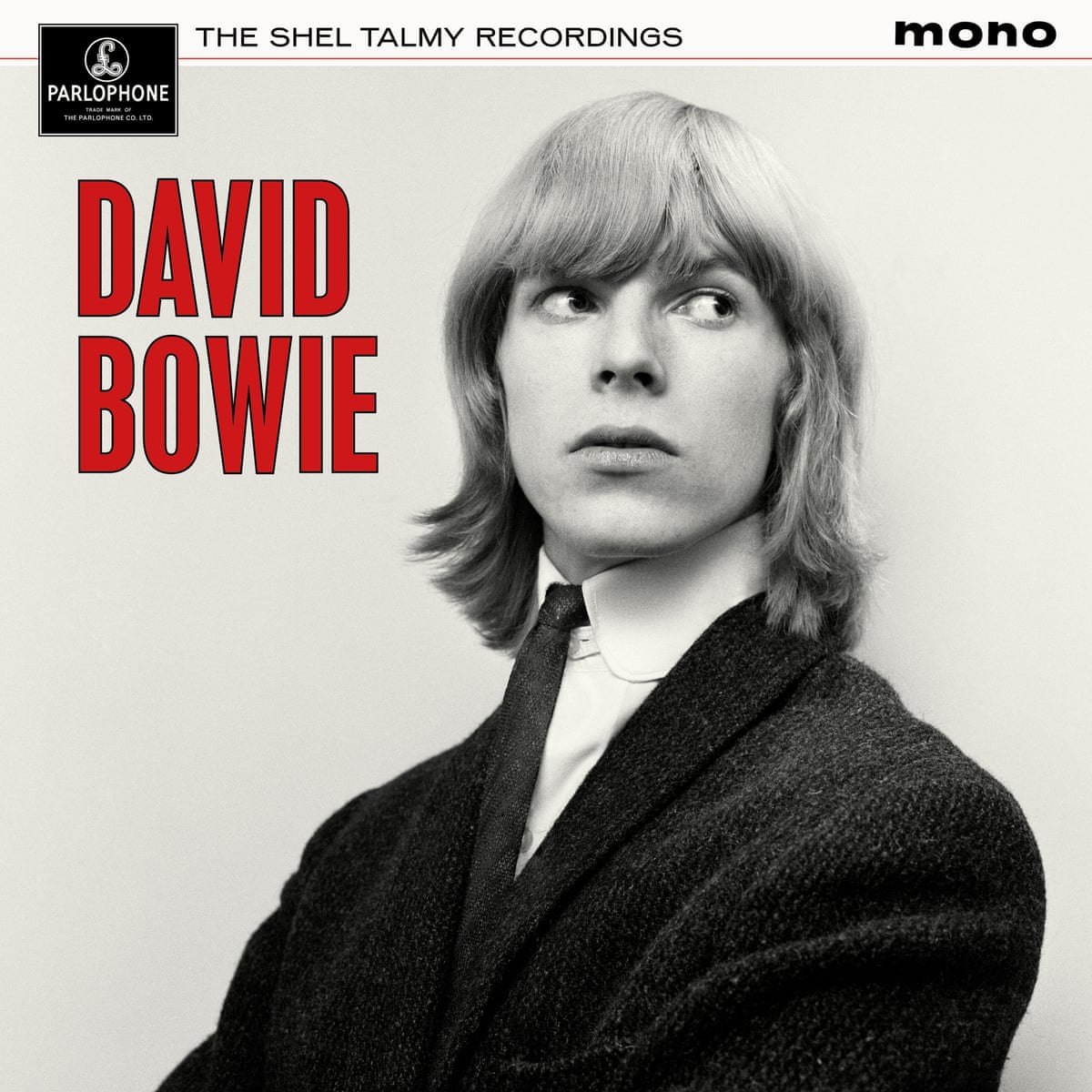
The posthumous elevation of Bowie's entire catalogue to masterpiece status has now produced The Shel Talmy Recordings, officially announced on 15 July 2026 and released on 18 September 2026 across CD, LP, digital and limited-edition formats. The collection gathers material from sessions with Talmy, the legendary producer best known for his work with the Kinks and the Who, and comes packaged with four different T-shirts, a hoodie, a baseball cap, a tote bag, a commemorative mug and a pair of socks. The release includes ten previously unreleased tracks on CD and digital, plus six previously unreleased tracks on the vinyl edition.
What does the music actually sound like?
The material itself is decidedly uneven. Talmy is quoted as saying of Bowie,
He and I were about six years ahead of the market—a claim difficult to reconcile with recordings that could hardly sound more of their moment. The year 1965 permeates every track: the Yardbirds' Heart Full of Soul, the Rolling Stones' Satisfaction and Get Off of My Cloud, and the Who's early singles all cast long shadows over these sessions. The Who's influence in particular looms large, their explosive energy evident throughout.

Take My Tip amounts to a straightforward impersonation of Georgie Fame. Baby Loves That Way recycles Smokey Robinson's You Really Got a Hold on Me as an uptempo rewrite. I Pity the Fool offers a thin blues riff drawing on Slim Harpo's I'm a King Bee. You've Got a Habit of Leaving and I Want Your Love could have functioned as B-sides by the Swinging Blue Jeans or the Dave Clark Five. What distinguishes these tracks from their obvious influences lies in the arrangements: distortion and noise erupt unexpectedly, drum rolls accelerate frantically, and guitar solos squeal with a rawness that would have seemed daring in mid-1965. The instrumental Keeping Up With the Jones derives its sole point of interest from a crunching opening guitar riff that borrows liberally from Dave Davies' work on the Kinks' breakthrough singles.
One of the unheard singles, I Want Your Love, was made available on streaming ahead of the full album release, offering listeners a preview of the collection's overall character.
Where does Bowie's own voice emerge?
The most revealing aspect of these sessions lies in the handful of demos that veer sharply away from the prevailing sound. Today adopts Walker Brothers-influenced balladry. Bars of the County Jail ventures into vaguely Dylan-ish folk territory. I Want My Baby Back explores dreamy easy-listening pop. These departures suggest Bowie recognised that his efforts to match his heroes fell short of their standards, prompting him to hedge his bets by exploring alternative directions. Among these experiments, I Live in Dreams stands out as genuinely distinctive—a track that, with refinement, might have fit on his self-titled 1969 album following Space Oddity. It occupies sonic territory unlike anything else in the collection, which cannot be said of the remainder.
The set features contributions from Jimmy Page and Nicky Hopkins, adding further historical weight to the archival project.
How does this compare to other obscure 60s material?
Judged purely on musical merit rather than Bowie's involvement, these tracks would function as filler within collections of obscure 1960s freakbeat, with the real appeal residing in superior yet equally unsuccessful contemporaries. The Syndicats' deranged Crawdaddy Simone, the Eyes' When the Night Falls, and Leaving Here by Ronnie Wood's mid-60s band the Birds all possess greater potency. The Birds' single in particular proved so tough and compelling that it became a lifelong touchstone for Motörhead frontman Lemmy's musical philosophy. That Bowie's 1965 recordings now receive special treatment—an exclusive red vinyl collectors' edition, 8,000 words of expert sleevenotes by 60s rock historian Alec Palao, and accompanying merchandise—reflects less on their inherent quality than on the industry that has grown around the posthumous mythologising of Bowie's entire catalogue.
Key Facts
- The Shel Talmy Recordings gathers 21 tracks from 1965 sessions when Bowie performed as Davie Jones, before his breakthrough as David Bowie.
- The collection includes previously unreleased material: ten unreleased tracks on CD and digital formats, six on vinyl.
- Producer Shel Talmy was known for his work with the Kinks and the Who, two major influences evident throughout the recordings.
- The release came in multiple formats including limited-edition red vinyl and a 1,965-copy alternative cover edition for Record Store Day outlets.
- The material reveals an artist still finding his voice, with arrangements showing experimental touches but songs largely derivative of contemporary influences.