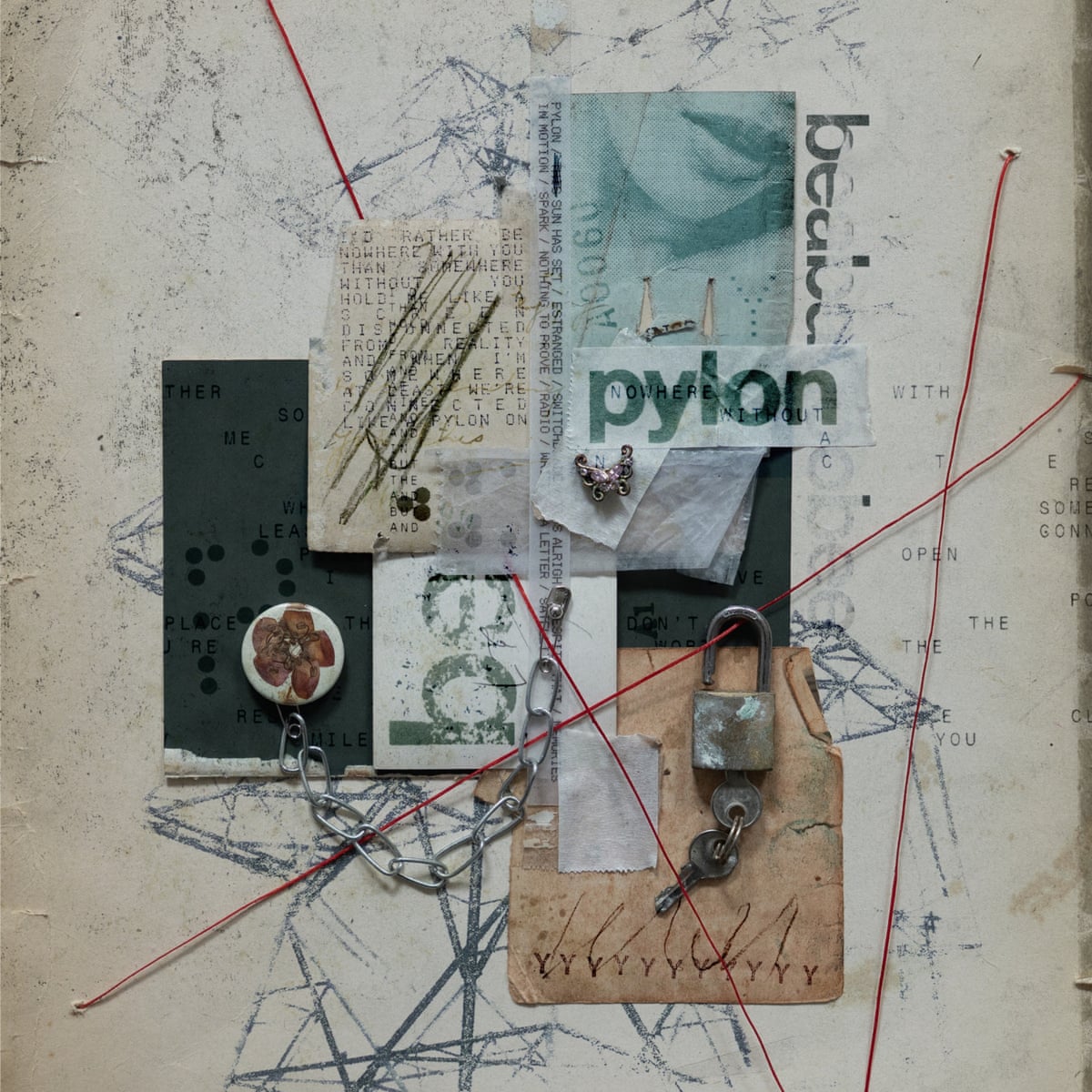
Beatrice Laus, the 26-year-old British-Filipino artist performing as Beabadoobee, has released her fourth studio album, Pylon, on September 18, 2026, through Dirty Hit and Interscope Records. The project weaves 90s alternative-rock textures with unexpectedly tender melodies and features an impressive roster of collaborators including Paramore's Hayley Williams, Deftones' Chino Moreno, and Turnstile's Brendan Yates. The album arrives as a marked shift toward heavier guitar work following her previous effort, This Is How Tomorrow Moves, which debuted at No 1 on the UK charts in 2024.
To understand Beabadoobee's cultural position requires stepping back from conventional measures of stardom. A feature published last month examined how streaming algorithms, personalised recommendations, and the diminished reach of traditional broadcast media have fractured the concept of universal fame. Sam Fender and Olivia Dean's collaboration Rein Me In spent a record-breaking 23 weeks at No 1, yet many people reported never encountering it. Laus's trajectory mirrors this paradox: within her demographic—primarily women in their late teens and early twenties—she functions as a genuinely iconic figure. Evidence abounds on social media: tutorials teaching fans to replicate her styling, makeup guides mimicking her distinctive features, and the 2021 phenomenon of adolescent girls drawing counterfeit freckles in homage to her own. Yet outside this cohort, most listeners would struggle to name or recall a single track.
The closing song on Pylon, Satellite, addresses this peculiar burden directly.
I give the generation a new infatuation, If only I knew how to cope with the timesLaus sings, capturing the dissonance between her outsized influence within a specific community and the isolation that accompanies such niche celebrity. This tension animates much of the album's lyrical content, which grapples with the dislocations of touring life and the false friendships that accompany success.
How does Pylon balance Laus's pop instincts with her alt-rock roots?
Laus's sonic foundation has always drawn from 1990s underground rock—grunge, American indie variants, shoegaze, and Elliott Smith—filtered through a distinctly pop sensibility. This combination distinguishes her from straightforward pastiche; despite once releasing a song titled I Wish I Was Stephen Malkmus, she avoids mere imitation. Her 2019 collaboration with Canadian rapper Powfu, Death Bed (Coffee for Your Head), accumulated more than 2 billion streams, demonstrating her ability to translate underground influences into mainstream currency.
Pylon pivots decisively toward the heavier end of her spectrum. Following her support slot on Taylor Swift's Eras tour, which emphasised her brighter, more pop-oriented material, this new album deploys guitars drenched in caustic distortion and brawny, jagged riffs. Yet Laus maintains what might be called a sweet-to-sour architecture: the dreamy bedroom-pop atmosphere of Despite That dissolves into sulphurous fuzz; Powerline, her duet with Yates, interweaves shards of noise and feedback gusts; Write Me a Letter begins misty and autumnal before erupting into fury. The 14-track album spans approximately 41 minutes, with only the overly saccharine Estranged failing to calibrate this balance successfully.
Laus's voice naturally inclines toward cooing charm, and the album retains moments of disarming prettiness, particularly on Spark. Yet the production choices consistently undercut sentimentality with aggression, creating a sonic vocabulary suited to the album's thematic preoccupations.

What do the guest appearances reveal about Laus's artistic confidence?
The presence of major collaborators—Hayley Williams on Nothing to Prove, Chino Moreno, Matty Healy and George Daniel of labelmates the 1975, and Brendan Yates—might overshadow a less assured artist. Instead, Laus deploys these guests with striking confidence, keeping them in supporting roles while maintaining absolute clarity about who commands the album. Nothing to Prove, the Williams collaboration, addresses the false companionship that celebrity attracts, with Laus's perspective remaining central to the track's emotional architecture.
This assurance reflects her material circumstances. Her previous album entered the UK charts at No 1. Her forthcoming tour occupies arena venues exclusively, including the O2 and Madison Square Garden. The Powerlines Tour was scheduled to commence on October 1, 2026, in Uncasville, Connecticut. By any conventional metric, Laus is thriving.
How does Pylon address the lived experience of her fanbase?
While the album engages with archetypal rock-star preoccupations—the alienation of perpetual touring, the title track evoking endless roads
in a place that I don't know the name—Laus grounds these themes in language her audience recognises. On the title track, she sings
Hold me like a screen, disconnected from reality, a formulation that speaks to the mediated nature of contemporary existence.
More directly, songs like Switchblade articulate the confusion of early adulthood with precision:
Growing up just means to fuck everything up again. Sun Has Set, which Laus identified as the lead single, rounds on a frenemy with brutal directness:
we'll never be friends, I mean we'll never pretend – fuck that, delivered over a heaving, strikingly visceral guitar riff. These moments connect to the immediate emotional landscape of her listeners in ways that transcend the generic complaints of touring musicians.
The album was constructed under demanding circumstances. Laus noted on social media that Pylon was made
inbetween tours and on tour, suggesting the record captures the fragmentation and intensity of her current existence. This context lends authenticity to the album's exploration of exhaustion, displacement, and the psychological toll of visibility.
What does Pylon suggest about Beabadoobee's broader reach?
The album presents a compelling case that Laus's influence should extend beyond her current demographic. The songwriting demonstrates maturity and specificity; the production choices feel deliberate rather than derivative; the guest appearances enhance rather than dilute her vision. Pylon offers evidence that the fractured nature of contemporary stardom need not limit artistic ambition or commercial viability.
Whether listeners outside her established fanbase will discover the album remains an open question, one that speaks to larger transformations in how music circulates and achieves cultural penetration. Pylon itself, however, suggests that Laus possesses both the artistic resources and the confidence to command attention wherever it finds her.
Key Facts
- Pylon was released on September 18, 2026, through Dirty Hit and Interscope Records, comprising 14 tracks with a runtime of approximately 41 minutes
- The album features collaborations with Paramore's Hayley Williams, Deftones' Chino Moreno, the 1975's Matty Healy and George Daniel, and Turnstile's Brendan Yates
- Sun Has Set serves as the lead single, with the album marking a deliberate shift toward heavier guitar textures compared to Laus's previous work
- The Powerlines Tour supporting the album commenced on October 1, 2026, in Uncasville, Connecticut, with dates scheduled across arena venues including the O2 and Madison Square Garden
- Laus's previous album, This Is How Tomorrow Moves, debuted at No 1 on the UK charts in 2024, while her 2019 collaboration Death Bed (Coffee for Your Head) has accumulated more than 2 billion streams