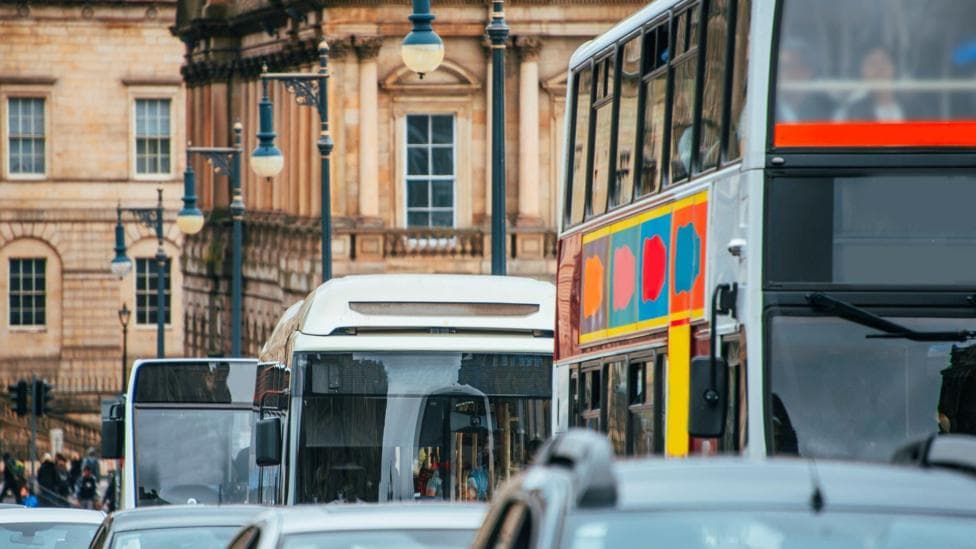
The Scottish government's plan to bring the bus network under public control by 2031 has drawn criticism from transport industry representatives who say the announcement lacks sufficient detail about how the scheme will work and what it means for existing operators.
According to BBC News, Paul White, director of the Confederation of Passenger Transport (CPT) in Scotland, said First Minister John Swinney had presented "a policy statement but no detail behind it" when he unveiled the proposal at the SNP conference in Aberdeen on Saturday.
The government intends to introduce franchising and regulation to bring buses under public control, with legislation to be introduced in the Scottish Parliament next year. Under this model, the government would outline plans for routes and timetables, then invite bus operators to compete for contracts to run individual services. Successful companies would be paid to operate routes, with the government collecting fare revenue.
We need to know what is meant by public control and how it will impact existing legislation and bus partnerships across the country before we can form a view, White said.
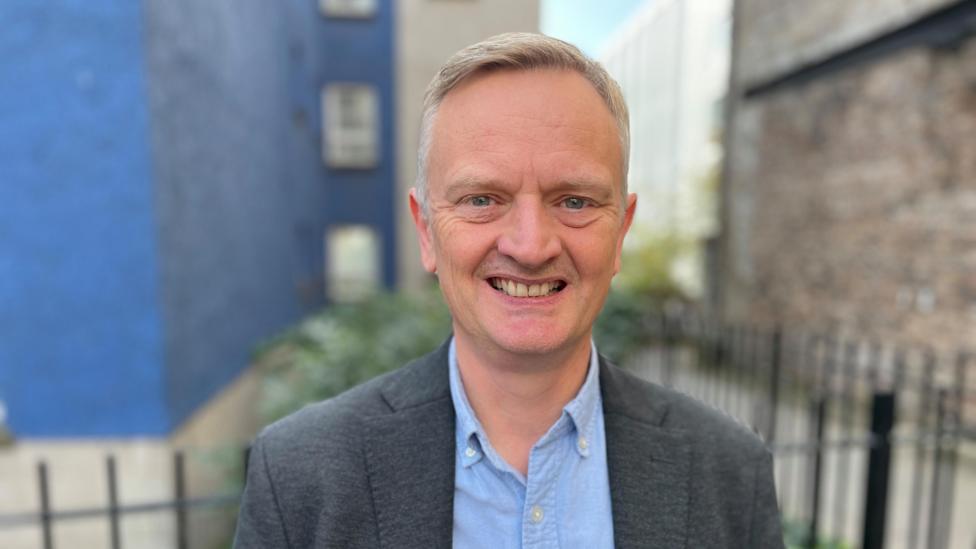
Deputy First Minister Jenny Gilruth defended the proposals on BBC Scotland's Sunday Show, stating the government was "protecting" the public, who have experienced numerous route closures in recent years. She argued the changes would give regional transport partnerships greater control over routes and fares without requiring the government to directly own bus companies.
How will franchising affect bus operators?
The franchising model raises significant concerns for Scotland's approximately 150 bus operators, particularly smaller and medium-sized enterprises. White warned that operators who fail to win contracts could face severe consequences, with some potentially going out of business.
There are examples in England where it has been difficult within these franchises to carve out a role for the many SMEs that exist in the bus sector, he told BBC Radio Scotland Breakfast.
Sandy Easdale, who owns McGill's—Scotland's largest independent bus operator—accused Swinney of behaving like a dictator and threatened legal action to block the plan. McGill's said it would fight the franchising proposals "tooth and nail."
Pierce Glennie, co-founder of electric bus company Ember, described McGill's reaction as "absurd" but acknowledged the lack of detail in Swinney's announcement. Ember primarily operates intercity routes and could face restrictions under the new system.
At worst the regulation would mean we are not able to carry passengers for short journeys, which would be a concern because most of these are from rural village to rural village, Glennie said. He stressed that taking the bus network into public control would not automatically solve rural route issues, as councils already have funding available to support these services.
White said the industry needed to sit down with the first minister to understand the implications.
We are very alive to the potential implications, which is why we need to sit down with the first minister, he added.
How does franchising work in other parts of the UK?
Since Margaret Thatcher deregulated the bus network in the 1980s, most routes across the UK have been operated by private companies that set their own routes, fares and timetables. This system has led to profitable routes being over-served by multiple operators while quieter areas lose services. To address this, London, Manchester and Liverpool have brought buses under public control through franchising.
Under franchise systems, private firms receive contracts from local authorities to operate bus services. The key difference from the current model is that local authorities set fares and routes, theoretically ensuring fairer pricing and more equitable service distribution. 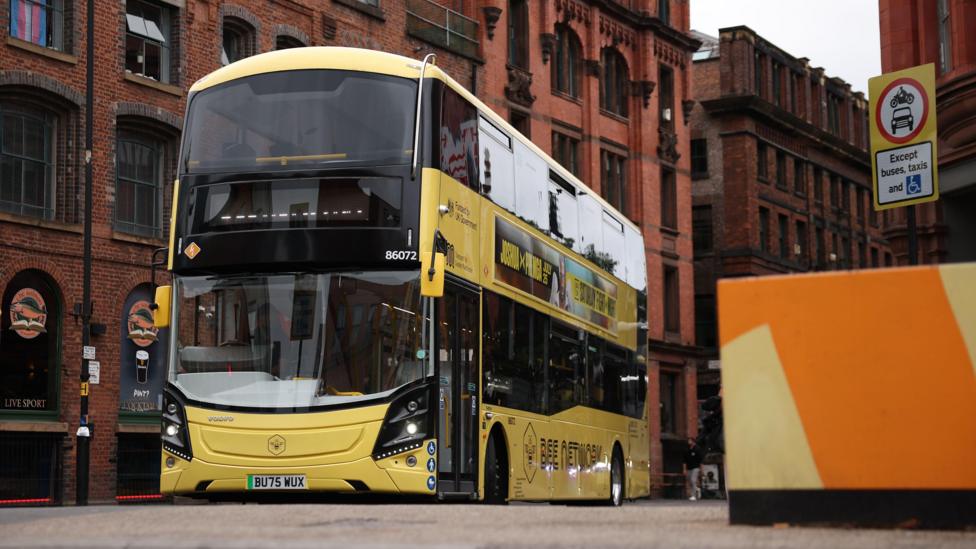
According to Transport for Greater Manchester's 2025 report, Greater Manchester saw a 14% year-on-year increase in bus journeys and improved punctuality after buses were brought under public control in 2023. However, then-mayor Andy Burnham faced legal challenges to his plans.
Dr Nick McKerrell, a senior lecturer in law at Glasgow Caledonian University, noted that Swinney's announcement echoed similar rhetoric to Burnham's approach but warned that developing a franchise model would be "complex."
There was not a lot of detail in the speech other than phrases around the public control of bus services, which is similar to the rhetoric that the prime minister has said, he told BBC Scotland's Sunday Show.
Scotland's local authorities already have the power to create their own bus franchises, but the process is not straightforward. The Strathclyde Partnership for Transport (SPT), which operates the Glasgow Subway and bus stations in the city, has published an action plan proposing a return to public control. However, SPT's 2024 estimate put implementation at five to seven years with costs up to £15 million.
What about the £2 bus fare cap?
Alongside the franchising announcement, Swinney confirmed that the £2 cap on bus fares will expand to Aberdeen and Aberdeenshire from April. The government plans to extend the cap nationwide by 2031. The scheme currently covers Glasgow and the west of Scotland as well as the Highlands and Islands. This expansion represents a continuation of the government's earlier £2 bus fare cap initiative launched in September 2026, which aimed to make travel more affordable across multiple local authority areas.
What happens next?
The Scottish Government has committed to providing further detail on "better buses" legislation during 2027. A bill is expected to be tabled in the Scottish Parliament next year, though the full implementation of the franchising system will not occur until 2031. The government's existing franchising process requires an independent panel to assess proposals, with the panel comprising three members appointed by the Traffic Commissioner, according to the Transport Scotland regulations.
Industry representatives have called for substantive discussions rather than further announcements.
I hope that is not how it is implemented and the government is sensible about this, Glennie said, urging the government to engage meaningfully with operators before finalising the scheme.