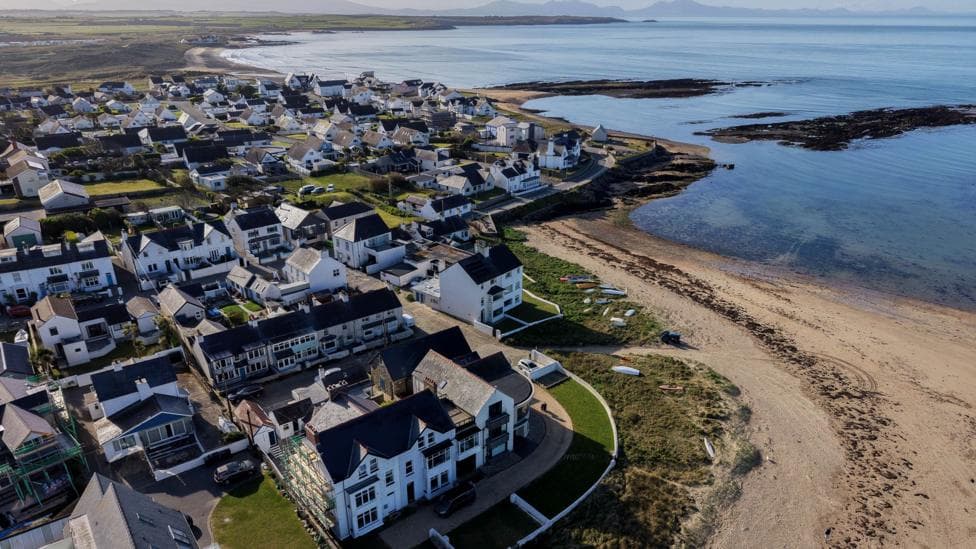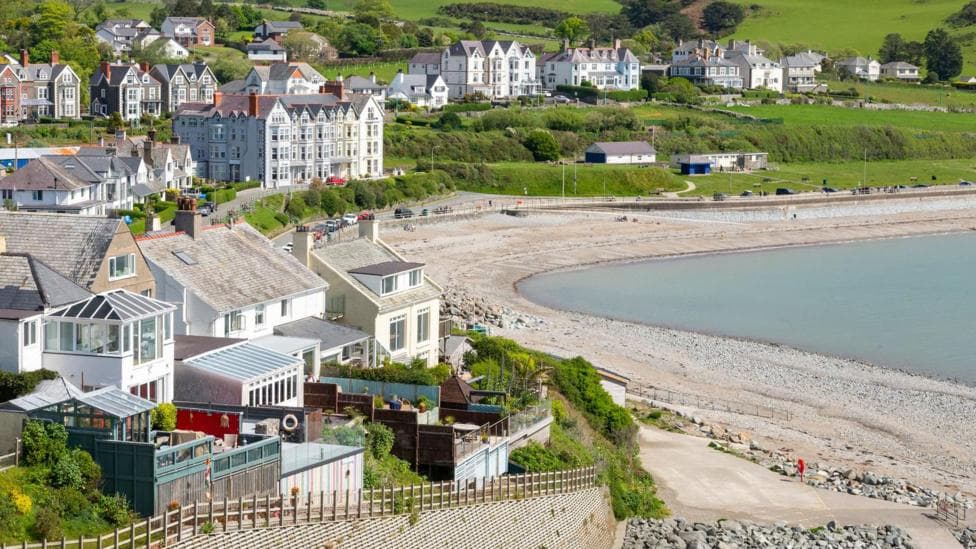
Three Welsh councils have postponed decisions on introducing a visitor levy following consultation feedback, with experts arguing the current legislation lacks the flexibility needed to suit different regions across the country.
Anglesey council rejected the levy outright this week, citing concerns about its impact on the tourism sector. Gwynedd and Conwy councils both chose to delay their decisions to allow for further analysis and evidence gathering. The moves highlight growing tensions between those who see the levy as essential infrastructure funding and those worried about its effect on visitor numbers and business competitiveness.
Under Welsh government legislation that came into force in 2024, individual local authorities can choose whether to introduce a nightly charge on overnight stays. From 2027 onwards, councils that opt in can impose a fixed rate per person per night, applied equally to adults and children, though under-18s are exempt from the 75p rate for budget accommodation.

The Welsh government framed the legislation as enabling local decision-making, with councils able to introduce the levy to fund tourism services and facilities tailored to their communities' needs. However, Dr Linda Osti, senior tourism lecturer at Bangor University, argues the current framework is too rigid.
"It's one legislation for every county and it's applied at county level, when we should think about sub-county level," she said. "Geographically, if we think about Gwynedd, we cannot have the same levy on Eryri or Porthmadog. The same legislation cannot work for Cardiff, or in Anglesey, on the coast. There are different visitors, there are also different conditions."

Osti, who co-authored a 2024 report for the Welsh government examining how visitor levies function internationally, highlighted concerns about trust between tourism businesses and local authorities. She noted that in places like the Italian Alps, decisions are made through smaller co-operatives, creating greater transparency about how revenue is spent.
The expert also pointed to developments in England as evidence of what greater flexibility could look like. According to Welsh Government guidance on visitor levy implementation, regional mayors in England have been granted new powers to charge an uncapped levy on overnight stays, with councils able to decide the percentage to charge, introduce exemptions, determine the number of nights subject to the fee, and choose whether to charge children.
"If we compare what we know from England, which is very little at the moment, it appears to be much more flexible. So local authorities can decide the percentage to charge and whether to introduce exemptions, and it seems they may also decide for how many nights, and whether to charge children or not. I wish Wales would go back and think about flexibility and revisit the legislation."
How the levy would work
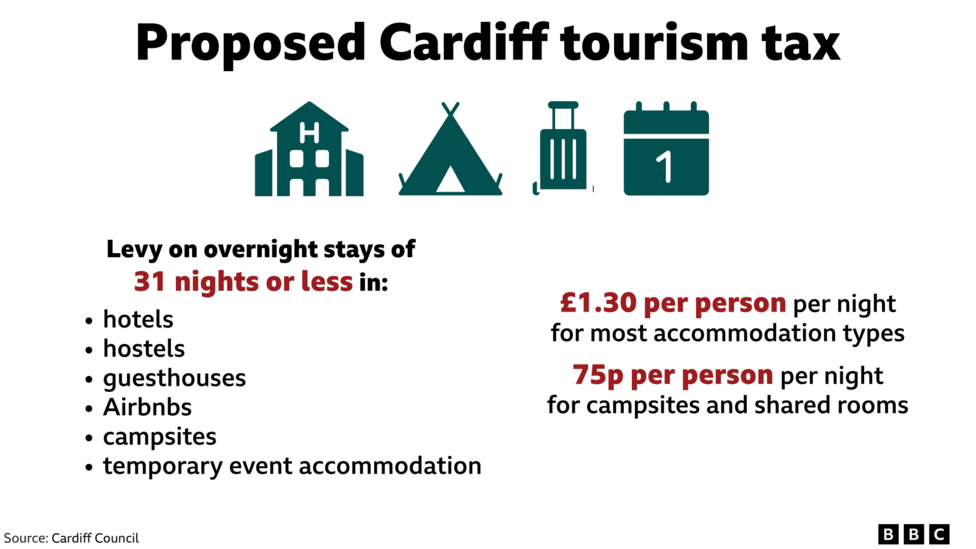
Under the current Welsh framework, accommodation providers would charge different rates depending on the type of lodging. Budget accommodation including hostels, shared rooms and tent pitches would incur 75p plus VAT per person per night, while most other accommodation types would be charged at £1.30 plus VAT. Stays exceeding 31 nights are exempt, as are people in temporary accommodation or homeless hostels.
Councils that introduce the levy must announce the decision at least 12 months in advance, and according to Welsh Government implementation guidance, can only begin collection on 1 April or 1 October. Revenue generated is ring-fenced for specific purposes including tourism promotion, Welsh language support, and improvements to infrastructure or services used by visitors.
While the current fee per night is fixed, councils could increase rates in future by conducting a consultation and providing 12 months' notice to the public and accommodation providers.
Why councils are hesitating
Anglesey council's rejection of the levy came after a public consultation that received more than 2,000 responses from residents, businesses and tourism stakeholders. The council cited concerns about increased costs for visitors and the island's competitiveness as a holiday destination in its decision to decline implementation.
Gwynedd's consultation generated significantly higher engagement, with the council receiving 6,856 responses. Initial analysis revealed a mixed picture: residents showed greater support for the levy, while visitors and businesses expressed higher levels of opposition. The council postponed its decision to conduct more thorough analysis of the feedback and, according to reporting on the council's legal position, received legal advice indicating it could not proceed with a levy decision in September 2026 as originally planned.

Conwy council members also deferred their decision, stating they would wait for further evidence and practical experience from other areas before committing to implementation. Concerns raised during their consultation included fears of reduced bookings, shorter visitor stays and decreased spending at local businesses, particularly given current economic pressures facing the sector.

Who supports the levy?
Not all voices in the tourism industry oppose the charge. Bethan Evans, who runs Dolgamedd caravan park in Dolgellau, Gwynedd, supports introducing a tourism tax to help manage the pressures created by peak-season visitor numbers.
"You get people [with] brand new tents who can't be bothered to put a wet tent back in the car so they try and dump them in our bins, which we pay for. There is such a lot of that happening, and the amount of food waste is just incredible. So it's ridiculous saying they can't afford it, oh yes they can."

Evans described the 75p nightly levy for campers as negligible compared to the environmental and financial costs her business absorbs from visitor waste. She expressed frustration that councils appeared reluctant to implement the levy due to opposition from what she characterised as a vocal minority, while emphasising her preference for attracting visitors who respect the local area and are willing to contribute financially to its upkeep.
Industry opposition and concerns
The tourism and hospitality sector has largely opposed the levy's introduction. Nicky Williamson, of the Professional Association of Self-Caterers (PASC) UK Cymru, described the three councils' decisions to pause implementation as a positive outcome.
"Tourism businesses across Wales have been clear about the pressures they are already facing, and the response to these consultations shows the strength of concern about adding another cost to Welsh holidays. This is simply the wrong time to introduce another cost for either businesses or visitors. We welcome councils listening to the evidence and urge others to do the same before taking decisions that could have long-term consequences for Wales' visitor economy."
Where the levy will proceed
Cardiff council stands alone among Welsh local authorities in moving forward with the levy. The council has confirmed it will introduce the visitor levy from 1 April 2027, with accommodation providers required to begin accounting for the charge from 28 September 2026 on bookings made for that date onwards.
According to Osti, Cardiff represents an ideal case for the current levy structure. The capital attracts business travellers and short-stay visitors who are less price-sensitive than leisure tourists visiting rural areas.
"Why would it work in Cardiff? Because it's a typical city destination. People tend to go to Cardiff for a few nights. For two people, two nights, it's not even £10 extra when they're paying £100, £140, £160 per night for a double bedroom. So it would work for Cardiff and then Cardiff can easily organise events as Manchester and Liverpool did in the past... they could do very good things with the charge."
Background and legislative framework
The visitor levy emerged from a cooperation agreement signed between Labour and Plaid Cymru in 2021, with formal legislation published in 2024. The Welsh government designed the scheme to be straightforward for accommodation providers and councils to administer, applying uniform rates across all areas that choose to implement it.
The levy is collected by the Welsh Revenue Authority and ring-fenced within council budgets for specific tourism-related expenditure. According to Welsh Government information on the visitor levy, intended uses include funding for toilets, footpaths, beaches, visitor centres and tourism activities.
Accommodation providers across Wales are required to register for the visitor levy between October 2026 and 31 March 2027, regardless of whether their local council has decided to implement it.
What happens next
Gwynedd, Conwy and Anglesey are expected to announce final decisions following their consultations, though no specific timeline has been confirmed beyond the initial September 2026 target date. Cardiff's implementation on 1 April 2027 will provide the first practical experience of how the levy operates in a Welsh context, potentially informing decisions by other councils considering adoption.
The debate over the levy's design and flexibility is likely to continue as councils weigh the potential revenue benefits against business and visitor concerns. Osti's calls for legislative reform to allow greater local variation suggest that future amendments to the scheme may be necessary if more councils are to embrace it.
Key facts
- Anglesey, Gwynedd and Conwy councils have all paused or rejected the visitor levy following public consultations
- The levy would charge 75p plus VAT per night for budget accommodation and £1.30 plus VAT for other types, with children under 18 exempt from the lower rate
- Cardiff council is the only Welsh local authority currently proceeding with implementation, scheduled for 1 April 2027
- Experts argue the current legislation lacks flexibility to account for regional differences in tourism patterns and visitor demographics
- Councils that introduce the levy must announce the decision 12 months in advance and can only begin collection on 1 April or 1 October