From the Alpine meadows of Bavaria to pristine lakes in Italy and the pilgrim routes of the Pyrenees, Europe's mountain regions offer some of the continent's most rewarding summer and early autumn adventures. Readers have shared their favourite discoveries across the lakes and peaks, revealing destinations that combine outdoor activity with cultural richness and culinary reward.
This collection showcases eight distinct regions where hiking, cycling, water sports and mountain exploration create unforgettable experiences. Each destination offers something different: some are known to international tourists, while others remain refreshingly quiet despite their natural beauty and accessibility.
What makes late summer ideal for Alpine travel?
Late summer and early autumn bring distinct advantages to mountain regions. Crowds thin considerably after school holidays end, yet weather remains stable and mountain infrastructure stays fully operational. According to travel guides for Alpine destinations, September offers shoulder-season benefits: mountain railways and adventure sports continue at full capacity while accommodation becomes easier to secure.
Clear waters and forest trails in the Austrian Alps
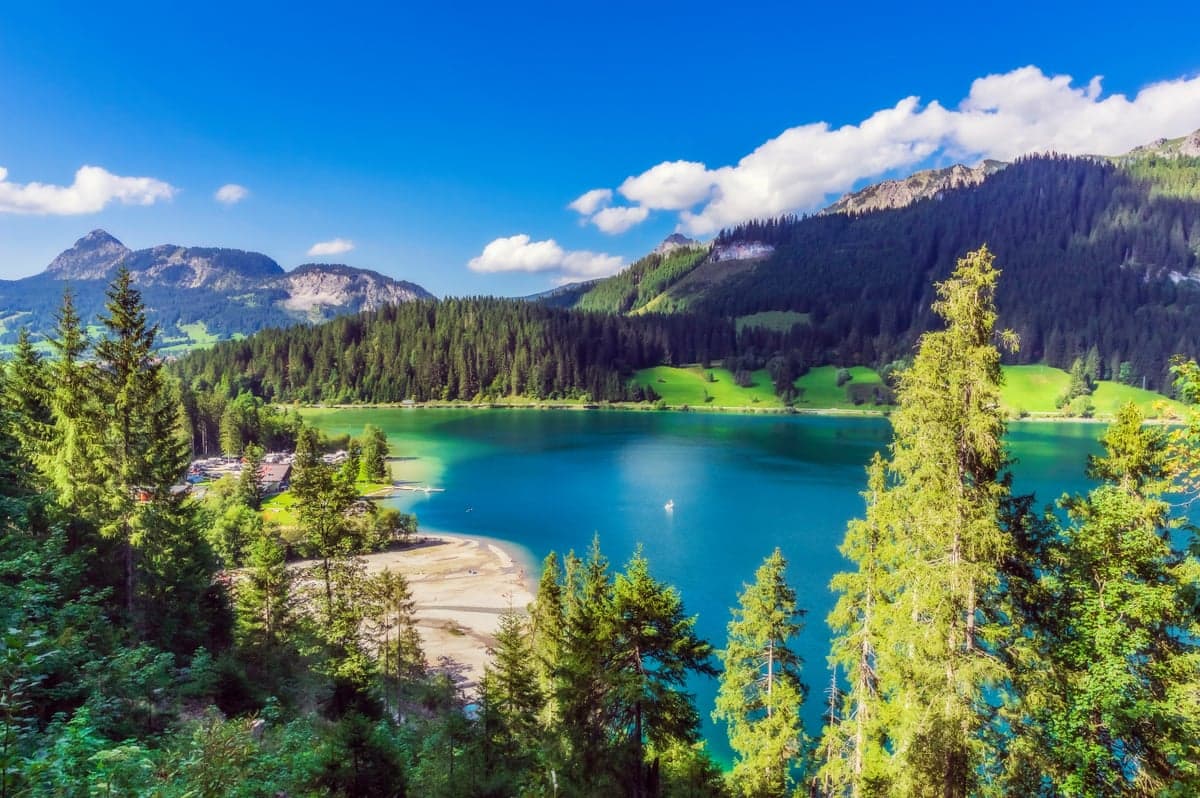
Haldensee, a crystalline lake nestled at the base of the Tannheimer Tal valley in the Austrian Alps approximately 90 miles south-west of Munich, exemplifies the region's appeal. Visitors arriving in late summer encounter water cold enough to deter all but the most determined swimmers, yet the surrounding landscape rewards hikers year-round.
A ski lift ascends into the Allgäu Alps, where dense forest paths lead to mountain refuges serving refreshing apple spritzers, warming soups and seasonal pastries. The descent proves equally memorable, accompanied by the sound of tinkling cowbells as cattle amble along mountain-side springs. Austria's tourism sector has reported a 12% year-on-year rise in overnight stays in May 2026, reflecting sustained demand for Alpine experiences.
An adventure playground above Lake Garda
Northern Lake Garda presents itself as a vast outdoor recreation zone where mountains rise dramatically above the water. Walking, cycling, climbing, boat trips and watersports coexist with castles, waterfalls and valley cycle trails that wind through the landscape.
The Strada del Ponale, an old mountain road carved into the rock face, stands out as a premier cycling and walking route—best tackled by electric bike due to its demanding terrain. The road winds through tunnels and clings to the mountainside, offering spectacular views across the lake. Mountain restaurants along the route serve hearty pasta dishes paired with local beer or wine before the descent back downhill.
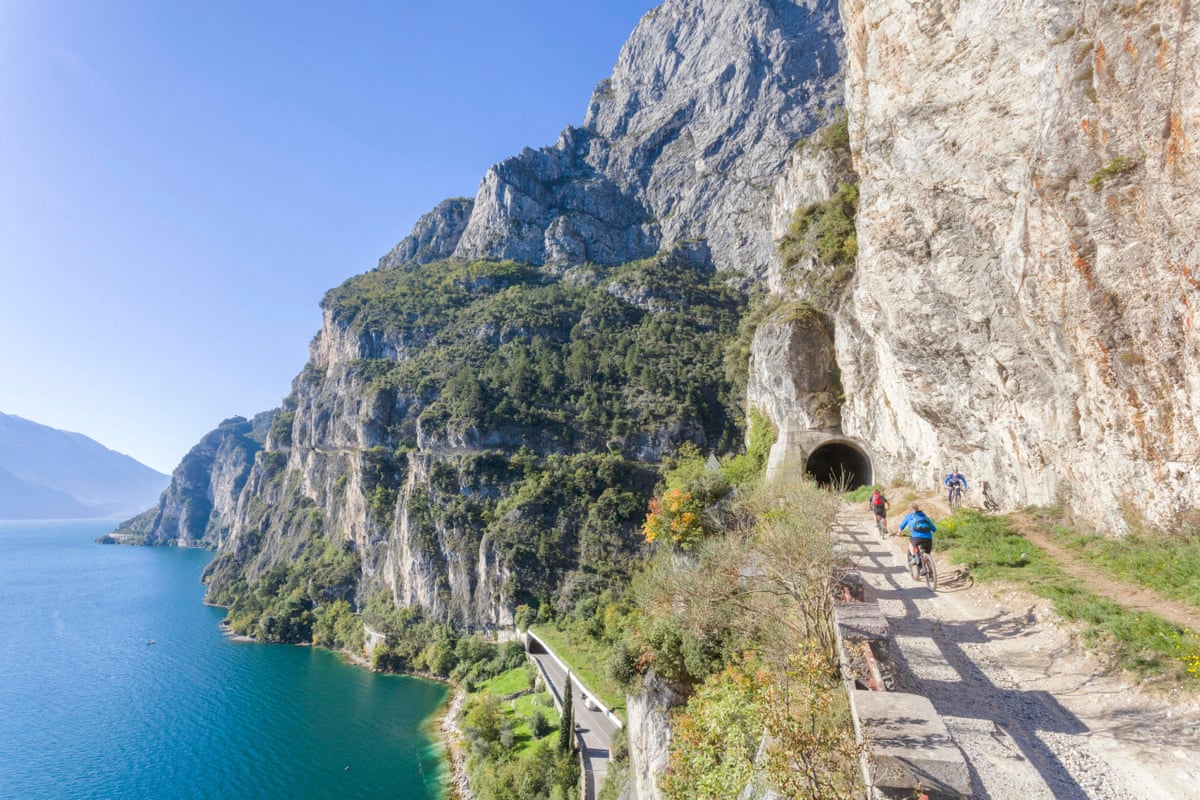
Lake Garda's appeal extends into late September, when water remains swimmable throughout much of the month. According to the region's autumn event calendar, the Centomiglia sailing race takes place on 5–6 September and the Vittoriale Festival runs 4–16 September, adding cultural programming to the area's natural attractions. Late-September food and local-culture events include Ciottolando con Gusto in Malcesine on 26–27 September and Salò Golosa on 27 September.
Escaping the crowds near Mont Blanc
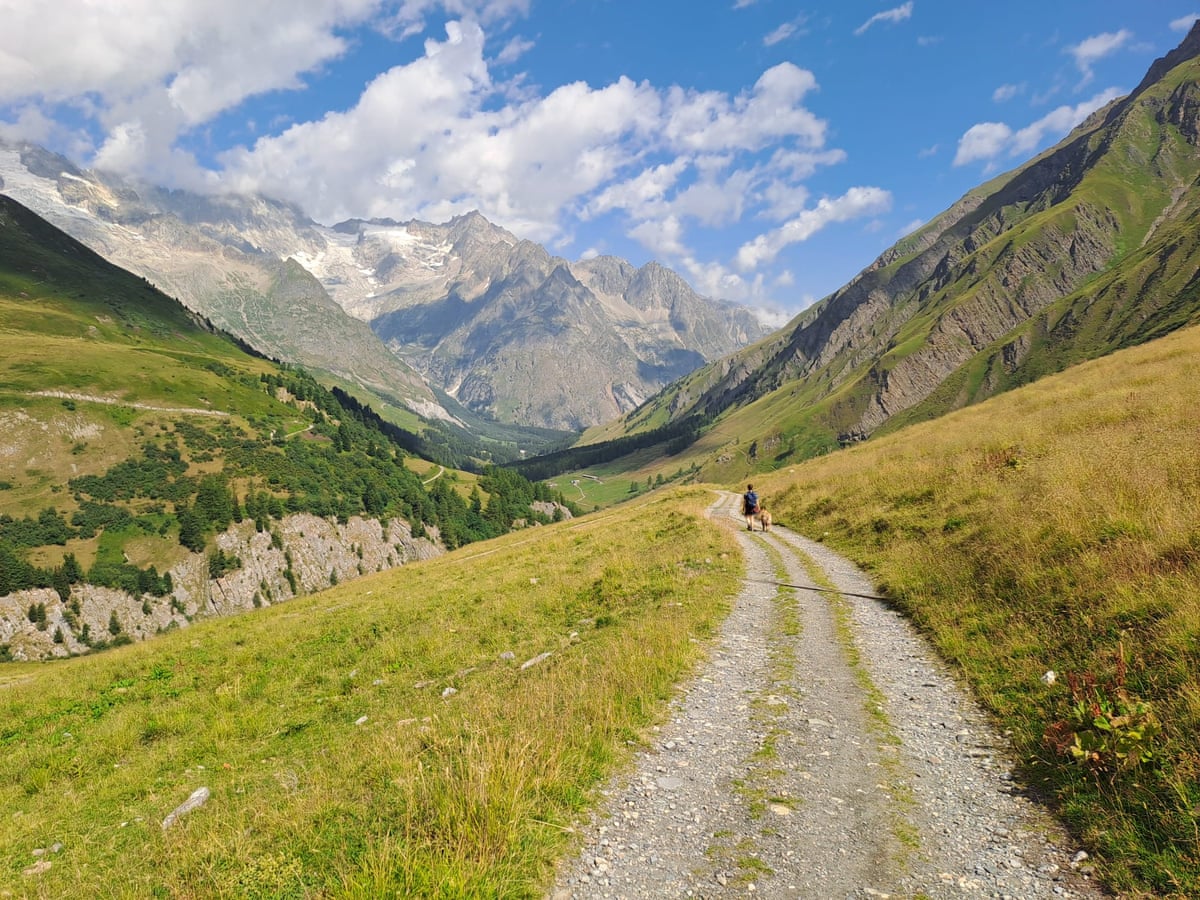
While Chamonix draws international crowds, the Swiss village of La Fouly in south-west Switzerland offers quieter access to the Mont Blanc region. Though some walking routes remain busy—the area serves as a hub for the famous Tour du Mont Blanc trail—many paths diverge from the main route and see far fewer visitors.
Walks lead to locations where rock ptarmigans produce distinctive gurgling calls at dawn and marmots shriek during the descent back into the valley. Camping by cool, fast-flowing rivers provides an immersive Alpine experience. September represents an ideal visiting month, with mountain railways and adventure sports operating at full schedule while crowds ease after school holidays.
Cowbells and flower meadows in Slovenia
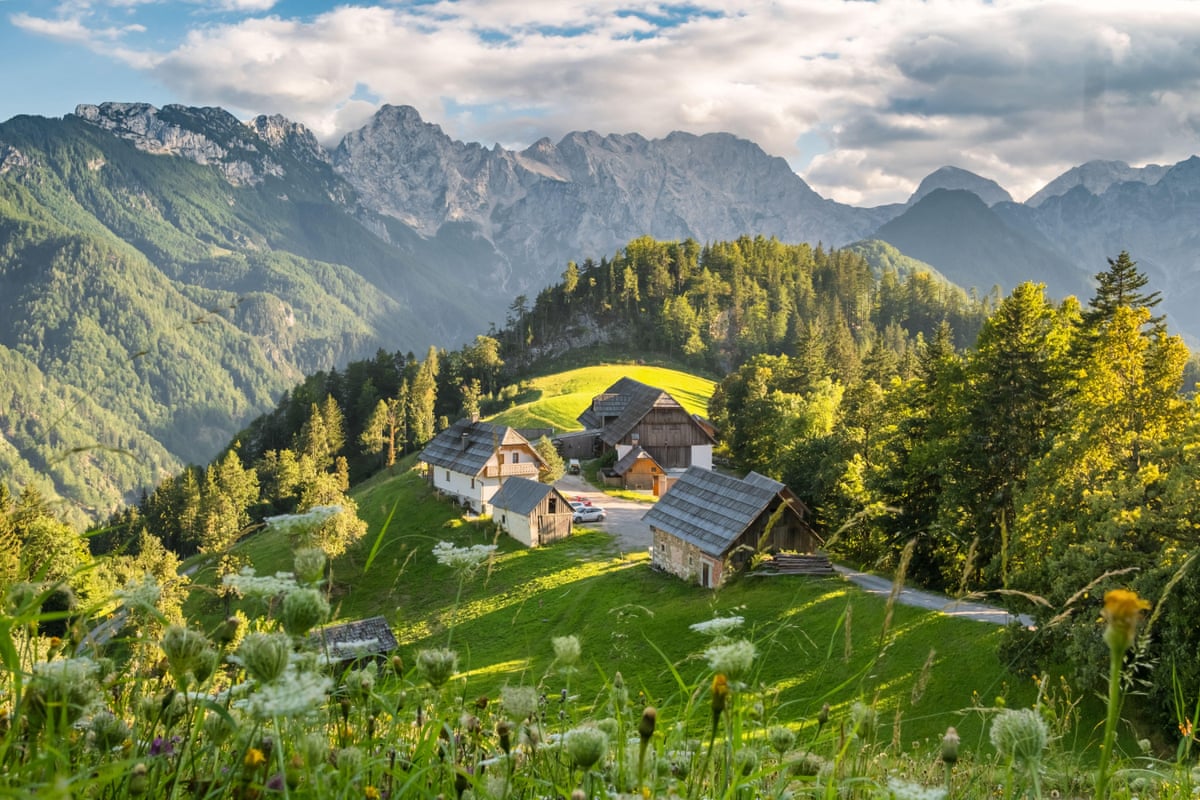
The Logar Valley in Slovenia carries the distinctive soundscape of cowbells as its most prominent audio feature. A narrow road traverses flower-filled meadows leading to the foot of the Kamnik-Savinja Alps, though exploration on foot or by bicycle proves more rewarding than driving.
Small farms along the route sell homemade cheese and apple juice. An easy trail leads to a 90-metre waterfall, where mountain inns provide lunch with panoramic views. Overnight stays in family-run guesthouses reveal the valley's true character: by early evening, day visitors depart, leaving only the sounds of swallows and grazing cattle. Slovenia's Lake Bled region is recognised as one of Europe's foliage-season highlights in mid-September 2026.

A motorboat-free lake with lily beds and dragonflies
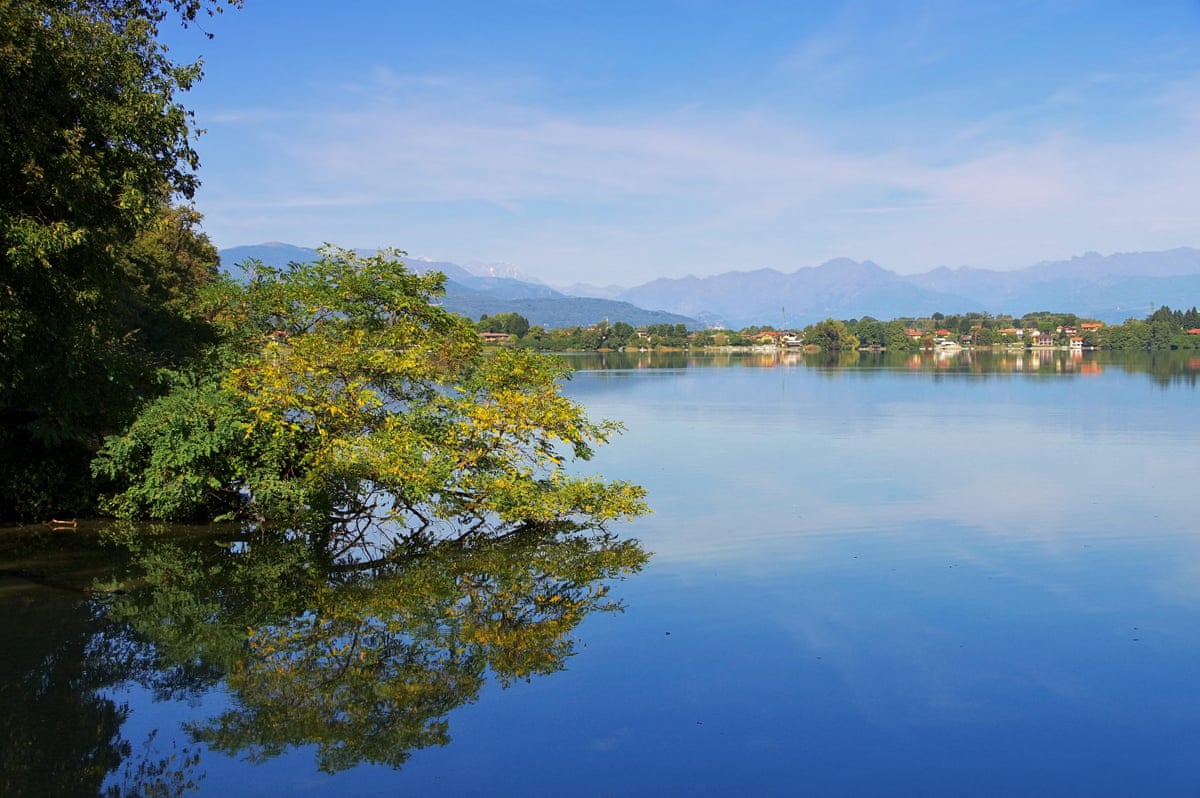
Lago di Monate, situated between the larger lakes of Maggiore and Varese in northern Italy, maintains possibly the freshest swimming water in the country, a distinction owed to its long-standing prohibition on motorboats. The spring-fed lake remains calm enough for paddleboard hire, allowing visitors to cross to vast lily beds that bloom in summer and teem with dragonflies.
A grassy beach with sunbeds and umbrellas offers reasonable rates, with evening meals of fresh fish served on the terrace at approximately €25, accompanied by views across the lake toward the Alps.
Alpine atmosphere in Bavaria
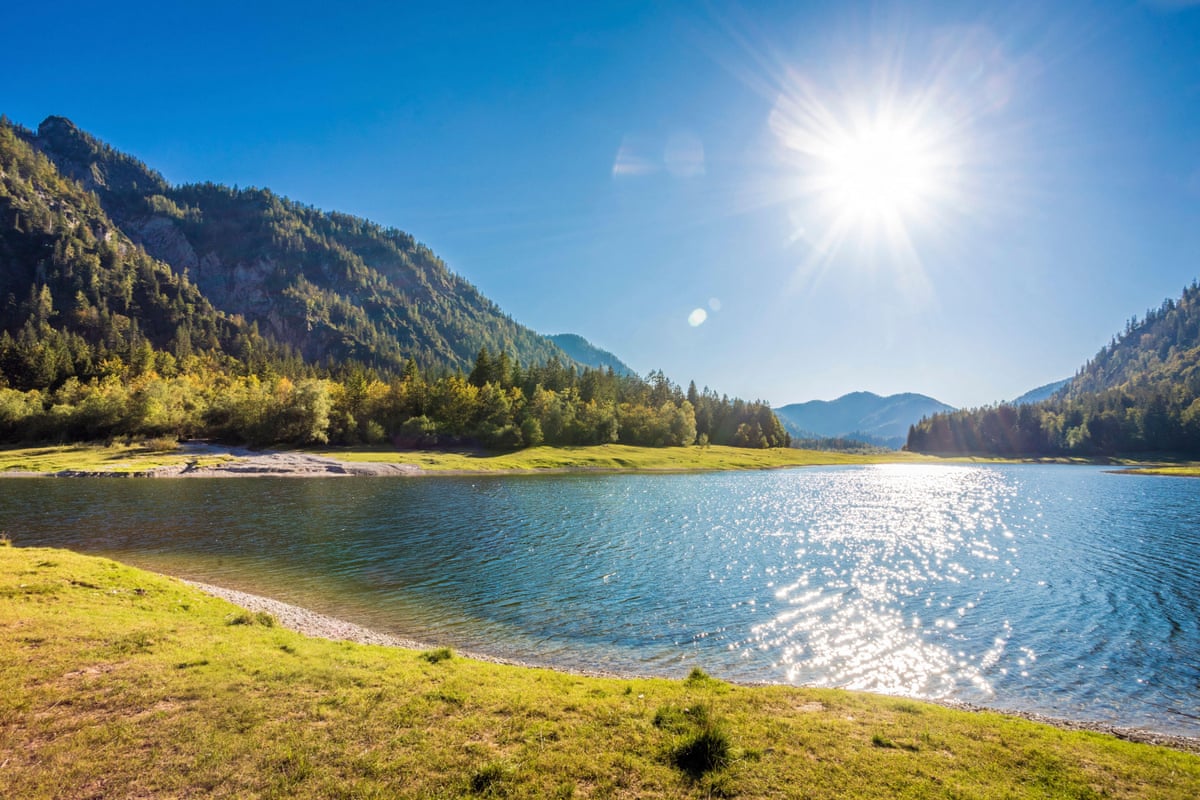
Ruhpolding, an outdoorsy Bavarian town, delivers authentic Alpine atmosphere without pretension. The region features an impressive waterpark and cool blue lakes including Lödensee and Weitsee. Classical Alpine scenery surrounds hiking routes that lead to mountain refuges in high meadows, where local milk and beer accompany platters of meat and cheese.
The larger Chiemsee lake provides a separate day-trip destination with beach facilities. A stop in Munich on the return journey allows visits to the BMW museum, portions of which are free to enter.
Cycling the Pyrenean foothills without steep climbs
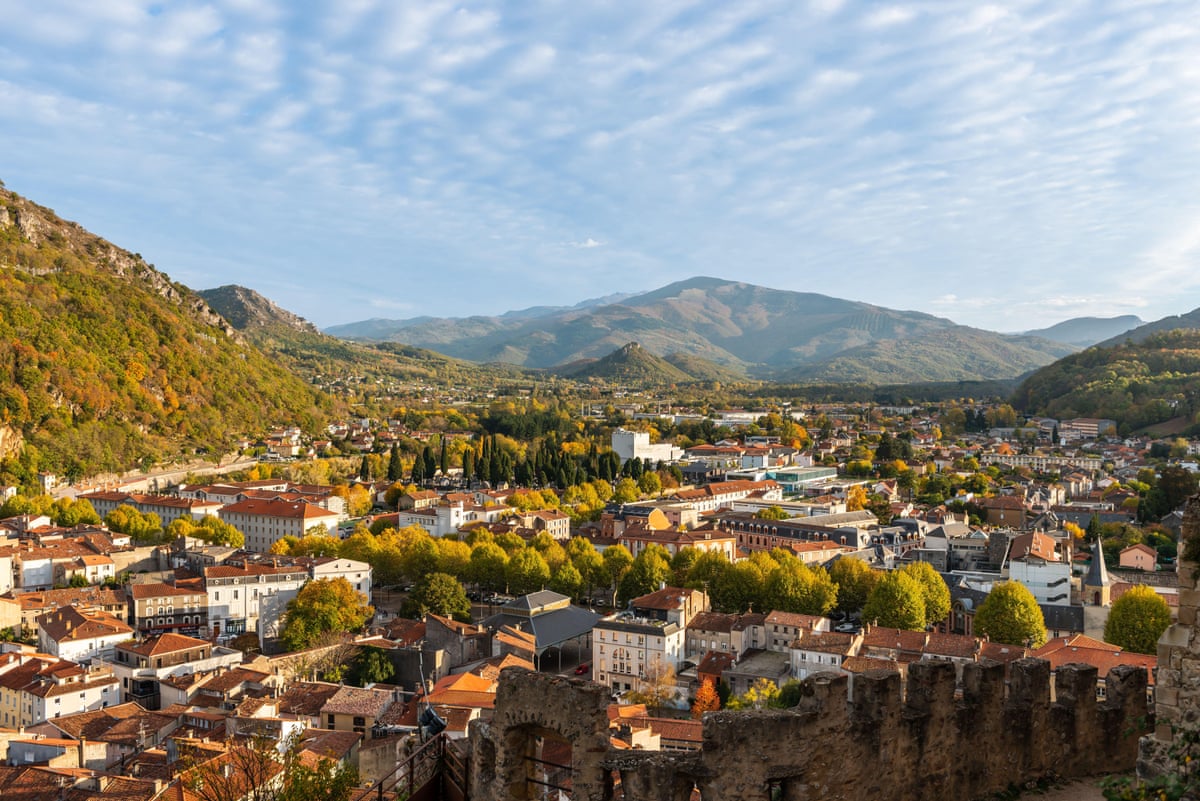
The Voie Verte cycling route through the foothills of the French Pyrenees offers mountain scenery without the physical demand of climbing or descending. Two weeks of leisurely cycling along the signposted route passes through spa towns including Salies-du-Salat, the picturesque Foix and Mirepoix, with mountain views throughout.
The route consists entirely of traffic-free paths or very quiet roads, passing well-equipped campsites that consistently provide swimming pools, aperitif hours and morning croissants.
A challenging cross-border pilgrimage in the Pyrenees
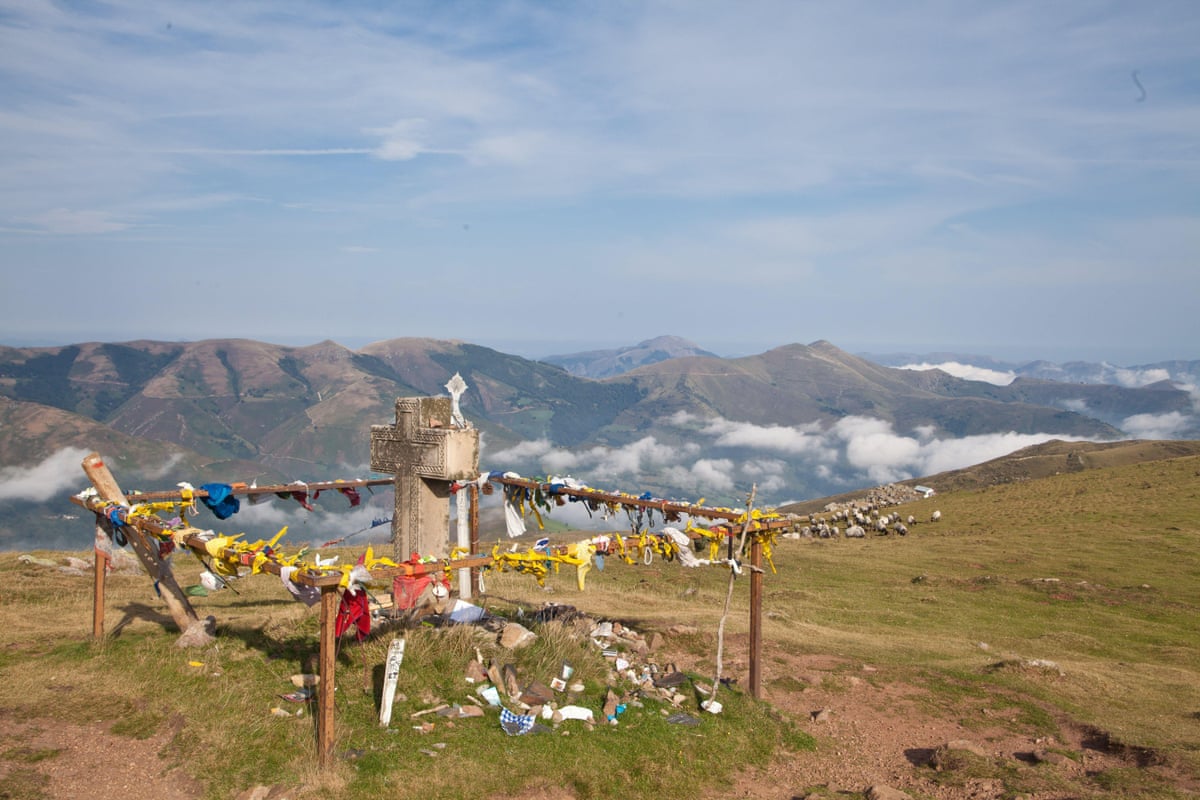
The Camino de Santiago spans nearly 2,000 kilometres across Spain from the Pyrenees to the Galician coast, with an extension following the Atlantic Portuguese coast in northern Portugal. One of the most visually stunning sections of the Camino Francés—the French route of the pilgrimage—runs from the French Pyrenean town of St-Jean-Pied-de-Port to the Spanish village of Roncesvalles.
This stretch presents a formidable physical challenge, yet the reward justifies the effort. In early morning mist as walkers approach the Spanish border, panoramic views from above the cloud line create a truly spectacular experience.
Marble peaks and wild Tuscan valleys
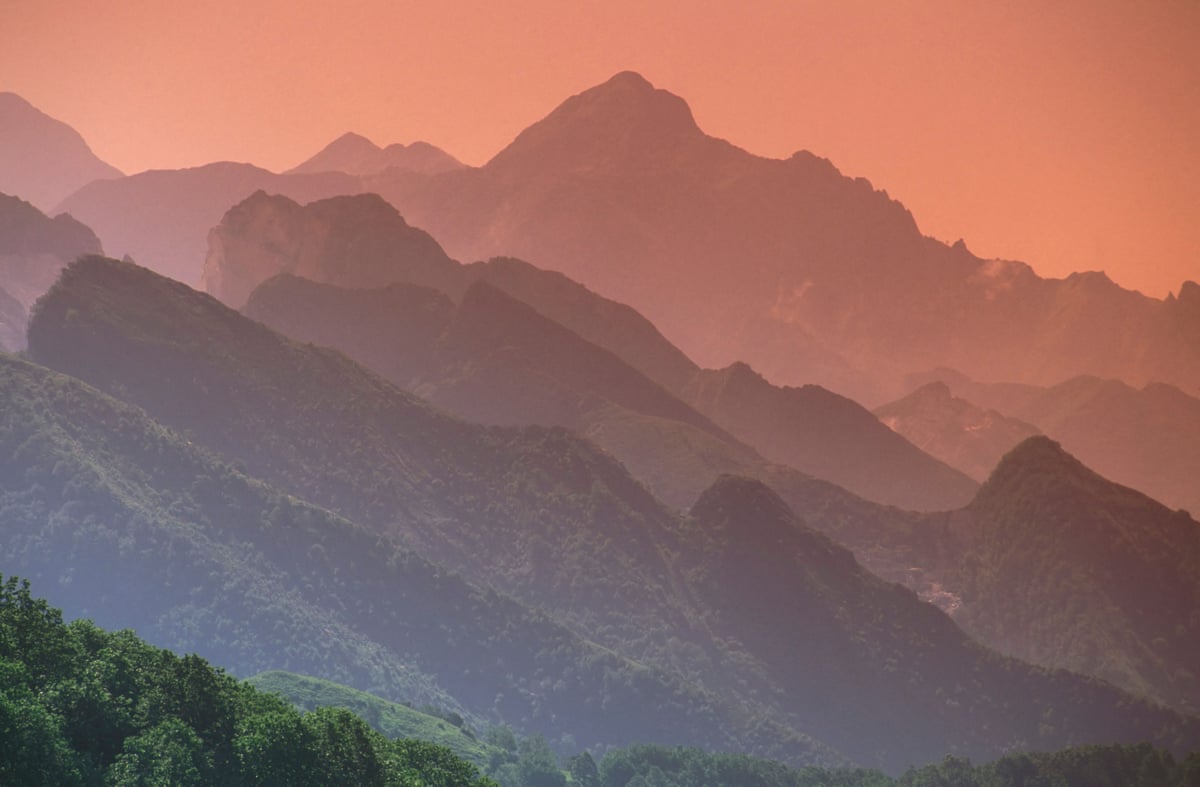
The Alpi Apuane, a raw and jagged cluster of marble peaks, remain surprisingly little-known despite forming a dramatic backdrop to the beaches of northern Tuscany. These mountains feature challenging trails, including multi-day routes linking Modena to the coast. Quiet, refreshing streams and half-forgotten villages shelter in the valleys below.
Above the treeline, hikers encounter expansive views encompassing mountains, sea and the surreal marble quarries carved into the mountainsides. This landscape represents Tuscany's wilder character, distinct from the region's more famous rolling hills and vineyards.
Forest-covered peaks accessible by train
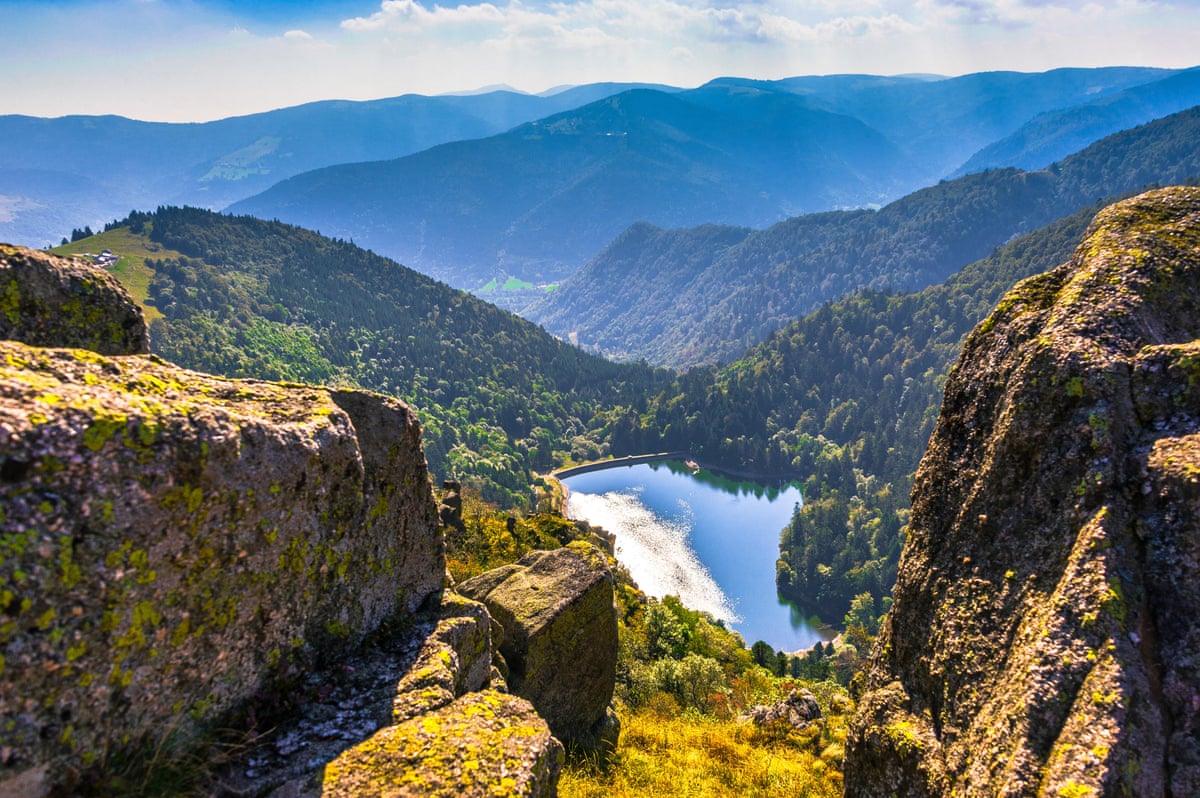
The Vosges mountains in eastern France consist of forest-covered rounded peaks called ballons, accessible by train from major towns. The rail line between Colmar and Metzeral provides easy access into the Wormsa valley, where forest paths climb past streams to the peaceful Lac du Fischboedle, surrounded by trees.
From the lake, hikers can ascend Hohneck, the third-highest mountain in the Vosges at 1,363 metres, for sweeping views toward the Alps. The region's cuisine proves exceptional, particularly tarte flambée—a traditional thin flatbread topped with crème fraîche, onions and bacon.
What happens next: autumn events and extended seasons
Mountain regions across Europe extend their visitor seasons well into autumn. Lake Garda's late-September programming includes food and cultural events, while Interlaken's autumn calendar features the Jungfrau Marathon in September followed by the Herbstmarkt and Reformation Sunday celebrations. Major mountain transport infrastructure, including cable cars and mountain railways, remains operational throughout September across Switzerland and Austria.
Key facts
- Late summer and early autumn offer ideal conditions for Alpine travel, with reduced crowds and fully operational mountain infrastructure
- Lake Garda combines water sports, cycling and cultural events, with September remaining warm enough for swimming
- Lesser-known destinations such as Lago di Monate and the Logar Valley in Slovenia provide authentic experiences with fewer international tourists
- Multi-day trails including the Camino Francés and routes through the Alpi Apuane offer challenging hiking with dramatic scenery
- Train access to mountain regions such as the Vosges and Interlaken makes Alpine exploration accessible without a car