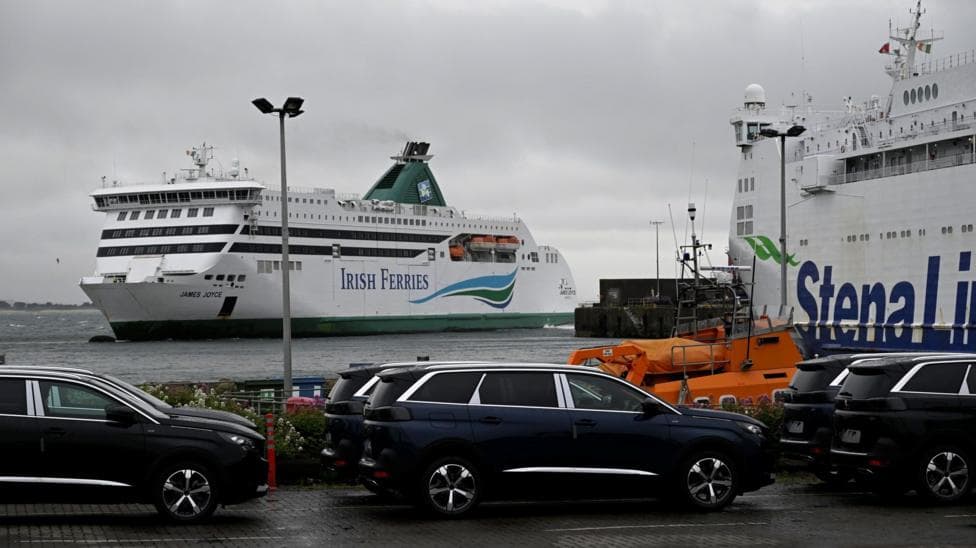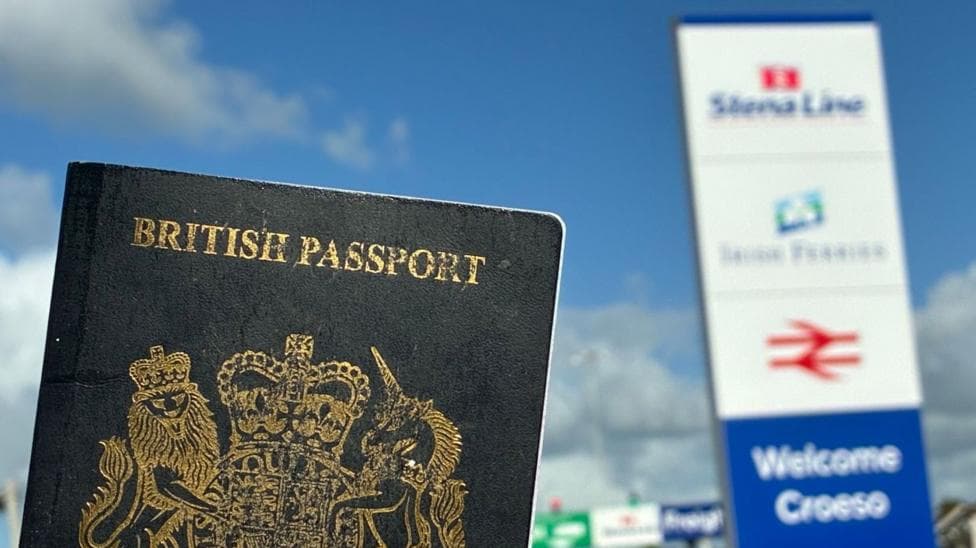
Ferry passengers travelling between Britain and the Republic of Ireland must now present a valid passport before boarding, a requirement that came into effect on 28 September 2026. The policy shift affects approximately 2.5 million annual passengers, including car and lorry drivers using routes from Holyhead, Fishguard and Pembroke Dock. Ferry operators Stena Line and Irish Ferries implemented the change to comply with UK Border Force regulations governing passenger data accuracy and integrity.
Why the change is happening
Previously, passengers travelling on these routes were not consistently required to show a passport, though some form of photo identification was sometimes requested. The new requirement represents a significant departure from historical practice on these crossings. Stena Line states that passengers on Holyhead–Dublin and Fishguard–Rosslare routes must present a valid passport at check-in, with no other identification accepted. The company confirmed it was "making this change to meet the requirements of the UK Border Force in relation to the accuracy and integrity of passenger data before boarding". UK Border Force officials stated that the decision to implement the requirement rested with the ferry operators themselves.
Which routes are affected
The passport requirement applies to all ferry services between Wales and the Republic of Ireland, including sailings from Holyhead to Dublin, Fishguard to Rosslare, and Pembroke Dock to Rosslare. Transport for Wales confirms that passengers on Britain–Republic of Ireland services now need a valid passport or Irish passport card before boarding, with the change applying from 28 September 2026. The requirement also extends to the freight route between Birkenhead and Dublin. However, sailings between Britain and Northern Ireland remain unaffected by this policy change.
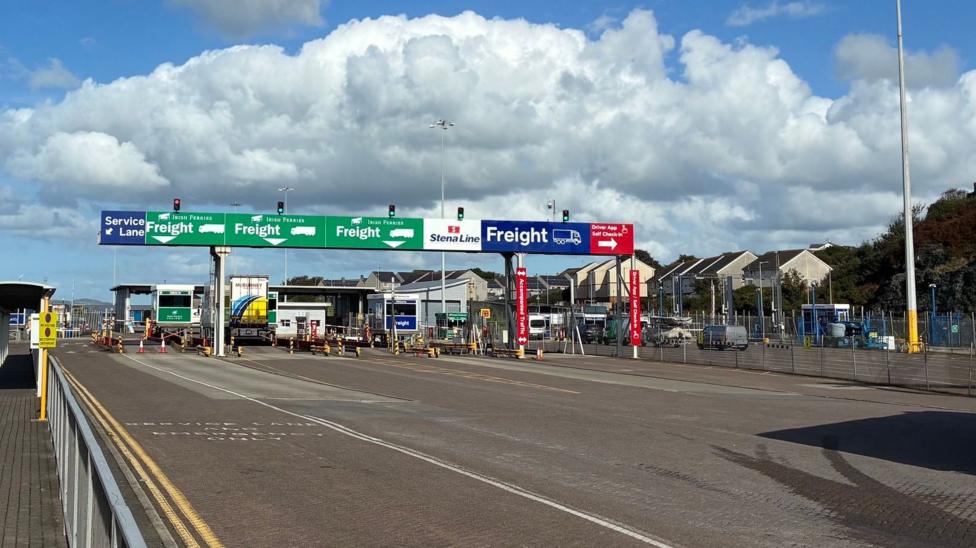
Holyhead serves as Britain's second busiest ferry port, with multiple daily departures to Dublin. The scale of the change underscores the significant volume of cross-border traffic affected by the new rules.

What about the Common Travel Area
The United Kingdom and Ireland are part of the Common Travel Area, a longstanding arrangement that permits citizens of both countries to travel between them without a passport as a legal requirement. The new ferry policy creates a distinction: while the Common Travel Area remains in force, passengers must now present a passport to board the ferry itself, rather than only when entering their destination country. This represents a practical shift in how the arrangement operates at the point of departure.
Who is being affected
Tour operators and travel companies have already reported the impact of the new policy. Elfyn Thomas, who organizes bus trips between Wales and Ireland, stated that some of his customers had already decided not to travel because they lack a passport. He told a national broadcaster that the timing of the announcement created difficulties for travellers: "What's been unfair to travellers is that these new guidelines were published a month ago, and they should have been published three or six months ago to give people the chance to get a passport."

Thomas noted that older customers who do not travel frequently were among those withdrawing from planned trips.
"Some of our customers have pulled out of trips because they didn't have a passport, including older people who don't travel often - that's going to be a loss for us and other companies."He also highlighted a particular concern: two of his customers were currently in Ireland without a passport and faced uncertainty about their ability to return to Wales under the new rules.
Broader industry shift toward passport requirements
Ireland's official travel advice indicates that more air and sea carriers are introducing passport-only identification requirements in 2026, suggesting this change reflects a wider trend across the transport industry rather than an isolated decision by these two operators. The Irish government's travel guidance now recommends that travellers check directly with individual carriers about their specific identification requirements, reflecting the shift toward carrier-specific ID rules rather than uniform standards.
What passengers need to know
Both ferry operators have made clear that passengers without a valid passport, or those who have forgotten theirs, will not be permitted to board. Stena Line's website confirms that a valid passport is required at check-in for passengers travelling from Dublin, Holyhead, Fishguard or Rosslare ports. No alternative forms of photo identification are accepted under the new policy. Passengers planning to travel on these routes should ensure their passport is valid and in their possession before arriving at the ferry terminal.
Key Facts
- Valid passport now mandatory for all ferry passengers between Wales and the Republic of Ireland from 28 September 2026
- Approximately 2.5 million annual passengers affected across Holyhead, Fishguard and Pembroke Dock routes
- Change implemented by Stena Line and Irish Ferries to meet UK Border Force passenger data requirements
- Tour operators report cancellations from customers unable to obtain passports on short notice
- Broader industry trend toward passport-only identification on air and sea routes in 2026