Travellers crossing the Irish Sea by ferry will be required to present a valid passport beginning Monday, marking a significant shift in travel documentation requirements for the route.
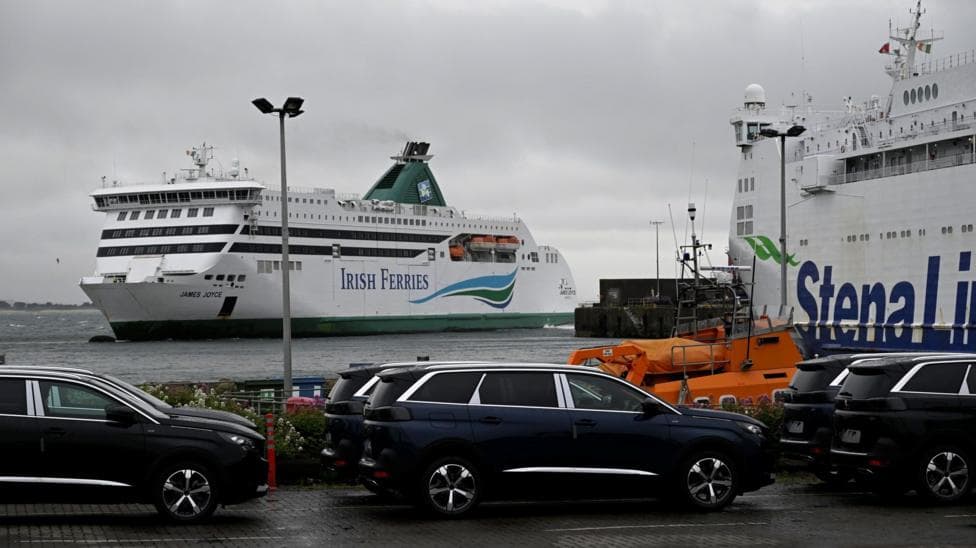
Irish Ferries has confirmed the new mandate applies to journeys on its Dublin to Holyhead service and Rosslare to Pembroke route, operating in both directions. Stena Line has implemented the same requirement across all its services from Dublin, Holyhead, Fishguard and Rosslare ports, with passengers needing to produce valid passports at check-in.

What prompted this change?
The shift stems from compliance with UK Border Force regulations. Previously, ferry operators accepted alternative forms of identification including driving licences and national identity cards. Stena Line stated in a website announcement that the new requirement fulfils UK Border Force directives
in relation to the accuracy and integrity of passenger data before boarding.
Which forms of ID are no longer accepted?
From Monday onwards, driving licences, national identity cards and other photographic identification documents will no longer be valid for travel on the affected Irish Ferries routes. The requirement applies uniformly to all passengers, regardless of whether they hold British or Irish citizenship. Passport cards remain acceptable alongside standard passports with both operators.
Are there exceptions for non-UK and non-Irish visitors?
Passengers who are neither British nor Irish citizens and plan short-term visits to the UK lasting up to six months may require an Electronic Travel Authorisation (ETA). This authorisation permits travel to the UK, Jersey, Guernsey and the Isle of Man for periods not exceeding six months, and represents an additional requirement separate from passport presentation at ferry terminals.
Key Facts
- Valid passports become mandatory for all ferry passengers between the UK and Ireland from Monday
- The requirement applies to Irish Ferries' Dublin-Holyhead and Rosslare-Pembroke routes, and Stena Line services from four ports
- Driving licences and national identity cards are no longer accepted as travel documents on these routes
- Passport cards are accepted alongside standard passports
- Non-UK and non-Irish citizens may need an ETA for stays up to six months