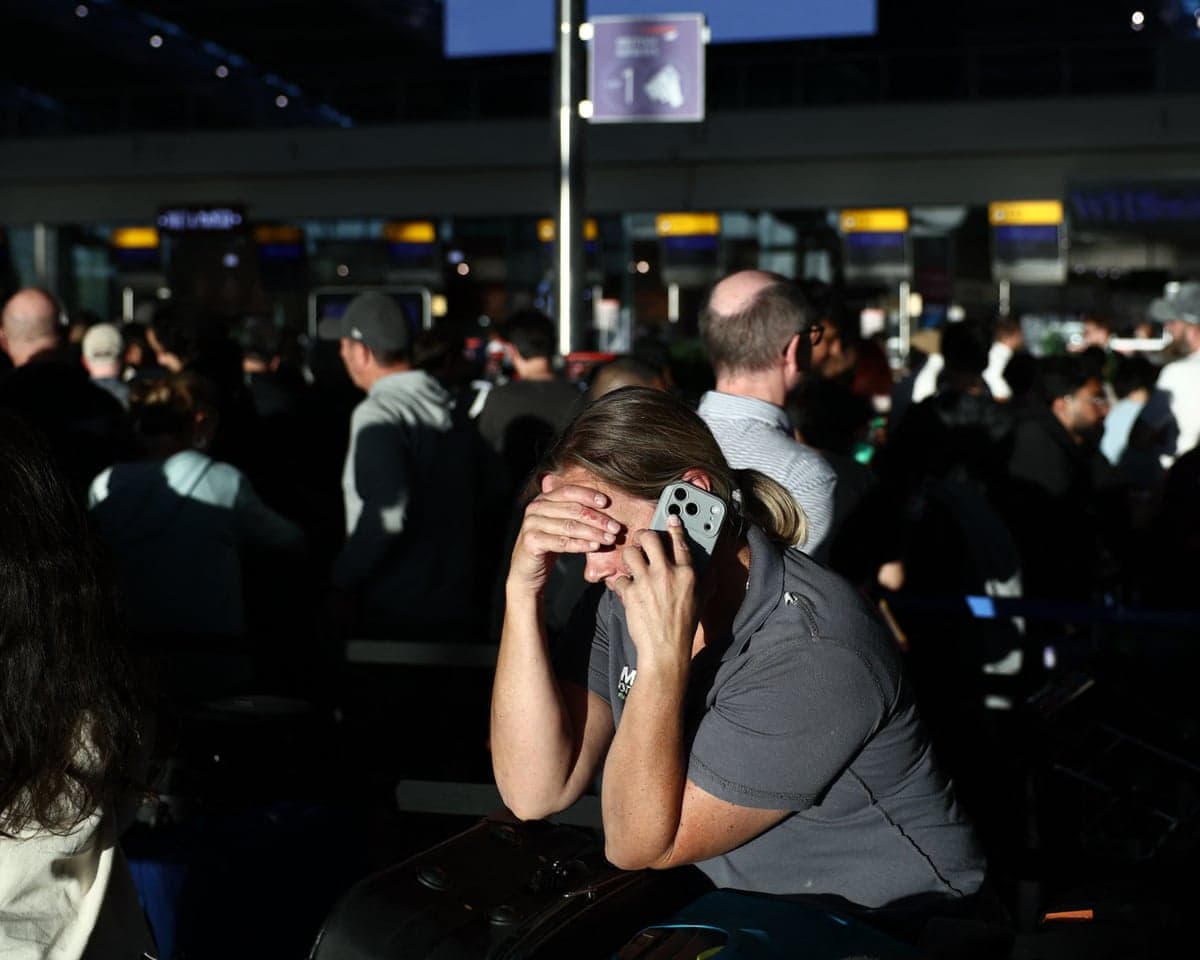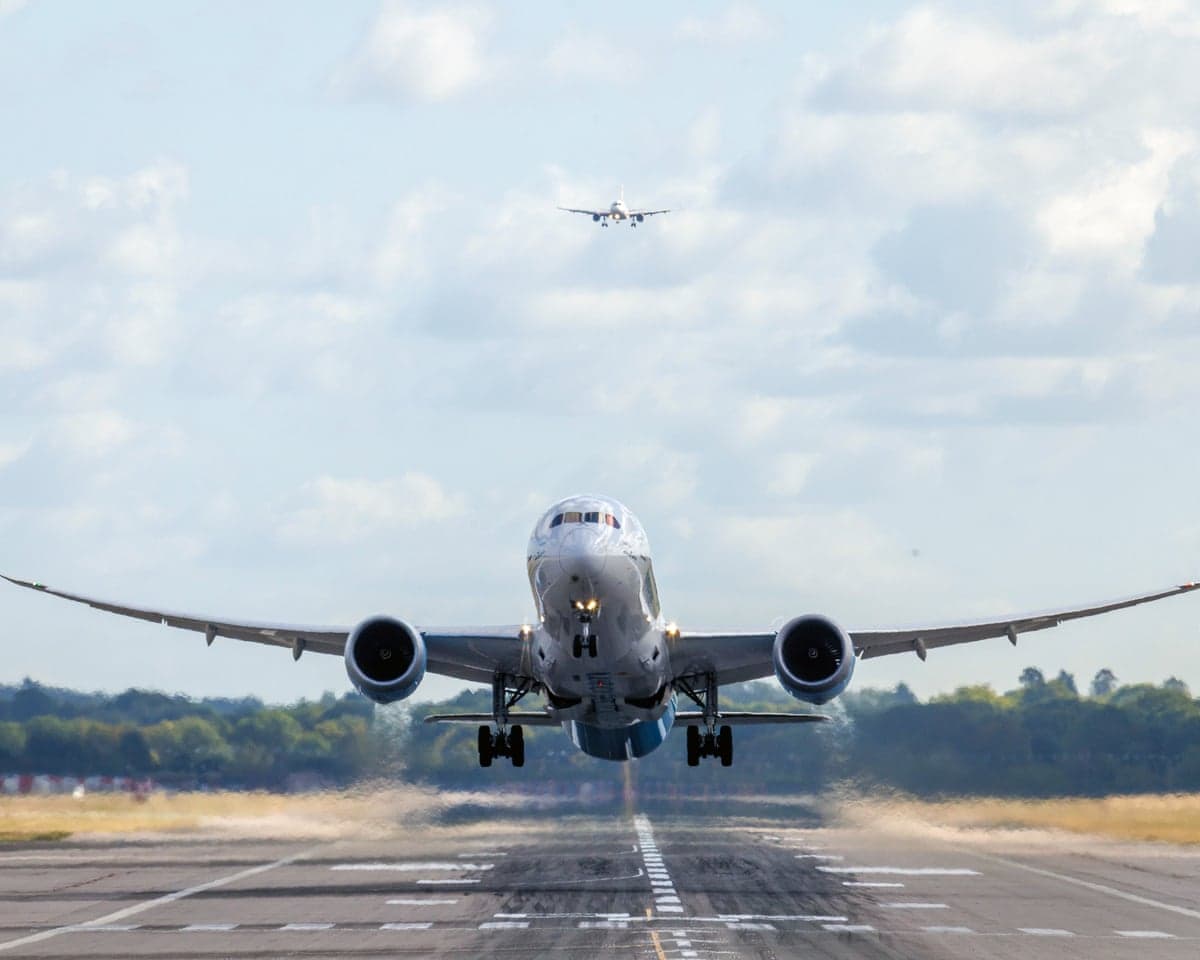
Flight disruption across the United Kingdom is expected to resolve on Thursday, after a technical failure at the national air traffic control provider grounded thousands of aircraft over two days. The aviation analytics company Cirium anticipates normal flight schedules will resume, with no cancellations forecast for the day ahead.
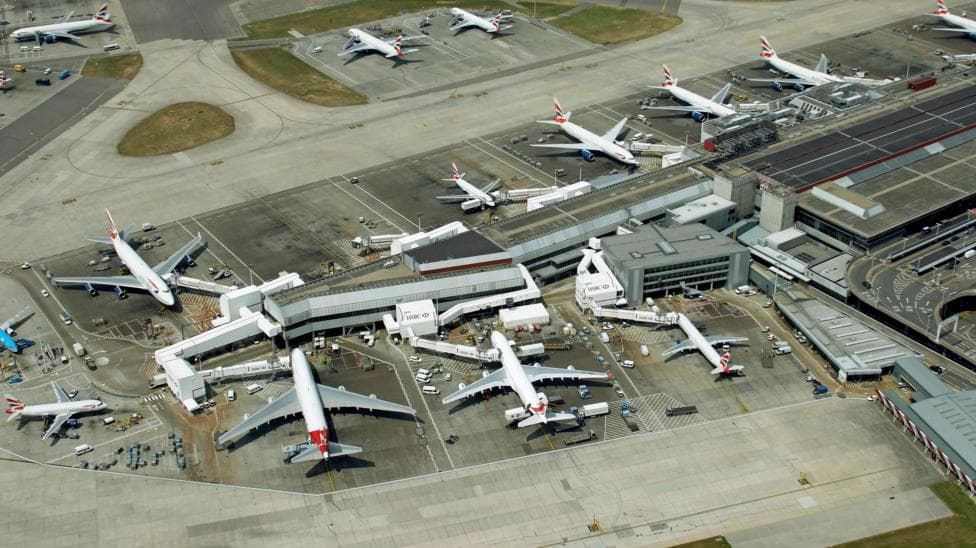
The outage, which began on Tuesday at the National Air Traffic Services (NATS) facility, affected major airports including Heathrow, Gatwick, Manchester and Stansted. According to reporting, approximately 2,000 flights to and from UK airports were disrupted across the two-day period, with about 30% of scheduled departures grounded on Tuesday and 5% on Wednesday. A total of 2,145 flights were cancelled or delayed, including 399 cancellations on Wednesday alone.
NATS confirmed the fault lay in its flight processing system, though it stressed that safety was not compromised during the incident. The system returned to normal operation after the fix was implemented on Tuesday, though cascading cancellations continued through Wednesday as airlines worked through backlogs.
British Airways suffered the most severe impact, with 88 of its 507 scheduled Wednesday departures affected. The airline released a statement expressing that it was
incredibly sorry to its customers and that the issue had been entirely out of our control.
What triggered the outage and what comes next?
The technical failure represents the latest in a series of disruptions to Britain's aviation infrastructure. The incident has renewed questions about the resilience of the nation's air traffic control systems, with industry figures calling for urgent reform. Michael O'Leary, chief executive of budget carrier Ryanair, described the position of NATS chief Martin Rolfe as
untenable, and both Wizz Air and Ryanair have publicly called for an overhaul of the air traffic control provider.
The government has given Rolfe one week to deliver a full report on the causes of the technical failure. Industry observers expect continued disruption for several days even after normal operations resume, as airlines manage passenger backlogs and rescheduled services.
How will this affect the aviation sector?
The disruption has intensified scrutiny of NATS' operational resilience and investment in system redundancy. This marks Britain's third major aviation stoppage in just over three years, raising concerns among airlines and passengers about the frequency and severity of such incidents. The incident has prompted calls from multiple carriers for structural changes to how air traffic control is managed and funded in the UK.
John Lewis losses widen as consumer spending weakens
In retail news, the John Lewis Partnership reported a significant deterioration in financial performance during the first half of the year, with pre-tax losses climbing to £124 million for the six months ending 1 August, compared with £88 million in the equivalent period of 2025. The widening losses reflect mounting operational pressures and a shift in consumer behaviour as households tighten spending.
The partnership, which operates 36 department stores and more than 300 Waitrose supermarkets, attributed the losses to multiple factors. Chair Jason Tarry stated the decline reflected the company's
continued investment in our transformation, a more challenging trading environment and the increased costs of doing business. Rising national insurance contributions and the operational costs of managing facilities through successive heatwaves added to the financial strain.


The retailer is executing a substantial restructuring programme that has already closed 16 department stores and at least 20 Waitrose outlets. This transformation effort, while necessary for long-term viability, has contributed to near-term losses. The departure of Peter Ruis, head of the department store division, was announced last month, with Will Kernan, former chief executive of fashion retailer River Island, taking over the role.
How are sales performing across the business?
Performance diverges sharply between the partnership's two main divisions. Waitrose supermarket sales grew 4% to £4.3 billion during the first half, demonstrating resilience in the grocery sector. By contrast, department store sales declined 2% to £2 billion, reflecting the broader challenges facing traditional retail as consumers shift spending patterns and reduce purchases of discretionary items such as furniture.
The sales weakness comes despite the company's confidence in March, when it distributed a bonus to its 69,000 workers—whom it refers to as partners—following a 6% rise in underlying profit. Staff shared a bonus pool worth £35 million, equivalent to approximately one week's additional pay per employee.
What challenges is the retailer facing?
Consumer confidence has deteriorated markedly since that bonus distribution. Successive heatwaves have deterred shoppers from visiting physical stores, with many redirecting purchases to online specialists. The rising cost of living has simultaneously suppressed demand for high-value items, particularly furniture categories that generate significant margin for department stores. These headwinds have proven more severe than the company anticipated when it assessed its financial position in spring.
Primark to launch home delivery service
Associated British Foods, parent company of the budget fashion retailer Primark, has announced plans to introduce home delivery across the United Kingdom. The move represents a significant strategic shift for a retailer that has long resisted such services, arguing that the economics did not support home delivery given its low-price positioning.
The company stated that
Primark's digital maturity, including the success of Click + Collect, and online market developments, mean there is now the opportunity for profitable growth through the home delivery channel. To support this expansion, Primark has acquired a highly automated warehouse facility in Sheffield in northern England, which will serve as the distribution hub for the new service.
The home delivery launch forms part of a broader strategic repositioning as Associated British Foods prepares to separate Primark from its food businesses. The demerger process is advancing on schedule, with completion expected in December 2027. The spin-off will create an independent publicly listed company focused entirely on fashion retail, allowing investors to gain direct exposure to Primark's growth trajectory.
Market movements and economic data
Crude oil prices edged lower on Thursday but remained elevated above $100 per barrel amid escalating tensions in the Middle East. Brent crude traded at $100.42, down 79 cents or 0.8% from the previous session. Shipping traffic through the Strait of Hormuz has contracted to single-digit vessel numbers, raising concerns about potential supply disruptions and supporting prices at elevated levels.
Asian equity markets declined across the board, with Hong Kong's Hang Seng index falling 1.4%, China's CSI 300 index losing 0.4%, and Japan's Nikkei remaining essentially flat. Yields on 10-year United States Treasury bonds held steady at 4.8406% after climbing to their highest levels in three years on Wednesday, when the Treasury Department announced a $6 billion buyback programme of longer-dated securities that disappointed some market participants.
What economic data and decisions are scheduled?
The European Central Bank is widely anticipated to raise interest rates by a quarter percentage point at midday, as policymakers seek to bring inflation under control. The decision will be followed by a press conference at 1:45pm BST. Later in the afternoon, the United States will release producer price data for August at 1:30pm BST, followed by home sales figures for August at 3:00pm BST. These releases will provide fresh insight into inflation pressures and housing market momentum in the world's largest economy.