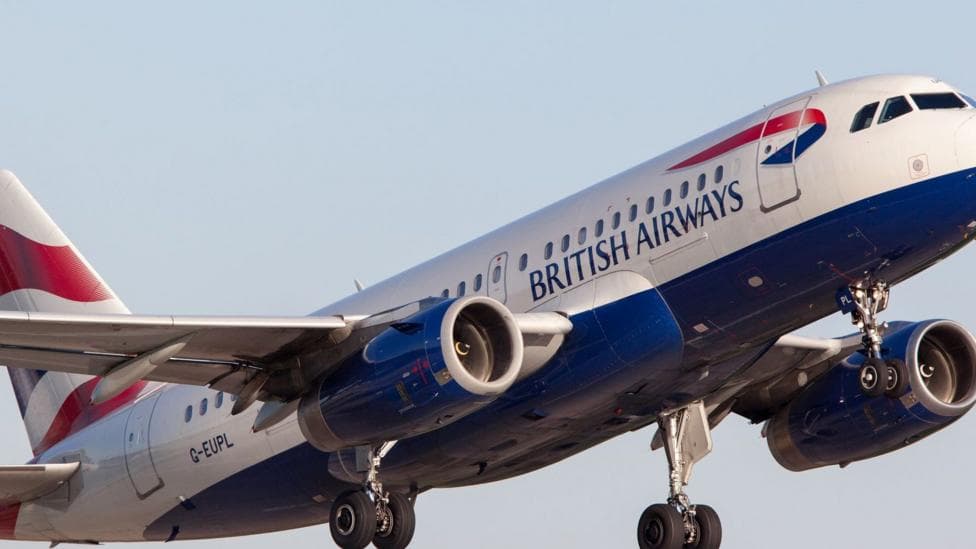
Thousands of travellers experienced severe disruption at London Stansted Airport and across the UK on 8 September 2026 after a technical fault crippled the nation's air traffic control system. An estimated 250,000 people had their journeys affected, with flight cancellations extending into the following day as aircraft, crews and passengers remained out of position.
The fault occurred in Nats's flight data processing system, according to reporting. Nats, the air traffic control provider, confirmed the issue had been resolved by 18:34 GMT on 8 September, though CNBC reported that more than 300 additional flights were cancelled on Wednesday as the cascading effects of the outage continued. Major airports including Stansted, Gatwick, Heathrow, Birmingham and Manchester were among those severely affected.
Nats chief executive Martin Rolfe apologised for the disruption, acknowledging that resolving the issue had taken
longer than hoped. The company stated that safety was not compromised during the incident.
What was the experience like for passengers trapped on aircraft?
Passengers endured hours of confinement with minimal information or refreshment. Katie Haines, 20, from Bury St Edmunds in Suffolk, was scheduled to depart for Greece at 12:55 BST but remained on the aircraft for six hours before the flight was eventually cancelled. She described the scene to a local broadcaster:
I've never seen anything like it, everybody just stood around. Nobody knowing where to go, what to do. Even the staff of most airlines didn't have a clue what to do.
The lack of communication proved particularly frustrating for those aboard.
There was literally no news from the airline on what was happening, [they] just kept saying every hour there's going to be increased delays, Haines explained. She noted that
Nobody had been offered sort of food, we just had a little glass of water each. Everybody was getting quite hungry, you had the elderly, you had children on there that were getting quite restless.
Haines eventually departed Stansted at approximately 22:00, more than nine hours after her scheduled departure time. Her mother, who has coeliac disease, an immune condition requiring a gluten-free diet, found it particularly difficult to locate suitable food and was forced to rely on supplies from her hand luggage.
How did airlines respond to the crisis?
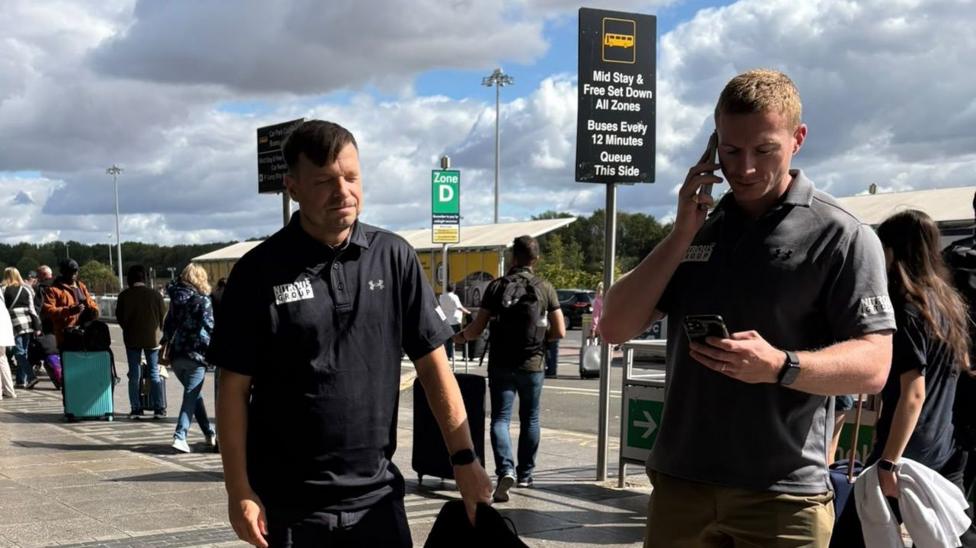
Responses from carriers varied, with some passengers reporting they were denied basic provisions. Steve, a recruitment consultant from Cambridge, was booked on a flight to Frankfurt departing at 12:40. His aircraft remained grounded next to the runway for more than four hours. When he and fellow passengers requested refreshment, he was told:
[We were given] no information the whole time, we asked for some food or drink and were told they weren't allowed to give us any water and that they had locked all the water away.
Steve expressed frustration at the lack of preparation:
The most infuriating thing is I appreciate that what's happened is out of Ryanair's hands but lack of preparation or contingency and just being able to offer us something as straightforward and reasonable as water seems a bit disappointing really.He eventually left the airport without his luggage due to the overwhelming number of passengers attempting to retrieve bags from a single carousel.
Jet2, which operated Haines's cancelled flight, issued an apology, stating:
We share their frustration.The airline confirmed that all affected customers would receive a full refund and noted that
Our teams are continuing to work tirelessly to communicate with and look after all customers affected by the disruption, which was ultimately out of our control.Ryanair did not respond to requests for comment.
What was the situation like at the airport terminal?
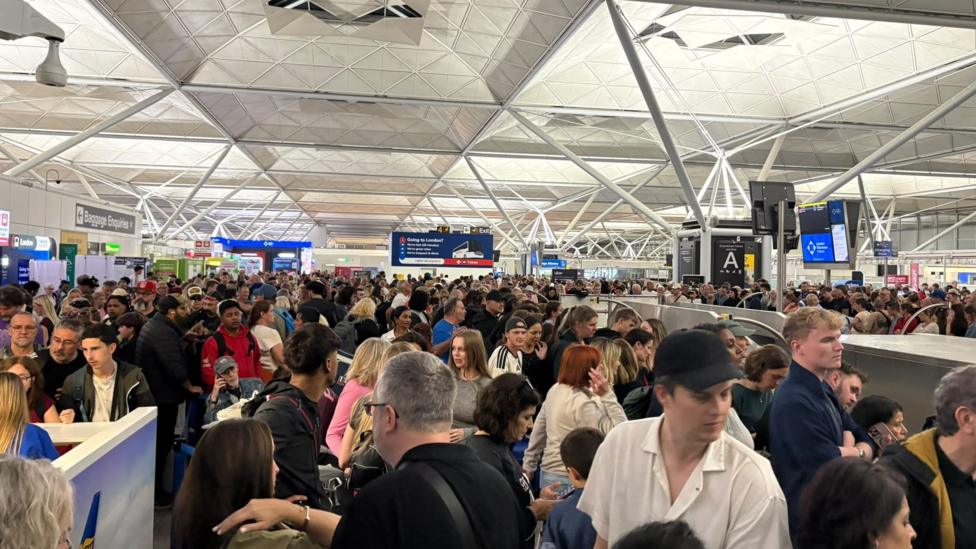
The disruption extended far beyond aircraft, with hundreds of stranded passengers creating chaotic scenes throughout the terminal. Daniel Turner, who works at a WH Smith outlet at Stansted, arrived for his shift at 04:00 on 9 September and encountered a scene of exhaustion and desperation.
They would have stayed in there all night so a lot of them were stressed, and those that weren't stressed were asleep, he recalled, describing customers sleeping on the concourse floor.
The influx of hungry travellers quickly depleted supplies. Turner explained:
Because everyone was entitled to delayed flight vouchers they bought all of our fresh stock of sandwiches and meal deals, so I've come in this morning, opened up my store and all the sandwiches were gone.He added that
They were just glad to be able to get some food because a lot of the places were shut overnight and at four o'clock everything starts to reopen again.

How did the disruption affect passengers at other airports?
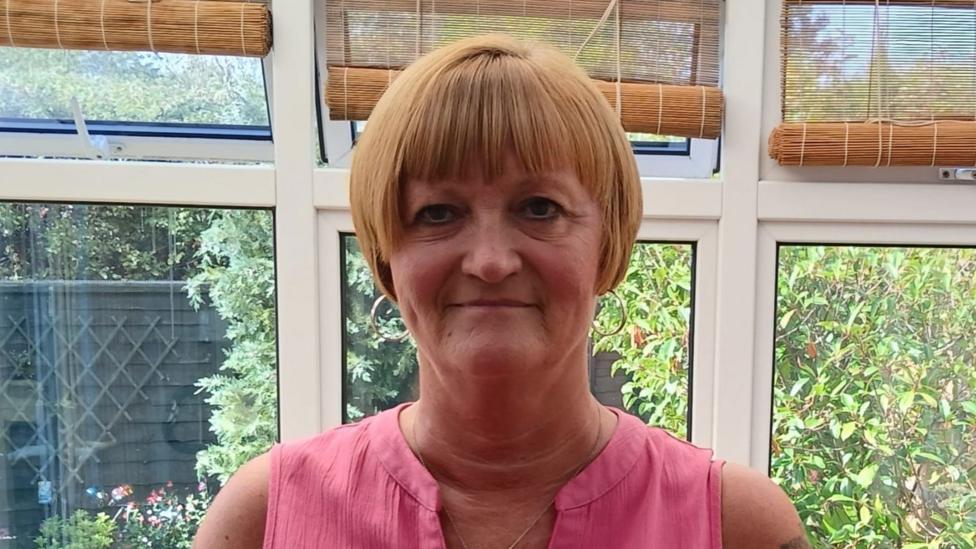
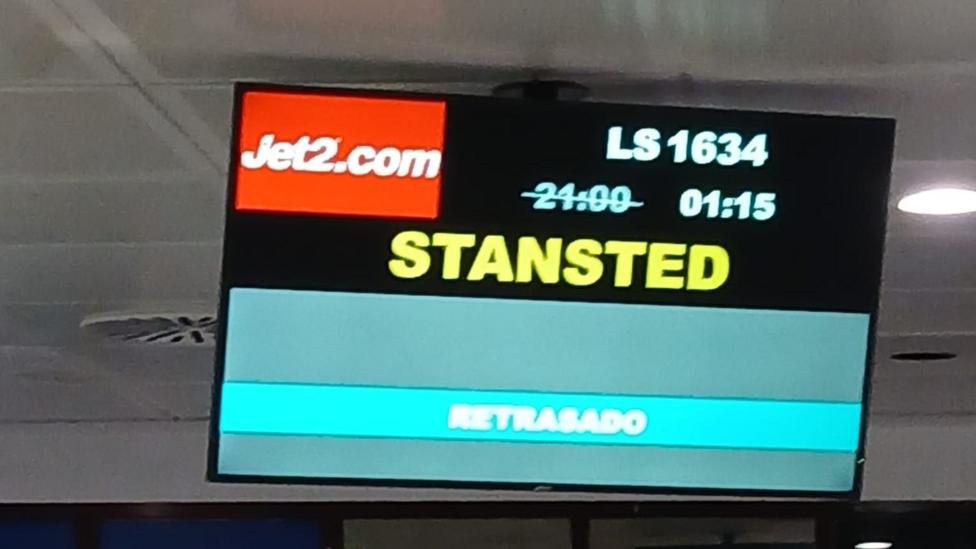
The technical failure created a ripple effect across the UK's aviation network. Cheryl Mullender, 58, from Great Baddow near Chelmsford, was due to depart from Palma Airport at 21:00 on 8 September but did not take off until 01:30. She had arrived a couple of hours early and witnessed the mounting crisis unfold on departure boards.
All these flights were coming up with either delayed or cancelled and our one was delayed at that time by about two hours, she said.
It hadn't even left Stansted at that time. So that's when the panic started.
Like other passengers, Mullender was not offered water while waiting at the terminal. Her flight from Palma to Stansted eventually departed in the early hours of the morning, representing a delay of more than four hours.
Why did the disruption continue into Wednesday?
Although Nats restored normal operations on 8 September, the consequences of the outage persisted. According to CNBC, aircraft, crews and passengers were left out of position, with staff reaching shift limits, preventing a rapid return to normal scheduling. This cascading effect meant that Wednesday saw hundreds of additional cancellations as the system worked through the backlog.
What happens next?
Nats indicated that it would conduct a full investigation into the technical fault that caused the disruption. Martin Rolfe confirmed that an inquiry would be undertaken to establish how the failure occurred and what measures could prevent similar incidents in future.
This incident marks a significant disruption to UK aviation and raises questions about the resilience of critical air traffic control infrastructure. The scale of the disruption—affecting an estimated 250,000 passengers across multiple days—underscores the vulnerability of the system to technical failures and the cascading impact such failures have on the travelling public.