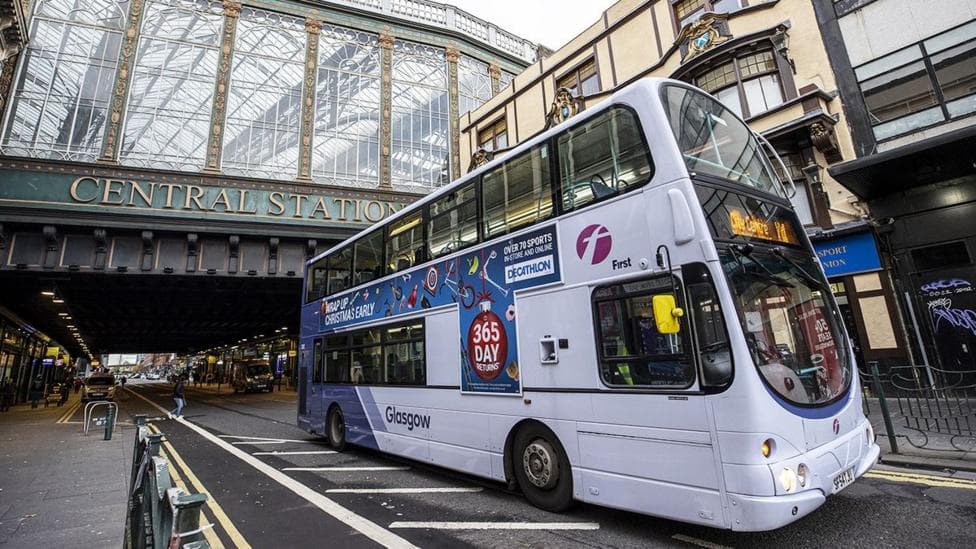
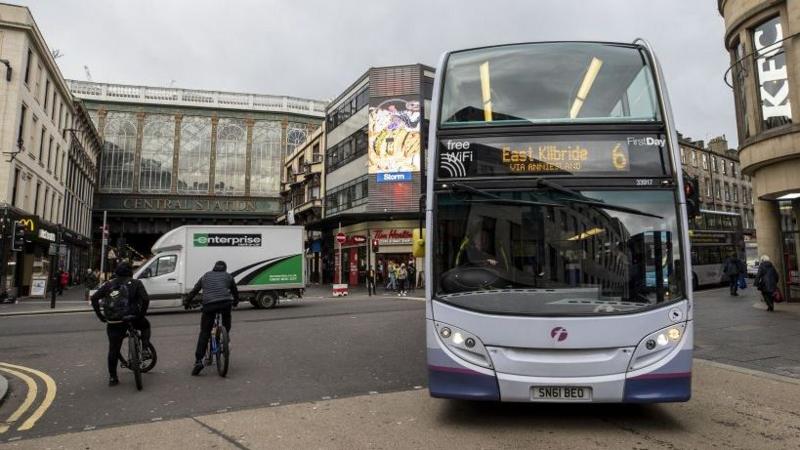
Scotland's £2 cap on bus fares has begun operating across the west of the country, marking an expansion of a pilot scheme that has been tested in remote areas for the past year. The policy, announced by First Minister John Swinney as part of his programme for government, took effect on Monday 7 September across 12 local authority areas in the Strathclyde region, including Glasgow, Renfrewshire, Ayrshire, Dunbartonshire, Lanarkshire and Inverclyde. However, transport campaigners and some bus operators have raised concerns that the fare cap alone does not address broader challenges facing Scotland's bus network.
Which areas are covered?
The scheme now operates across Argyll and Bute, East Ayrshire, East Dunbartonshire, East Renfrewshire, Glasgow City, Inverclyde, North Ayrshire, North Lanarkshire, Renfrewshire, South Ayrshire, South Lanarkshire and West Dunbartonshire. Twenty-five bus operators are currently participating in the Strathclyde scheme, with additional companies expected to join in the coming weeks. The Scottish government has invested £10m in the pilot, which was previously tested in the Highlands, Western Isles, Orkney, Shetland, Moray and Argyll and Bute.
How does the reimbursement work?
Participating bus operators will be reimbursed by Transport Scotland for offering the capped fares. According to Transport Scotland's freedom of information publication, operators receive between 90% and 98% of the difference between their usual single fare and the £2 cap. The scheme notes that premium services are excluded from the cap, separate fares apply when changing buses, and journeys crossing both Strathclyde and Highlands and Islands areas can be capped at no more than £4.
What are the concerns about cross-boundary journeys?
Just days before the scheme launched, electric bus company Ember raised concerns about how the cap functions for journeys that cross regional boundaries. The company called the £2 cap
a good sloganbut said the Scottish government could do more to support routes across Scotland. For journeys entirely within a capped area, such as Glasgow to Cumbernauld, the whole fare is capped at £2. However, for trips beginning or ending outside the scheme, such as Glasgow to Dundee, passengers must pay £2 for the portion within a capped area and the normal fare for the section outside it.
An Ember spokesperson said:
In essence, we are strongly supportive of the goals of the scheme and of the underpinning principles of better bus travel. Our concern is around the mechanism proposed to achieve this.
First Bus, one of the larger operators serving Glasgow, Dumbarton, Kirkintilloch and Lanarkshire, said it would continue to work with the government to ensure the cap was a success.
Are operators ready for the launch?
Paul White, director at Confederation of Passenger Transport Scotland, told a national broadcaster that most operators were prepared for the Monday start.
Our larger members are prepared to go live on Monday morning but CPT doesn't represent every single bus operator in the Strathclyde area.He noted that operators had to update ticket machines and establish back office administration to process reimbursements.
We had to understand the scope of the scheme, how reimbursement would work, how operators will be paid for carrying these services and meeting the gov's commitment,he said.

White also highlighted potential operational challenges.
There are potential unintended consequences such as the number of additional passengers being greater than the current network can cope with. Dwell times is another - more passengers boarding the bus and telling the driver where they are going - that can increase boarding times that will increase journey times for other passengers.He cautioned that operators must ensure the scheme does not harm the broader bus network.
What do comparable schemes show?
According to CPT Scotland, a similar £2 cap in England resulted in a 5% rise in bus use. Transport Scotland's pilot documentation indicates that the phased rollout model will continue, with operator participation remaining voluntary under grant offer terms. White described the £2 fare cap as
an eye-catching initiative that should help attract passengers and help existing passengers manage the cost of living.
What are campaigners saying?
Transport campaigner Ellie Harrison welcomed the scheme as a start but argued it represents only a partial solution to Scotland's bus challenges.
The fare cap is only going to address half the problem with the deregulation of bus services,she said.
It is going to do nothing to improve the quality of services.
Harrison pointed to broader issues the cap does not address.
It's going to do nothing to put on new routes to communities who have been cut off by private bus companies cancelling services over the past few decades. And it is going to do nothing to integrate our bus network with the other transport modes - the subway, train and active travel.She argued that lasting improvements require supporting Strathclyde Partnership for Transport to bring the bus network into public control.
White echoed this view, stating that
a fares-only approach to bus support is inadequate. We really need steps to make buses more reliable, free them from congestion and we need a multi-year commitment to funding bus priority to go alongside schemes such as the £2 fare cap.
What is the government's position?
Swinney said bus travel was the most widely used form of public transport in Scotland and the government was working to make it
as affordable, accessible and attractive as possible.He added:
This is vital to grow the economy, travel sustainably and protect the planet.
Transport Scotland said it had engaged closely with bus operators and that participation in the scheme was voluntary. A spokesperson stated:
The cost of living remains one of the biggest challenges facing households across Scotland, which is why making public transport more affordable through the £2 bus fare cap is such an important priority for the Scottish government.
What happens next?
Swinney has committed to extending the £2 cap across the whole of Scotland by the end of the parliamentary term, though he has not specified a timeline. The scheme will continue to expand through the phased pilot model, with participation by operators remaining voluntary under grant offer terms.
Key Facts
- The £2 cap now covers 12 local authority areas in Strathclyde, with 25 bus operators participating and more expected to join
- Operators receive between 90% and 98% reimbursement of the fare difference from Transport Scotland
- Journeys crossing regional boundaries may require passengers to pay both the £2 cap and standard fares for portions outside capped areas
- A comparable £2 scheme in England resulted in a 5% increase in bus usage
- The Scottish government plans to extend the cap nationwide by the end of the parliamentary term