A technical malfunction at the UK's air traffic control provider Nats triggered the third major disruption to the aviation system in just over three years on Tuesday, 8 September 2026. More than 1,000 flights were cancelled and hundreds of thousands of passengers experienced delays or cancellations as the fault immobilised departures across Britain's busiest airports for several hours.
The incident began at approximately 1pm when Nats identified a technical issue affecting its flight processing system. According to reports on the disruption, Heathrow halted all departures at 12:48 BST. The fault was later identified as affecting the Flight Plan Reception Suite Automated – Replacement (FPRSA-R) subsystem. Nats announced at 1.46pm that it was investigating the issue, and at 4.40pm confirmed it had implemented a fix, nearly four hours after the initial disruption began.
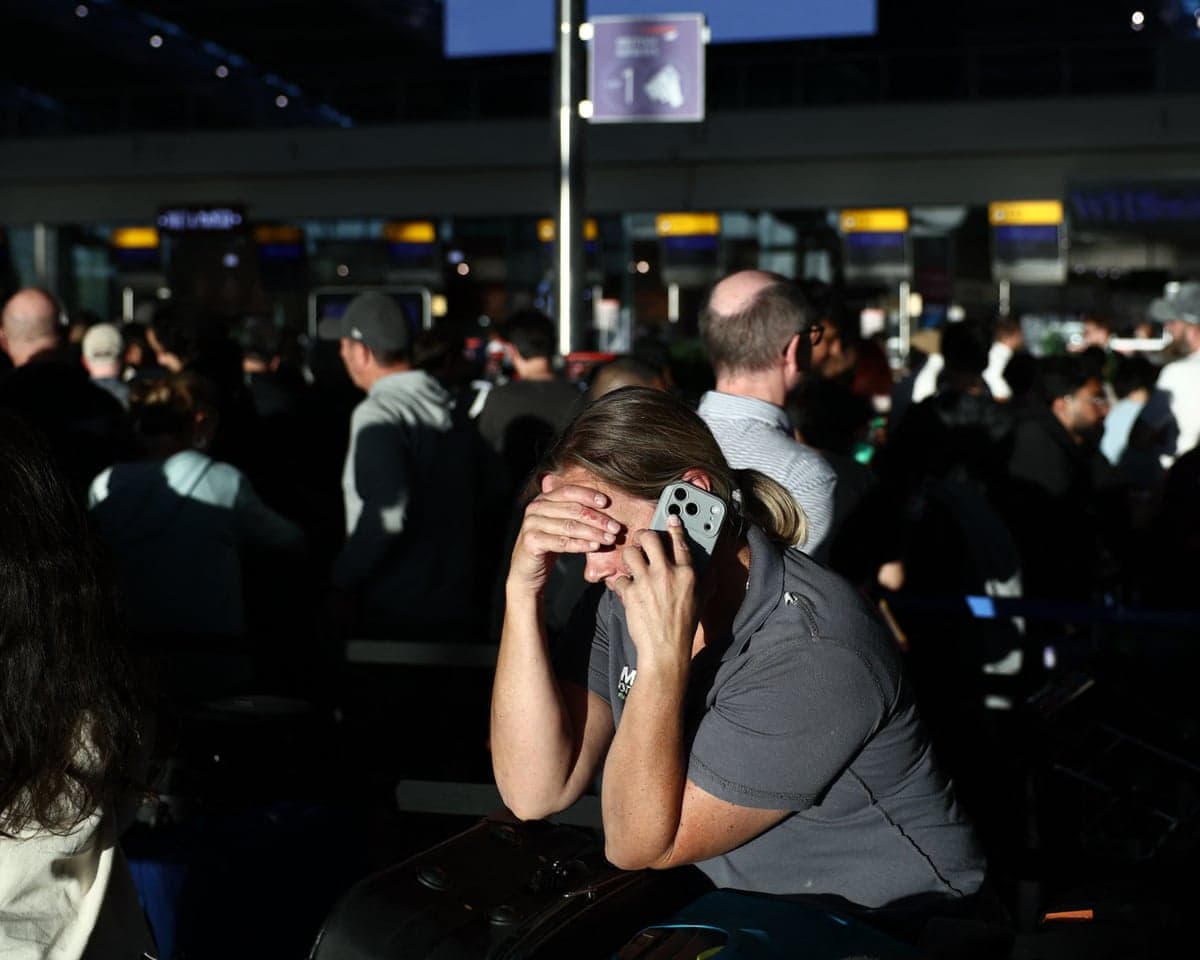
By 8pm, flight monitoring website Flightradar24 recorded more than 1,000 cancellations across UK airports. The disruption spread beyond departures to include incoming flights to much of southern England, with knock-on effects reaching airports across Europe. Ryanair reported that more than 65,000 of its passengers were delayed and 50 of its flights cancelled. According to one account of the incident, approximately 425 flights were cancelled across the UK during the day.
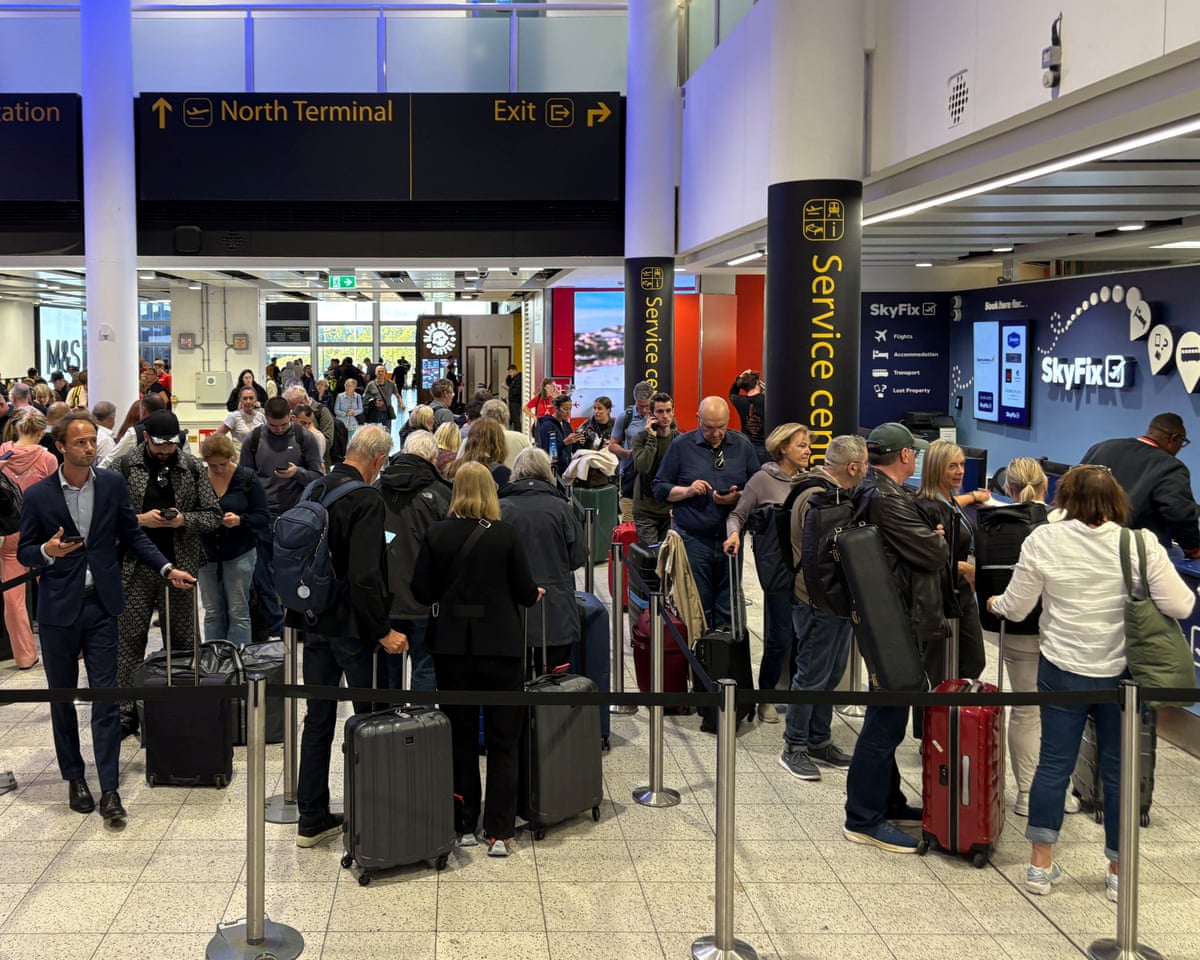
All London airports, Manchester, and Birmingham experienced the most severe disruption, though flights to and from Edinburgh, Belfast, and other UK airports were also affected. By 5pm, easyJet had 137 flights cancelled, British Airways 111, KLM 26, Eurowings 22, and Ryanair 21. Airlines announced that disruption would continue through Wednesday, with passengers offered free rebooking until Friday. Heathrow suspended arrivals for the remainder of the night, though departures resumed with ongoing disruptions.
What caused the outage?
Nats stated that the fault was distinct from the technical problems that caused previous large-scale stoppages in 2023 and 2025. The company emphasised that there was no indication the problem was linked to cyber threats. A Nats spokesperson said the system was only beginning to recover and that the organisation was working closely with airlines and airports on recovery efforts.
Martin Rolfe, chief executive of Nats, expressed sympathy for those affected and acknowledged the company's responsibility.
We absolutely take responsibility for this. We never want this sort of thing to happen. I completely understand how frustrating it is for passengers.He characterised such incidents as relatively rare and stated that Nats had resolved the fault to restore normal system operations.
We're working very closely now with airlines and airports to try to work through the night to make sure that we can get as many people travelling as possible.
Nats later confirmed that the outage was resolved and the system returned to normal the same evening, though the backlog of delayed flights continued to affect operations.
How severe was the disruption compared to previous incidents?
This outage appears less severe than the full-scale failure that prompted a parliamentary inquiry, though it represents the third significant incident attributed to Nats systems in approximately three years. The company had previously experienced a major IT failure on 28 August 2023, which led to widespread disruption and a subsequent investigation. A radar-related incident in 2025 required traffic reduction around London while backup systems were activated.
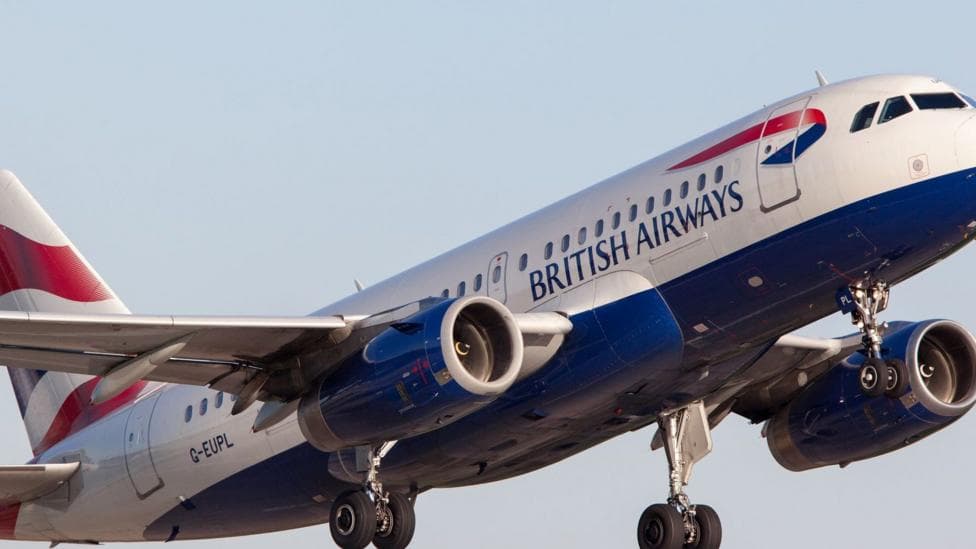
British Airways stated that the severity of Tuesday's issue would create significant knock-on impacts.
We were forced to cancel or divert more than 100 flights on Tuesday afternoon, inconveniencing tens of thousands of customers. This incident was entirely out of our control and incredibly frustrating for our customers and colleagues, with aircraft and crews ending up out of place.
What are airlines demanding?
Airlines have renewed calls for a comprehensive overhaul of Nats and its leadership following the third major incident in as many years. Ryanair repeated its demand for Rolfe to resign, with chief operating officer Neal McMahon stating:
Families travelling on holiday, people travelling for work and thousands of visitors to the UK have once again paid the price for Nats' abhorrent failure.McMahon urged the government to
stop making excuses for repeated Nats failures and appoint a new leader capable of running the UK ATC system.
Wizz Air declared that
a critical national infrastructure provider should not repeatedly bring the aviation system to a standstill. Nats is simply not fit for purpose in its current form.
What has the government said?
Transport Secretary Heidi Alexander acknowledged the technical issue affecting Heathrow, Gatwick, and other major airports.
Technicians have identified the issue and are fixing it as we speak. I know this will be frustrating for passengers and I'm sorry. I am seeking assurances that lessons will be learned and systems that support aviation are up to the job.
What are passenger rights in this situation?
UK passengers affected by flight cancellations and delays have specific legal protections. Compensation entitlements may depend on whether extraordinary circumstances apply to the disruption. Passengers experiencing delays of five hours or more are entitled to seek refunds from their airline. Airlines must provide assistance including meals, accommodation where necessary, and communication facilities during extended delays. Free rebooking on alternative flights is a standard requirement, and several airlines, including those most affected on Tuesday, offered rebooking options through Friday.
What happens next?
Nats was expected to continue clearing the substantial backlog of delayed flights following the system fix, with disruption anticipated to persist through Wednesday and potentially into the evening. The company indicated it would work overnight with airlines and airports to restore normal operations and minimise further passenger impact. Airlines including Loganair published live cancellation notices to keep affected passengers informed of their flight status.
The incident will likely intensify scrutiny of Nats' infrastructure and operational resilience, particularly given the pattern of three major disruptions within a relatively short timeframe. The government's commitment to ensuring systems are fit for purpose suggests potential regulatory or operational reviews may follow.
Key Facts:
- More than 1,000 flights were cancelled on 8 September 2026 due to a Nats flight processing system fault
- The disruption lasted approximately four hours from initial detection at 1pm until a fix was implemented at 4.40pm
- The incident represents the third major Nats-related disruption in just over three years, following failures in August 2023 and 2025
- Ryanair reported 65,000 delayed passengers and 50 cancelled flights; British Airways cancelled or diverted more than 100 flights
- Passengers with delays of five hours or more are entitled to refunds, and airlines offered free rebooking through Friday