Travellers across the UK have shared their most cherished holiday destinations, revealing a collection of lesser-known gems that rival more celebrated European locations. From golden-sand beaches and dramatic coastlines to remote islands and peaceful moorland, these recommendations showcase the diversity of British breaks that often escape mainstream attention.
Dorset's Mediterranean-style coastal haven
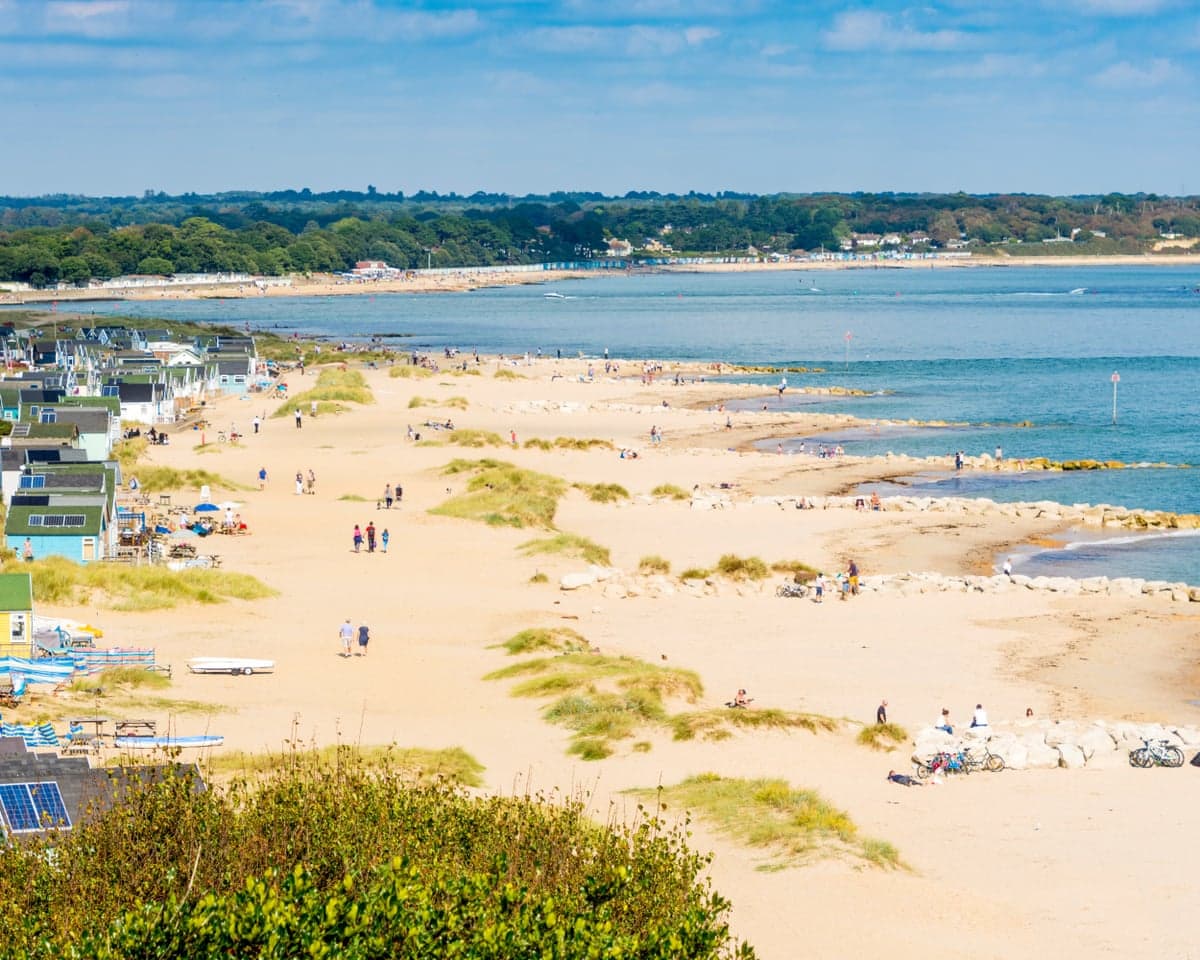
Mudeford stands out as one of England's most overlooked seaside destinations, offering golden sand and crystalline waters that evoke Mediterranean charm without leaving the country. The adjacent Hengistbury Head provides scenic coastal walks and expansive vistas across the water. A typical visit involves arriving early to explore the headland, allowing children to play freely on the beach, and finishing with refreshments at one of the area's relaxed waterfront establishments. The harbour crossing by boat transforms an already pleasant day into a genuine seaside experience. Mudeford Quay has recently hosted cultural events, with a two-day arts festival in late July 2026 featuring live entertainment and craft stalls, adding to its appeal as a destination for families and culture enthusiasts alike.
Lancashire's vast moorland and valley wilderness
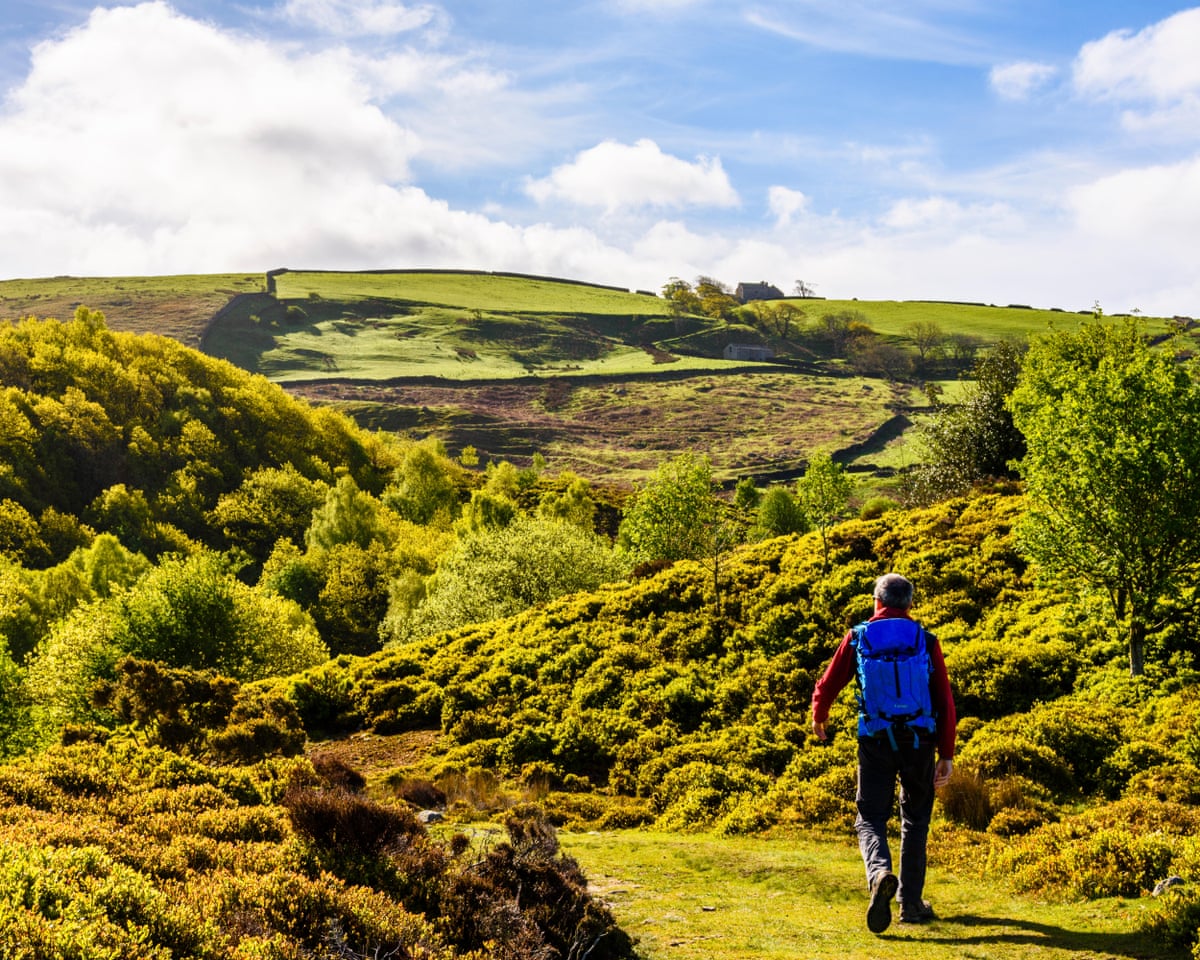
The Forest of Bowland encompasses 312 square miles of moorland, woodland and valleys interspersed with small settlements, making it among England's finest locations for solitude and natural beauty. The area holds designation as an Area of Outstanding Natural Beauty and attracts walkers and cyclists seeking undisturbed landscapes. Visitors to the region encounter remote moorland where solitary hikers may encounter few others during extended walks, charming villages that draw outdoor enthusiasts keen to climb nearby peaks, and dramatic scenery accessible via the Trough of Bowland pass. For urban amenities, Skipton lies 35 minutes away by car, offering a castle, canal-side walks and diverse dining and shopping options, while also serving as the southern entrance to the Yorkshire Dales.
Suffolk's creek-side village and ferry crossing
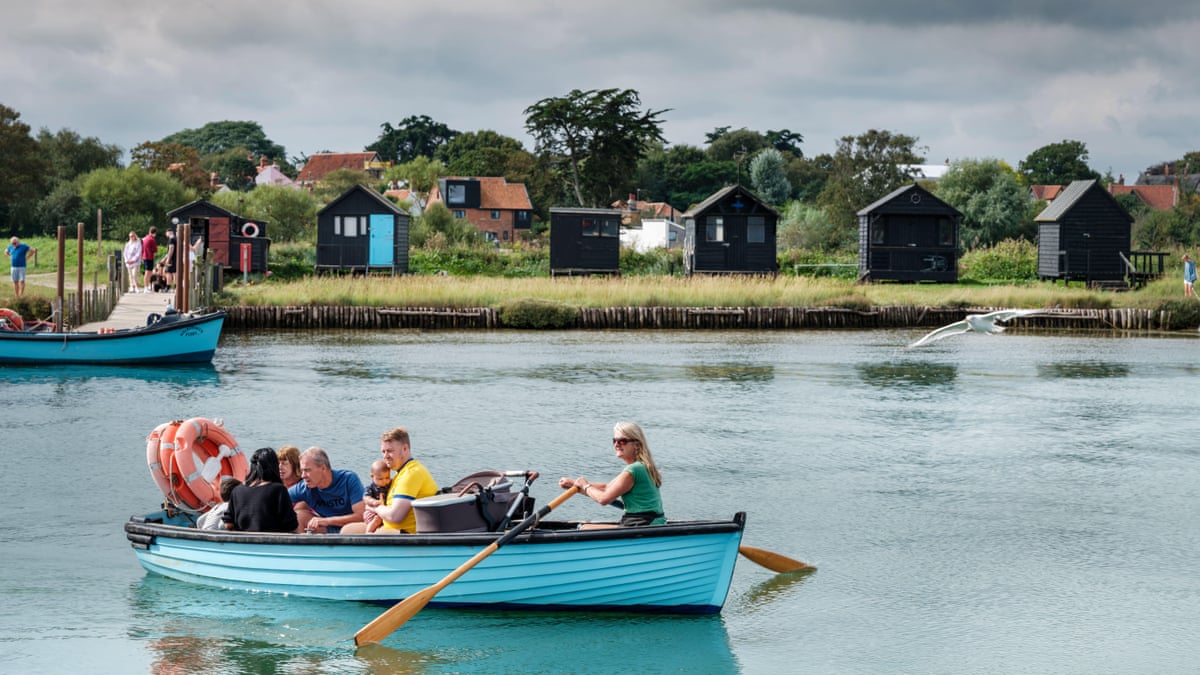
Walberswick attracts walkers, birdwatchers and families drawn to its unspoilt beach and tidal creek where children can catch crabs. The village is most memorably reached via a traditional rowing-boat ferry operating across the River Blyth, a family-run service now in its fifth generation of operation. According to the ferry operator's 2026 schedule, daily sailings run from 30 March to 1 November, with weekend-only service from 2 November onwards. The crossing itself, which accommodates up to 12 passengers and operates on a cash-only basis at £2.50 per adult crossing, has become an attraction in its own right. The village offers heritage pubs serving excellent seafood, while the opposite bank at Southwold provides renowned fish shops and other culinary attractions.
Devon's remote island treasure hunt
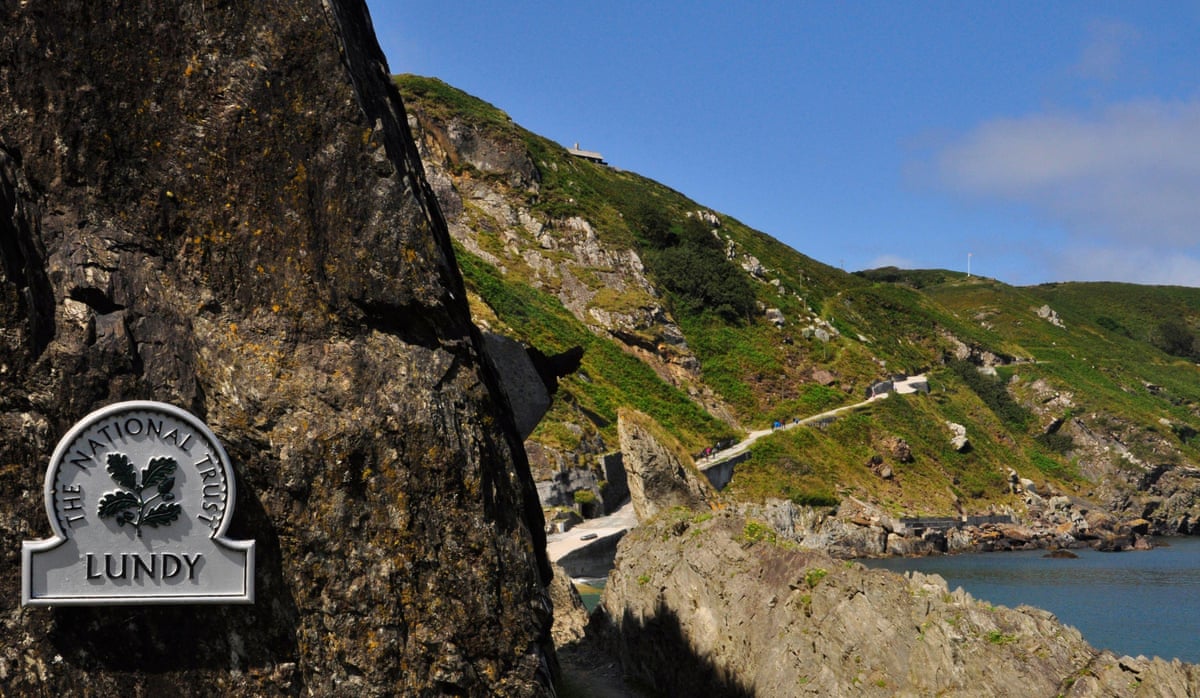
Lundy, a granite island lying off the north Devon coast, offers families an immersive adventure centred on discovering hidden letterboxes scattered across its landscape. The island's treasure trail comprises 27 letterboxes of varying construction spread throughout the terrain, each accompanied by clues and collectible stamps, including the sought-after Lundy Bunny stamp. Visitors navigate the remote landscape armed with binoculars and compasses, combining the letterbox hunt with birdwatching and wildlife observation. The experience appeals particularly to families with younger children, transforming a day trip into an extended exploration of the island's natural environment and hidden corners.
County Antrim's celebrated coastal railway
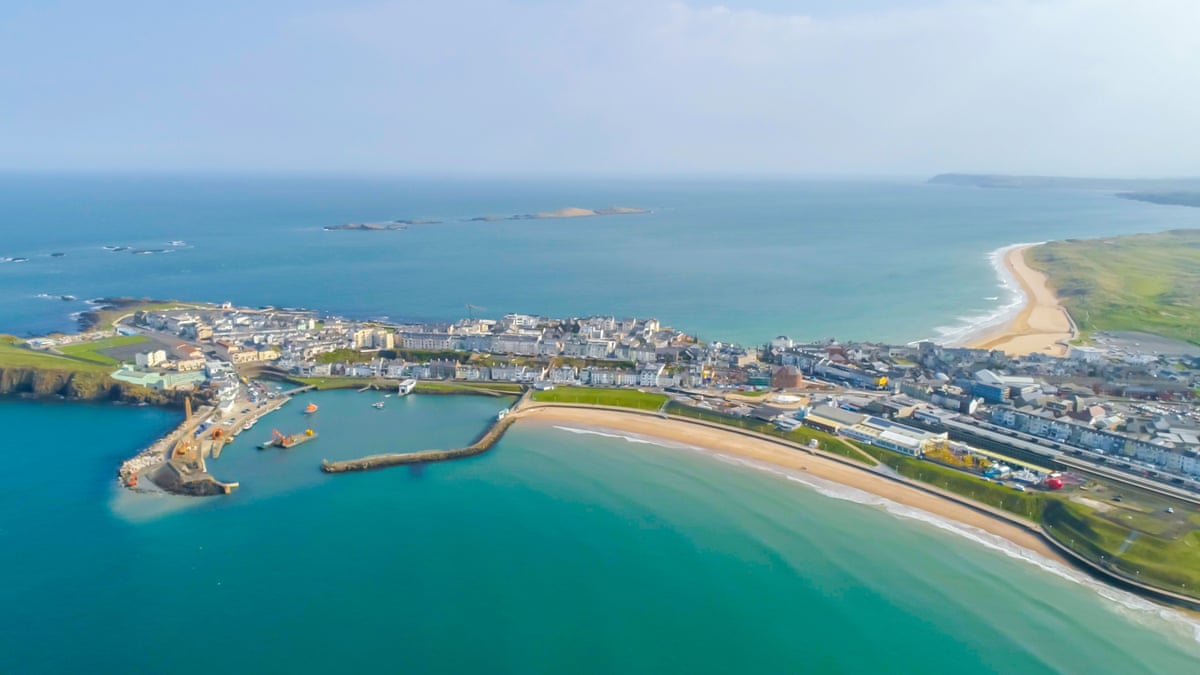
The train journey from Coleraine to Portrush along the County Antrim coastline ranks among the most memorable British rail experiences, hugging the shoreline throughout its route. Childhood trips from Derry to Portrush created lasting impressions, with the train journey itself becoming the highlight as passengers watched the coast unfold and spotted landmarks such as the big dipper of Barry's Amusements appearing on the horizon. A typical day involved morning beach time, fish and chips for lunch, and afternoon entertainment at the amusement park before the return journey. The contrast between the atmosphere of the coastal town and the traveller's home city made the journey feel like crossing into a different world entirely.

Shropshire's hilltop retreat and medieval town
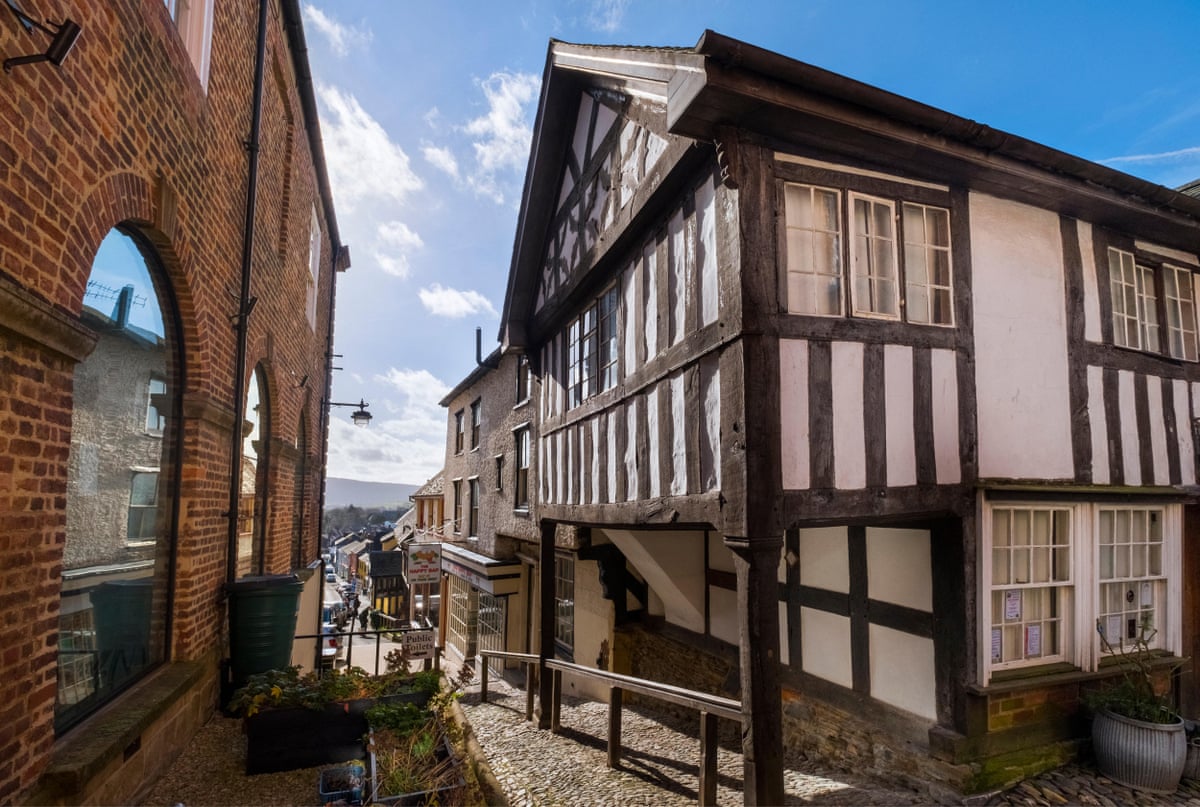
Bishop's Castle, a west Shropshire town stretched along a medieval high street, sits beneath rolling hills offering panoramic views across the surrounding landscape. A ten-minute walk through fields leads visitors past a stone Buddha into the town centre, where historical attractions and independent establishments reflect rural Shropshire character. The House on Crutches museum provides insight into local history, while two notable pubs serve the community—one operating as Britain's oldest licensed brewery since 1642, the other offering family-friendly hospitality. A standout attraction is a locally-run Indian café serving homemade snacks including bhajis and dal alongside traditional Indian sweets, run by an owner whose warmth and culinary skill have made it a memorable stop for visitors.
South Wales camping and mountain exploration
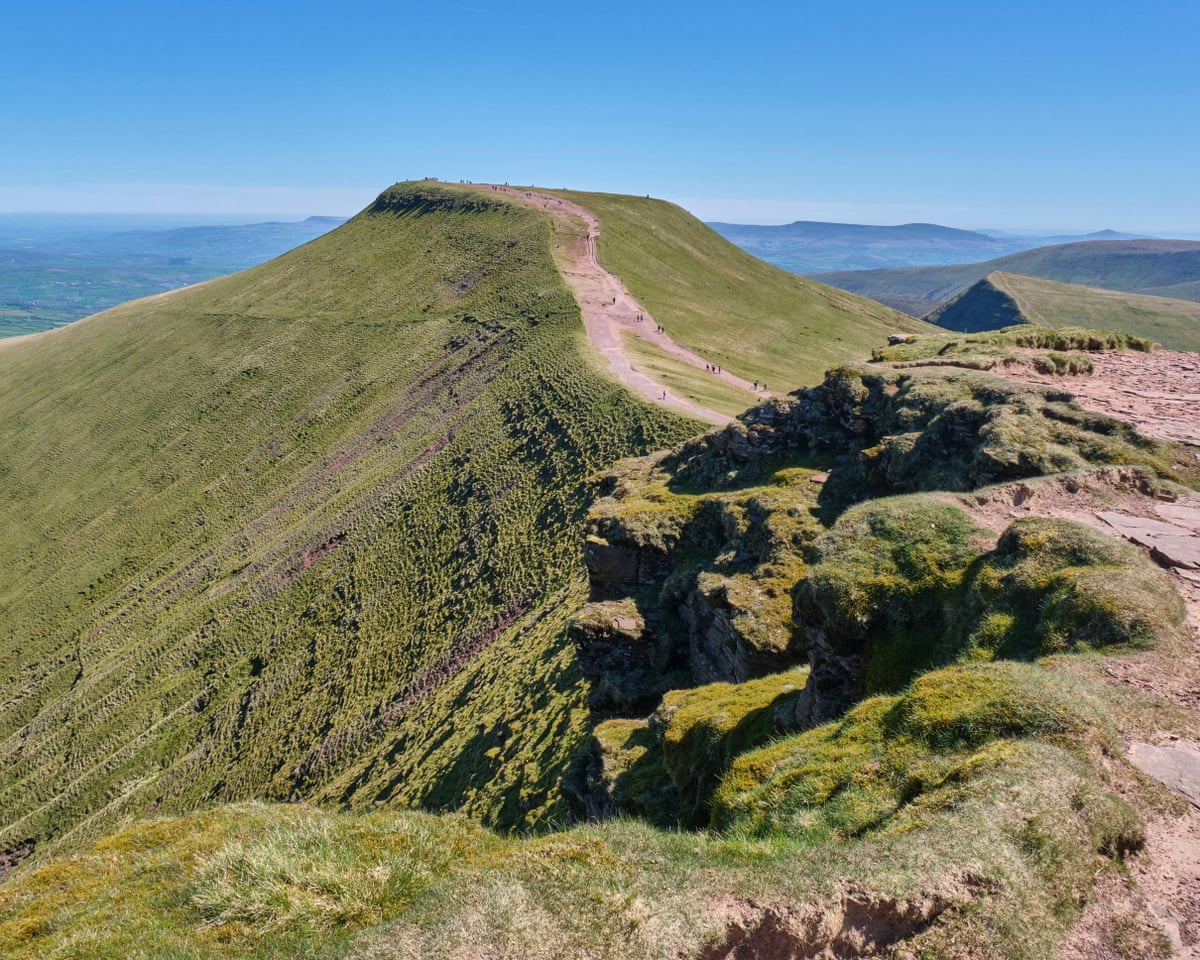
A family camping experience near Brecon in south Wales introduced novice campers to the region's natural attractions and outdoor lifestyle. The campsite allowed visitors to interact with friendly goats while enjoying starlit evenings unmarred by light pollution, creating an intimate connection with the night sky. Daytime activities centred on hiking Pen y Fan, the highest peak in Britain south of Cadair Idris in Eryri (Snowdonia), with a cool stream nearby providing relief after exertion. The combination of accessible outdoor activities, welcoming atmosphere and dramatic scenery converted first-time visitors into repeat travellers who return regularly to explore further.
Northumberland's atmospheric border settlement
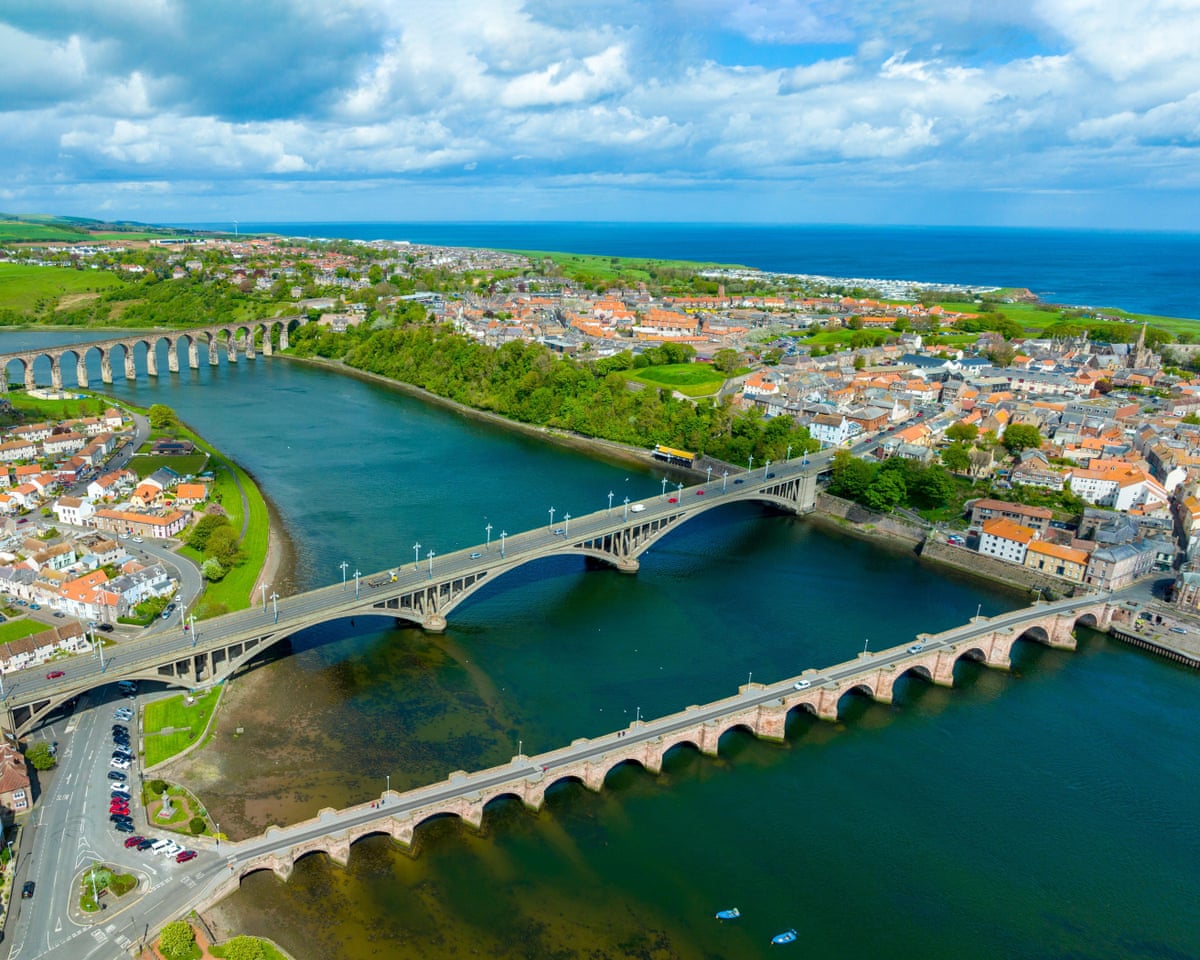
Berwick-upon-Tweed possesses a dramatic character that exceeds what its modest size might suggest, with its position as a border town permeating the atmosphere throughout. The town's defining feature is the convergence of three bridges spanning the River Tweed: the historic Berwick Bridge, the elegant Royal Tweed Bridge and the imposing Victorian railway viaduct of the Royal Border Bridge, all visible from a single vantage point. The combination of castle ruins, coastal access and the river itself creates a sense of perpetual transition between nations, historical periods and landscape types. The town serves as an ideal base for a short break centred on atmospheric exploration and photography.
The Wirral's historic parkland and coastal walks
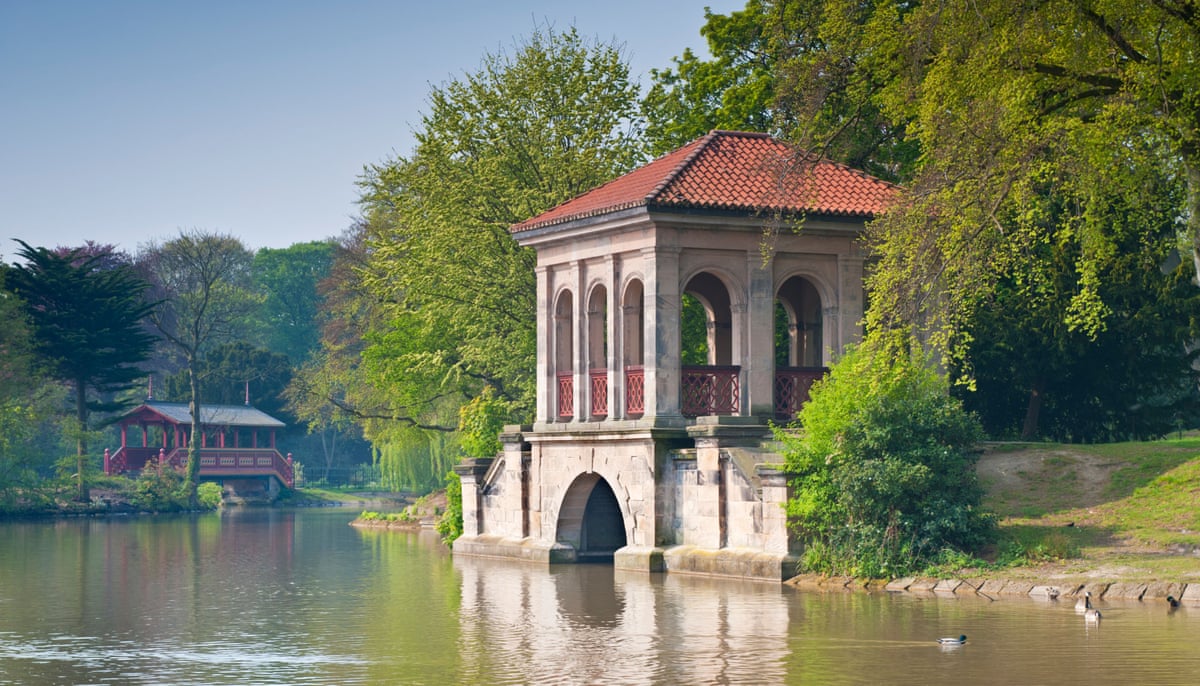
Birkenhead Park and the surrounding Wirral countryside south-west of Liverpool offer an underrated destination for summer holidays combining walks, beaches and family activities. The park spans 57 hectares of meadows, fields, gardens, woodland, lakes and structures, providing settings for picnics and family treasure hunts. Opened in 1847, the park influenced the design of New York's Central Park, created by 19th-century American landscape architect Frederick Law Olmsted, making it a historically significant green space. Designated as Grade I landscape by English Heritage since 1995, the park features paths suitable for walking, fossil-hunting areas, cycling trails and dramatic sunset views. Nearby Thurstaston beach and Port Sunlight village provide additional attractions for families seeking varied activities.
The Isle of Mull's Caribbean-style bay
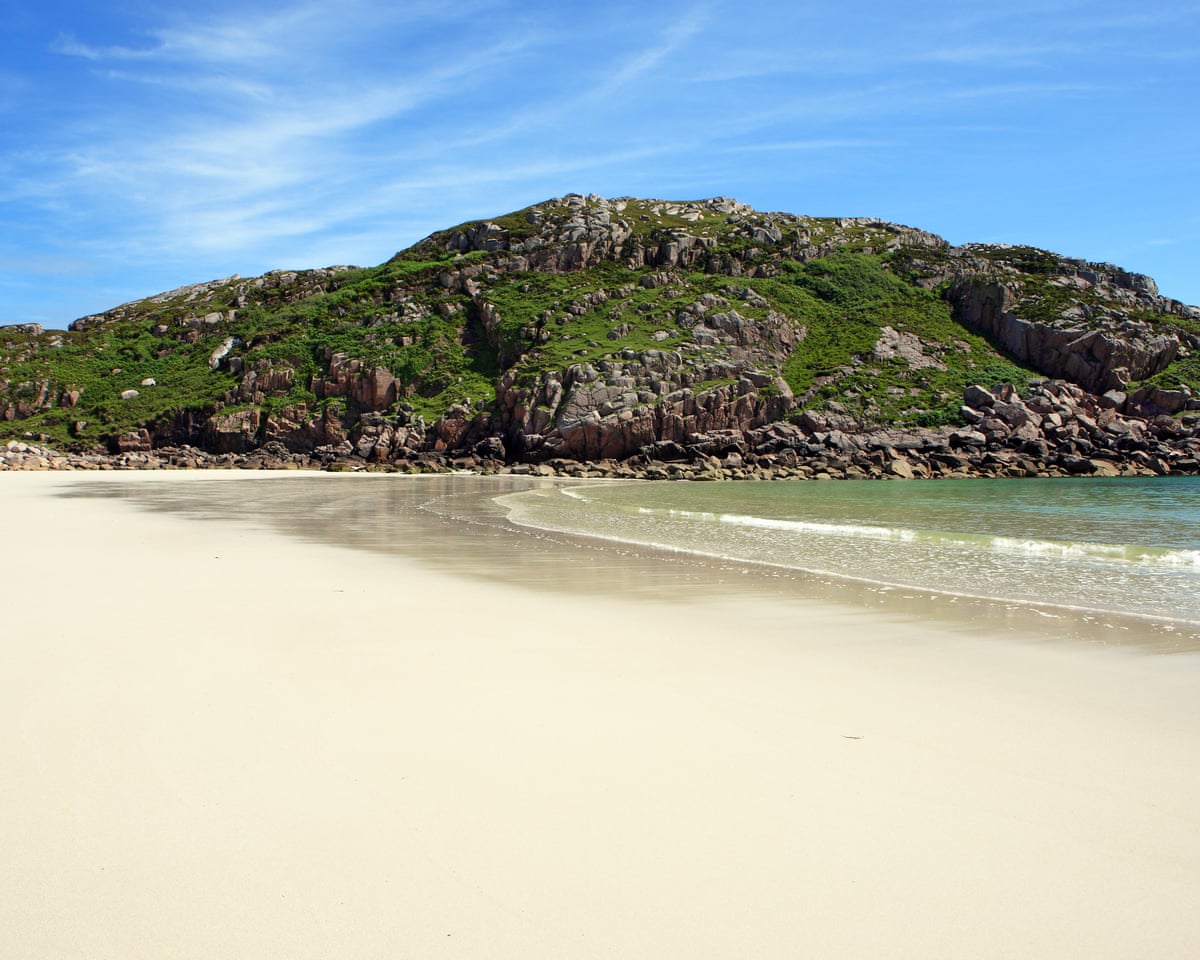
David Balfour's Bay on the tidal island of Erraid, situated off south-west Mull in the Inner Hebrides, represents the ultimate hidden British seaside destination. The remote bay features pristine white sand and turquoise waters set against dramatic scenery, creating an environment that, on clear days with bright sunshine illuminating the crystalline water, evokes Caribbean landscapes. The sea temperature reaches a pleasant 18 degrees Celsius during August and September, making swimming feasible during the warmer months. Access involves walking from nearby Knockvologan beach at low tide, with the option to extend exploration to the north side of Erraid for views across the Sound of Iona. Visitors must remain mindful of tidal movements to avoid becoming stranded, though a swim back to shore, while invigorating, serves as an unplanned adventure.
What readers are seeking in UK holidays
These recommendations reflect a broader trend among British travellers prioritising authentic experiences, natural beauty and lesser-known destinations over mainstream tourist attractions. Many submissions emphasise family-friendly activities, coastal or countryside settings, and the discovery of places that feel removed from everyday life. The variety of recommendations—from remote islands to moorland expanses, from heritage towns to contemporary cultural venues—demonstrates that Britain's most memorable holidays often lie beyond the most publicised destinations.