Across the European highlands, a network of beautifully positioned mountain huts offers shelter and camaraderie to walkers and climbers. These refuges—ranging from converted military installations to eccentric repurposed vessels—combine isolation with hospitality, delivering both sanctuary and unexpected character to those willing to trek beyond the roadhead.
What makes a great mountain hut?
The finest mountain refuges share certain qualities: they are small, accessible only on foot after genuine effort, and positioned to serve as genuine boltholes when conditions turn hostile. Historical intrigue, friendly custodians, and views that justify the journey are the hallmarks of places worth visiting. The best huts also foster a particular kind of conviviality—the warmth of a fire and shared meals when the world outside is unwelcoming.
Cabaña Verónica, Spain: A battleship on a mountain
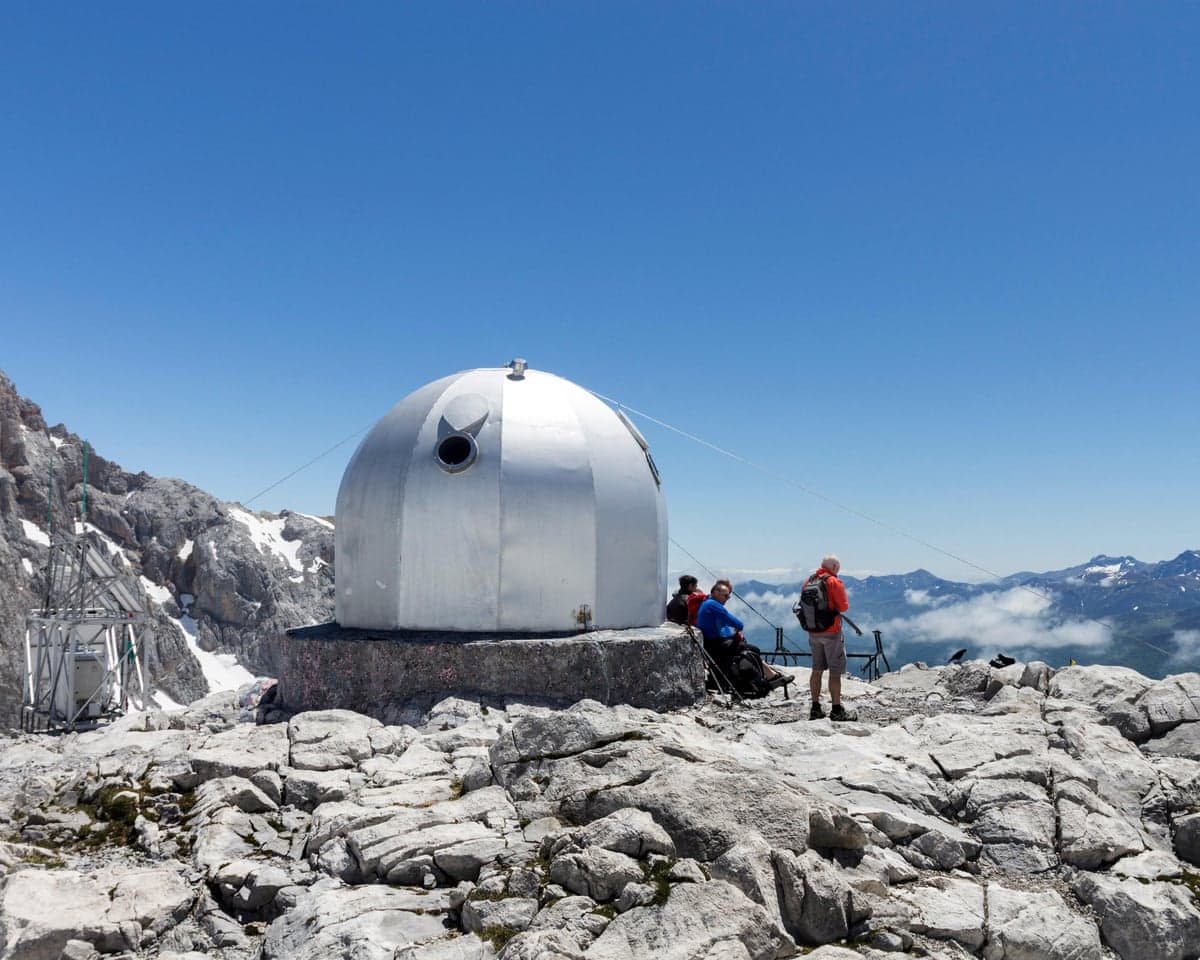
Perched at 2,325 metres in the Picos de Europa, this refuge demands a two-hour trek from the nearest cable car station. The structure itself tells an extraordinary story: it was once a gun turret from a US Navy battleship scrapped in Bilbao in 1960. An enterprising engineer, Conrado Senties, had it transported up the mountain on horseback and reassembled on an isolated rocky outcrop. The hut sleeps six guests and is maintained by a friendly custodian who keeps the place in excellent order.
Current listings indicate that Cabaña Verónica operates from Easter to October and provides food, drinks, an emergency radio, and a weather station. The hut is part of the Three Massifs and Extrem trekking routes through the Central Massif of Picos de Europa. Due to its remote location and popularity, advance booking is strongly recommended, as the refuge is highly sought-after and fills months ahead. Rates begin at €15 per night.
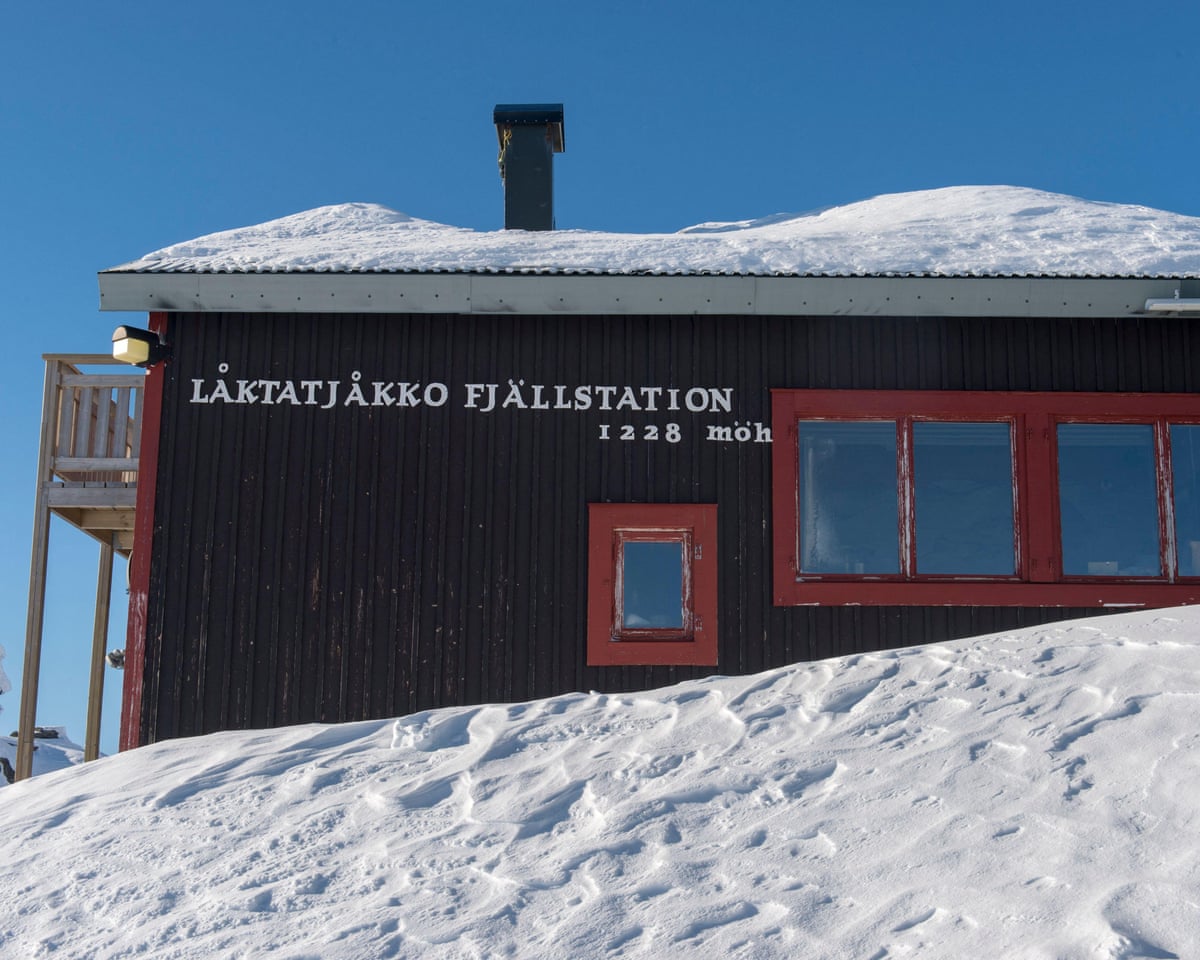
Låktatjåkko, Sweden: Arctic conviviality
Situated just over 100 miles north of the Arctic Circle at 1,228 metres, Låktatjåkko delivers the essential mountain hut experience: cosy warmth amid frequently hostile surroundings. The timber-clad lounge, centred on a welcoming fire, is the perfect refuge for reading historical accounts of Arctic explorers—particularly fitting given the absence of phone coverage. The kitchen produces endless plates of waffles with cloudberry jam and cream, alongside more substantial meals.
Winter visits carry genuine risk: the chances of being marooned are substantial, and skiing presents serious challenges due to extreme cold and rapidly shifting mountain weather. The hut's isolation and unpredictability are precisely what make it compelling for those seeking authentic mountain refuge. Accommodation begins at 515 Swedish kronor (approximately £40).
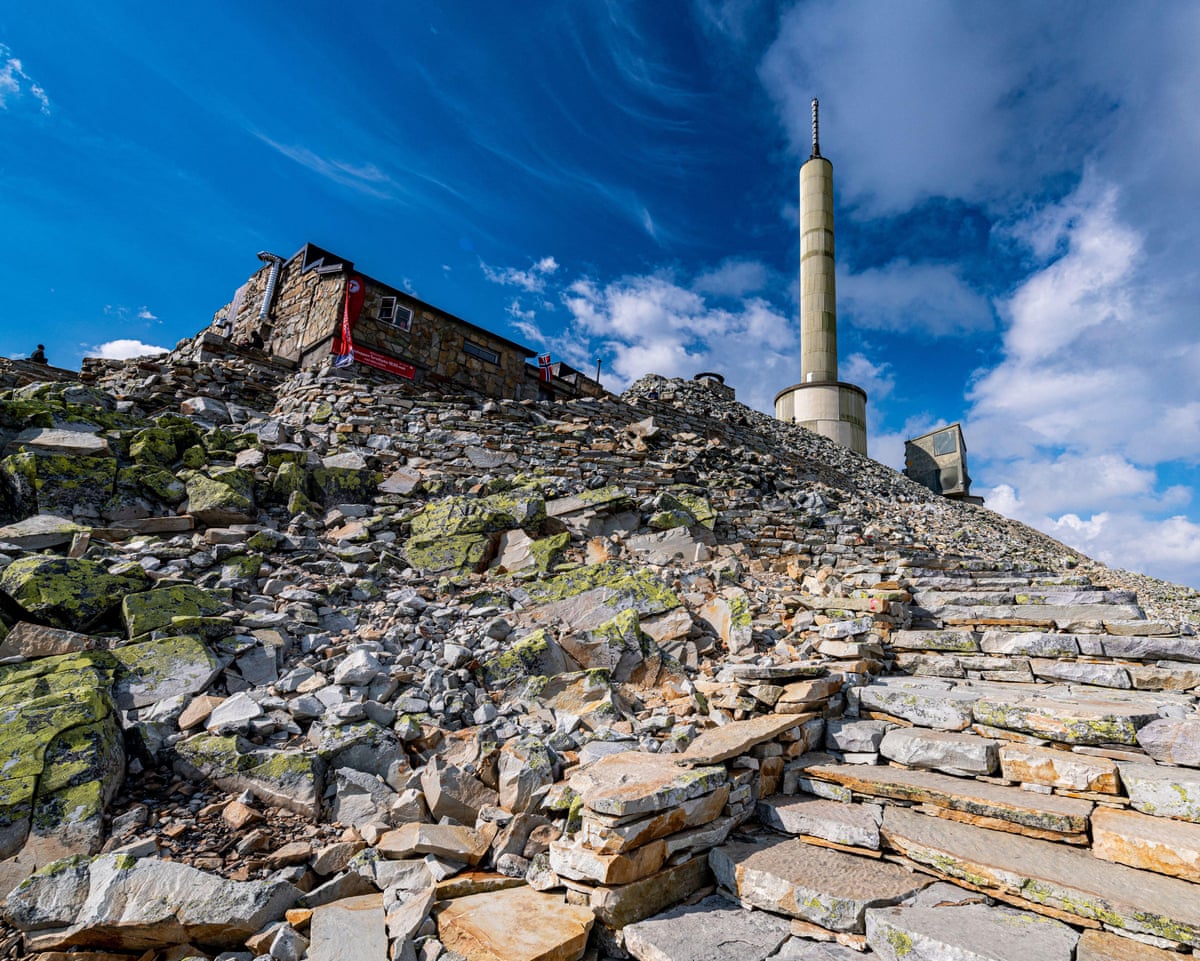
Gaustatoppen, Norway: A Cold War gateway
The route to this hut is as remarkable as the destination itself. Visitors enter a mountainside tunnel, board a thundering old-school funicular that travels one kilometre into solid granite, then proceed through military-grade concrete passages before exiting through a blast-proof steel door and descending to the refuge. This extraordinary infrastructure is a relic of a NATO communications station from the Cold War, now serving dual purpose as a museum and underground access route to the hut, which dates to 1893.
The hut sits on the summit of the highest peak in Telemark province, a popular ski resort, allowing visitors to stay overnight in winter (weekends only) and ski down the following day. On clear days, the panorama supposedly encompasses one-sixth of Norway, though mist frequently obscures the view. The 2026 operating calendar shows overnight stays open from 8 February to 11 October, with café hours varying by date. Bookings must be made in advance, with group reservations handled directly and individual access restricted during certain periods. Rates start from 1,550 Norwegian kroner (approximately £122).
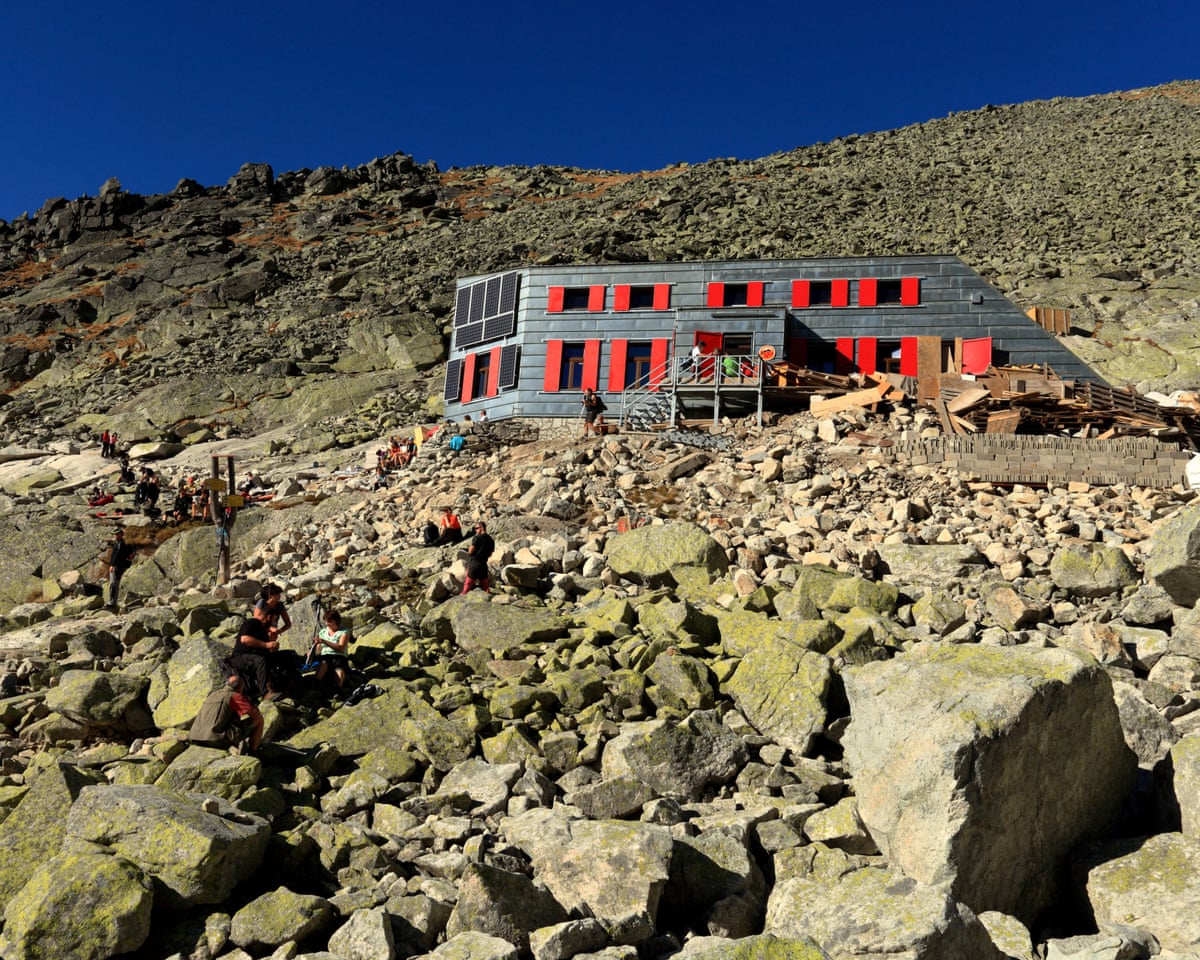
Chata pod Rysmi, Slovakia: Avalanche-tested refuge
The Tatra Mountains host numerous excellent huts, but this refuge stands out for its positioning near the summit of Rysy at 2,501 metres, allowing early starts to catch dawn from the peak. The hut is traditional, well-run, and deliberately basic—precisely the right location to serve as a genuine escape when weather turns brutal, as it frequently does in this region.
The structure's apparent youth belies its 1933 founding date; it has been destroyed multiple times by avalanches and rockfalls, necessitating repeated reconstruction. Consequently, the hut operates only from 1 June to 31 October, closing during the most dangerous seasons. Nightly rates are €65.
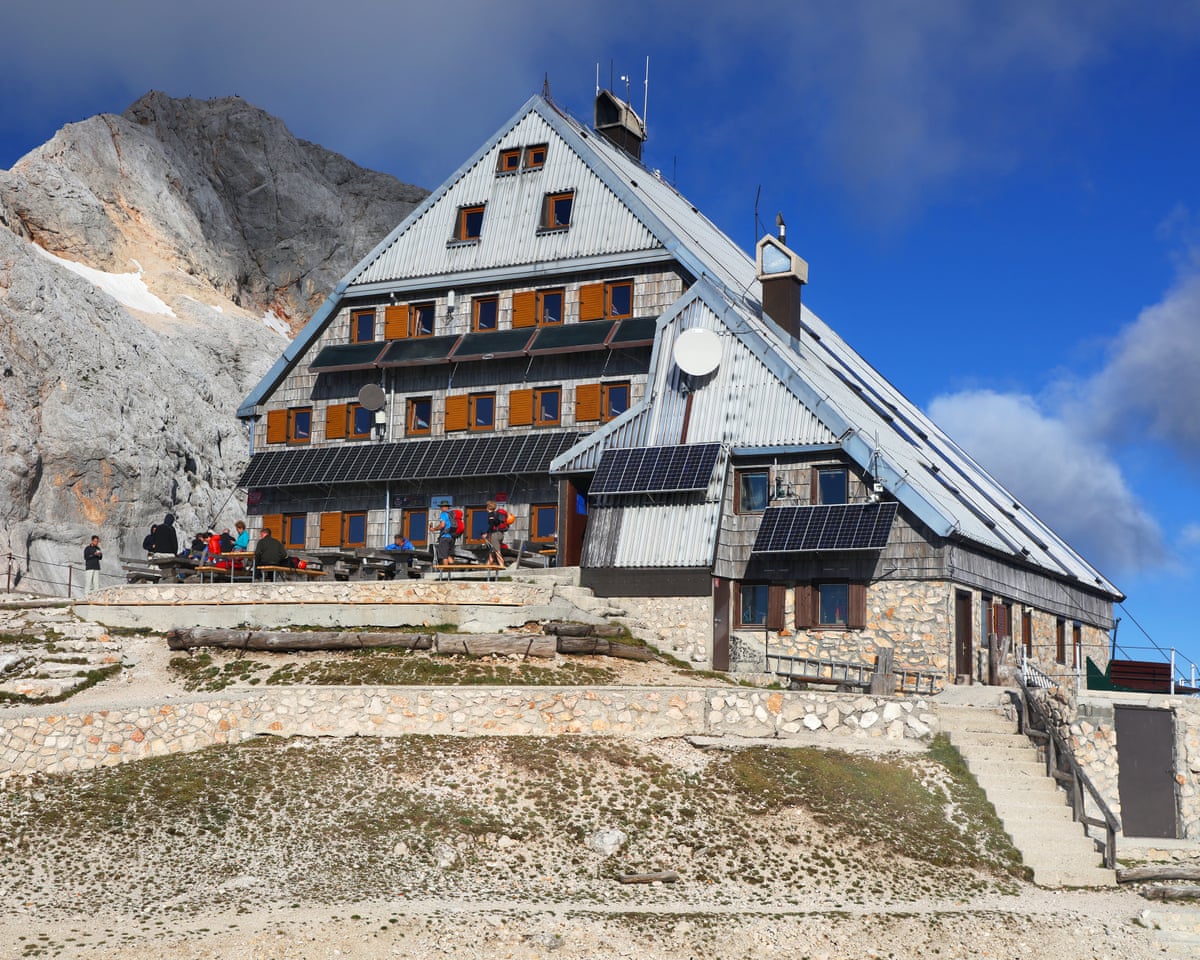
Kredarica on Triglav, Slovenia: The final push
This traditional, old-fashioned mountain refuge occupies a strategically crucial position: it is the last potential stopping point before the final ascent to Triglav, Slovenia's highest peak at 2,864 metres. Every Slovene feels compelled to reach the summit at least once in their lifetime, making this a busy destination in summer when the views are magnificent.

The hut's true character emerges in winter, when unheated dormitories become spartan bunkholes for those preparing to tackle the final, technically demanding ascent requiring ice axes and crampons. Half-board accommodation costs €30.
Le Refuge de Ciottulu di Mori, Corsica: Gruff mountain hospitality
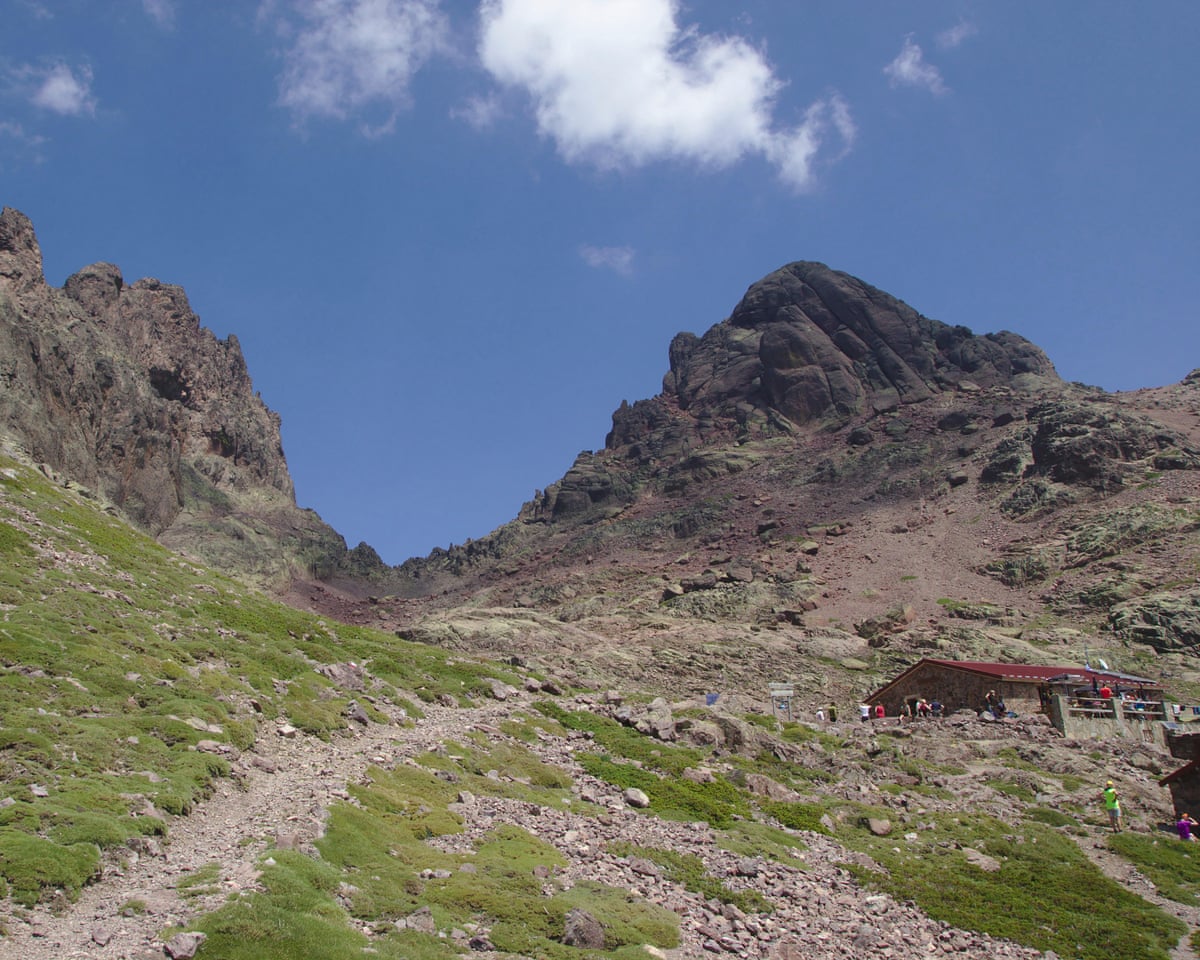
Corsica's celebrated GR20 long-distance footpath is renowned for its deliberately old-fashioned mountain huts, where supplies arrive by mule rather than helicopter and hospitality remains gruff and unpretentious. Ciottulu exemplifies this philosophy: a bare-bones dining room and dormitory with communal sleeping benches for 26 guests create an atmosphere more akin to a traditional bothy than a modern refuge. The setting—2,000 metres elevation amid a vast stony panorama—and the slightly unpredictable caretaker add to the authentic mountain experience. Nightly rates begin at €15.
Breiðuvik, Iceland: Volcanic wilderness
Eastern Iceland hosts a scattered network of superb huts, of which Breiðuvik is a prime example. Located on the coast rather than at high elevation, it offers standard bunk rooms and a well-appointed kitchen. The principal attraction is the setting: a wild, desolate coastline of volcanic sand beaches and abandoned villages that convey a sense of genuine remoteness.
Breiðuvik is part of a useful network of 40 locations managed by the Icelandic Touring Association, providing reliable access to Iceland's most remote regions. Accommodation costs 11,500 Icelandic kronur (approximately £70).
Scotland's mountain bothies: Spartan shelter
The United Kingdom has historically resisted the continental impulse to construct comfortable facilities on mountainsides, preferring instead the austere experience of sitting in leaky waterproofs eating soggy sandwiches. The Mountain Bothy Association works modestly to encourage a shift away from such extreme minimalism, though not dramatically.
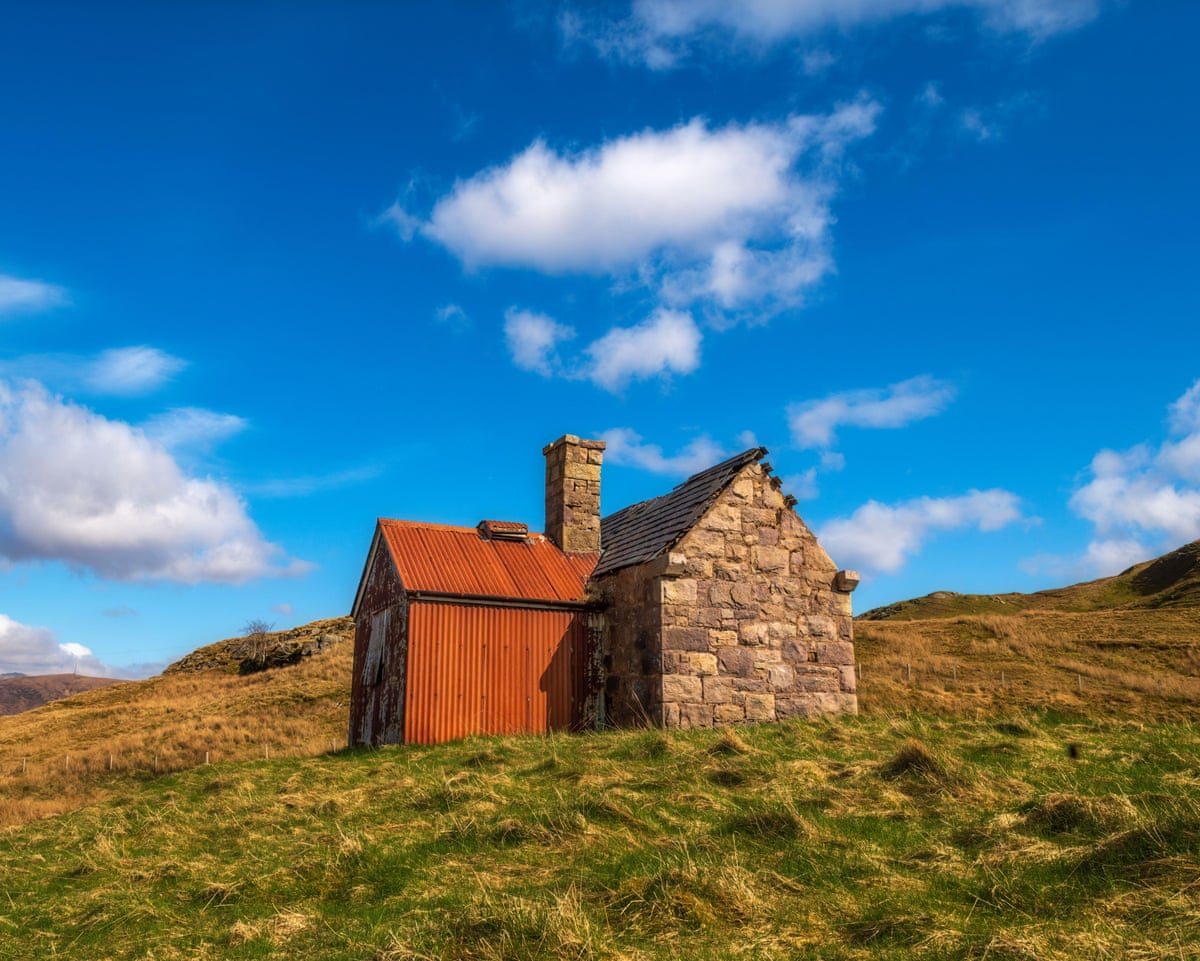
Most bothies are former cottages built for miners or shepherds; many now feature a fireplace or wood burner, and some contain supplies left by previous visitors. The least comfortable offer only a stone bench and an open doorway, embodying the hard charm that appeals to certain mountain enthusiasts. However, overuse by visitors unfamiliar with the ethos of shared responsibility, cooperation, and cleaning has affected some locations. Rather than highlighting individual bothies, the roster as a whole contains absolute classics worthy of discovery. The Elphin Bothy in the Assynt region of Sutherland exemplifies the type.
Beyond mainland Scotland, the UK's most northerly bothy on Orkney's Hoy island has been restored after decades of decline, offering improved accommodation near the iconic Old Man of Hoy sea stack.
Rifugio Nuvolau, Italy: Dolomite excellence
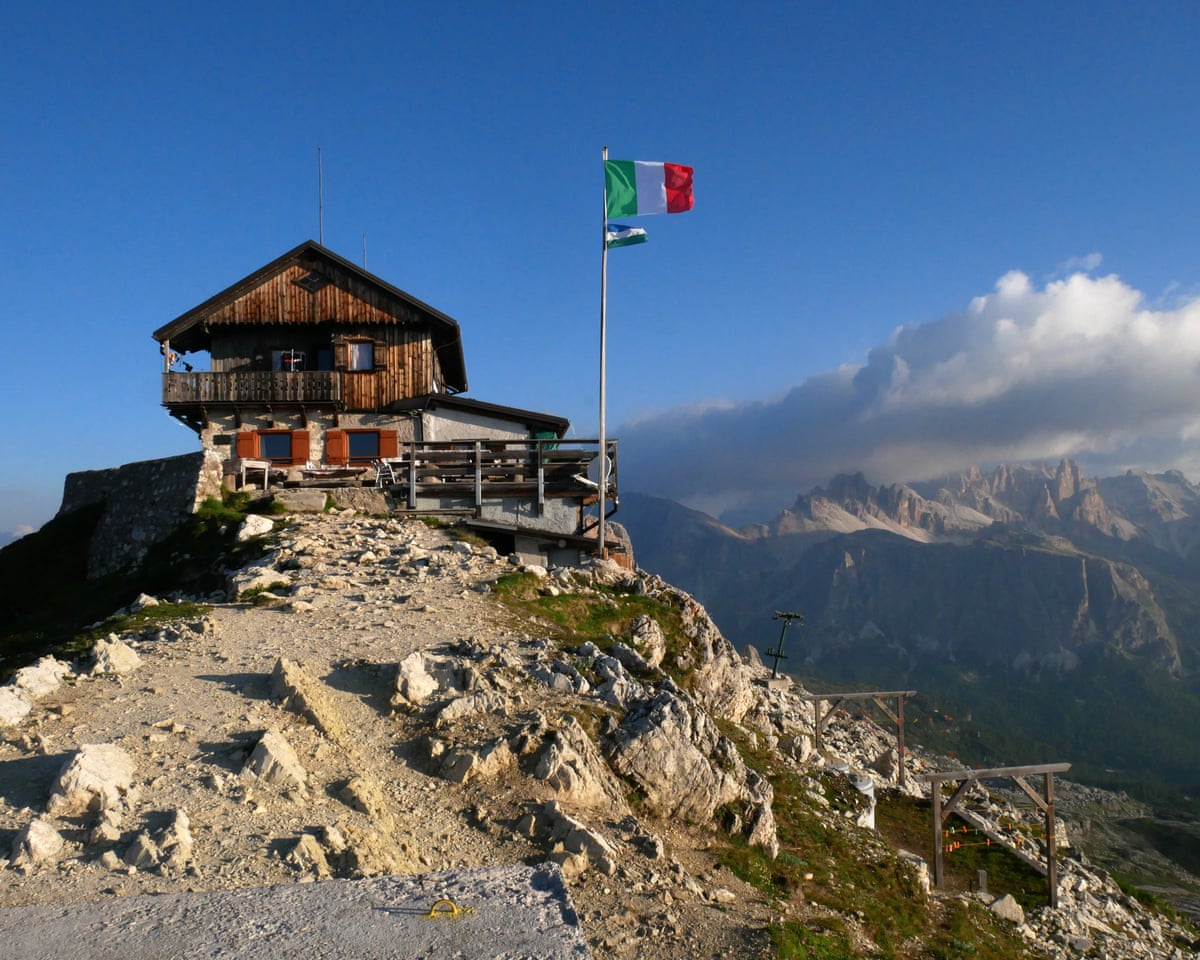
The Dolomites are exceptionally blessed with outstanding huts, and Nuvolau ranks among the finest. Accessible only on foot, it was originally constructed in 1883 as a bequest from Jakob Moreno, the psychologist who coined the term "psychodrama"—a concept he may well have conceived while observing a Nuvolau sunset. The location is celebrated for its dramatic shifts in light and colour throughout the day.
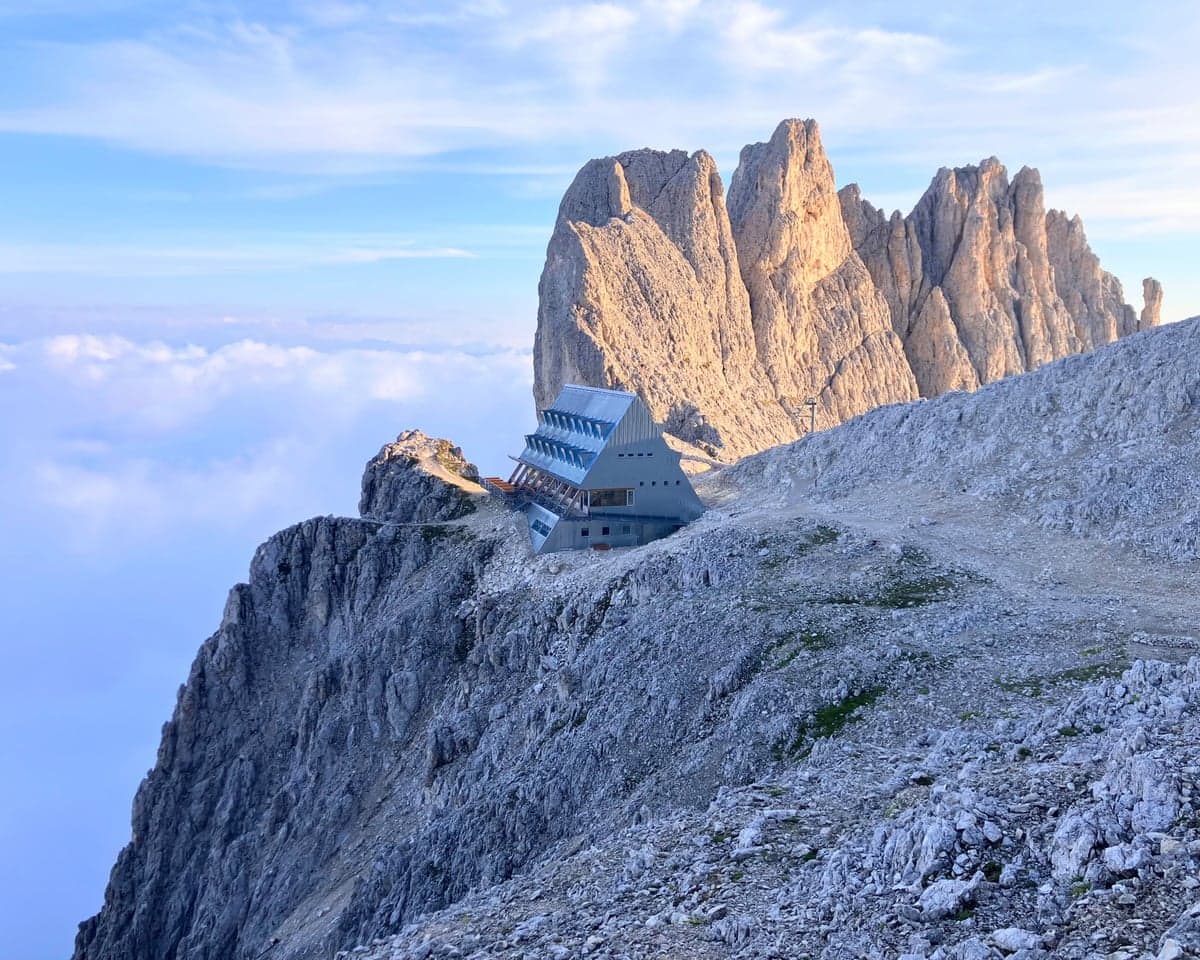
The interior features a dining room serving excellent food, including three-course dinners, with a small dormitory upstairs. Bed and breakfast accommodation costs €51. The Dolomites region continues to attract mountain enthusiasts; the Santnerpass Hut, reopened in 2023 at 2,734 metres, combines striking modern architecture with sustainable practices including passive solar heating and vegetarian dining.
Rifugio Lagazuoi, Italy: Accessible grandeur
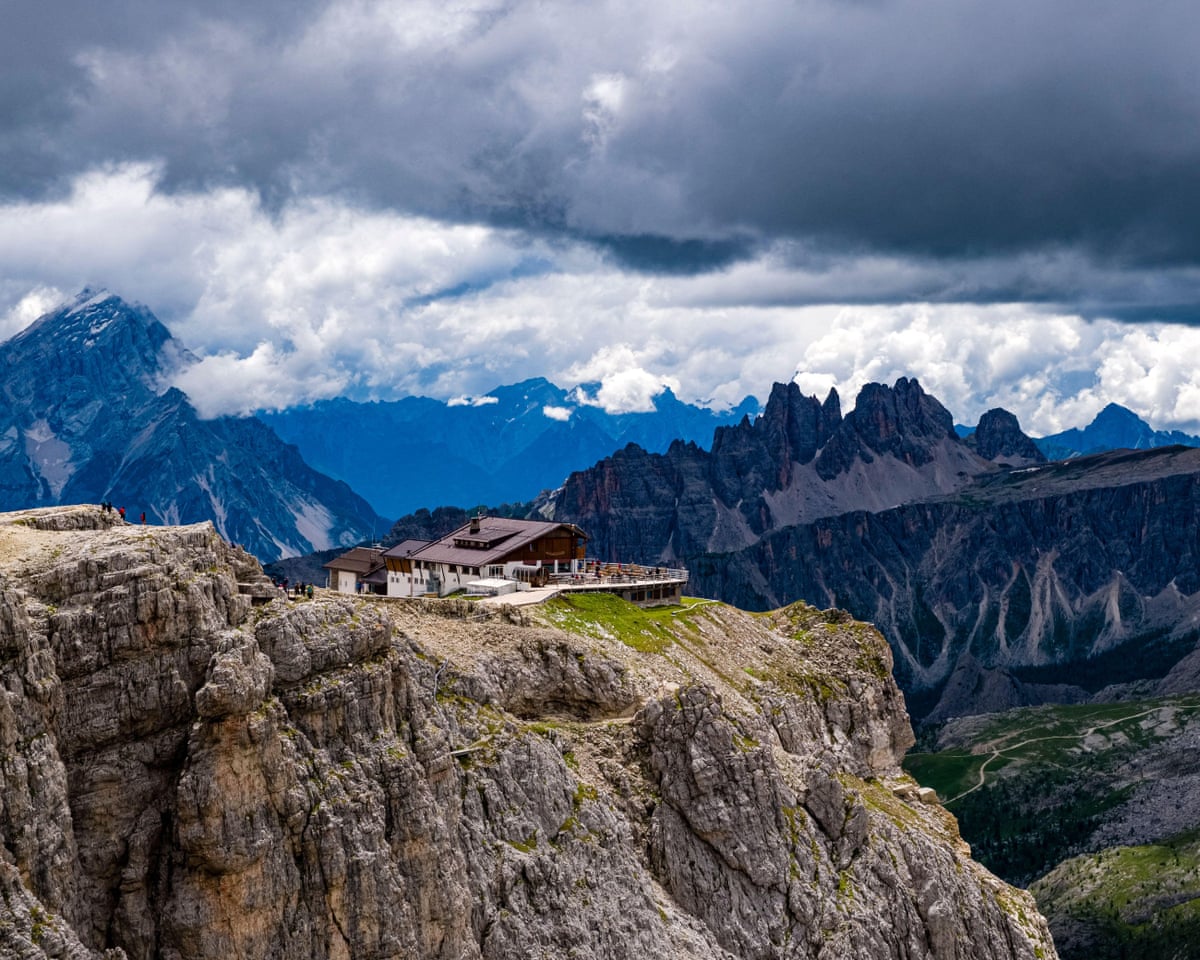
Many Dolomite huts have adapted their business models to prioritise tourism over mountaineering, and Lagazuoi exemplifies this evolution. Originally built as a climbers' refuge, it has expanded considerably and been connected to the road by cable car, enabling coach parties to visit. Despite this accessibility, it remains magnificent.
The south-facing terrace is inviting, and exceptional walks surround the hut, notably through the tunnels and terraces of the First World War frontline carved into the cliff face below. Mount Lagazuoi at 2,835 metres was a key location where the Austro-Hungarian empire confronted Italian forces. Decades later, in 1965, Ugo Pompanin, a local Alpine guide and rock-climbing pioneer, recognised the site's potential and constructed the first hut. His son Guido continues to run the expanded facility with great care. Accommodation with breakfast begins at €85.
Planning your mountain hut visit
Mountain huts across Europe operate on varying seasonal schedules, with many closing during winter or the most hazardous periods. Advance booking is essential, particularly for popular refuges in high season. The experience of a mountain hut—whether a converted battleship in Spain, a Cold War relic in Norway, or a traditional bothy in Scotland—offers something increasingly rare: genuine remoteness, authentic hospitality, and the particular camaraderie that emerges when weather and isolation bring strangers together.