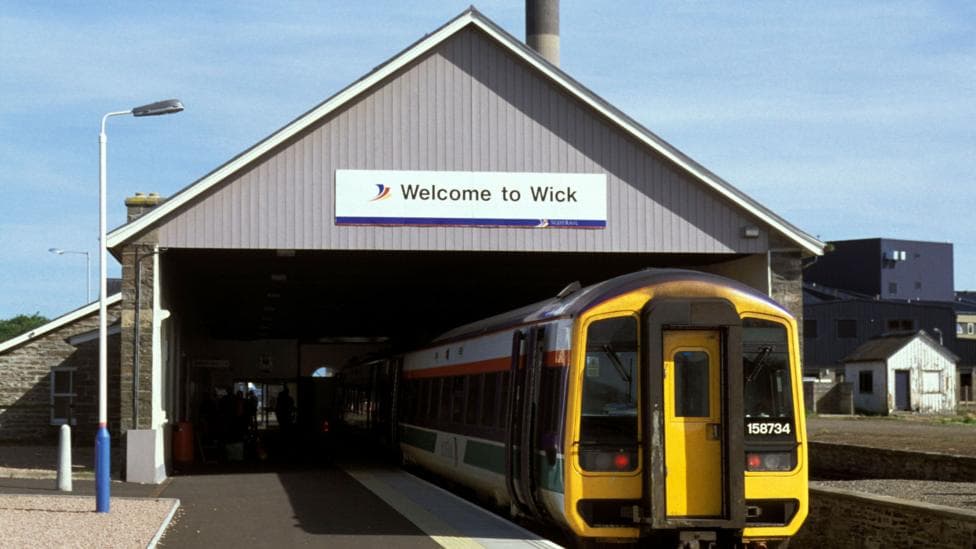
Campaigners are raising alarm that a £2 cap on bus fares in Scotland's north could undermine investment in rail services as passengers switch from the more expensive train network to subsidised buses. According to BBC News, the policy is creating a direct price competition between bus and rail operators on identical routes, with potentially severe consequences for the Far North Line's future.
Ian Budd, convener of The Friends of the Far North Line, described the Scottish government's approach as having "effectively shot themselves in the foot" by making bus travel dramatically cheaper than rail on the same corridors. The disparity is stark: a single bus journey from Thurso to Inverness now costs just £2, while the identical train journey ranges from £16.60 to £28.
Scotrail's managing director Joanne Maguire informed the Scottish Parliament's transport committee that the state-owned rail operator faces an annual revenue loss of £750,000 in the Highlands—a decline of 12%—as a direct result of the fare cap, which commenced earlier this year. Herald Scotland reported that Maguire cautioned the cap's expansion to Strathclyde on 7 September 2026 could prove far more damaging, with projections suggesting potential annual revenue losses between £25 million and £45 million for ScotRail across that region alone.
Transport Scotland confirmed to the BBC that it would continue monitoring the impact of the £2 bus fare cap on passenger numbers and broader transport behaviour patterns.
Why is the price gap so significant?
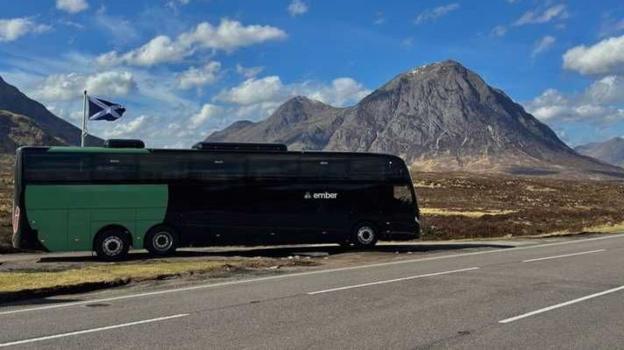
The fare disparity reflects the different cost structures of bus and rail operations. Before the cap was introduced, a single Stagecoach bus ticket from Wick to Inverness cost £31—substantially more than current train fares on the same route. Ember, which became the sole bus operator on this corridor after Stagecoach ceased service in October, now runs up to eight return journeys daily at a maximum cost of £2 per trip. Trains on the same route can take up to an hour longer than Ember's bus services.
Other stops illustrate the pricing challenge facing rail operators. Dingwall, situated just 14 miles from Inverness, costs £8.80 for a train journey, while Brora, 56 miles away, costs £26.30 for a single rail trip. These fares now compete directly with bus services capped at £2 regardless of distance.
What threat does this pose to the Far North Line?
Budd expressed deep concern that falling revenues would damage the business case for necessary infrastructure improvements to the line north of Inverness. The Far North Line operates as a single-track railway, requiring trains to wait in limited passing loops when encountering oncoming traffic. This configuration makes the timetable "very vulnerable," according to Budd, but he believes the situation could be transformed "if enough money is spent on infrastructure improvements which are needed."
The campaigner questioned the logic of the fare cap in an area where bus and train services follow identical routes, calling it an "extraordinary ill-considered plan." He argued that directing funding toward private bus companies competing with a state-owned railway demonstrated "a lack of understanding of the whole transport network."
What evidence exists on the cap's broader effects?
Early data from the Highlands and Islands pilot scheme provides mixed signals about the policy's impact. Transport Scotland's evaluation reported 1.5 million fare-cap journeys by 8 September 2026, with passengers saving an average of £6.96 when uncapped fares would have exceeded £2. Highland Council figures cited in the same evaluation showed fare-paying bus passengers rose 25% in the first month and 36% in the following month compared with the previous year, suggesting the cap is successfully attracting new bus users.
However, Herald Scotland reported that Maguire told MSPs it remained too early to judge the cap's effect in Strathclyde, where it began on 7 September 2026, as ScotRail was not yet seeing significant impact there.
How is the government responding?
Transport Scotland stated that the Scottish government aims to increase public transport usage overall. A spokesperson said:
The £2 Bus Fare Cap is one of a number of measures supporting households with the cost of living. These also include the permanent removal of ScotRail peak rail fares and continuing to provide free bus travel for under 22s, over 60s and disabled people.
What happens next?
The Scottish Government has confirmed the cap is scheduled to expand to Aberdeen from 1 April 2027. The government has also committed to introducing legislation for a nationwide £2 bus fare cap before the end of the current Parliament, though a detailed rollout schedule has not been announced. The Highlands and Islands pilot's stated purpose is to test effects on bus patronage, car use and rail passengers, with the government pledging to publish a full evaluation after the pilot concludes.